
Balsam fir sap has a distinctive smell due to the presence of aromatic compounds such as terpenes. These compounds are released when the tree is injured, creating a fresh, woodsy scent that many people find appealing and reminiscent of a forest environment.
Introduction to Balsam Fir and Its Unique Aroma
Balsam fir (Abies balsamea) is a coniferous tree native to North America. It is well-known for its pleasant scent, especially during the holiday season when many people use it as a Christmas tree. The aroma of balsam fir sap is a blend of various natural compounds that contribute to its unique fragrance. Understanding what makes this scent so distinctive can deepen our appreciation for this remarkable tree.
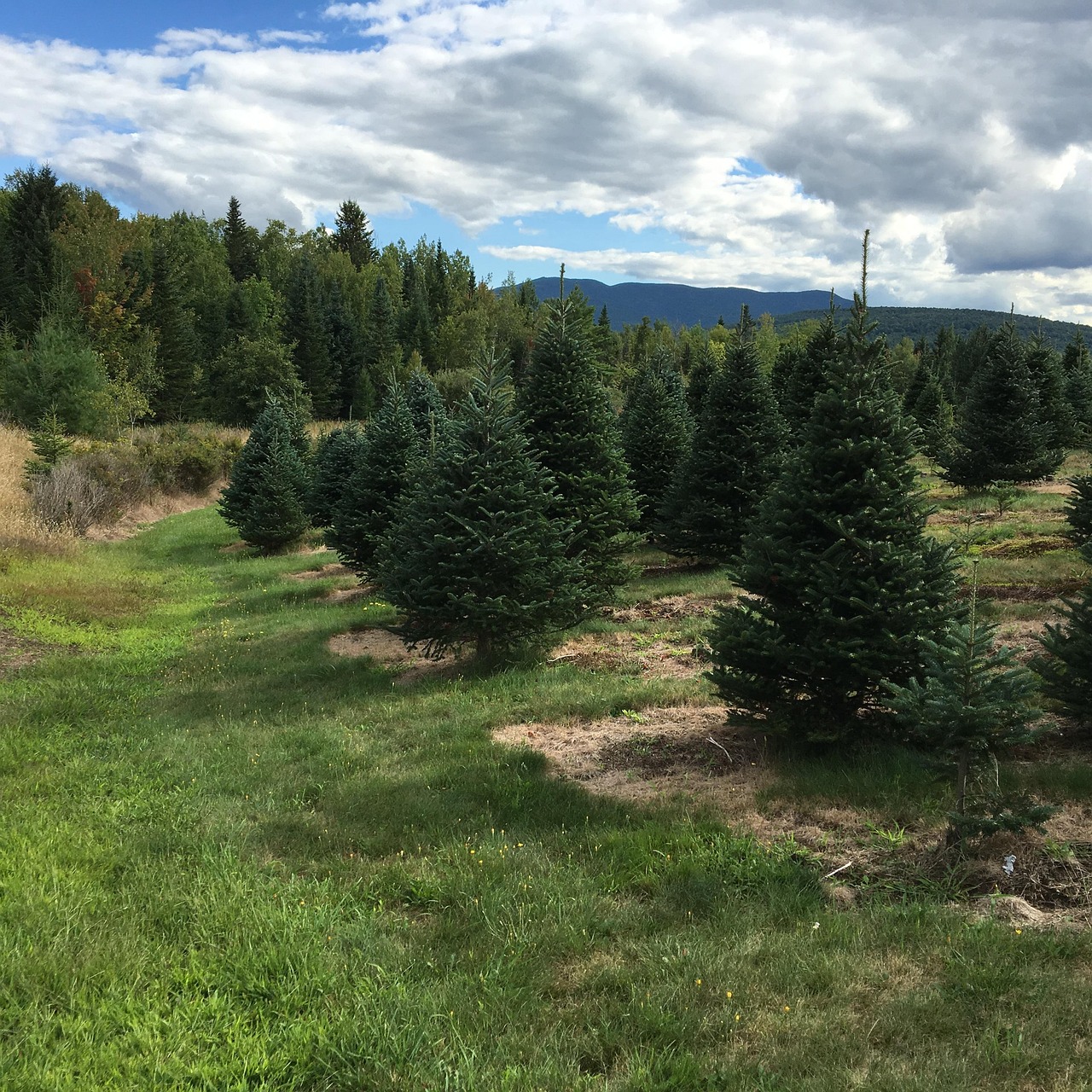
The balsam fir tree can grow up to 60 feet tall and is characterized by its flat, needle-like leaves and symmetrical shape. Its bark is smooth and grayish-brown, while its cones hang down, adding to its visual appeal. The tree thrives in cool, moist environments, typically found in the northeastern United States and Canada.
One of the most intriguing aspects of balsam fir is its sap. This sticky resin is produced as a defense mechanism against pests and diseases. When the tree’s bark is damaged, it secretes sap to seal the wound. This sap not only protects the tree but also releases a fragrant aroma that many people associate with the outdoors.
The Chemistry Behind the Scent
The distinctive scent of balsam fir sap comes from a variety of chemical compounds, primarily terpenes. Terpenes are organic compounds found in many plants, contributing to their fragrance and flavor. In balsam fir, the main terpenes responsible for the aroma include:
- Alpha-pinene: This terpene has a fresh, pine-like scent and is commonly found in many coniferous trees.
- Beta-pinene: Similar to alpha-pinene, this compound also has a woodsy aroma and contributes to the overall scent profile.
- Limonene: This compound adds a citrus note to the fragrance, enhancing its complexity.
- Camphene: Known for its strong, aromatic properties, camphene contributes to the resinous quality of balsam fir sap.
The combination of these compounds creates a rich and complex scent that evokes feelings of being in nature. The olfactory experience is further enhanced when the sap interacts with other elements in the environment, such as moisture in the air or the heat from sunlight.
Uses of Balsam Fir Sap
Balsam fir sap has been used by Indigenous peoples for centuries. It serves various purposes, including medicinal uses and traditional crafts. Here are some common applications:
- Medicinal Uses: The sap has antiseptic properties and has been used to treat minor wounds and infections.
- Crafting: The sticky nature of the sap makes it useful for adhering materials together in traditional crafts.
- Aromatherapy: The pleasant aroma of balsam fir sap is often used in essential oils and scented candles, promoting relaxation.
- Christmas Trees: The fresh scent of balsam fir makes it a popular choice for holiday decorations.
This versatility speaks to the cultural significance of balsam fir sap beyond its pleasant aroma. It highlights the deep connection between humans and nature, showcasing how we utilize natural resources for various needs.
Environmental Impact
Balsam fir trees play an essential role in their ecosystems. They provide habitat for numerous wildlife species, including birds and small mammals. The production of sap not only aids the tree’s survival but also supports other organisms. For instance, some insects feed on the sap or use it for protection against predators.
Moreover, balsam fir forests contribute to carbon sequestration, helping mitigate climate change effects. By absorbing carbon dioxide from the atmosphere, these trees play a vital part in maintaining ecological balance. As such, protecting balsam firs and their habitats is crucial for environmental health.
The Role of Terpenes in Aromatic Properties
Terpenes are not just responsible for the distinctive smell of balsam fir sap; they also play a significant role in the tree’s health and ecosystem interactions. Understanding the specific types of terpenes present in balsam fir can provide insight into how they contribute to its aroma and overall vitality.
Terpenes serve several functions in plants, including:
- Defense Mechanism: Terpenes can deter herbivores and attract predators of herbivores, thus protecting the tree from pests.
- Attracting Pollinators: Some terpenes are known to attract pollinators, aiding in the reproductive success of the tree.
- Antimicrobial Properties: Certain terpenes have antimicrobial effects, helping to protect the tree from diseases.
The presence of these compounds not only enhances the balsam fir’s aroma but also contributes to its survival in a competitive forest environment. The complexity of these chemical interactions illustrates the importance of terpenes in ecological relationships.
Aromatherapy and Balsam Fir Sap
Balsam fir sap is gaining popularity in the field of aromatherapy. Its scent is believed to promote relaxation and relieve stress. The therapeutic properties of balsam fir sap can be attributed to the same terpenes that give it its distinctive smell.
Common uses of balsam fir in aromatherapy include:
- Essential Oils: Balsam fir essential oil is extracted from the sap and needles, creating a fragrant oil used in diffusers and massage therapies.
- Relaxation Techniques: The aroma is often incorporated into meditation practices as a calming agent.
- Natural Air Fresheners: Balsam fir scent is used in natural air fresheners, providing an earthy fragrance that many find soothing.
The use of natural scents like balsam fir contributes to a growing trend towards holistic wellness and self-care practices, highlighting the intersection between nature and personal health.
Cultural Significance and Folklore
Balsam fir has deep roots in various cultures, particularly among Indigenous peoples of North America. The tree is not only valued for its aromatic properties but also holds cultural significance in rituals and traditions.
Some aspects of cultural significance include:
- Medicinal Traditions: Indigenous tribes have used balsam fir sap for healing purposes, such as treating coughs and respiratory issues.
- Ceremonial Uses: Balsam fir branches are often used in ceremonies and celebrations, symbolizing life and renewal.
- Craftsmanship: The sap has been utilized in traditional crafts, showcasing the resourcefulness of communities that rely on local flora.
The connection between balsam fir and cultural practices underscores its importance beyond mere aesthetics. It highlights how nature influences human life through traditions and health practices.
The Process of Harvesting Balsam Fir Sap
Harvesting balsam fir sap is an art that requires knowledge and care. The process involves making incisions in the bark to allow the sap to flow out while ensuring the tree remains healthy. Here is a brief overview of how balsam fir sap is harvested:
- Selecting the Tree: Only mature trees with healthy bark are chosen for sap harvesting.
- Making Incisions: Shallow cuts are made on the bark to tap into the sap. Care must be taken to avoid damaging the tree too severely.
- Collecting the Sap: The sap flows out and is collected in containers. This is usually done during specific times of the year when sap flow is optimal.
- Tending to the Tree: After harvesting, it is essential to monitor the tree’s health, allowing it to recover from the incisions.
This sustainable harvesting method ensures that the trees continue to thrive while allowing people to enjoy the benefits of balsam fir sap. It reflects a balance between human needs and environmental stewardship.
Commercial Applications of Balsam Fir Sap
The commercial value of balsam fir sap extends beyond its aromatic properties. Various industries have found innovative uses for this natural resource:
- Fragrance Industry: Balsam fir oil is used in perfumes and scented products, providing a natural alternative to synthetic fragrances.
- Cosmetics: The sap’s soothing properties make it a popular ingredient in skincare products.
- Food Flavoring: In some regions, balsam fir extracts are used as natural flavorings in food products.
The versatility of balsam fir sap demonstrates its economic potential while promoting sustainable practices within industries. As awareness grows about natural products, the demand for balsam fir sap continues to increase.
Health Benefits of Balsam Fir Sap
Balsam fir sap is not only valued for its aromatic properties but also for various health benefits. Traditionally, many cultures have utilized this sap for medicinal purposes. The unique compounds found in balsam fir sap contribute to its therapeutic effects.
Some notable health benefits include:
- Antimicrobial Properties: Balsam fir sap contains compounds that can help fight against bacteria and fungi, making it useful for treating minor cuts and scrapes.
- Respiratory Relief: The aroma of balsam fir sap is believed to alleviate symptoms of respiratory conditions, such as coughs and congestion, when inhaled.
- Anti-inflammatory Effects: Applying the sap topically may help reduce inflammation and soothe skin irritations.
These benefits highlight the potential of balsam fir sap as a natural remedy. However, it is essential to consult with healthcare professionals before using it for medicinal purposes.
Comparison of Balsam Fir with Other Conifers
Balsam fir is often compared to other coniferous trees, particularly when discussing fragrance and characteristics. Understanding these differences can help appreciate what makes balsam fir unique.
| Tree Type | Aroma Profile | Common Uses |
|---|---|---|
| Balsam Fir | Sweet, woodsy, with hints of citrus | Aromatherapy, cosmetics, Christmas trees |
| Pine (Pinus spp.) | Pungent, fresh, resinous | Essential oils, cleaning products |
| Spruce (Picea spp.) | Crisp, sharp, slightly sweet | Building materials, essential oils |
| Cedar (Cedrus spp.) | Earthy, warm, woody | Furniture, incense, essential oils |
This table illustrates how balsam fir stands out among other conifers regarding its aroma and applications. Each type of tree offers unique characteristics that contribute to its use in various industries.
Sustainability and Ethical Harvesting Practices
As the demand for balsam fir sap grows, it is crucial to focus on sustainability and ethical harvesting practices. Ensuring that harvesting methods do not harm the trees or their ecosystems is vital for preserving these natural resources.
Key principles for sustainable harvesting include:
- Selective Tapping: Only a small portion of the tree’s bark should be tapped each season to allow for recovery.
- Monitoring Tree Health: Regular assessments of tree vitality ensure that they are thriving and capable of producing sap in the future.
- Community Involvement: Engaging local communities in sustainable practices fosters a sense of ownership and responsibility towards natural resources.
By adhering to these principles, producers can help maintain healthy balsam fir populations while meeting consumer demand. This approach encourages a balance between economic growth and environmental conservation.
Culinary Uses of Balsam Fir Sap
The culinary world is beginning to recognize the potential of balsam fir sap as a unique flavoring ingredient. While traditionally used in medicinal applications, its aromatic qualities lend themselves well to various culinary uses.
Some innovative culinary applications include:
- Beverages: Balsam fir sap can be infused into teas or cocktails, adding a distinctive flavor profile.
- Desserts: The sap can be used in syrups or glazes for desserts, providing a sweet and aromatic finish.
- Marinades and Sauces: Chefs may incorporate balsam fir sap into marinades for meats or vegetables, enhancing flavor complexity.
The incorporation of balsam fir sap into culinary creations highlights its versatility and potential as an ingredient that bridges the gap between nature and gastronomy.
The Future of Balsam Fir Sap Products
The growing interest in natural and sustainable products suggests that the future of balsam fir sap is bright. As consumers increasingly seek eco-friendly options, the demand for balsam fir products is likely to rise.
Future trends may include:
- Innovative Product Development: Companies may explore new uses for balsam fir sap in various industries beyond fragrance and cosmetics.
- Sustainable Practices: There will be an increased focus on ensuring that harvesting practices are environmentally friendly and ethically sound.
- Education and Awareness: Promoting the benefits and uses of balsam fir sap will help educate consumers about sustainable choices.
The potential for balsam fir sap products continues to grow as awareness increases about the importance of natural resources and sustainability in modern society.
Challenges in Balsam Fir Sap Production
While the future of balsam fir sap products appears promising, several challenges must be addressed to ensure sustainable production. These challenges can impact both the quality and availability of balsam fir sap.
Key challenges include:
- Climate Change: Changes in climate patterns can affect the growth and health of balsam fir trees. Increased temperatures and altered precipitation patterns may impact sap production.
- Pest Infestations: As the environment changes, pests that threaten balsam fir trees may become more prevalent. Effective management strategies will be necessary to protect these trees.
- Market Competition: With the growing interest in natural products, competition may increase among producers, affecting pricing and availability.
Addressing these challenges will require collaboration among scientists, producers, and policymakers. Sustainable practices will be essential to ensure that balsam fir sap remains a viable resource for future generations.
Consumer Awareness and Education
As the demand for natural products rises, consumer awareness plays a critical role in shaping the market for balsam fir sap. Educating consumers about the benefits and sustainable practices associated with balsam fir sap can lead to more informed purchasing decisions.
Efforts to promote awareness may include:
- Workshops and Seminars: Hosting educational events can inform consumers about the uses and benefits of balsam fir sap.
- Online Resources: Developing websites and social media campaigns can help spread knowledge about sustainable harvesting practices and the ecological significance of balsam fir.
- Collaboration with Influencers: Partnering with environmental advocates and influencers can amplify the message regarding the importance of supporting sustainable products.
By fostering a deeper understanding of balsam fir sap among consumers, it is possible to create a stronger market demand for sustainably sourced products. This awareness can encourage responsible consumption and support eco-friendly practices.
Innovative Uses Beyond Traditional Applications
The versatility of balsam fir sap extends beyond its traditional applications in fragrance and cosmetics. As research continues, innovative uses are emerging that capitalize on its unique properties. Some exciting potential applications include:
- Bioplastics: Researchers are exploring the use of natural resins like balsam fir sap in developing biodegradable plastics, offering an eco-friendly alternative to conventional materials.
- Sustainable Packaging: The sap’s adhesive properties can be utilized in creating sustainable packaging solutions that minimize environmental impact.
- Natural Insect Repellents: The aromatic properties of balsam fir sap may be harnessed to develop natural insect repellents, providing an alternative to synthetic chemicals.
These innovative applications reflect a growing trend towards sustainability and highlight the potential of balsam fir sap as a valuable resource in various industries beyond its traditional uses.
Final Thoughts
Balsam fir sap is a remarkable natural resource that offers a wide range of benefits, from its distinctive aroma to its numerous applications in health, cosmetics, and beyond. The unique combination of terpenes found in this sap not only creates its appealing scent but also contributes to its therapeutic properties.
The future of balsam fir sap appears bright as consumer interest in sustainable products increases. By focusing on innovative product development, ethical harvesting practices, and education, we can ensure that this valuable resource is preserved for generations to come. As we continue to explore new uses for balsam fir sap, it is essential to maintain a deep respect for the trees that provide it and the ecosystems they inhabit.
In summary, the journey of balsam fir sap from tree to product involves a complex interplay of biology, culture, and sustainability. Embracing this connection can lead us toward a more harmonious relationship with nature and foster appreciation for the unique gifts our environment provides.