
The primary method used at water desalination plants is reverse osmosis (RO), a technology that filters out salt and other impurities from seawater or brackish water. This method is gaining popularity due to its efficiency, lower energy consumption, and effectiveness in providing clean drinking water. Read Interesting article: Do Coneflowers Spread? – My Plant Care
Overview of Water Desalination
What is Water Desalination?
Water desalination is the process of removing salt and other impurities from seawater or brackish water to produce fresh water suitable for human consumption and irrigation. This technique is essential in regions where freshwater resources are scarce or contaminated. I remember the first time I learned about desalination; I was fascinated by how it could transform the ocean’s water, which we often think of as unusable, into something we can drink. It’s like magic, in a way, but it’s all based on science and technology.
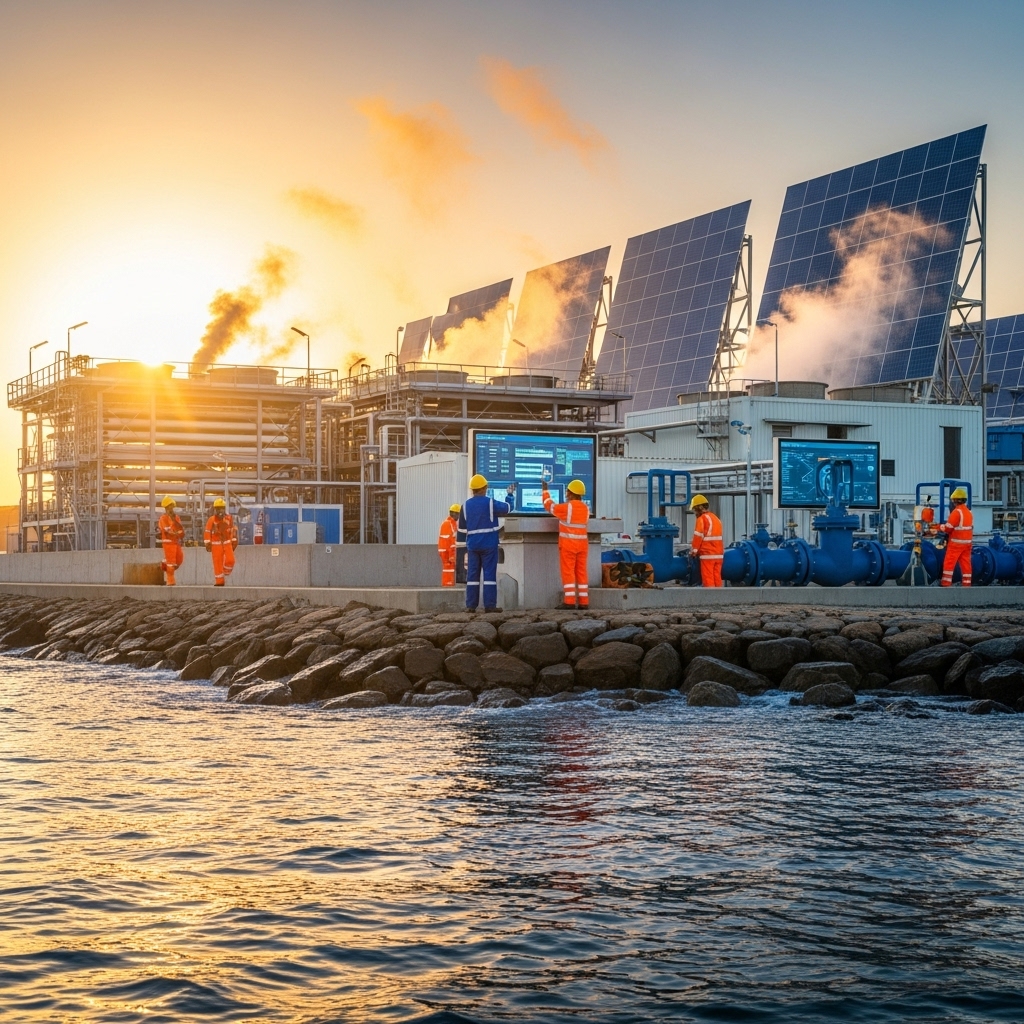
Importance of Desalination in Water Scarcity
As the world faces increasing water scarcity due to climate change, population growth, and pollution, desalination has become a crucial solution for many countries. I’ve seen reports of regions like the Middle East and parts of California where water shortages are a constant concern. Desalination plants provide a reliable source of potable water. In my opinion, this technology is not just a backup plan; it’s becoming a central part of our water management strategy. The availability of desalinated water can help stabilize communities and economies that otherwise would struggle with limited freshwater supplies.
Key Desalination Methods
Reverse Osmosis (RO)
Reverse osmosis is the most widely used desalination method today. It works by pushing seawater through a semi-permeable membrane, which allows water molecules to pass but blocks salt and other contaminants. I remember visiting a desalination plant and seeing RO in action; it was impressive to witness how efficiently the process separates the salt from the water. This method is known for its energy efficiency and relatively low operational costs compared to other desalination methods. I’ve learned that RO technology is continually improving, making it even more effective and accessible. Aesthetic & Functional: Smart Storage Solutions for Every Type of Gardener
Thermal Distillation
This method involves heating seawater to create steam, which is then condensed back into liquid form, leaving the salt behind. There are several thermal distillation techniques, including Multi-Effect Distillation (MED) and Multi-Stage Flash (MSF). I was surprised to find out that while thermal distillation can be energy-intensive, it’s still a popular choice in some regions, especially those with abundant energy resources. It’s remarkable how thermal energy can transform seawater into a drinkable resource.
Electrodialysis
Electrodialysis is a method that uses electrical currents to move ions through ion-selective membranes, separating salt from water. I find this approach fascinating because it leverages electricity in a unique way. Electrodialysis is particularly effective for brackish water and can be a suitable option for smaller desalination plants. However, it’s not as commonly used for seawater desalination due to higher costs and lower efficiency. I think it’s interesting how different methods can be tailored to specific water sources.
Multi-Effect Distillation (MED)
Multi-Effect Distillation (MED) involves multiple stages of evaporation and condensation, making it highly efficient. I learned that in this process, the steam generated from one effect is used to heat the next effect, which maximizes energy use. This is a great example of how innovation can lead to better resource management. While MED can be more expensive to set up initially, its efficiency can lead to lower operational costs over time, making it a viable option for some desalination plants.
How Reverse Osmosis Works
The Process of Filtration
In reverse osmosis, seawater is pressurized and forced through a semi-permeable membrane that filters out the salt and impurities. I remember the first time I tried to understand how this worked; it felt like a complex puzzle. But once you break it down, it’s all about pressure and molecules moving through tiny holes. The freshwater produced is collected on the other side of the membrane, while the concentrated brine is disposed of or treated further. This process is a great example of how we can use science to solve real-world problems.
Membrane Technology
The quality and type of membranes used in reverse osmosis significantly impact the efficiency of the process. I’ve researched various materials, and it’s amazing how advancements in membrane technology have improved water permeability and salt rejection rates. Membranes are usually made from polymer materials, and ongoing innovations are making them more durable and resistant to fouling. I often think about how important these seemingly simple components are to the entire desalination process.
Energy Efficiency and Recovery
Energy efficiency is a huge factor in the viability of reverse osmosis. I’ve learned that modern RO plants incorporate energy recovery devices that capture some of the energy from the high-pressure brine stream and use it to help pump more seawater through the system. This not only reduces energy costs but also makes the process more sustainable. It’s exciting to see how technology continues to evolve, making desalination a more environmentally friendly option.
Thermal Distillation Explained
Types of Thermal Distillation
When I first stumbled upon thermal distillation, I was struck by the variety of techniques it encompasses. The two most common types are Multi-Stage Flash (MSF) and Multi-Effect Distillation (MED). MSF works by rapidly flashing seawater into steam in multiple stages, where each stage operates at a lower pressure than the one before. This means that water vaporizes and condenses multiple times, each time capturing more salt-free water as it moves through the system. I found it fascinating how this method utilizes pressure changes to maximize efficiency.
On the other hand, MED leverages the steam produced from one effect to heat the next, which is a brilliant way of recycling energy. With both methods, I realized that thermal distillation is all about harnessing heat and pressure to achieve freshwater production. Each type has its unique advantages and can be chosen based on specific needs and resources available at a given site.
Operational Mechanism
Understanding the operational mechanisms of these methods helped me appreciate the intricate designs of desalination plants. In MSF, seawater is heated up to a temperature where it rapidly changes into steam. This steam then travels to a condenser, where it cools down and turns back into liquid, effectively leaving the salt behind. I remember watching a video that showcased this process and was amazed at how effective it is, especially in regions like the Gulf, where energy resources are plentiful.
For MED, the process involves a series of vessels or chambers, each at different pressure levels, where the steam from one chamber is used to heat the next. It’s like a relay race where the baton of heat is passed along to ensure the system runs efficiently. I learned that this method not only optimizes energy use but also reduces the overall cost of production, making it an appealing option for many facilities.
Advantages and Disadvantages
From my perspective, thermal distillation offers several advantages. One major benefit is its ability to produce large volumes of freshwater. Just think about it: in areas with high energy resources, such as oil-rich countries, thermal distillation can be extremely effective. Furthermore, the technology is well-established, with many operational plants worldwide that have demonstrated reliability over the years.
However, I also discovered that there are some downsides. One of the key issues is the high energy consumption associated with thermal distillation, particularly in MSF, which can lead to increased operational costs. Also, thermal distillation requires significant infrastructure investment, which can be a barrier for many regions. I found it interesting how every method has its trade-offs, and choosing the right one often comes down to local circumstances and priorities.
Electrodialysis Process
How Electrodialysis Works
Electrodialysis is another fascinating method of desalination that I learned a lot about. It operates by using electrical currents to drive the movement of ions through selective membranes. These membranes allow only certain ions to pass, separating the salt from the water. When I first read about this process, I was intrigued by how electricity could play such a vital role in water treatment. It’s as if we are using the principles of chemistry and physics to create something essential for life.
In practice, seawater or brackish water is placed in a cell that contains alternating positive and negative electrodes. As the current flows, positively charged ions (like sodium) move towards the negative electrode, while negatively charged ions (like chloride) move towards the positive electrode. I think this method has a unique appeal, especially for smaller desalination plants or those dealing with brackish water, as it can be scaled down more easily than other technologies.
Applications and Limitations
Electrodialysis is particularly useful in applications where water salinity is lower, such as in some agricultural settings. I’ve seen instances where this method has been effectively used to treat water for irrigation, providing a sustainable solution for farmers in regions with limited freshwater resources. It’s quite remarkable how it can cater to specific situations.
However, I’ve also discovered that electrodialysis has its limitations. For one, it’s not as effective for seawater desalination due to the higher energy costs associated with separating the greater concentration of salts. Moreover, the membranes can be subject to fouling, which can reduce efficiency and increase maintenance needs. While I admire the innovative approach of electrodialysis, it’s essential to weigh these factors when considering its implementation.
Multi-Effect Distillation (MED) Process
How MED Differs from Other Methods
Multi-Effect Distillation (MED) stands out among desalination techniques for its unique approach to energy use and efficiency. What I found particularly interesting is how MED utilizes the steam generated in one effect to heat the next, creating a cascading cycle that minimizes energy waste. This makes it quite different from methods like reverse osmosis, which rely heavily on pumps and filtration. Learning about this process made me appreciate how much thought goes into designing systems that maximize resource use.
MED is especially suitable for regions with access to low-cost energy, such as thermal energy from power plants. I’ve seen examples where MED plants are integrated with power stations, allowing them to utilize waste heat for water production. This synergy not only enhances efficiency but also contributes to sustainability, which is something I always look for in innovative technologies.
Efficiency and Cost-Effectiveness
Efficiency is a critical factor for any desalination method, and MED excels in this area. The multiple stages of evaporation and condensation mean that it can produce a significant amount of freshwater with relatively less energy compared to other thermal methods. I learned that while the initial setup costs might be higher, the long-term operational savings can make it a worthwhile investment.
However, it’s essential to consider the upfront capital required to build an MED plant. For many countries facing water scarcity, this can be a significant hurdle. I believe that as technology continues to evolve, we might see more cost-effective solutions emerge, allowing MED to become a viable option in more places around the world.
Factors Influencing Method Selection
Water Quality and Source
When it comes to choosing a desalination method, the quality and source of the water play a huge role. I’ve learned that seawater, brackish water, and even water from rivers can differ significantly in salinity and impurities. For instance, seawater has a higher salt concentration compared to brackish water. This means that methods like reverse osmosis might be more effective for seawater, while electrodialysis can work well for brackish water. I remember diving deep into research about how specific regions assess their water sources to decide the best approach for desalination. Tailoring the method to the water quality not only improves efficiency but also helps in minimizing costs. It’s like knowing which recipe to use based on the ingredients you have on hand.
Energy Availability and Costs
Energy availability is another crucial factor in selecting a desalination method. I’ve noticed that some regions have abundant energy resources, which can influence their choice of technology. For example, thermal distillation methods, like Multi-Effect Distillation (MED), are often favored in places with access to cheap thermal energy, such as oil-rich countries. On the other hand, reverse osmosis is more energy-efficient and is ideal for locations where energy is more expensive. During my research, I stumbled upon case studies that highlighted how energy costs can determine the feasibility of desalination projects. It’s fascinating to see how the economic landscape can shape our approach to water scarcity.
Environmental Considerations
In today’s world, environmental considerations cannot be overlooked when discussing desalination. I believe it’s important for us to think about how these processes impact marine life and ecosystems. For example, the brine produced during desalination can affect local environments if not handled properly. I remember reading about efforts to mitigate these impacts, such as diluting the brine before disposal or finding ways to repurpose it. It’s a balancing act between providing essential freshwater and protecting our ecosystems. I feel encouraged knowing that many desalination plants are now focusing on sustainable practices to minimize their environmental footprint.
Case Studies of Desalination Plants
Saudi Arabia’s Desalination Projects
Saudi Arabia has been a pioneer in desalination, with numerous projects that have set benchmarks for the industry. I was amazed to learn that the country produces a significant portion of its freshwater through desalination. Their plants, particularly in cities like Jeddah and Riyadh, use various technologies, primarily Multi-Stage Flash (MSF) and Reverse Osmosis (RO). I remember watching documentaries showcasing these plants, where I saw the scale and the innovative solutions they employ to meet the demands of their growing population. The commitment to ensuring a stable water supply in such an arid region is truly inspiring, and it highlights the importance of investing in desalination technology.
California’s Water Desalination Initiatives
California has also been making strides in desalination as it grapples with ongoing water shortages. I recall reading about the Carlsbad Desalination Plant, which is one of the largest in the U.S. and utilizes reverse osmosis technology. This facility has been a game-changer for the region, providing additional clean water to the community. It’s interesting to see how local governments are balancing the need for water with environmental concerns. I found it encouraging that California is exploring multiple desalination projects, keeping sustainability at the forefront. The state aims to develop methods that can coexist with its beautiful coastal ecosystems.
Innovations in Desalination Technology
Innovation in desalination technology is something I find particularly exciting. For example, I recently came across developments in solar desalination methods, which harness the sun’s energy to produce freshwater. This eco-friendly approach could revolutionize how we think about desalination, especially in sunny regions. I’ve seen prototypes and pilot projects that are already making waves, showing great promise for future applications. The idea of combining renewable energy with water treatment feels like a step in the right direction. I believe that continued innovation will lead to more sustainable solutions that will address water scarcity while caring for our planet.
Future Trends in Desalination
Emerging Technologies
As we look toward the future, I’m excited about the emerging technologies in desalination. I’ve read about advancements in membrane technology that could significantly enhance efficiency and reduce costs. There’s also research into using nanotechnology to improve filtration processes. It’s fascinating to think about how these innovations could make desalination more accessible for countries struggling with water shortages. I remember the thrill of discovering how science continuously evolves to meet our changing needs, and I can’t help but feel hopeful about what’s ahead in the desalination field.
Sustainability and Environmental Impact
With growing awareness of climate change, sustainability is becoming a key focus in desalination. I’ve seen many projects aiming to integrate renewable energy sources into desalination processes. For instance, combining solar power with reverse osmosis not only reduces carbon footprints but also enhances energy efficiency. I believe that as we prioritize sustainability, we’ll see more eco-friendly practices emerge, like minimizing brine disposal impacts and utilizing waste heat for desalination. This shift towards greener practices excites me because it shows we can address water scarcity while also protecting our environment.
Global Demand for Desalinated Water
The global demand for desalinated water is on the rise, especially as populations grow and freshwater sources become increasingly strained. I think about how regions facing severe droughts or limited freshwater access will likely turn to desalination as a viable solution. It’s interesting to see how different countries are adapting their strategies to meet this demand. I remember reading reports that highlighted the increasing investments in desalination infrastructure globally, as governments recognize the importance of securing water supplies for their citizens. This trend signals that desalination will play a critical role in our future water management strategies.
Frequently Asked Questions
What is water desalination?
Water desalination is the process of removing salt and other impurities from seawater or brackish water to produce fresh water suitable for human consumption and irrigation.
What is the primary method used at water desalination plants?
The primary method used at water desalination plants is reverse osmosis (RO), which filters out salt and other impurities from seawater or brackish water.
Why is desalination becoming more important?
Desalination is becoming crucial due to increasing water scarcity caused by climate change, population growth, and pollution, providing a reliable source of potable water in regions with limited freshwater resources.
How does reverse osmosis work?
Reverse osmosis works by pressurizing seawater and forcing it through a semi-permeable membrane that allows water molecules to pass while blocking salt and other contaminants.
What are the advantages of thermal distillation?
Thermal distillation can produce large volumes of freshwater, is well-established with many operational plants, and can be effective in regions with abundant energy resources.
What is electrodialysis?
Electrodialysis is a desalination method that uses electrical currents to move ions through ion-selective membranes, separating salt from water, and is particularly effective for brackish water.
What are the limitations of electrodialysis?
Electrodialysis is not as effective for seawater desalination due to higher energy costs and can face issues with membrane fouling, which reduces efficiency and increases maintenance needs.
How does Multi-Effect Distillation (MED) differ from other methods?
MED uses steam generated in one effect to heat the next, creating a cascading cycle that minimizes energy waste, making it efficient compared to methods like reverse osmosis.
What factors influence the selection of a desalination method?
Factors that influence method selection include water quality and source, energy availability and costs, and environmental considerations, which help determine the most efficient and suitable approach for desalination.
What are some future trends in desalination technology?
Emerging trends include advancements in membrane technology, using renewable energy sources like solar power in desalination processes, and increasing global demand for desalinated water as freshwater sources become strained. Is Konjac a Plant or Seafood? The Real Answer