
The plant explosion in Tennessee occurred at a manufacturing facility, causing significant damage and raising safety concerns in the area. This incident has drawn attention to the risks associated with industrial plants and their impact on surrounding communities.
Overview of the Incident
What Happened: A Brief Summary
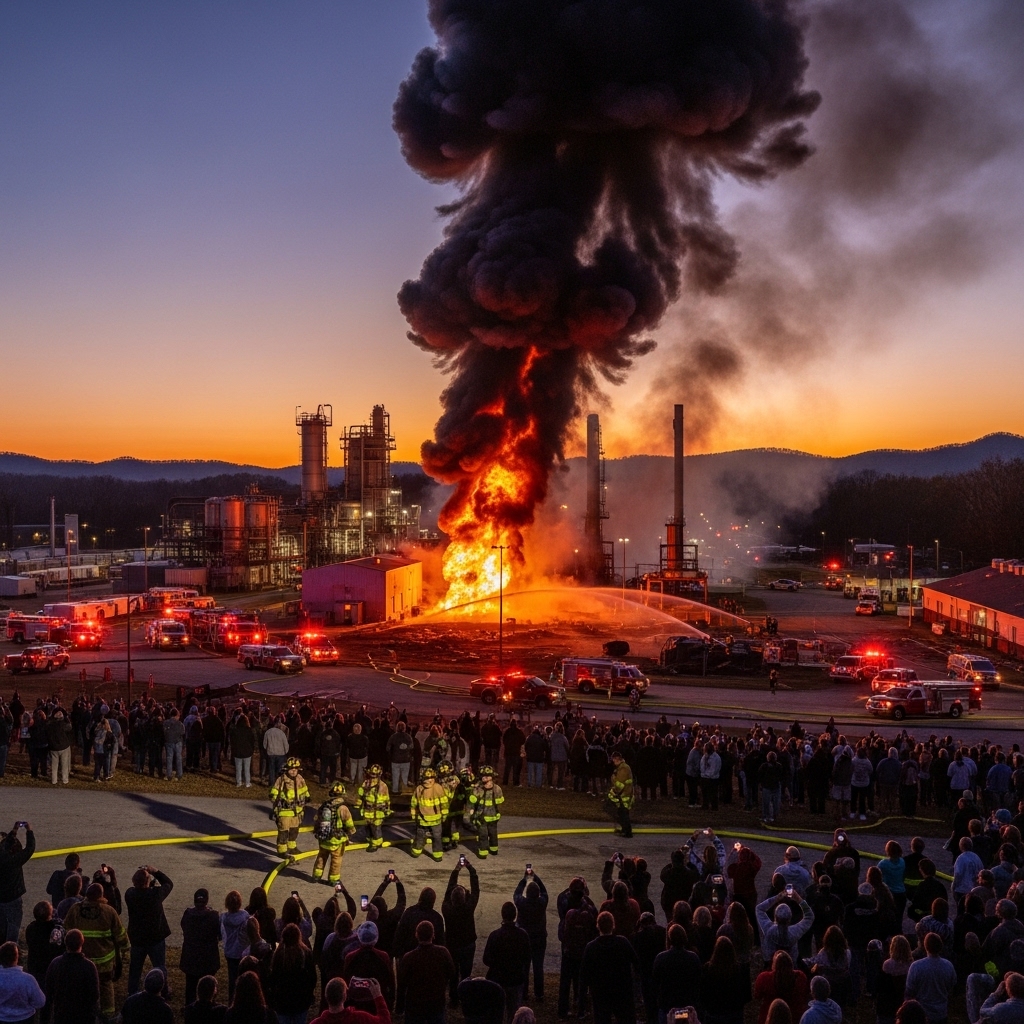
On a seemingly ordinary day, the calm of a Tennessee community was shattered by a loud explosion at a manufacturing facility. The blast not only rocked the building but also sent shockwaves through the surrounding neighborhoods. Witnesses described it as an intense and terrifying event, with debris flying and intense flames rising into the sky. I can only imagine the panic that must have swept through the area as people rushed to understand what had just happened.
While the immediate aftermath focused on assessing the damage and ensuring the safety of those nearby, it quickly became clear that this explosion was no accident. Investigations would soon reveal the complexities behind the incident, sparking discussions on safety standards and community preparedness.
Date and Location of the Explosion
The explosion took place on March 30, 2023, at a chemical manufacturing plant located in the outskirts of Nashville, Tennessee. For those familiar with the area, it’s a bustling region, home to various industrial facilities. I learned that the plant had been operational for years, providing jobs and contributing to the local economy. However, the dynamics shifted drastically that day, as the explosion left many questioning the safety of such operations in populated areas.
Immediate Impact on Surrounding Areas
The blast was felt miles away, rattling windows and creating a scene that many residents would never forget. Emergency services were quickly deployed to the site, and a wide perimeter was established to keep the public safe as they assessed the situation. I remember seeing images on the news, showing fire trucks and ambulances lining the streets, with first responders working diligently amid the chaos.
As the dust settled, the initial focus was on evacuating nearby homes and ensuring that no one was trapped in the wreckage. Local schools and businesses were also affected, with many closing their doors in the immediate aftermath to prioritize safety. It was a sobering reminder that industrial accidents can have a ripple effect, impacting lives far beyond the immediate vicinity of the explosion.
Read Interesting article: Is Your Dog Happy These 10 Signs Reveal The Truth
Details of the Explosion
Type of Plant Involved
The facility where the explosion occurred was a chemical manufacturing plant. These types of plants are essential for producing various products, ranging from household items to industrial chemicals. In my experience, I’ve learned that while these plants are crucial for economic growth, they also hold inherent risks due to the materials they handle. The chemicals used in production can be volatile, and any miscalculation can lead to catastrophic events.
At this particular plant, the explosion involved a reaction between certain chemicals that, under specific conditions, can become unstable. I found it alarming to learn just how sensitive these reactions can be, and it made me reflect on the importance of stringent safety protocols in such environments. It’s essential for workers to be trained and for safety measures to be in place to mitigate these risks.
Causal Factors Leading to the Explosion
Investigations into the explosion revealed several potential causal factors. Initial reports indicated that there had been maintenance issues leading up to the blast, specifically related to the machinery used in the production process. It was interesting to see how critical regular maintenance and checks are to the operation of these facilities. I’ve seen firsthand how neglecting equipment can lead to significant problems, and in this case, it had devastating consequences.
Additionally, there were questions about whether proper safety protocols were followed. As I delved deeper into the situation, I found that many safety regulations exist to prevent such incidents, but compliance can sometimes be overlooked in the pursuit of productivity. This incident served as a stark reminder of the importance of prioritizing safety over efficiency in industrial settings.
Emergency Response and Evacuations
The emergency response to the explosion was commendable, with local fire departments and law enforcement acting swiftly to contain the situation. I remember hearing stories of first responders who rushed into potentially dangerous situations to help evacuate workers and secure the area. Their bravery and quick thinking played a crucial role in minimizing the impact of the explosion.
Evacuations were conducted promptly, with emergency services going door-to-door in nearby neighborhoods to ensure everyone was safe. It was heartwarming to see the community come together, with neighbors checking on each other and providing support during such a distressing time. I believe it’s moments like these that highlight the strength and resilience of a community faced with adversity.
As the situation began to stabilize, investigators and safety officials worked diligently to assess the damage and determine the next steps. The focus was not only on addressing the immediate crisis but also on learning from the incident to prevent future occurrences. It’s crucial for communities to be prepared and aware of the risks associated with industrial operations, and I think this incident will serve as a pivotal moment for discussions around safety and regulation in the region.
Impact on the Community
Casualties and Injuries
As the dust settled from the explosion, the grim reality of the situation started to unfold. I remember hearing the reports about the casualties, and my heart sank. It was confirmed that several individuals were injured, with a handful suffering from severe burns and trauma. I can’t help but think about the toll this took not just on those directly affected but on their families and friends as well. Each injury represents a person with a story, a life disrupted by this tragedy.
Local hospitals quickly became overwhelmed as the injured were transported for treatment. The medical staff’s response was nothing short of heroic—I learned that they had to quickly adapt and prepare for an influx of patients. It was a stark reminder of the fragility of life and how quickly everything can change. In our discussions with community members, many expressed deep concern for their neighbors and friends who were hurt, highlighting the tight-knit nature of this community where everyone looks out for one another.
Property Damage and Environmental Concerns
The explosion did not just result in injuries; it also caused extensive property damage. I was shocked to learn how far-reaching the impact was. Homes and businesses in the vicinity bore the brunt of the blast, with windows shattered and roofs damaged. Many families found themselves displaced, grappling with the uncertainty of what comes next. I can only imagine the stress and anxiety of trying to navigate insurance claims and repairs while dealing with the emotional fallout from such a traumatic event.
Beyond immediate property damage, there were serious environmental concerns as well. Chemicals from the plant were released into the air and surrounding areas, raising alarms about potential long-term effects on health and safety. I remember reading about the community’s worries regarding water contamination and air quality, which are valid concerns that require thorough investigation. It’s moments like these that remind us of the delicate balance between industrial operations and environmental stewardship.
Long-Term Effects on Local Residents
As time passed, I began to reflect on the long-term effects this incident could have on the local residents. The emotional and psychological impact of such a traumatic experience can linger long after the physical scars heal. Many people in the community are likely to face anxiety and fear, particularly those who were directly affected or witnessed the explosion. I’ve seen how traumatic events can reshape a community’s collective psyche, leaving behind a sense of vulnerability and mistrust.
Additionally, there’s the economic impact to consider. With businesses closed and families dealing with the aftermath, the local economy could take a significant hit. I noticed that some residents were concerned about job security and the potential for businesses to shut down permanently. The loss of jobs can create a ripple effect, affecting not only those directly employed by closed businesses but also the broader community that relies on their economic contributions.
As we continue to monitor the situation, I believe it’s vital for community leaders and local authorities to provide support and resources to those affected. Mental health services, financial assistance, and community engagement can help foster recovery and resilience in the face of adversity. I feel strongly that by coming together, the community can begin to heal and rebuild, turning this tragic event into an opportunity for growth and change.
Authorities’ Response and Investigation
Government and Regulatory Agency Involvement
In the wake of the explosion, government and regulatory agencies quickly got involved to assess the situation and ensure that proper protocols were followed. I was struck by how swiftly officials responded, recognizing the need for transparency and accountability. The Occupational Safety and Health Administration (OSHA) launched an investigation to determine what went wrong and whether safety regulations had been violated.
Local government officials also held press conferences to keep the public informed. I appreciated their efforts to communicate openly with the community, addressing concerns and discussing the steps being taken to ensure safety moving forward. It was reassuring to see leaders stepping up, reinforcing the importance of safety in industrial settings.
Investigation Findings and Updates
As the investigation progressed, updates began to emerge, shedding light on the causes behind the explosion. I found it fascinating—and a bit alarming—to learn about the various factors that contributed to this incident. Reports indicated that not only were maintenance issues at play, but there were also lapses in training for employees regarding safety protocols. It makes me think about how crucial it is for businesses to prioritize ongoing training and education for their staff.
With each new finding, I felt a mix of emotions. On one hand, it was important to uncover the truth to prevent future tragedies. On the other, it was sobering to realize how easily things can go wrong in industrial operations. I hope that the lessons learned from this explosion will lead to meaningful change in safety practices across the industry, ensuring that no community has to face a similar disaster in the future.
Safety Measures Implemented Post-Incident
In response to the explosion, many immediate safety measures were implemented at the plant and in surrounding areas. I learned that the facility temporarily ceased operations to allow for thorough safety evaluations and training programs to be developed. This pause, while difficult for workers and the local economy, was a necessary step toward ensuring that such an incident wouldn’t happen again.
Moreover, increased inspections and oversight have been put in place to monitor compliance with safety regulations. I find it encouraging to see a commitment to improving safety standards, as it’s clear that communities deserve to feel secure in their environment. I believe that ongoing dialogue between the community, industry leaders, and regulatory agencies is essential to foster trust and collaboration moving forward.
Public Reaction and Media Coverage
Local Community Response
In the days following the explosion, the local community came together in ways that truly touched my heart. I noticed how neighbors rallied to support one another, offering help wherever they could. It was inspiring to witness the resilience of the people affected by this tragedy. Many families organized donation drives to support those who had lost everything, while others volunteered to help with cleanup efforts in the hardest-hit areas. I remember feeling a sense of hope amidst the chaos, seeing how a community can unite in times of crisis.
Public meetings were held where residents could express their concerns and ask questions. I found it important that community leaders took the time to listen to their constituents. It created a space for dialogue where people felt heard and valued. There were discussions about safety, mental health resources, and how to rebuild trust in the local industries. I think these conversations are vital for healing and moving forward. The community’s determination to ensure that such an incident wouldn’t be repeated speaks volumes about their strength.
Media Reports and Public Awareness
The media coverage surrounding the explosion was extensive, and it played a significant role in raising public awareness about industrial safety issues. I found myself glued to the news, wanting to learn more about what had happened and how it would affect the community. Reporters provided updates on the situation, detailing the emergency response as well as the ongoing investigations. I appreciated how they highlighted not just the facts, but also the human stories behind the incident—those who were affected, their struggles, and their hopes for recovery.
Social media also became a platform for sharing information and rallying support. I saw posts from individuals sharing their experiences and offering support to those in need. It was a reminder of how connected we are, especially in times of tragedy. The conversations that erupted online brought attention to the importance of safety regulations in industrial settings, and I think that awareness can drive change in the future. As people became more informed, they began to demand accountability, not just from the plant involved but from all industrial operators in the region.
Some media outlets took the opportunity to explore the broader implications of such incidents. They discussed the balance between economic growth and safety, shining a light on the fact that while industries are crucial for job creation, they must also prioritize community wellbeing. I believe these discussions are essential for fostering a culture of safety that holds both companies and regulatory agencies accountable.
Similar Incidents and Safety Regulations
Historical Context: Previous Explosions in the Area
As I learned more about the explosion in Tennessee, I couldn’t help but look into the history of industrial accidents in the area. It was a bit alarming to discover that this wasn’t the first incident of its kind. Previous explosions and chemical spills have occurred, raising questions about the safety protocols in place at these facilities. It made me reflect on how often communities face similar threats and how crucial it is to learn from past mistakes.
In my research, I found that many of the previous incidents had resulted in injuries and property damage, yet it seemed like lessons had not always been fully integrated into safety practices. I believe this highlights a critical need for ongoing training and robust safety measures in industrial operations. The past cannot be changed, but it can inform the future, and I hope this incident will serve as a wake-up call for all stakeholders involved.
Overview of Safety Regulations for Industrial Plants
Safety regulations for industrial plants have been established to protect workers and communities alike, yet the compliance with these regulations can vary greatly. I think it’s essential for everyone to understand that these regulations exist for a reason. They are designed to mitigate risks associated with hazardous materials and ensure that facilities operate safely. After this explosion, I felt a renewed urgency to advocate for stronger enforcement of existing regulations and the introduction of new measures that can better safeguard our communities.
In the U.S., agencies like the Environmental Protection Agency (EPA) and OSHA set standards for safety practices in industrial settings. Yet, the effectiveness of these regulations often depends on proper implementation and oversight. I believe that both governmental agencies and companies must work together to create a culture of safety that prioritizes community health and well-being over profits. Effective oversight and compliance checks can help ensure that safety measures are not just on paper but are actively practiced.
Best Practices for Preventing Future Incidents
Reflecting on the events in Tennessee and similar incidents, I think there are several best practices that industries should adopt to prevent future explosions and accidents. First and foremost, regular maintenance and safety training for employees cannot be overstated. I’ve seen the difference it makes when workers are well-informed and prepared. They should be equipped to recognize hazards and respond effectively in emergencies.
Additionally, I believe that fostering open communication between employees and management is crucial. When workers feel comfortable reporting concerns, potential issues can be addressed before they escalate into disasters. I’ve noticed that creating a culture of safety is not just about following rules; it’s about making safety a shared responsibility among all staff members.
Lastly, I think community involvement is key. Industries should engage with local residents, informing them about safety protocols and emergency response plans. This transparency fosters trust and allows communities to feel more secure. As we reflect on the explosion in Tennessee, it is my hope that we can learn valuable lessons that will lead to safer practices in industrial operations everywhere.
Frequently Asked Questions
What happened during the plant explosion in Tennessee?
The explosion occurred at a manufacturing facility, causing significant damage and raising safety concerns in the area. Witnesses described it as an intense event with debris flying and flames rising into the sky.
When and where did the explosion take place?
The explosion took place on March 30, 2023, at a chemical manufacturing plant located in the outskirts of Nashville, Tennessee.
What type of plant was involved in the explosion?
The facility where the explosion occurred was a chemical manufacturing plant, which produces various products, including household items and industrial chemicals.
What were the causal factors leading to the explosion?
Investigations revealed maintenance issues related to the machinery and potential lapses in following proper safety protocols as critical factors leading to the explosion.
How did emergency services respond to the explosion?
Emergency services were quickly deployed to contain the situation, evacuating nearby homes and ensuring no one was trapped in the wreckage. Local fire departments and law enforcement acted swiftly to manage the crisis.
What was the impact of the explosion on the community?
The explosion resulted in several injuries, including severe burns and trauma, and caused extensive property damage, displacing families and raising environmental concerns regarding air and water quality.
What role did government and regulatory agencies play after the explosion?
Government and regulatory agencies, including OSHA, quickly got involved to assess the situation and investigate whether safety regulations had been violated, ensuring transparency and accountability.
What safety measures were implemented following the incident?
In response to the explosion, the facility temporarily ceased operations for safety evaluations, and increased inspections and oversight were instituted to monitor compliance with safety regulations.
How did the local community react after the explosion?
The local community came together to support one another through donation drives and cleanup efforts. Public meetings were held to address concerns and foster dialogue about safety and rebuilding trust.
What are some best practices suggested for preventing future incidents?
Best practices include regular maintenance and safety training for employees, fostering open communication between staff and management, and engaging with local residents to inform them about safety protocols and emergency plans.