
The plant that yields mezcal is primarily the agave plant, with various species used depending on the type of mezcal. My fascination with mezcal began when I learned about the different agave varieties and their unique contributions to this beloved spirit.
Understanding Mezcal: A Comprehensive Overview
What is Mezcal?
Mezcal is a distilled alcoholic beverage made from the agave plant, primarily in Mexico. It’s known for its smoky flavor, which comes from the traditional method of cooking the agave hearts in underground pits. I have to say, sipping mezcal is like taking a journey through the landscapes of Mexico, with each sip telling a story of its origin. Read Interesting article: Black Gum Tree Growth Rate for Wetland Planting Zones
History of Mezcal Production
The history of mezcal is rich and deeply intertwined with Mexican culture. It dates back hundreds of years, with roots in pre-Hispanic times when indigenous peoples began fermenting the agave plant. I remember visiting a mezcaleria and learning from a local producer about how mezcal was often used in rituals and celebrations. This cultural significance adds another layer of appreciation when enjoying a glass. Over the centuries, production techniques evolved, but the essence of mezcal remains deeply traditional.
Difference Between Mezcal and Tequila
Many people often confuse mezcal with tequila, but they are distinct spirits. While tequila is made exclusively from the blue agave plant and produced in specific regions, mezcal can be made from many types of agave and is produced across several states in Mexico. I learned this difference during a mezcal tasting where the variety of flavors and aromas blew my mind. Tequila tends to have a smoother, more straightforward profile, while mezcal presents a complexity that reflects its diverse ingredients and production methods. For me, the range of flavors in mezcal makes it a more exciting choice for tasting.
The Agave Plant: The Key Ingredient in Mezcal
What is Agave?
Agave is a succulent plant native to the hot and arid regions of Mexico and the southwestern United States. There are over 200 species of agave, but only a handful are used for mezcal production. I find it fascinating how each species has its own growing conditions, flavors, and characteristics that contribute to the final product. The heart of the agave plant, known as the piña, is where the magic begins—this is what is harvested and cooked to create mezcal.
Types of Agave Used for Mezcal
When I first delved into the world of mezcal, I was surprised by the variety of agave types used in its production. Each type brings its own unique flavor profile and characteristics, creating a diverse drinking experience. Here are some of the most common agave varieties used in mezcal:
Agave Espadin
Agave Espadin is the most widely used agave for mezcal, accounting for around 90% of production. It has a balanced flavor with earthy and sweet notes, making it a favorite among many mezcal drinkers. I find that Espadin mezcal tends to be approachable for those new to this spirit, giving them a good introduction to mezcal’s unique qualities.
Agave Tobala
Tobala is often considered the “wild” agave and is prized for its complex and fruity flavor profile. It’s smaller and takes longer to grow, making it less common and often more expensive. I remember trying a Tobala mezcal during a tasting and being blown away by its rich, floral notes. It’s definitely a treat for anyone looking to explore the deeper nuances of mezcal.
Agave Madrecuixe
Madrecuixe is another intriguing variety, known for its unique earthy and herbal flavors. It has a fibrous structure that contributes to its complex taste. I love how each sip of Madrecuixe mezcal feels like a connection to the rugged terrain where it grows. It’s a great choice for those who enjoy a more adventurous flavor experience.
Agave Karwinskii
Karwinskii is a type of agave that yields a mezcal with a distinctive, almost smoky flavor. Its unique profile comes from the fact that it has a more fibrous core, which can lead to a more intense taste during the distillation process. I discovered this variety at a local mezcal festival, and it opened my eyes to how different agave types can significantly alter the final product.
Agave Tequilana
While primarily associated with tequila, Agave Tequilana can also be used for mezcal. It’s known for its sweet and crisp flavor, often resulting in a much lighter mezcal. I’ve sampled a mezcal made from Tequilana, and it felt like a delightful twist on the traditional mezcal experience. This versatility is one of the things I love about mezcal; there’s always something new to discover.
Agave Cultivation: How is Agave Grown?
Growing Conditions for Agave
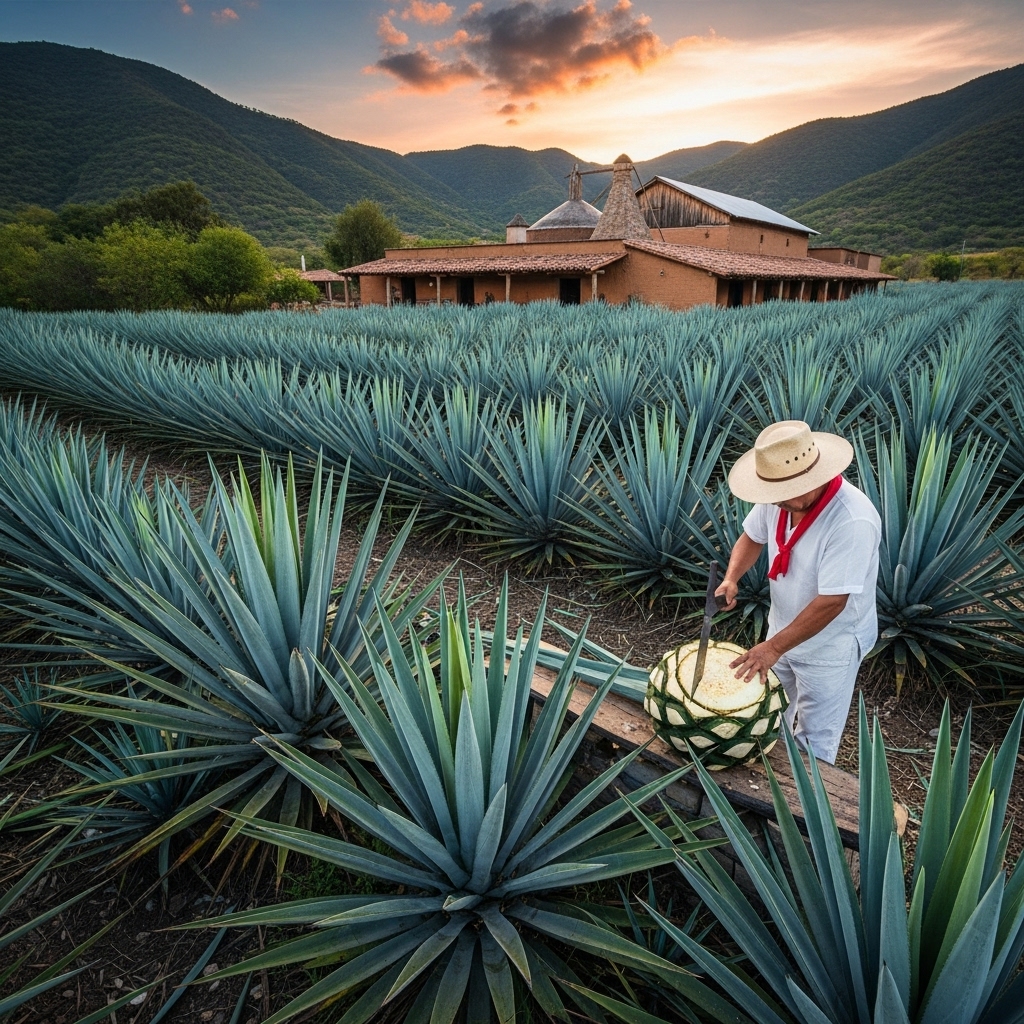
Agave plants thrive in dry, warm climates, typically found in regions like Oaxaca, which is famous for its mezcal production. They require well-draining soil and lots of sunshine, which made it interesting for me to learn about how geography impacts flavor. I visited an agave farm once, and it was amazing to see how the landscape shapes the growth of the plants and, consequently, the mezcal produced. Each location offers a unique terroir that influences the flavor of the final spirit.
Harvesting Agave: The Jima Process
The process of harvesting agave is called “jima,” which is a labor-intensive task carried out by skilled workers known as “jimadores.” They use a tool called a “coa” to carefully cut the leaves away from the piña. I’ve seen videos of this process, and it’s incredible to watch how much skill and tradition goes into each cut. The jima is not just a physical act; it’s an art form that connects the worker to the land and their heritage.
Age of Agave Plants at Harvest
Agave plants usually take anywhere from 7 to 30 years to mature before they are ready for harvest. The age of the plant significantly affects the flavor profile of the mezcal. I’ve learned that younger agave tends to produce lighter and more floral spirits, while older agave can yield richer and more complex flavors. This long maturation process adds to the allure of mezcal, as every bottle represents years of growth and care.
The Mezcal Production Process
Traditional vs. Modern Methods
The journey from agave plant to mezcal bottle involves a fascinating production process, and it often reflects the traditions of the region where it’s made. I’ve seen some distilleries sticking to traditional methods that have been passed down for generations, while others adopt modern techniques to scale production. Traditional methods, like using clay stills and cooking the piñas in earthen pits, result in a mezcal that’s rich in flavor and character. On the other hand, modern methods may involve stainless steel tanks and column stills, aiming for efficiency and consistency. Personally, I find the traditional methods to be more compelling. There’s a certain magic in the artisanal approach, where every step is done with care, honoring the history of mezcal.
Cooking Agave: Techniques and Equipment
The first step in the production process is cooking the agave, and this is where the unique smoky flavor of mezcal begins to develop. Traditional mezcaleros (mezcal producers) usually cook the piñas in underground pits lined with stones, where they’re covered with agave leaves and earth. I remember visiting a mezcal distillery where I got to see this firsthand. The smell of the cooked agave wafting through the air was intoxicating. The underground cooking process caramelizes the natural sugars in the piñas, resulting in a depth of flavor that’s hard to replicate. Conversely, some producers use autoclaves or above-ground ovens for a quicker cooking method. While these modern techniques can produce mezcal faster, I think they sometimes miss the complex flavors that come from traditional cooking methods.
Fermentation and Distillation
After cooking, the next step is fermentation, which transforms the sugars into alcohol. This is often done in wooden or stainless steel tanks, depending on the producer’s style. I’ve learned that some artisanal mezcaleros even use wild yeasts for fermentation, adding another layer of complexity to the flavor profile. Watching the fermentation process is fascinating; the bubbling and fizzing as the agave juices ferment feels almost alive. Once fermentation is complete, the mixture is distilled, usually twice, in pot stills. The first distillation, or “destilación,” separates the alcohol from the solids, and the second distillation refines the spirit to achieve a higher alcohol content and desired flavor. Each distillation is a chance for the mezcalero to make crucial decisions that will impact the final product.
Types of Mezcal Based on Production Methods
Mezcal can be categorized based on how it’s produced, leading to different styles and flavors. For example, “Mezcal Artesanal” is made using traditional methods, while “Mezcal Ancestral” adheres to even stricter standards, emphasizing the use of natural materials and methods without modern machinery. I’ve had the pleasure of tasting both types, and the difference is palpable. The artisanal mezcals often have a more rustic, robust character, while ancestral mezcals carry the weight of tradition and history in each sip. I find it incredibly rewarding to explore these differences, as they tell stories of the land, the people, and the age-old practices that define mezcal.
Flavor Profiles of Mezcal
How Agave Variety Affects Flavor
As I’ve mentioned, the variety of agave used in mezcal production plays a huge role in its flavor profile. Each agave species brings its own unique characteristics, which can range from sweet and floral to earthy and smoky. For instance, mezcal made from Agave Espadin tends to be more balanced and approachable, while varieties like Tobala offer a more complex and fruity experience. I’ve enjoyed hosting tastings where I compare different agave varieties side by side; it’s a great way to understand how each one influences the final spirit. I think this exploration of flavors is one of the most exciting parts of drinking mezcal.
Impact of Terroir on Mezcal Flavor
Just like wine, the concept of terroir applies to mezcal, meaning that the location where the agave is grown can influence its flavor. Factors like the soil composition, climate, and altitude all contribute to the unique character of the mezcal. I remember tasting a mezcal from a high-altitude region, and it had a brightness I hadn’t experienced before. The minerality of the soil shone through, creating a refreshing finish. It’s incredible to think that the same agave plant can taste entirely different based on where it’s cultivated. This diversity keeps me coming back for more, always eager to see what new flavors I can discover.
Common Flavor Notes in Mezcal
When it comes to flavor notes, mezcal can be a complex tapestry of tastes. Common notes I’ve encountered include smoke, earthiness, fruitiness, and even floral or herbal hints. I often find myself taking a moment to savor each sip, trying to identify the different flavors dancing on my palate. Some mezcals have a pronounced smoky quality, while others might surprise you with a burst of citrus or tropical fruit. I think this range of flavors is what makes mezcal so versatile for pairing with food or enjoying on its own. Whether you’re sipping it neat or using it in a cocktail, the flavor possibilities are endless, and that makes every tasting an adventure.
Mezcal Regulations and Certifications
Denomination of Origin
Understanding the regulations surrounding mezcal can feel a bit like diving into a maze, but it’s essential for appreciating this spirit. Mezcal has a Denomination of Origin (DO) status, which means it can only be produced in certain regions of Mexico, primarily Oaxaca, but also in a few other states like Durango, Guerrero, San Luis Potosí, and Zacatecas. I remember the first time I learned about the DO; it opened my eyes to the importance of location in the production of mezcal. The regulations ensure that each bottle reflects the specific qualities of its terroir, much like fine wines. This means that if you see a mezcal labeled with its DO, you can trust that it adheres to strict guidelines regarding production methods and agave types used.
Mezcal Certification and Labeling
When I started exploring mezcal, I quickly realized that not all bottles are created equal. The mezcal certification process is designed to help consumers identify high-quality products. There are three primary labels you might encounter: “Mezcal,” “Mezcal Artesanal,” and “Mezcal Ancestral.” Each designation signifies a different production method and adherence to traditional practices. For example, “Mezcal Artesanal” must be produced using traditional techniques and can include the use of modern methods to some extent, while “Mezcal Ancestral” is made using only traditional methods without any modern technology. I find it fascinating how these labels can guide my choices, ensuring that I’m enjoying a product that aligns with my appreciation for authenticity and craft.
Additionally, some brands go the extra mile to highlight their commitment to quality and sustainability. Look for certifications or explanations on the label regarding how the agave was grown and the practices used during production. These insights often enhance my experience, connecting me more deeply to the spirit in my glass. When I pick up a bottle of mezcal, knowing its journey from agave plant to my palate adds to the enjoyment. Read Interesting article: Are Snake Plants Toxic to Dogs? Symptoms + Treatment
Popular Mezcal Brands
Top Artisanal Brands
As I ventured further into the mezcal world, I discovered a plethora of artisanal brands, each telling its own unique story through its spirit. One of my favorites is Del Maguey. Their commitment to single-village mezcal production means that each bottle showcases the distinct characteristics of its origin. I remember tasting their Vida mezcal for the first time—its smokiness coupled with fruity notes made it an instant hit for me.
Another brand that stands out is Los Amantes. I had the pleasure of visiting their distillery, where I saw firsthand the care they put into every aspect of production. Their mezcal has a beautiful balance of flavors, and I found their Joven variety particularly delightful. It’s refreshing and offers a wonderful introduction to what mezcal has to offer.
Lastly, I can’t forget to mention Ilegal Mezcal. This brand not only has a rich flavor profile but also a compelling backstory. I love how Ilegal was born from a passion for the craft, and their commitment to social responsibility makes every sip feel like a step toward supporting the community. Their Reposado is a lovely choice—it’s aged just enough to add complexity while still maintaining that signature mezcal character.
Mass-Produced Mezcal Brands
While I have a soft spot for artisanal brands, I’ve also explored some mass-produced options that can be found in many liquor stores. One brand that often comes up is Monte Alban. It’s widely available and provides a nice entry point for those new to mezcal. I remember introducing a friend to mezcal with Monte Alban, and it served as a great way to ease into the spirit’s distinct flavors.
Another notable mention is Espolon, which has gained popularity not only for its quality but also for its vibrant packaging and branding. It’s a fun choice for cocktails, and I’ve often used it in mezcal margaritas, where its bright flavors shine through.
Though mass-produced mezcals can sometimes lack the depth of artisanal offerings, they play an essential role in introducing this beautiful spirit to a broader audience. Over time, I’ve found that even these brands can offer moments of surprise and enjoyment, making mezcal accessible to all. Read Interesting article: What Is a Nettle Plant? Identification + Uses
Frequently Asked Questions
What is mezcal?
Mezcal is a distilled alcoholic beverage made from the agave plant, primarily in Mexico, known for its smoky flavor that results from cooking the agave hearts in underground pits.
What distinguishes mezcal from tequila?
Mezcal differs from tequila in that it can be made from various types of agave and produced in multiple regions of Mexico, whereas tequila is exclusively made from the blue agave plant and produced in specific areas.
What types of agave are commonly used for mezcal?
Some common agave varieties used in mezcal production include Agave Espadin, Agave Tobala, Agave Madrecuixe, Agave Karwinskii, and Agave Tequilana, each contributing unique flavors and characteristics.
How long does it take for agave plants to mature before harvest?
Agave plants typically take between 7 to 30 years to mature before they can be harvested, with the age of the plant significantly affecting the flavor profile of the mezcal produced.
What is the jima process?
The jima process refers to the labor-intensive harvesting of agave, where skilled workers known as jimadores use a tool called a coa to cut the leaves away from the piña.
What are the traditional cooking methods for agave in mezcal production?
Traditional cooking methods involve using underground pits lined with stones, where the piñas are covered with agave leaves and earth, allowing the natural sugars to caramelize and develop a smoky flavor.
What is the difference between “Mezcal Artesanal” and “Mezcal Ancestral”?
“Mezcal Artesanal” is produced using traditional techniques but may include some modern methods, while “Mezcal Ancestral” adheres strictly to traditional methods without modern technology.
What role does terroir play in the flavor of mezcal?
Terroir, similar to wine, affects mezcal flavor as the location where the agave is grown influences its character, including soil composition, climate, and altitude.
What are some popular brands of mezcal?
Popular artisanal mezcal brands include Del Maguey, Los Amantes, and Ilegal Mezcal, while mass-produced options like Monte Alban and Espolon are widely available and serve as good introductions to mezcal.
How does the agave variety affect the flavor profile of mezcal?
The variety of agave significantly impacts the flavor profile of mezcal, with different species offering a range of tastes from sweet and floral to earthy and smoky.