
You can find your hardiness zone by using the USDA Plant Hardiness Zone Map, which divides the U.S. into zones based on the average annual minimum winter temperature. Understanding your zone helps you choose the right plants for your garden.
Table of Contents
Understanding Plant Hardiness Zones
Definition of Plant Hardiness Zones
When I first heard the term “plant hardiness zone,” I was a bit confused. It sounded scientific and serious, but it’s really just a way to categorize different regions based on climate. Essentially, the USDA Plant Hardiness Zone Map divides the United States into various zones, each representing a range of temperatures that plants can tolerate. The map runs from Zone 1, the coldest, to Zone 13, the warmest, and each zone is separated by a difference of 10°F in average minimum winter temperatures. This means that if you’re in Zone 5, for instance, your area is generally expected to experience winter temperatures between -20°F and -10°F.
Importance of Knowing Your Hardiness Zone
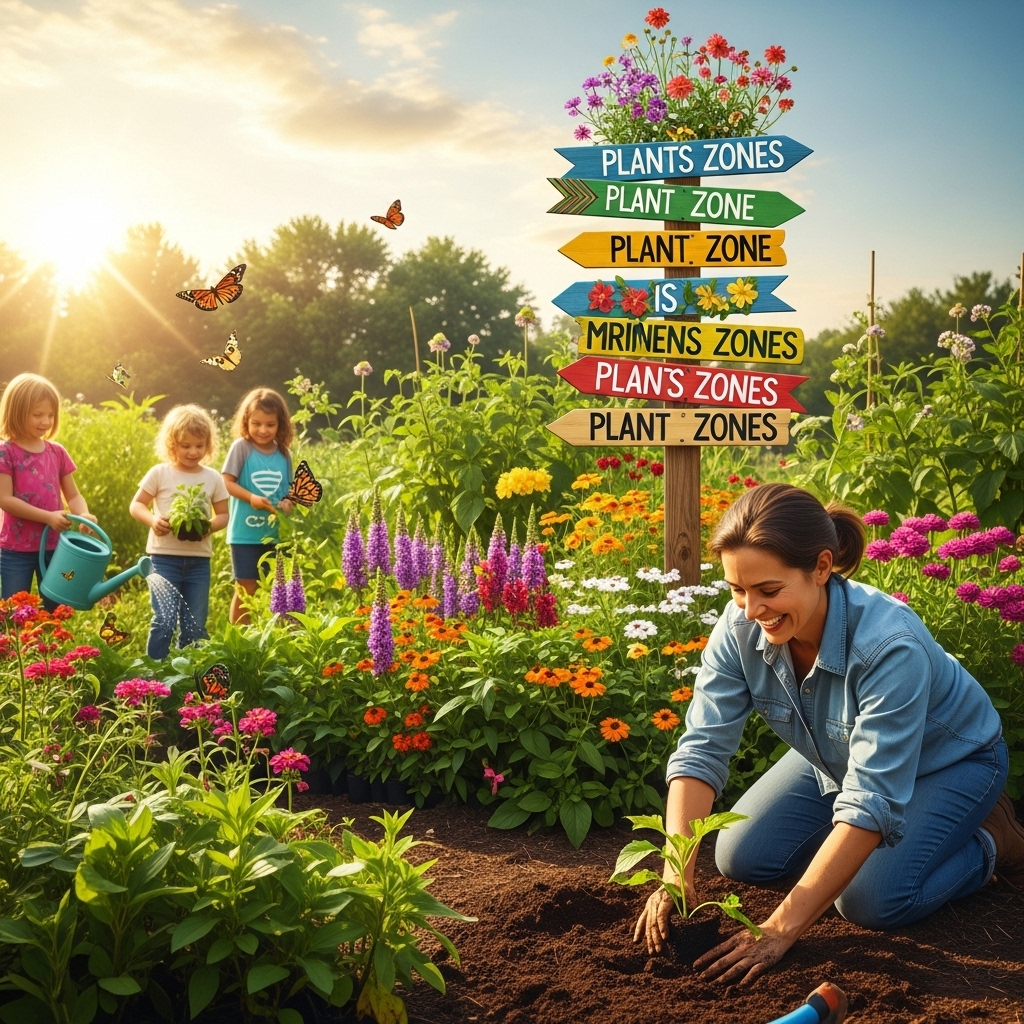
Understanding your hardiness zone is crucial if you’re serious about gardening or landscaping. I used to pick plants just based on their pretty flowers or intriguing foliage, but I learned the hard way that not all plants are created equal when it comes to surviving the winter. By knowing my zone, I can select plants that will thrive in my local climate, reducing the risk of losing them to frost or extreme temperatures. This knowledge can save you time, money, and a lot of heartache. Plus, it gives you the chance to grow a vibrant garden that flourishes year-round.
How to Determine Your Hardiness Zone
Using the USDA Plant Hardiness Zone Map
The USDA Plant Hardiness Zone Map is the most reliable resource for determining your hardiness zone. I found it pretty straightforward to use; all you need is your zip code. Simply visit the USDA website, and you’ll find an interactive map that allows you to hover over your area to see your specific zone. I remember the excitement I felt when I discovered that my garden was in Zone 7! This simple tool has been invaluable for making informed choices about what to plant.
Local Climate Factors Affecting Hardiness
While the USDA map is a great starting point, local climate factors can also significantly impact your hardiness zone. Even within the same zone, microclimates can exist. For example, if you live in a valley, you may experience colder temperatures than someone living on a nearby hill. I also noticed that urban areas tend to be warmer due to heat retention from buildings and roads, creating what we call an “urban heat island.” Factors like elevation, proximity to water bodies, and local wind patterns can all influence plant survival. It’s worth taking note of these local variations when planning your garden.
Online Tools and Resources for Zone Identification
Besides the USDA map, there are plenty of online resources to help you find your hardiness zone. Websites like the Arbor Day Foundation and local agricultural extensions offer tools that can give you more detailed insights. I often use gardening apps that allow you to input your location and find not only your hardiness zone but also recommendations for plants specific to your area. These tools help me stay organized and make informed decisions about my gardening plans. Additionally, you can check out articles like When to Plant Tomatoes for the Best Harvest for seasonal planting advice.
Factors Influencing Plant Growth in Different Zones
Temperature Ranges
Temperature is the most obvious factor in determining what plants will thrive in your area. Each plant has its preferred temperature range, and knowing your zone helps ensure that you choose plants that can handle the temperatures of your region. I remember when I first planted a delicate flower that wasn’t suited for my zone. After a harsh winter, I was left with nothing but wilted leaves! Understanding temperature ranges can save you from that disappointment.
Precipitation Levels
Another factor to consider is how much rain your area receives throughout the year. Some plants thrive in wet conditions, while others prefer drier climates. I learned this the hard way when I planted a moisture-loving species in a dry area of my garden. It struggled to survive, and I had to keep watering it just to keep it alive. By checking local precipitation patterns, you can ensure you’re planting species that match the water availability in your area.
Soil Type and Quality
The type of soil you have is equally important. Different plants have different soil preferences, whether it’s sandy, clay, or loamy soil. For instance, I was thrilled to plant a vegetable garden in my backyard, but I quickly discovered my soil was mostly clay! It took a lot of amendments to make it suitable for growing. Testing your soil can provide insights into its pH and nutrient content, helping you choose plants that will not only survive but thrive.
Sunlight Exposure
Lastly, sunlight exposure plays a huge role in plant growth. Some plants need full sun to flourish, while others do better in partial shade. I’ve learned to observe how much sunlight different parts of my garden receive throughout the day. This understanding helps me position my plants correctly. I once planted sun-loving flowers in a shady corner, and while they tried their best, they just couldn’t bloom as beautifully as they would have in a sunnier spot.
Common Plant Hardiness Zones in the U.S.
Zone 3: Cold Regions
Zone 3 is one of the coldest zones in the U.S., where temperatures can dip as low as -40°F. I remember visiting friends in the northern states and being amazed at how resilient their gardens were. Plants like the Arctic Willow and certain types of evergreens thrive here, and I was fascinated by their ability to withstand such harsh conditions. If you’re in Zone 3, you’ll want to look for hardy perennials and shrubs that can handle the frost. In my experience, it’s essential to choose plants that have shorter growing seasons and can survive the bitter cold.
Zone 4: Cold to Mild Regions
In Zone 4, winter temperatures can range from -30°F to -20°F. I’ve seen beautiful gardens in this zone that feature a mix of flowering plants and hardy vegetables. Some favorites include peonies and columbines, which add a splash of color to the landscape even in cooler months. I remember when I tried growing a few annuals in this zone; I quickly learned that I needed to select varieties that could handle the chill. It’s a great zone for gardeners who want to experiment with a mix of flowering perennials and cold-tolerant vegetables.
Zone 5: Mild Regions
Zone 5 is often considered the sweet spot for many gardeners, with temperatures ranging from -20°F to -10°F. My own garden is in this zone, and I love the variety of plants I can grow. Everything from lilacs to tomatoes can thrive here. I’ve found that this zone allows for a diverse range of choices, making it a fantastic place for both ornamental and edible plants. When I planted my first vegetable garden here, I was amazed at how well the tomatoes and peppers performed. With the right care, you can have a vibrant garden bursting with life in Zone 5. For tips on seasonal planting, check out Best Time to Plant Hydrangeas: Your Seasonal Planting Guide.
Zone 6: Transition Zones
Zone 6 is often viewed as a transition zone, with winter temperatures ranging from -10°F to 0°F. I’ve noticed that gardeners here can enjoy a broad range of plants, including some that are typically found in warmer climates. This was my experience when I started experimenting with tropical plants that may not survive in colder zones. I had great success with plants like hydrangeas and ornamental grasses. If you’re in Zone 6, you can get creative, mixing both cold-hardy and warmer-climate plants.
Zone 7: Warmer Regions
In Zone 7, winter temperatures fall between 0°F and 10°F, making it a popular zone for gardeners who love warmer-weather plants. I’ve seen some stunning gardens in this area bursting with vibrant colors. Plants like azaleas and camellias thrive here, and I can’t help but admire their beauty. I once visited a garden in this zone that was filled with stunning blooms, and I realized how much variety is available for those living in warmer regions. It’s a joy to explore all the possibilities for lush gardens and bountiful harvests.
Zone 8: Coastal and Southern Areas
Zone 8 is characterized by milder winters, with temperatures ranging from 10°F to 20°F. As someone who loves visiting coastal areas, I’ve always been drawn to the lush landscapes found in this zone. Plants like rosemary and lavender flourish here, and I’ve often found myself inspired to create my own herb garden. The warmer temperatures also allow for a longer growing season, which means you can enjoy a beautiful garden nearly all year round. I’ve made a point to incorporate more herbs and flowering plants into my garden, taking advantage of the mild winters.
Zone 9 and Above: Tropical and Subtropical Zones
Zones 9 and above are where things really start to heat up! With temperatures ranging from 20°F to 30°F and beyond, these zones open the door to a plethora of tropical plants. I’ve always dreamed of having a garden filled with hibiscus and bougainvillea, and people living in these zones can make that dream a reality. The warm climate allows for exotic fruits to be grown right in your backyard. I can only imagine how exciting it must be for gardeners in these zones to have so many options. It’s like a gardener’s paradise!
Choosing Plants for Your Hardiness Zone
Best Plants for Cold Zones
When it comes to cold zones, I can’t stress enough the importance of selecting hardy plants that can brave the chill. In my experience, perennials are a fantastic choice for those living in Zones 3 and 4. Plants like peonies, daylilies, and hostas thrive in these tough conditions. I remember visiting a garden in Zone 3 where the owners had successfully grown a stunning array of coneflowers and black-eyed Susans. These plants not only survived the frigid winters but also added vibrant colors in the summer. If you’re in a cold zone, consider adding evergreens like spruce and pine, which provide year-round structure and beauty to your garden.
Best Plants for Mild Zones
For those of us in mild zones like 5 and 6, the plant options expand significantly. I’ve enjoyed experimenting with a mix of flowering plants, fruits, and vegetables in my Zone 5 garden. Some favorites include lilacs, which bring a delightful fragrance in the spring, and blueberries, which are not only delicious but also beautiful when they bloom. I also discovered that tomatoes and peppers love this climate, and I’ve had great success with them. If you’re in a mild zone, herbs like basil and parsley flourish, and I often find myself planting a variety of these to use in my cooking. The key is to choose plants that can handle occasional temperature fluctuations while still providing plenty of color and utility.
Best Plants for Warm Zones
Living in a warm zone, like 7 or 8, opens up a treasure trove of plant possibilities. I’ve seen gardens in these areas filled with vibrant blooms from hibiscus and azaleas, which seem to thrive in the sunshine. I remember visiting a friend who had a gorgeous garden filled with vibrant lantanas and petunias, making the space feel lively and inviting. If you’re in a warm zone, you should definitely consider planting tropical plants such as cannas or brugmansia. They not only bring exotic flair but also thrive in the heat, and it’s rewarding to see them flourish in your garden. Don’t forget about fruit trees like citrus and figs, which can be a delicious addition to your outdoor space.
Native Plants vs. Non-Native Plants
One of the best gardening lessons I’ve learned is the value of native plants. They’re perfectly adapted to the local climate, soil, and pests, which makes them easier to grow and care for. In my garden, I’ve prioritized native species, and I’ve noticed they require less maintenance and are more resistant to diseases and pests. For example, I planted native wildflowers, and they not only thrived but also attracted local pollinators like bees and butterflies, creating a vibrant ecosystem. Non-native plants can still be beautiful and useful, but it’s essential to do your research to ensure they won’t become invasive or disrupt local wildlife. If you can, try to mix both native and well-suited non-native plants for a balanced and thriving garden.
Seasonal Considerations for Planting
When to Plant in Different Zones
Timing is everything in gardening, and knowing when to plant based on your hardiness zone is crucial. I remember my first year gardening; I planted too early and lost several seedlings to unexpected frost. In colder zones, it’s best to wait until the danger of frost has passed, usually in late spring. I learned the hard way that patience pays off, as waiting a bit longer can help ensure successful growth. In mild zones, you can start planting earlier in the season and even have a longer growing season, which allows for multiple plantings throughout the year. In warm zones, you can often plant year-round, but it’s important to consider the hottest months and ensure your plants are well watered and shaded during extreme heat.
Protecting Plants from Extreme Weather
Extreme weather can be a gardener’s worst nightmare, but with some preparation, we can protect our plants from harm. I’ve faced sudden cold snaps and scorching heat waves, and I’ve learned a few tricks along the way. For cold protection, I often use row covers or mulch to insulate the soil and keep the roots warm. In the summer, I make sure to water deeply and regularly, especially during heat waves. I also discovered that planting in raised beds can help with drainage and prevent overheating. Keeping an eye on the weather forecast is key; if I see a storm coming, I’ll take extra precautions to shield delicate plants. By being proactive about weather changes, I feel more confident that my garden will survive and thrive.
Frequently Asked Questions
What is a plant hardiness zone?
A plant hardiness zone is a categorization based on climate that indicates the average annual minimum winter temperature in a specific area. The USDA Plant Hardiness Zone Map divides the U.S. into zones, ranging from Zone 1 (coldest) to Zone 13 (warmest), with each zone having a difference of 10°F in average minimum winter temperatures.
How can I find my hardiness zone?
You can find your hardiness zone by using the USDA Plant Hardiness Zone Map, which allows you to input your zip code to identify your specific zone. The map can be accessed on the USDA website and is an interactive tool that provides valuable information for gardeners.
Why is it important to know your hardiness zone?
Knowing your hardiness zone is crucial for selecting the right plants that can thrive in your local climate. This knowledge helps reduce the risk of losing plants to frost or extreme temperatures, ultimately saving you time, money, and effort while allowing you to create a vibrant garden.
What local climate factors should I consider when determining my hardiness zone?
Local climate factors such as elevation, proximity to water bodies, urban heat islands, and local wind patterns can impact your hardiness zone. Even within the same zone, microclimates can exist, affecting the temperature and conditions for plant survival.
What types of plants are suitable for cold zones like Zone 3 and 4?
In cold zones like Zone 3 and 4, hardy perennials such as peonies, daylilies, and black-eyed Susans are excellent choices. These plants can withstand harsh winter conditions and provide vibrant colors during the growing season.
What are some good plants for mild zones like Zone 5 and 6?
Mild zones like Zone 5 and 6 allow for a diverse range of plants, including flowering plants like lilacs, fruits such as blueberries, and vegetables like tomatoes and peppers. Herbs like basil and parsley also thrive in these climates.
What plants can flourish in warm zones like Zone 7 and 8?
Warm zones such as Zone 7 and 8 open up possibilities for tropical plants like hibiscus and azaleas. Other options include fruit trees like citrus and figs, as well as vibrant annuals like lantanas and petunias.
What is the advantage of using native plants in gardening?
Native plants are adapted to the local climate, soil, and pests, making them easier to grow and maintain. They typically require less care and are more resistant to diseases and pests, creating a thriving ecosystem in your garden.
When is the best time to plant in different hardiness zones?
In colder zones, it is best to wait until late spring when the danger of frost has passed. Mild zones allow for earlier plantings and a longer growing season, while warm zones can often plant year-round, considering the hottest months for watering and shading needs.
How can I protect my plants from extreme weather?
To protect plants from extreme weather, use row covers or mulch to insulate the soil and keep roots warm during cold snaps. In summer, ensure adequate watering and consider planting in raised beds for better drainage. Monitoring the weather forecast allows you to take proactive measures to shield your plants from adverse conditions.