
Many plants are safe for cats and won’t cause harm if your furry friend decides to nibble on them. Choosing non-toxic plants ensures a safe environment for your pets while adding beauty to your home. For a comprehensive look at which plants to avoid, check out What Plants Are Poisonous to Cats? Full Safety List.
Understanding Cat Toxicity
What Does ‘Non-Toxic’ Mean?
When we talk about plants being ‘non-toxic’ to cats, it means these plants do not contain substances that can harm or poison our feline companions. It’s important to note that while a plant may be non-toxic, it doesn’t mean that it’s necessarily safe for cats to eat in large quantities. I remember one time, I bought a beautiful houseplant thinking it was safe, only to find out later it could cause some mild digestive upset if ingested in excess. So, while non-toxic plants are generally safe, moderation is key.
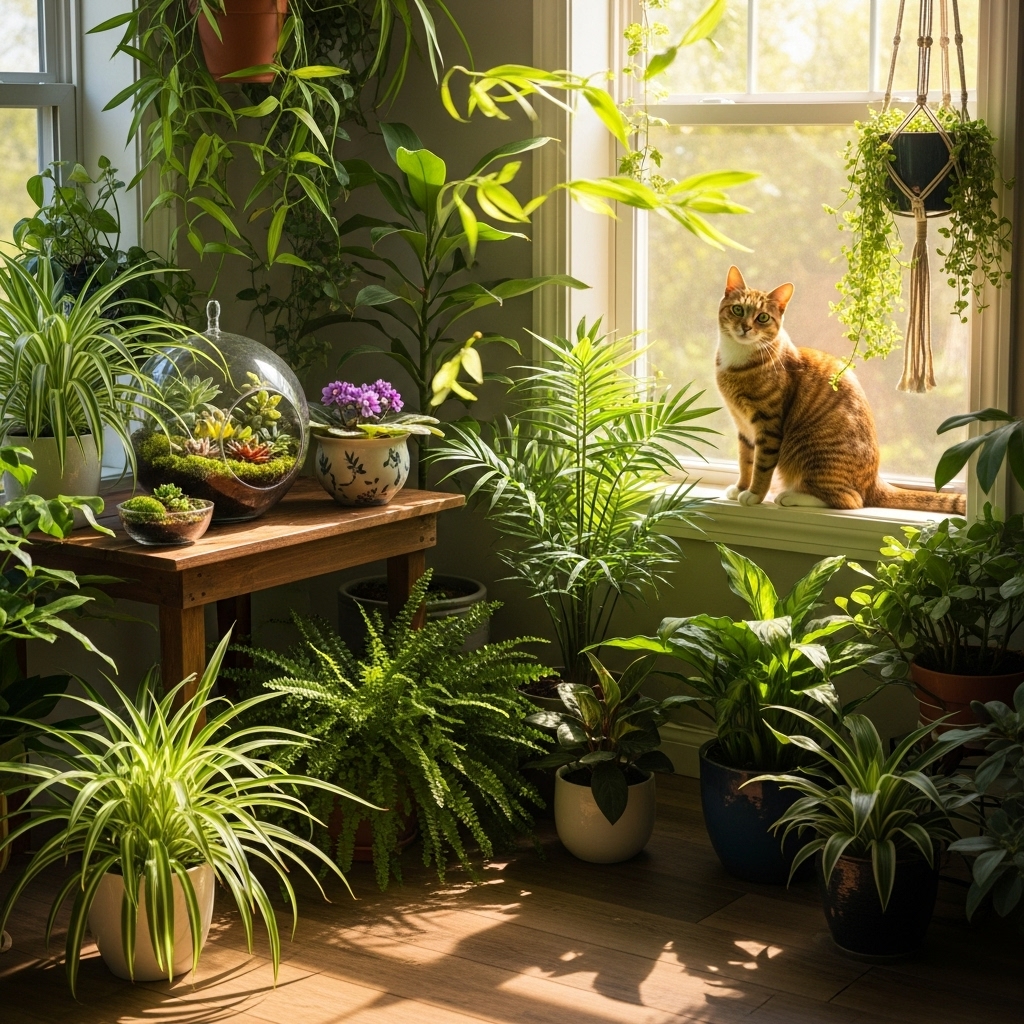
Common Symptoms of Plant Poisoning in Cats
Even with the safest plants, it’s good to be aware of the symptoms of plant poisoning. If a cat eats something harmful, it may show signs such as vomiting, diarrhea, excessive drooling, or lethargy. I once encountered a friend whose cat had chewed on a toxic plant and she noticed her cat acting strangely—less energetic and not eating. It was a wake-up call to the importance of knowing which plants are safe. If you ever notice any of these symptoms and suspect your cat may have ingested something harmful, it’s crucial to reach out to a veterinarian right away.
Why It’s Important to Choose Safe Plants
Choosing non-toxic plants is essential not just for the well-being of our pets but also for our peace of mind. I used to have a lovely collection of indoor plants, but after learning about the dangers of certain species, I felt I needed to rethink my choices. I wanted my home to be a relaxing and safe space for both me and my pets. Having safe plants not only allows my cats to roam freely without worry but also enhances the aesthetic of my home. Plus, knowing that I’m not putting my furry friends at risk gives me a sense of relief. We all want to provide a nurturing environment for our pets, and selecting the right plants plays a big part in that goal. For more information on safe options, you can visit What Plants Are Safe for Cats? Cat-Friendly Plants List.
Safe Plant List for Cats
Indoor Plants
Spider Plant (Chlorophytum comosum)
The Spider Plant is one of my favorites. It’s not only resilient but also very easy to care for. I love how it produces those charming little plantlets that hang down, enticing my cats to bat at them. Plus, if they do nibble on a leaf or two, it won’t harm them. They seem to enjoy the texture, and it’s a fun distraction for them!
Boston Fern (Nephrolepis exaltata)
The Boston Fern has a lush, feathery appearance that can brighten up any space. I’ve found that it prefers a bit of humidity and indirect light, making it perfect for bathrooms or kitchens. My cats love to lounge near it, and I never worry about them getting sick from a quick nibble. It’s a win-win for both the plant and my cats!
Ponytail Palm (Beaucarnea recurvata)
The Ponytail Palm is such a unique plant with its bulbous base and long, flowing leaves. It’s low-maintenance and thrives in various conditions. I appreciate that it’s non-toxic, so I can place it anywhere in my home without worrying about my cats getting into trouble. Plus, it adds a fun, whimsical touch to my decor!
Bamboo Palm (Chamaedorea seifrizii)
If you’re looking for a touch of the tropics, the Bamboo Palm is perfect. It’s a great air purifier, too, which is a bonus. I’ve noticed that my cats enjoy sitting near it, basking in the warmth of the sun. Since it’s safe for them, I can relax and enjoy the greenery without any worries.
Areca Palm (Dypsis lutescens)
Another palm to consider is the Areca Palm. It has a lovely fan-like appearance that can add a touch of elegance to any room. I’ve found it to be very forgiving when it comes to care, which is perfect for someone like me who tends to forget to water plants sometimes! And knowing it’s safe for my cats makes it even more appealing.
Outdoor Plants
Cat Grass (Dactylis glomerata)
Cat Grass is a must-have for any cat owner. It’s not only safe for cats, but it also provides them with a little treat that helps with digestion. I’ve grown it in pots on my balcony, and my cats absolutely love to munch on it. Watching them enjoy their fresh greens is one of my favorite things. It seems to give them a boost of energy too!
Catnip (Nepeta cataria)
Speaking of treats, Catnip is another delightful option. This plant tends to have a euphoric effect on many cats. I can’t tell you how many times I’ve seen my cats roll around joyously after sniffing it! Planting some in my garden has turned out to be a great way to entertain my furry companions.
Spider Plant (Chlorophytum comosum)
Yes, the Spider Plant makes another appearance here! It can grow both indoors and outdoors, making it incredibly versatile. When planted outside, it can offer shelter for various small insects, which can be entertaining for my cats to observe. I love how it brings joy to both my home and my garden.
Hibiscus
The Hibiscus is not just a beautiful flowering plant, but it’s also safe for cats. I’ve added a few to my outdoor garden because they attract butterflies and other pollinators. My cats love to sit nearby and watch the activity. Just be sure to choose the right variety, as some can be a bit picky in terms of growing conditions.
Marigold (Tagetes)
Marigolds are another vibrant addition to your outdoor plants. I’ve found their bright colors to be a cheerful sight in my garden. They’re not toxic to cats, and their strong scent can even help deter some pests. It’s nice to have a plant that is both beautiful and functional!
Herbs Safe for Cats
Basil (Ocimum basilicum)
Basil is a fantastic herb to have around; not only is it safe for cats, but it’s also a great addition to our meals! I love growing it on my kitchen windowsill, where it gets plenty of sunlight. My cats don’t seem to mind a little nibble here and there, and its aroma is simply delightful.
Thyme (Thymus vulgaris)
Thyme is another herb I enjoy growing. It’s easy to care for and can be used in so many dishes. Knowing it’s safe for my cats gives me peace of mind. Plus, I’ve noticed my cats love the scent, often curling up next to the pot while I prepare dinner.
Parsley (Petroselinum crispum)
Parsley is not only a safe herb for cats but also rich in nutrients. I’ve found that it thrives in my garden and can also be grown indoors. It’s nice to know that when my cats munch on a few leaves, they’re getting some health benefits too!
Cilantro (Coriandrum sativum)
Cilantro is another herb that’s safe for our feline friends. I’ve enjoyed experimenting with it in various recipes, and my cats love the fresh scent. I often grow a pot on my balcony; it’s refreshing to have fresh herbs at my fingertips while knowing my pets can enjoy a little too.
Plants to Avoid
Common Toxic Plants
Lilies (Lilium spp.)
Lilies are stunning flowers, but they are extremely dangerous for cats. I once had a friend who unknowingly brought some lilies into her home, thinking they would brighten the place up. Unfortunately, her cat ended up in the emergency vet after nibbling on a petal. I learned that even a small amount could lead to severe kidney failure in cats. Now, I always make sure to avoid lilies, no matter how beautiful they look. Knowing their dangers has made me more cautious about floral arrangements, opting for safer flowers instead.
Philodendron
Philodendrons are popular houseplants due to their lush foliage, but they can cause serious issues for our furry friends. The sap can irritate a cat’s mouth and throat, leading to swelling and difficulty swallowing. I remember a time when I had one in my living room, and after reading about its toxicity, I decided to rehome it. It was a tough choice, but the safety of my cats always comes first. I prefer to stick to plants I know won’t harm them.
Dieffenbachia (Dumb Cane)
This plant is another one that can be harmful to cats. Dieffenbachia contains oxalate crystals, which can cause intense irritation and swelling in the mouth and throat if ingested. I had a co-worker whose cat had a close call with this plant and ended up needing medical attention. It really brought home the message about being diligent with our plant choices. To avoid any accidents, I make sure to keep any potential toxins out of reach.
Aloe Vera
Aloe Vera is often praised for its healing properties for humans, but it’s not safe for cats. When ingested, it can lead to vomiting and other digestive issues. I used to have an aloe plant in my kitchen for sunburn relief, but after learning about its toxicity, I gave it away. It was a small sacrifice for the peace of mind of knowing my cats were safe. Instead of aloe, I now use alternative remedies that don’t pose a risk to my furry companions.
Azaleas and Rhododendrons
These beautiful flowering shrubs are widespread in gardens, but they can be quite toxic to cats. They contain compounds that can cause vomiting, diarrhea, and even more severe symptoms if ingested. I remember seeing a stunning azalea in a neighbor’s yard and feeling tempted to plant one of my own. However, after a little research into its effects on pets, I decided against it. It’s vital for me to ensure my garden is a safe haven for my cats, so I prioritize non-toxic options.
Creating a Cat-Friendly Home
Choosing the Right Plants for Your Space
When it comes to creating a cat-friendly home, selecting the right plants is essential. I’ve realized that not all plants are created equal—some may look appealing but can pose risks to our pets. I like to focus on plants that are not only safe but also complement my decor. For example, I’ve found that succulents and certain ferns add a nice touch to my living room while keeping my cats safe. Additionally, I often browse for non-toxic varieties before making a purchase, ensuring they fit my aesthetic and my pets’ needs. If you’re curious about lavender, you can check out Is Lavender Plant Safe for Cats? Pet Safety Guide.
Arranging Plants to Prevent Cat Access
Even with safe plants, I’ve learned the importance of arranging them thoughtfully. Cats are naturally curious, and they often love to climb or investigate. I keep my plants on higher shelves or use hanging planters to keep them out of reach. It’s a strategy that has worked well for me. I also make sure to secure any trailing vines or plantlets so they don’t tempt my cats to play too aggressively. This way, my plants thrive, and my cats can still enjoy their beauty without any risk.
Alternatives to Toxic Plants
If you’re looking to replace toxic plants in your home, there are plenty of alternatives to consider. I’ve swapped out toxic favorites for equally stunning options that are safe for my furry family members. For instance, instead of a traditional fern that may be harmful, I’ve chosen a Boston Fern, which is safe and adds a lovely touch to my space. Exploring online resources and local nurseries for cat-safe plants has opened up a whole new world of possibilities for my home and garden. I’ve discovered so many beautiful plants that I wouldn’t have considered before, all while ensuring my cats can enjoy their environment safely.
Frequently Asked Questions
What does ‘non-toxic’ mean in relation to plants and cats?
‘Non-toxic’ means that the plants do not contain substances that can harm or poison cats. However, it’s important to note that non-toxic plants can still cause mild digestive upset if ingested in large quantities.
What are common symptoms of plant poisoning in cats?
Common symptoms of plant poisoning in cats include vomiting, diarrhea, excessive drooling, and lethargy. If you notice any of these signs, it’s important to contact a veterinarian immediately.
Why is it important to choose non-toxic plants for cats?
Choosing non-toxic plants is essential for the well-being of pets and provides peace of mind for pet owners. Non-toxic plants allow cats to roam freely without worry and enhance the home’s aesthetic.
Can you name some indoor plants that are safe for cats?
Some indoor plants that are safe for cats include Spider Plant, Boston Fern, Ponytail Palm, Bamboo Palm, and Areca Palm.
What outdoor plants are safe for cats?
Safe outdoor plants for cats include Cat Grass, Catnip, Spider Plant, Hibiscus, and Marigold.
Which herbs are safe for cats?
Herbs that are safe for cats include Basil, Thyme, Parsley, and Cilantro.
What are some common toxic plants to avoid for cat safety?
Common toxic plants to avoid include Lilies, Philodendron, Dieffenbachia (Dumb Cane), Aloe Vera, and Azaleas and Rhododendrons.
How can I create a cat-friendly home with plants?
To create a cat-friendly home, select non-toxic plants that complement your decor and arrange them thoughtfully, keeping them out of reach of curious cats by using higher shelves or hanging planters.
What should I do if I have toxic plants in my home?
If you have toxic plants in your home, consider replacing them with safe alternatives. Research online or visit local nurseries for cat-safe plant options that can enhance your space.
How can I ensure my cats can enjoy plants safely?
To ensure your cats can enjoy plants safely, choose non-toxic varieties, arrange them thoughtfully to prevent access, and secure any trailing vines or plantlets that may tempt them to play aggressively.