
Many common plants can be poisonous to cats, posing serious health risks if ingested. It’s crucial for cat owners to know which plants to avoid to keep their furry friends safe and healthy.
Understanding Plant Toxicity in Cats
What is Plant Toxicity?
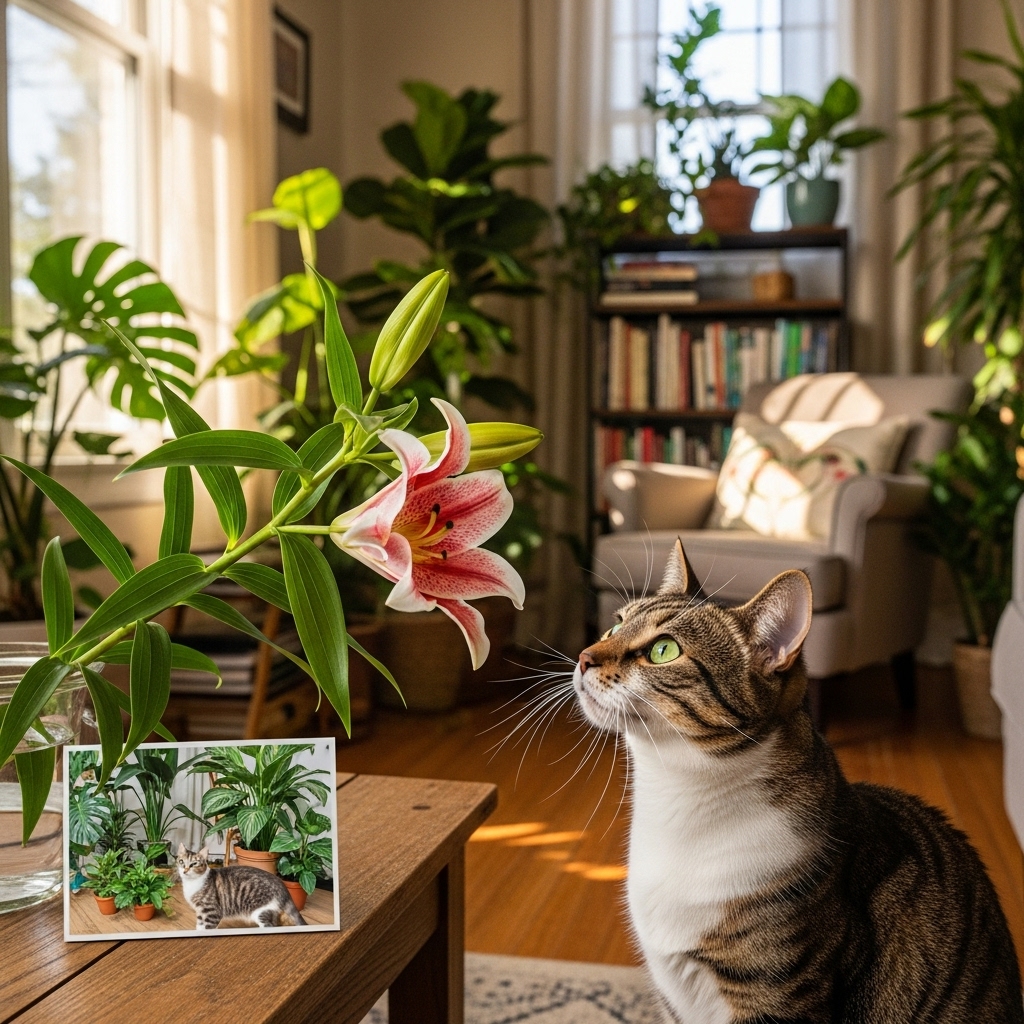
Plant toxicity refers to the harmful effects that certain plants can have when consumed by animals, including our beloved cats. Just like us, cats can experience adverse reactions to certain substances found in plants. Toxic compounds can lead to a range of health issues, from mild gastrointestinal upset to severe organ damage or even death, depending on the plant and the amount ingested. I learned this the hard way when I discovered that a beautiful lily I had in the house was extremely dangerous to my cat, Bella.
Common Symptoms of Plant Poisoning in Cats
Recognizing the symptoms of plant poisoning in cats is essential for prompt action. Some common signs include:
- Vomiting
- Diarrhea
- Excessive drooling
- Loss of appetite
- Abdominal pain
- Lethargy
- Difficulty breathing
- Seizures
When I noticed Bella was unusually lethargic and had lost interest in her food, I immediately thought of the plants we had in the house. It’s essential to act quickly if you see any of these symptoms. Keeping a close eye on our pets can help us catch these signs early.
How to Identify Poisonous Plants
Identifying poisonous plants can be tricky, especially since many look harmless or even beautiful. I’ve found that the best way to ensure I’m not bringing a toxic plant into my home is to do a little research before buying any new greenery. Here are some tips I’ve learned along the way:
- **Research Before Purchase:** Always check if a plant is safe for cats before buying. Websites like the ASPCA’s toxic plant list are great resources.
- **Ask Questions at Nurseries:** When you’re at a garden center, don’t hesitate to ask staff about plant safety for pets. They can often provide valuable information.
- **Avoid Common Toxic Plants:** Familiarize yourself with the most common plants that are poisonous to cats, like lilies or philodendrons.
- **Use a Plant App:** There are apps available that allow you to scan a plant and get immediate information about its safety for pets.
In my case, I started keeping a list of plants I wanted and researched each one before deciding to bring it home. It adds a bit more work to the process, but keeping Bella safe is worth it.
Comprehensive List of Poisonous Plants for Cats
Common Household Plants
Lilies
Lilies are among the most dangerous plants for cats. Even a small amount can lead to severe kidney failure. I remember when my friend’s cat ingested a few petals; it was a terrifying experience for everyone involved. If you love lilies, consider keeping them out of your home or replacing them with a safer bouquet.
Dieffenbachia (Dumb Cane)
Another popular houseplant, Dieffenbachia, can cause oral irritation, difficulty swallowing, and vomiting if ingested. I’ve seen this plant in many homes, and it’s crucial to keep it out of reach of our pets.
Philodendron
Philodendrons are common houseplants known for their beautiful green leaves, but they can cause gastrointestinal upset and oral irritation in cats. I had one in my living room until I realized it could be harmful to Bella. I decided it was better to swap it out for something safer.
Aloe Vera
Aloe Vera is often praised for its healing properties, but it can be toxic to cats. Ingesting aloe can lead to vomiting and diarrhea. I used to think it was a great addition for its benefits, but once I learned about its toxicity, I made sure to replace it with a cat-friendly plant. Read more about aloe plants and their safety.
Peace Lily
Peace Lilies are beautiful and popular houseplants, but they contain calcium oxalate crystals that can cause irritation and swelling of the mouth and throat if ingested by cats. I had a lovely Peace Lily on my windowsill, but I quickly moved it to a new home when I found out about the risks. Learn more about Peace Lilies and their effects on cats.
Outdoor Plants and Flowers
Foxglove
Foxglove is stunning in gardens but extremely toxic to cats. It can cause serious heart issues if ingested. I’ve always admired its beautiful purple flowers, but knowing the risk, I’d never consider planting it in my yard.
Azalea
Azaleas are lovely but can lead to vomiting, diarrhea, and even coma in cats. I remember walking through a garden filled with azaleas and thinking how beautiful they were. Thankfully, I kept Bella away from that area.
Oleander
Oleander is highly toxic and can cause severe heart problems. I had friends who used to plant oleander for its beauty, but I always advised them to reconsider for the safety of their pets.
Rhododendron
Similar to azaleas, rhododendrons can cause gastrointestinal issues and are dangerous to our cats. I’ve seen many gardens adorned with them, but it’s a reminder that we need to prioritize pet safety over aesthetics.
Common Garden Plants
Castor Bean Plant
The Castor Bean Plant is highly toxic due to the presence of ricin, which can cause severe digestive and respiratory issues. I learned about this plant during a gardening workshop, and it’s one I make sure to avoid in my own garden.
Wisteria
Wisteria is beautiful in bloom but can be toxic to cats, causing vomiting and diarrhea. I’ve always been fascinated by its cascading flowers, yet I wouldn’t want to risk Bella’s health.
Cyclamen
Cyclamen can lead to serious gastrointestinal issues and even heart problems if ingested by cats. I used to think they were just another pretty flower, but now I’m more cautious when choosing plants for my home.
Morning Glory
Morning Glory can cause hallucinations and severe gastrointestinal upset in cats. It’s a pretty vine, but I’d rather stick to safer plants.
Trees and Shrubs
Black Walnut
Black Walnut can be harmful to cats, causing vomiting, ataxia, and even seizures. I remember seeing a beautiful black walnut tree and thinking about how majestic it looked, but it made me more aware of what I plant around my home.
Cherry Trees
Cherry trees can be toxic to cats due to their pits and leaves, leading to gastrointestinal upset and respiratory issues. I’ve seen many people enjoy cherry trees in their backyards, but I can’t help but think of the dangers they pose.
Yew
Yew is highly toxic and can lead to sudden death in cats. I’ve often admired yew bushes in gardens, but the risks they pose make me steer clear of planting them.
Identifying and Managing Plant Poisoning in Cats
Signs and Symptoms of Poisoning
When it comes to our furry friends, recognizing the signs of plant poisoning can be a life-saving skill. I’ve had my share of scares with Bella, and I know how important it is to be vigilant. Symptoms can vary depending on the type of plant and the amount ingested, but some common indicators include:
- Vomiting and Diarrhea: These are often the first signs to appear. If Bella ever started throwing up after a curious nibble, I knew it was time to investigate.
- Excessive Drooling: If you notice your cat drooling more than usual, it could be a response to something they’ve eaten.
- Loss of Appetite: A sudden change in eating habits can indicate something is wrong. I’ve learned to pay close attention if Bella suddenly turns her nose up at her favorite food.
- Abdominal Pain: Cats can be pretty good at hiding their discomfort, but if they seem to be tender when you touch their belly, it might be a sign of poisoning.
- Lethargy or Weakness: If your cat is less energetic or seems to be hiding more than usual, it could be a warning signal.
- Difficulty Breathing or Seizures: These are more severe symptoms and require immediate attention. If Bella ever experienced these, I would rush her to the vet without hesitation.
Being aware of these symptoms can help us act quickly, which is crucial in ensuring our pets get the care they need.
What to Do If Your Cat is Exposed
If you suspect that your cat has ingested a poisonous plant, it’s essential to stay calm. I know it’s easier said than done, but panicking won’t help our furry pals. Here’s what I recommend doing:
- Remove the Plant: If you can safely do so, remove the plant from your home to prevent further access. I remember doing this with Bella when I realized she had taken a few nibbles of a philodendron.
- Check for Symptoms: Observe your cat closely for any of the symptoms mentioned earlier. Taking notes can be helpful if you need to relay information to your vet.
- Contact Your Vet: Even if you’re unsure, it’s always best to reach out to your veterinarian. They can guide you on the next steps based on what your cat may have ingested.
- Do Not Induce Vomiting Without Guidance: While some may think inducing vomiting could be helpful, it can be dangerous without professional advice. I learned this the hard way when a friend tried to do this with her cat.
Being prepared and knowing how to react in these situations can make a significant difference.
When to Seek Veterinary Care
Not all cases of plant poisoning are the same, but I’ve found that it’s better to err on the side of caution. If your cat shows any serious symptoms like difficulty breathing, seizures, or persistent vomiting, I recommend seeking veterinary care immediately. In my experience, it’s also wise to visit the vet if you’re unsure about the toxicity of a plant, even if your cat isn’t showing symptoms. Time can be of the essence, and getting a professional opinion can provide peace of mind.
It’s helpful to have the plant’s name or a picture of it on hand when you visit the vet. This can give them a clearer idea of what they’re dealing with, and they can provide the appropriate treatment.
Safe Alternatives: Non-Toxic Plants for Cats
Cat Grass
If you’re looking for a safe option for your kitty, cat grass is a fantastic choice. I’ve seen how much Bella enjoys nibbling on it, and it’s great for her digestion. It’s easy to grow at home, and I love that it gives her something safe to munch on without the worry of toxicity.
Spider Plant
Spider plants are another excellent non-toxic option. I’ve had a couple in my home, and they’re not only safe for Bella, but they also help purify the air. Plus, they’re pretty resilient, which is a plus for anyone with a less-than-green thumb!
Bamboo Palm
The bamboo palm is a lovely plant that adds a tropical vibe to any room. I’ve noticed it thrives well in low light, and it’s safe for cats. Keeping it around makes me feel good knowing that Bella can roam freely without risking her health.
Parlor Palm
Parlor palms are another cat-friendly option. They’re not only safe but also add a touch of elegance to your space. I’ve found that this plant is easy to care for, and Bella seems content lounging near it.
Preventing Plant Poisoning in Your Home
Creating a Safe Environment
One of the best things we can do as cat owners is to create a safe environment for our pets. I remember when I first brought Bella home; I quickly realized that our home needed to be a cat-proof zone. It’s not just about removing toxic plants; it’s about being proactive. Here are some steps I’ve taken to ensure our home is safe:
- Strategic Plant Placement: I’ve learned to keep all plants out of reach. High shelves or hanging planters work wonders. If a plant is too tempting, I won’t take the chance and will find a safer spot altogether.
- Choosing Safe Plants: Whenever I shop for new plants, I always opt for cat-friendly options. It’s amazing how many beautiful plants are non-toxic, and they give me peace of mind knowing Bella can explore freely.
- Designating Cat-Free Zones: In my experience, creating areas where Bella isn’t allowed can help. This way, I can have some plants in safe corners while ensuring she won’t get into any trouble.
By making small adjustments, I can enjoy my plants without worrying about Bella’s safety.
Educating Family and Friends
Another crucial step is educating those around us. I’ve found that not everyone is aware of which plants are harmful to cats. When friends or family visit, I make it a point to talk about the plants I have and their safety. It’s all about spreading awareness! Here are some ways I do this:
- Sharing Information: I love sharing articles or resources about plant toxicity with my friends who are pet owners. It’s a casual way to inform them about the risks.
- Discussing Plant Choices: When friends ask for plant recommendations, I always mention the ones that are safe for cats. It’s surprising how many people appreciate knowing this information!
- Creating a Plant Safety Guide: I compiled a simple guide listing toxic and non-toxic plants, which I keep handy for visitors. It’s a quick reference for anyone who might bring a plant into my home.
By being proactive and sharing this knowledge, I feel like I’m contributing to a safer environment not just for Bella, but for other pets too.
Regularly Checking for Toxic Plants
I’ve realized that it’s important to regularly check my home for any new plants or flowers that might have slipped in. Friends sometimes bring flowers as gifts, and while the gesture is lovely, I always ask about their safety first. Here’s how I keep on top of this:
- Keeping a Plant Inventory: I maintain a list of all the plants in my home and their safety status. It helps me quickly reference if I ever get a new plant or receive one as a gift.
- Regular Home Inspections: I take a walk around my home every few months and double-check for any new additions or changes. You never know when someone might bring in a potentially harmful plant!
- Staying Informed: I follow blogs and join online groups for pet owners that focus on plant safety. This way, I’m always up-to-date on any new findings or trends regarding toxic plants.
These practices not only help keep Bella safe but also create a supportive environment where I can enjoy my greenery worry-free.
Resources for Cat Owners
Helpful Websites and Organizations
When it comes to keeping our furry friends safe, having reliable resources is invaluable. I’ve come across several websites and organizations that are great for cat owners looking for information on plant toxicity:
- ASPCA’s Poison Control: Their website has a comprehensive list of plants toxic to pets. It’s one of the first places I check when I have questions.
- PetMD: This site offers articles and guides on various pet health topics, including plant toxicity. They provide clear explanations that are easy to understand.
- Veterinary Partner: This resource gives insights into different plants and their effects on pets, which I find helpful when I’m trying to educate myself further.
These resources have been a lifesaver in my journey as a cat owner, and I highly recommend checking them out!
Printable Safety Lists
I’ve found that having a printable list of toxic and non-toxic plants can be incredibly useful. I encourage fellow cat owners to do the same. You can stick it on your fridge or keep it in your gardening toolkit for easy access. Here’s how I created my own:
- Research and Compile: I gathered information from trusted websites to list plants that are safe and unsafe for cats.
- Design for Clarity: Using clear headings and bullet points makes it easy to read at a glance. I also added some visuals, which help reinforce the information.
- Regular Updates: I make a point to update this list as I learn about new plants or if any changes occur in their toxicity status.
Having this quick reference guide keeps me prepared and informed, making it easier to care for Bella.
Contacting Poison Control for Pets
If I ever find myself in a situation where I’m unsure about a plant, I don’t hesitate to contact poison control for pets. They provide invaluable help and can guide me on the next steps. Here are a few things I’ve learned about contacting them:
- Keep Their Number Handy: I’ve saved the phone number of the ASPCA’s Animal Poison Control Center, so it’s always within reach.
- Be Prepared: When I call, I make sure to have all necessary information on hand, including Bella’s symptoms and the plant’s name or description.
- Follow Their Guidance: They provide specific instructions on what to do next, and I always follow their advice closely.
With this proactive approach, I feel more confident in keeping Bella safe from potential plant hazards.
Frequently Asked Questions
What is plant toxicity in cats?
Plant toxicity refers to the harmful effects that certain plants can have when consumed by animals, including cats. Toxic compounds can lead to a range of health issues, from mild gastrointestinal upset to severe organ damage or even death, depending on the plant and the amount ingested.
What are common symptoms of plant poisoning in cats?
Common symptoms of plant poisoning in cats include vomiting, diarrhea, excessive drooling, loss of appetite, abdominal pain, lethargy, difficulty breathing, and seizures.
How can I identify poisonous plants?
To identify poisonous plants, research before purchase, ask questions at nurseries, familiarize yourself with common toxic plants, and use plant apps that provide information about plant safety for pets.
Which household plants are toxic to cats?
Common household plants that are toxic to cats include lilies, Dieffenbachia (Dumb Cane), philodendron, aloe vera, and peace lilies.
What should I do if my cat is exposed to a poisonous plant?
If your cat is exposed to a poisonous plant, remove the plant if safe, check for symptoms, contact your vet, and do not induce vomiting without professional guidance.
When should I seek veterinary care for my cat?
Seek veterinary care if your cat shows serious symptoms such as difficulty breathing, seizures, or persistent vomiting. It’s also wise to visit the vet if you’re unsure about the toxicity of a plant, even if your cat isn’t showing symptoms.
What are some safe alternatives for plants for cats?
Safe alternatives for plants for cats include cat grass, spider plants, bamboo palms, and parlor palms, which are non-toxic and can be safely enjoyed by pets.
How can I prevent plant poisoning in my home?
To prevent plant poisoning, create a safe environment by strategically placing plants out of reach, choosing cat-friendly options, and designating cat-free zones in your home.
What resources are available for cat owners regarding plant toxicity?
Helpful resources for cat owners include the ASPCA’s Poison Control, PetMD, and Veterinary Partner, which provide comprehensive information on plant toxicity and pet health topics.
How can I create a printable safety list for toxic and non-toxic plants?
Create a printable safety list by researching and compiling information from trusted websites, designing it for clarity, and regularly updating it as you learn more about plant toxicity.