
Many plants are safe for cats, allowing you to beautify your home without worrying about your feline friend’s safety. Choosing cat-friendly plants can enhance your space while keeping your curious cat healthy and happy.
Understanding the Importance of Cat-Friendly Plants
Why Choose Cat-Friendly Plants?
When I first brought my cat home, I was excited to decorate my space with lush greenery. However, I quickly realized that not all plants are safe for my furry companion. I wanted to create a cozy, inviting atmosphere while ensuring my cat could roam freely without getting into trouble. That’s when I learned about the importance of cat-friendly plants. For instance, understanding whether are aloe plants poisonous to cats is crucial for any pet owner.
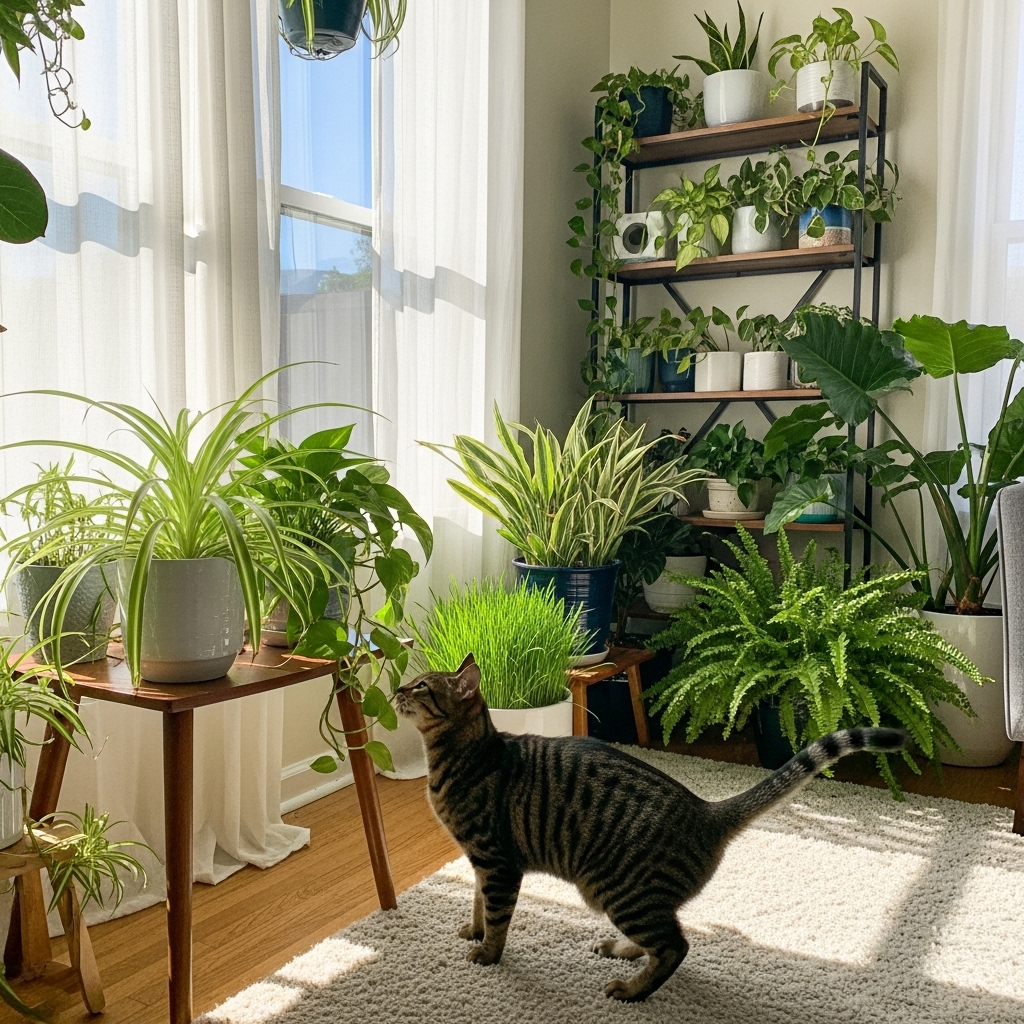
Choosing plants that are safe for cats not only protects your pet but can also enhance your living environment. Some plants can even provide health benefits, such as improving air quality. I found that incorporating cat-friendly plants into my home made it feel more vibrant, and I didn’t have to constantly worry about my cat’s safety. I believe it’s crucial for every pet owner to consider their pets when selecting houseplants, ensuring that our homes are both beautiful and safe.
Common Toxic Plants for Cats
Before diving into the world of cat-friendly plants, it’s essential to be aware of the common toxic plants to avoid. Some of the most well-known culprits include:
- Lilies: These beautiful flowers are highly toxic to cats and can cause kidney failure.
- Philodendrons: While they are popular houseplants, they can cause oral irritation and vomiting in cats.
- Peace Lilies: Although known for their beauty, peace lilies can be harmful to cats, leading to vomiting and other symptoms.
- Dieffenbachia (Dumb Cane): This plant can cause swelling and pain in a cat’s mouth and throat.
- Azaleas: These lovely shrubs can cause vomiting, diarrhea, and even more severe issues in cats.
I remember being shocked at how many plants I had that were unsafe for my cat. It was a wake-up call that made me reconsider my plant choices. By knowing which plants to avoid, we can create a safer environment for our furry friends.
Top Categories of Cat-Friendly Plants
Indoor Plants Safe for Cats
When it comes to indoor plants, I’ve learned that there are plenty of options that are not only safe for cats but also add a splash of color and life to my home. Here are some of my favorites:
- Spider Plant: This hardy plant is not only easy to care for, but it’s also non-toxic to cats. I love how it looks with its cascading leaves, and my cat enjoys playing with the long, arching tendrils.
- Boston Fern: Known for its lush, feathery fronds, the Boston fern is another great addition to a cat-friendly home. I find it brings a calming vibe, and my cat seems to enjoy lounging near it.
- Ponytail Palm: This quirky plant looks like a whimsical character from a storybook. It’s slow-growing and safe for pets, making it a perfect choice for any cat lover.
- Cat Grass: I always make sure to have some cat grass around. It provides a safe and enjoyable treat for my cat, and I love watching her munch on it. It’s great for their digestion too!
- Areca Palm: This elegant palm can thrive in various light conditions and is safe for cats. Its feathery leaves create a beautiful ambiance in any room.
- Parlor Palm: This classic houseplant is perfect for low-light areas and is safe for our furry friends. I enjoy its easy-going nature and the lushness it brings to my home.
Outdoor Plants Safe for Cats
When it comes to enhancing my garden or balcony, I’ve learned that there are also several outdoor plants that are safe for cats. Here are some I recommend:
- Lavender: Not only does lavender smell divine, but it’s also safe for cats. I love having it in my garden as it attracts beneficial insects and repels pests.
- Rosemary: This fragrant herb is perfect for cooking and is also non-toxic to cats. I often use it in my meals, and my cat loves to lounge around it.
- Basil: Another culinary favorite, basil is safe for our feline friends. I’ve found that having fresh basil on hand is excellent for cooking and adds beauty to my garden.
- Marigold: These bright flowers are not only cheerful but also deter certain pests from invading my garden. Plus, they’re safe for cats!
- Snapdragon: I adore these whimsical flowers. They bloom beautifully in various colors and are completely safe for my cat to be around.
Choosing outdoor plants that are safe for cats has made my gardening experience much more enjoyable. I feel at ease letting my cat explore the garden without fear of her getting into toxic plants.
List of Cat-Friendly Indoor Plants
Spider Plant (Chlorophytum comosum)
I can’t say enough good things about the spider plant! This plant has a unique charm with its long, arching leaves that sometimes produce little “pups” or plantlets. I remember the first time I brought one home; I was amazed at how quickly it flourished. Not only is it safe for my cat, but it also helps purify the air, which is a bonus. My cat loves to bat at the long leaves, and it adds a fun, playful element to my living space. I recommend putting it on a high shelf or hanging basket so your cat can enjoy it without knocking it over.
Boston Fern (Nephrolepis exaltata)
The Boston fern has become a staple in my home. I love its lush, feathery fronds, which create such a soft and inviting look. It seems to thrive on a little humidity, so I keep it in the bathroom where the steam from showers helps it flourish. I’ve noticed that my cat enjoys lounging in the bathroom, likely because of the cool, damp air the fern helps create. Plus, knowing that it’s non-toxic reassures me every time she wanders near it. I feel like having a Boston fern not only livens up the space but also gives it a serene, spa-like vibe.
Ponytail Palm (Beaucarnea recurvata)
The ponytail palm is such a quirky addition to my collection. With its bulbous base and long, flowing leaves, it’s like having a little pet that doesn’t require much care! I appreciate that this plant is incredibly forgiving; even when I forget to water it occasionally, it bounces back without a fuss. I often find myself chuckling when my cat curiously approaches it. She’ll poke at the leaves, and I’m always relieved that there’s no risk involved. This plant really adds an element of fun to my home, and I believe it’s a great conversation starter when friends come over.
Cat Grass (Dactylis glomerata)
Having cat grass around has been a game changer for both me and my feline friend. I love watching her munch on it; it’s like a little treat that keeps her entertained. Cat grass is not only safe but also promotes healthy digestion. I usually keep a small pot on the windowsill so it can get plenty of sunlight. Whenever she starts to nibble, I feel a sense of satisfaction knowing that I’m providing her with something beneficial. Plus, it’s incredibly easy to grow, making it a must-have for any cat owner!
Areca Palm (Dypsis lutescens)
The Areca palm is another fantastic choice that has become a favorite in my home. Its feathery, arching fronds create a tropical feel, and I love how it softens the look of any room. This palm thrives in bright, indirect light, which makes it perfect for my living room. I’ve noticed that my cat enjoys sitting beneath it, almost like it’s her little hideaway. Since it’s completely non-toxic, I feel at ease letting her explore around it. It’s a beautiful addition that brings a little piece of nature indoors.
Parlor Palm (Chamaedorea elegans)
The parlor palm has been one of my go-to plants for low-light areas. It’s such an elegant plant that adds a touch of sophistication to any corner of my home. I appreciate how easy it is to care for; it doesn’t require direct sunlight, which works perfectly for my apartment. My cat loves to brush against the gentle, soft fronds, and I love that it’s safe for her. I feel like this palm has made my space feel more inviting and warm, and it’s definitely a plant I recommend to fellow cat owners.
List of Cat-Friendly Outdoor Plants
Lavender (Lavandula)
Lavender has quickly become one of my favorite outdoor plants. Not only does it smell incredible, but it’s also safe for my cat. I love watching bees and butterflies gather around it while my cat lounges nearby. The calming aroma of lavender adds such a peaceful vibe to my garden. I’ve found that it thrives in well-drained soil and sunny spots, making it a low-maintenance choice. Plus, the beauty of watching my cat frolic in a field of lavender is something I cherish!
Rosemary (Rosmarinus officinalis)
Rosemary is a wonderful herb that I grow in my backyard. It’s safe for my cat and doubles as a handy culinary ingredient. I often clip a sprig to add flavor to my dishes, and it’s such a joy to know my cat can be near it without worry. I love the way it smells, especially when I rub my hands on the leaves. I’ve noticed it’s a favorite lounging spot for my cat, who just loves to bask in the sun while I tend to the garden.
Basil (Ocimum basilicum)
Basil is another herb I adore having in my garden. Not only is it safe for my cat, but it also makes my cooking more delightful. I can’t tell you how satisfying it is to snip fresh basil for a homemade pesto while knowing that my cat can roam freely around it. I enjoy watching her curiously sniff the leaves; the fragrance seems to intrigue her. Plus, basil attracts pollinators, which adds a lovely touch to my outdoor space.
Marigold (Tagetes)
Marigolds are such cheerful flowers! Their vibrant colors always brighten up my garden, and the best part? They’re completely safe for my cat. I love that they help deter pests, which is a bonus when it comes to maintaining my garden. I’ve planted them in various spots, and my cat often likes to nap near them, basking in the sun. It creates a beautiful scene that brings joy to my outdoor space.
Snapdragon (Antirrhinum majus)
Snapdragons are whimsical flowers that never fail to put a smile on my face. Their unique shape and bright colors create such a delightful garden atmosphere. I especially enjoy the variety of hues they come in. Knowing they’re safe for my cat gives me peace of mind, allowing me to enjoy my garden without concern. Watching my cat explore among the snapdragons always brings a sense of joy and warmth to my heart.
Signs of Plant Poisoning in Cats
Common Symptoms to Watch For
As much as I love surrounding myself with plants, I know that accidents can happen. Even with my careful selections, it’s essential to be aware of the signs of plant poisoning in cats. I remember the first time I noticed my cat acting strangely after I brought home a new plant. It was a mix of worry and confusion, and I quickly learned what to look out for.
Common symptoms of plant poisoning can include:
- Vomiting: One of the most noticeable signs. If my cat is suddenly throwing up, especially after chewing on a plant, it’s time to pay close attention.
- Diarrhea: This can often accompany vomiting and may indicate an upset stomach due to something she ingested.
- Excessive drooling: I’ve seen my cat drool more than usual when she’s feeling unwell. If you notice this, it could be linked to plant toxicity.
- Lethargy: If my cat is usually playful and suddenly becomes sluggish or unresponsive, it raises a red flag for me. It’s essential to monitor her energy levels.
- Loss of appetite: If my cat refuses to eat her food or shows disinterest in her favorite treats, it might be a sign that something isn’t right.
- Tremors or seizures: In severe cases, I’ve learned that some plants can cause neurological symptoms. If I notice any unusual shaking or convulsions, I would seek immediate veterinary help.
Being aware of these symptoms gives me peace of mind. I feel that if I can spot them early, I can act quickly to help my furry friend.
What to Do if You Suspect Poisoning
If I ever suspect that my cat has ingested something toxic, my heart races. The first step I take is to stay calm and assess the situation. I’ve found that panicking doesn’t help, and staying composed is crucial for my cat’s well-being.
Here’s what I recommend doing:
- Identify the plant: If possible, I try to figure out which plant my cat may have eaten. I remember looking up the plant’s toxicity online to see if it was harmful. Having this information ready can be vital for the vet.
- Contact a veterinarian: I find it’s best to call my vet or a local animal poison control helpline immediately. They can provide tailored advice based on my cat’s symptoms and the plant involved.
- Do not induce vomiting without guidance: I learned the hard way that inducing vomiting isn’t always safe. My vet advised me to avoid doing this unless instructed. Sometimes, it can cause more harm than good.
- Keep my cat comfortable: While awaiting professional help, I ensure my cat is in a calm and quiet environment. I find that keeping her cozy can help reduce stress as we navigate this situation.
- Follow-up care: After receiving guidance from the vet, I always ensure to follow their instructions closely. Whether it involves bringing my cat in for a check-up or monitoring her at home, I stick to the plan.
Each of these steps gives me a framework to work within, so I feel more prepared if something like this happens. I know that being proactive is key to keeping my cat safe.
How to Choose the Right Plants for Your Home
Consider Your Cat’s Behavior
As I’ve gathered more experiences with my cat and various plants, I’ve realized that understanding my cat’s behavior is crucial when selecting plants. For instance, I’ve noticed she has a playful side and loves to paw at anything that hangs or dangles. This behavior has led me to choose plants that are sturdy and less likely to topple over. I think about how my cat interacts with her environment and try to pick plants that won’t cause problems.
Additionally, I pay attention to her chewing habits. Some cats have a tendency to nibble on leaves, while others may leave plants alone. For me, I’ve found that opting for plants with tougher leaves or those that are less appealing to nibble keeps both my cat and the plants safe. It’s all about finding that balance between beauty and safety in our home.
Assessing Light and Space Requirements
Another important aspect I consider when choosing plants for my home is their light and space requirements. I love the natural light that comes into my living room, which is perfect for bright, sun-loving plants. However, I also have darker corners where my low-light-loving plants thrive. I’ve learned the hard way that not every plant will adapt well to my home’s specific conditions.
Taking the time to assess the available light in each room has helped me create a harmonious environment. I prefer to choose plants that not only suit my style but also thrive in the conditions I can provide. I’ve found that paying close attention to their light needs ensures they flourish and adds to the beauty of my home without causing stress for my cat.
Frequently Asked Questions
What are cat-friendly plants?
Cat-friendly plants are those that are safe for cats and do not pose any health risks to them. These plants can enhance your living environment while allowing your feline friend to roam freely without worry.
Why is it important to choose cat-friendly plants?
Choosing cat-friendly plants protects your pet and can enhance your living environment. Some plants also provide health benefits, such as improving air quality, making it essential for pet owners to consider their pets when selecting houseplants.
What are some common toxic plants for cats?
Common toxic plants for cats include Lilies, Philodendrons, Hydrangeas, Aloe Vera, Dieffenbachia (Dumb Cane), and Azaleas. These plants can cause various health issues ranging from vomiting to more severe conditions like kidney failure.
Can you list some indoor plants that are safe for cats?
Some indoor plants that are safe for cats include Spider Plant, Boston Fern, Ponytail Palm, Cat Grass, Areca Palm, and Parlor Palm. These plants are non-toxic and can enhance your home decor.
What outdoor plants are safe for cats?
Safe outdoor plants for cats include Lavender, Rosemary, Basil, Marigold, and Snapdragon. These plants are not only safe but can also add beauty and aroma to your garden.
What are the signs of plant poisoning in cats?
Signs of plant poisoning in cats can include vomiting, diarrhea, excessive drooling, lethargy, loss of appetite, and in severe cases, tremors or seizures. Monitoring these symptoms is crucial for timely intervention.
What should I do if I suspect my cat has ingested a toxic plant?
If you suspect your cat has ingested a toxic plant, it is important to stay calm, identify the plant, contact a veterinarian, avoid inducing vomiting without guidance, and keep your cat comfortable while awaiting professional help.
How can I choose the right plants for my home with a cat?
When choosing plants for your home with a cat, consider your cat’s behavior, such as their tendency to play with or nibble on plants. Additionally, assess the light and space requirements of the plants to ensure they thrive in your home environment.
What is cat grass, and why is it beneficial for cats?
Cat grass is a safe treat for cats that promotes healthy digestion. It provides a form of entertainment for cats and is easy to grow, making it a must-have for cat owners.
Why should I avoid inducing vomiting if I suspect plant poisoning?
Inducing vomiting without veterinary guidance can sometimes cause more harm than good. It is essential to consult a veterinarian for appropriate advice on how to handle potential poisoning situations.