
Many common plants can be toxic to dogs, leading to symptoms that range from mild to severe. Knowing which plants pose a risk is crucial for any dog owner to ensure their furry friend stays safe and healthy. For instance, it’s important to understand if spider plants are toxic to dogs, as they are often found in many households.
Table of Contents
Understanding Plant Toxicity in Dogs
What Does ‘Toxic’ Mean?
When we talk about toxicity in plants, it refers to the harmful substances that can cause adverse effects on dogs when ingested. These substances can interfere with normal bodily functions, leading to various health issues. I remember the first time I learned about plant toxicity; it was shocking to realize that some plants I had in my home and garden could jeopardize my dog’s health. Toxicity can vary widely depending on the plant type, the amount ingested, and the individual dog’s sensitivity.
How Dogs Interact with Plants
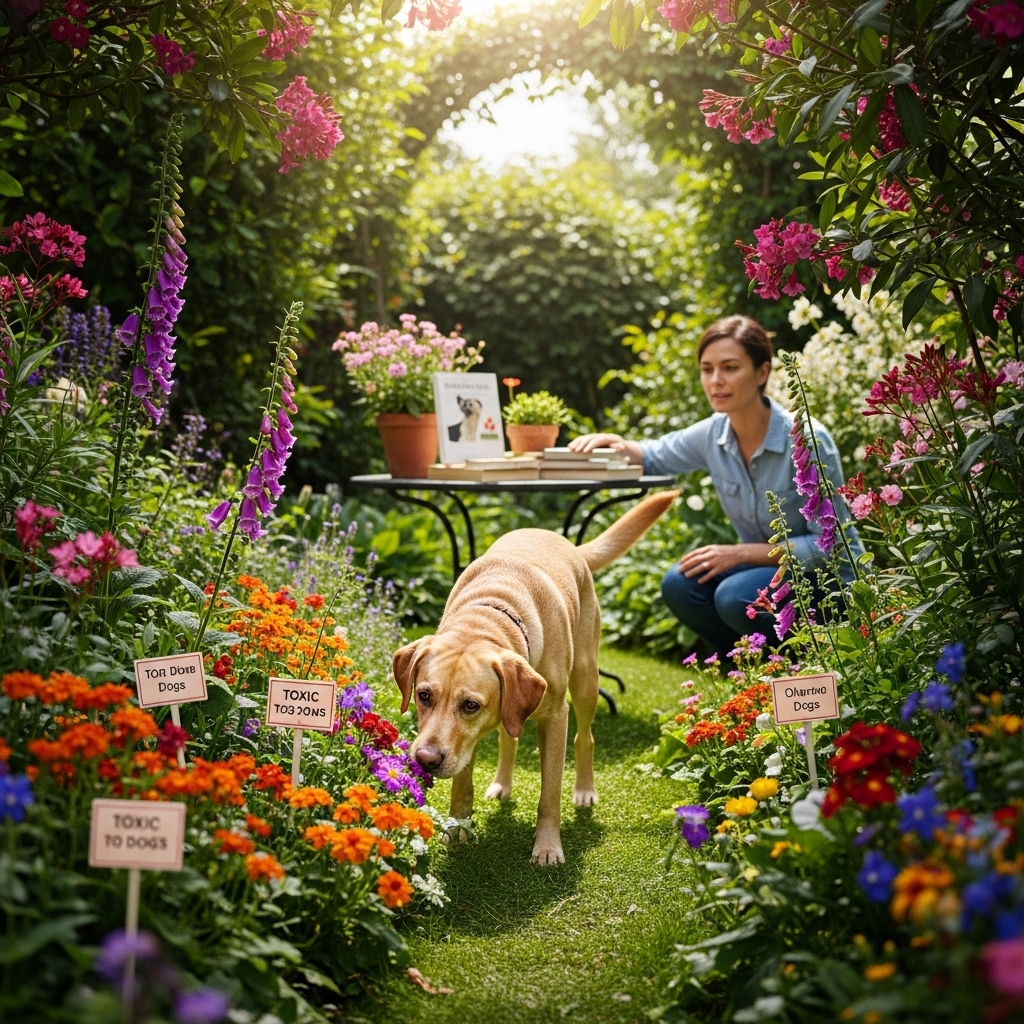
Dogs are naturally curious creatures, and their interactions with plants can be quite adventurous. Whether they are sniffing, chewing, or even digging around them, our furry friends often explore their environment through their mouths. I’ve seen my dog, Max, happily munching on grass and flowers during our walks, which always makes me cringe a little. While some plants might seem harmless, many can pose a serious threat to a dog’s health. For example, snake plants are trendy for their resilience, but they can be toxic to our pets.
Importance of Knowing Toxic Plants
Awareness of which plants are toxic is essential for dog owners. This knowledge not only helps prevent accidental ingestion but also prepares us to recognize symptoms of toxicity if our dogs do consume something harmful. I once had a close call with a plant that I thought was safe, but after doing some research, I learned it was indeed toxic. It really emphasized for me the need to be vigilant about our pets’ surroundings. Having a list of toxic plants can empower us to make safer choices in both our homes and gardens.
Common Toxic Plants for Dogs
Houseplants
Houseplants can brighten up our living spaces, but they can also hide dangers for our dogs. Here are a few common houseplants that I’ve had to be cautious about:
Philodendron
This popular houseplant is beautiful but can cause significant oral irritation and gastrointestinal upset in dogs when ingested. I’ve seen Max sniffing around my philodendron, and I always have to keep a watchful eye because the calcium oxalates it contains can lead to swelling and pain in the mouth and throat. If you have this plant, consider placing it on a shelf out of reach.
Peace Lily
Another common houseplant, the peace lily, is often mistaken for being a safe choice. However, it contains calcium oxalate crystals, which can irritate the mouth and throat of dogs. I remember a friend’s dog had a bad experience after chewing on one, leading to drooling and difficulty swallowing. It’s a great reminder that even beautiful plants can have hidden dangers.
Snake Plant
The snake plant is trendy for its resilience, but it’s also toxic to dogs. It contains saponins, which can cause nausea, vomiting, and diarrhea if ingested. I used to have one in my living room, and after learning about its potential toxicity, I decided to relocate it to a spot that Max couldn’t access. It’s always better to be safe than sorry!
Garden Plants
When it comes to outdoor spaces, many popular garden plants can be harmful to dogs. Here are a few I’ve come across:
Azalea
Azaleas are beautiful but can be deadly to dogs. Just a few leaves can cause vomiting, diarrhea, and potentially even a drop in blood pressure. I once had a neighbor whose dog got into their azalea bush, and it was a scary situation that ended with a trip to the vet. Knowing this can help us avoid planting them in our gardens.
Oleander
Oleander is incredibly toxic to dogs, with the potential to cause severe heart problems and even death. Its gorgeous flowers can be misleading; I learned this the hard way when researching safe plants for my yard. If you’re considering landscaping, steer clear of this plant for the safety of your pets.
Foxglove
Another garden beauty, foxglove, can cause serious heart issues in dogs. The plant contains compounds that can lead to heart failure, which is why it’s essential to avoid having it in areas where your dog can roam freely. I’ve seen stunning foxgloves in many gardens, but now I know better than to risk my pet’s health for aesthetics.
Outdoor Plants
Beyond just garden plants, there are several outdoor plants that also pose risks:
Yew
The yew plant is highly toxic to dogs, particularly its berries and leaves. Ingesting even small amounts can lead to serious consequences, including respiratory failure. I’ve often admired yew hedges in landscaping, but the risks they pose have made me rethink their presence in my surroundings.
Castor Bean
The castor bean plant contains ricin, a highly toxic compound that can be fatal to dogs. It’s surprising how many people grow this plant without realizing the dangers it poses. I once visited a botanical garden that showcased castor beans, and I couldn’t help but feel uneasy knowing how harmful they could be if ingested.
Sago Palm
Sago palms are a common ornamental plant but are extremely toxic to dogs. All parts of the plant are poisonous, particularly the seeds. I have friends who love having them in their yards, but I always warn them about the potential dangers, especially if they have dogs who love to explore.
Full List of Toxic Plants
Commonly Found Plants
As I’ve navigated my journey of keeping my dog safe, I’ve come across a number of commonly found plants that can pose a risk to our furry friends. Here are some that I think every dog owner should be aware of:
- Common Privet: This shrub is often used in hedges and can cause gastrointestinal upset if ingested by dogs. I’ve seen it in many gardens, and although it’s pretty, I always make sure to keep Max away from it.
- Rhododendron: Similar to azaleas, rhododendrons can lead to severe gastrointestinal issues, and even a small amount can be dangerous. After hearing about a friend’s dog experiencing symptoms after nibbling on one, I decided to avoid planting them.
- Chrysanthemum: These flowers may add color to our gardens, but they can cause vomiting and diarrhea in dogs. I used to have a beautiful display of them, but after learning about their toxicity, I opted for safer, non-toxic blooms.
Less Common but Dangerous Plants
While the common plants are usually what we encounter, there are also lesser-known plants that can be just as dangerous. It’s essential to keep these in mind as well:
- Autumn Crocus: This beautiful plant can cause severe gastrointestinal issues and potentially organ failure if ingested. I remember seeing these lovely flowers in a botanical garden, but now I know to keep my distance.
- Deadly Nightshade: True to its name, this plant can be fatal to dogs. I’ve read about its effects, and it’s a stark reminder to avoid anything that looks beautiful but hides danger.
- Hemlock: Another plant to watch out for, hemlock can cause respiratory failure and death. I’ve made sure to educate myself about this plant, especially after learning its toxic nature from various pet safety resources.
Regional Variations in Toxic Plants
As I’ve traveled and explored different regions, I realized that the plants that might be safe in one area can be dangerous in another. This aspect is particularly interesting because it emphasizes the need for localized knowledge about plant toxicity.
For instance, in some regions, certain wildflowers that grow freely can be harmful to dogs, while they might not even be found elsewhere. I’ve experienced this firsthand while visiting friends in different states. One friend had a beautiful collection of wildflowers, but I had to inform her that some of them posed risks to her dog. It was a learning moment for both of us!
Additionally, some plants that are deemed safe in urban settings may not be safe in rural areas where dogs might have increased access to wildlife and different natural plants. I’ve learned to always do a bit of research before visiting new places with Max, ensuring I’m aware of any potential hazards he might encounter.
Symptoms of Plant Toxicity in Dogs
Gastrointestinal Symptoms
When it comes to plant toxicity, the gastrointestinal symptoms are usually the first things I look out for. I’ve noticed that dogs may react differently based on what they’ve ingested, but there are some common signs to be aware of:
Vomiting
Vomiting is one of the most noticeable symptoms of plant toxicity. I remember a time when Max ate something he shouldn’t have, and I immediately noticed him acting strangely before he started throwing up. It was a clear red flag, and I knew I had to take action.
Diarrhea
Along with vomiting, diarrhea is another common symptom. It can be distressing for both the dog and the owner. I once had to deal with this after Max got into some fallen leaves that were part of a toxic plant. It’s definitely not a fun experience, but being aware of these symptoms can help us react quickly.
Neurological Symptoms
Some plants can also affect a dog’s nervous system, leading to more severe symptoms:
Tremors
Tremors can indicate that something is seriously wrong. I think back to a time when I saw Max shaking after he ingested a small amount of a toxic plant. It was terrifying, and I knew we had to get to the vet fast.
Seizures
Seizures are even more alarming. If I ever noticed this in Max, I would immediately seek veterinary help. It’s a serious sign that the toxins are affecting the brain, and prompt action is necessary.
Cardiovascular Symptoms
Some toxic plants can impact a dog’s heart, which is incredibly concerning:
Irregular Heartbeat
An irregular heartbeat can be a critical sign of toxicity. I’ve read that it can happen with certain plants, and if I ever noticed this in Max, I would be rushing to the vet without hesitation.
Collapse
If a dog collapses, it’s a serious situation. I can’t imagine how frightening that would be, and it’s a symptom that requires immediate veterinary attention. Understanding the risk of collapse from certain plants has made me extra cautious.
Behavioral Changes
Behavioral changes can also indicate something is wrong:
Lethargy
If I notice Max being unusually lethargic, I start to worry. Lethargy can be a sign of various issues, including plant toxicity. I’ve learned that any significant change in behavior should prompt further investigation.
Agitation
On the flip side, agitation can also indicate that something is off. If I see Max acting restless or anxious, it’s another sign that I need to pay attention. I’ve learned to trust my instincts when it comes to his well-being.
What to Do If Your Dog Ingests a Toxic Plant
Immediate Actions to Take
If you suspect that your dog has ingested a toxic plant, the first thing to do is to remain calm. I know this can be challenging, especially when your mind races with what could happen next. I remember the first time I found Max chewing on something suspicious, and I had to take a deep breath and focus on the next steps. Here are the immediate actions I recommend:
- Check Your Dog: Assess your dog’s condition. Look for any visible symptoms like vomiting, diarrhea, or lethargy. I usually keep a close eye on Max for any unusual behavior after he’s been outside.
- Identify the Plant: Try to determine what plant your dog has ingested. Having this information ready can be incredibly helpful for the vet. I once took a photo of a plant I suspected was poisonous when I visited a friend’s garden to make sure I had the right information.
- Do Not Induce Vomiting Without Guidance: While it might seem like a good idea to make your dog vomit, it’s crucial to consult with a vet first. I learned this the hard way after reading conflicting advice online. Sometimes, inducing vomiting can cause more harm than good depending on the plant involved.
When to Contact a Veterinarian
Knowing when to call the vet can be a lifesaver. If I ever find myself in a situation where Max has ingested a potentially toxic plant, I don’t hesitate to reach out to a veterinarian. Here are some signs that indicate it’s time to contact a professional:
- Visible Symptoms: If your dog is showing symptoms like vomiting, diarrhea, or lethargy, it’s best to consult a vet immediately. I’ve learned that even minor symptoms can escalate quickly.
- Known Toxic Plant: If you know for certain that the plant ingested is toxic, don’t wait for symptoms to appear. Call your vet or an emergency animal clinic right away.
- Behavioral Changes: If your dog’s behavior suddenly changes, such as increased agitation or unusual lethargy, it’s worth getting a professional opinion. I always trust my instincts in these situations.
Emergency Treatments
When you get to the vet, they may perform various emergency treatments depending on the situation. I saw firsthand what this looks like when my neighbor’s dog had a reaction. Here’s what you might expect:
- Activated Charcoal: The vet may give your dog activated charcoal to help absorb the toxins in the digestive system. I remember hearing about this when my vet explained how it works to my friend. It’s fascinating how it can help prevent further absorption.
- Fluids: If your dog is dehydrated from vomiting or diarrhea, the vet may administer fluids intravenously. Keeping Max hydrated is always a priority, so I appreciate how important this step is.
- Medications: Depending on the situation, the vet may provide medications to counteract the toxins and manage symptoms. I once witnessed this happen when a dog was treated after eating something toxic, and it was reassuring to see how effective the right medications could be.
Preventing Plant Toxicity
Identifying Safe Plants
One of the best ways to protect our dogs is to identify and surround them with safe plants. I’ve spent time researching non-toxic plants that I can have around my home and garden. Websites and resources like the ASPCA provide excellent lists of safe plants. Here are some safe choices I’ve found:
- Spider Plant: This resilient houseplant is not only easy to care for but also safe for dogs. I’ve had one in my living room, and it brightens up the space without any worry about Max.
- Bamboo Palm: Known for its air-purifying qualities, the bamboo palm is also non-toxic to dogs. I’ve enjoyed having this plant as a natural way to enhance our home environment.
- Boston Fern: This lovely fern is safe for pets and adds a touch of greenery to any room. I always keep mine in an area where Max can’t reach, just to be safe.
Creating a Dog-Friendly Garden
Designing a dog-friendly garden can be both fun and rewarding. I’ve taken steps to create a space that’s not only beautiful but safe for Max. Here are some tips to keep in mind:
- Choose Non-Toxic Plants: When selecting plants for your garden, always prioritize non-toxic varieties. I’ve learned to be diligent about checking plant toxicity before adding anything new to my garden.
- Designate a Dog Area: Consider creating a specific area for your dog to roam freely. This can help limit their access to potentially harmful plants. I made a little corner in my yard just for Max to enjoy.
- Regular Maintenance: Keep your garden tidy and remove any fallen leaves or debris that may contain toxic plant parts. I always check our yard after storms or windy days to ensure it’s safe for Max.
Education and Awareness for Pet Owners
Lastly, education is key to preventing plant toxicity. I’ve made it a mission to stay informed about the plants that could harm Max. From attending pet safety workshops to joining online communities, I believe that sharing knowledge helps us all keep our furry friends safe. I also encourage fellow dog owners to regularly check for updates on toxic plants and stay connected with their local veterinarians for any new information. By spreading awareness, we can create a safer environment for our pets.
Frequently Asked Questions
What does ‘toxic’ mean in relation to plants and dogs?
‘Toxic’ refers to harmful substances in plants that can cause adverse effects on dogs when ingested, interfering with normal bodily functions and leading to health issues.
Why is it important for dog owners to know about toxic plants?
Awareness of toxic plants helps prevent accidental ingestion and prepares dog owners to recognize symptoms of toxicity if their dogs consume something harmful.
Which common houseplants are toxic to dogs?
Common toxic houseplants include Philodendron, Peace Lily, and Snake Plant, all of which can cause various health issues if ingested by dogs.
What are some outdoor plants that pose risks to dogs?
Outdoor plants like Azalea, Oleander, Foxglove, Yew, Castor Bean, and Sago Palm are known to be toxic and can cause severe health problems in dogs.
What symptoms should I look for if my dog has ingested a toxic plant?
Common symptoms include vomiting, diarrhea, tremors, seizures, irregular heartbeat, lethargy, and agitation. These signs can indicate plant toxicity and require attention.
What immediate actions should I take if my dog ingests a toxic plant?
Remain calm, check your dog’s condition, identify the plant ingested, and do not induce vomiting without consulting a vet first.
When should I contact a veterinarian regarding plant toxicity?
Contact a veterinarian if your dog shows visible symptoms like vomiting or diarrhea, if you know the plant is toxic, or if there are significant behavioral changes in your dog.
What emergency treatments might a vet provide for a dog that ingested a toxic plant?
Emergency treatments may include administering activated charcoal, providing intravenous fluids for dehydration, and giving medications to counteract the toxins and manage symptoms.
How can I create a dog-friendly garden?
To create a dog-friendly garden, choose non-toxic plants, designate a specific area for your dog, and regularly maintain the garden by removing any fallen leaves or debris that may contain toxic plant parts.
What resources can help pet owners identify safe plants?
Websites and resources like the ASPCA provide excellent lists of non-toxic plants that can help pet owners create a safe environment for their dogs. Additionally, it’s important to be aware of other plant safety guides, such as Are Aloe Plants Toxic to Cats? Safety Guide, to ensure a comprehensive understanding of plant toxicity.