
The best plants to attract dragonflies include various aquatic plants like water lilies and lotus, as well as marginal plants like pickerel rush and blue flag iris. Creating an inviting habitat with these plants can enhance your garden and support local ecosystems.
Table of Contents
Understanding Dragonflies and Their Habitat
Dragonflies are fascinating creatures, often seen darting around ponds and lakes on warm sunny days. They are not only beautiful to watch, but they also play a crucial role in our ecosystems. From my experience, the sight of a dragonfly gracefully hovering over water is a reminder of the vibrant life these insects contribute to our environment. Understanding their habitat preferences can help us create spaces that attract these stunning insects.
Importance of Dragonflies in Ecosystems
Dragonflies are more than just pretty wings and acrobatic flight; they are essential predators in both aquatic and terrestrial ecosystems. They primarily feed on mosquitoes, flies, and other small insects, making them natural pest controllers. I remember when I first learned about their role in keeping mosquito populations in check. It was like discovering a superhero right in my backyard! By attracting dragonflies to our gardens, we not only enjoy their beauty but also promote a healthy ecological balance.
Moreover, dragonflies are indicators of a healthy environment. Their presence often signifies that the water quality in an area is good. When I have seen dragonflies around, it has reassured me that the ecosystem is thriving. This is because dragonfly larvae, which live underwater for several years, are sensitive to pollution. Areas with a diverse population of dragonflies are likely to be healthier overall.
Preferred Environments for Dragonflies
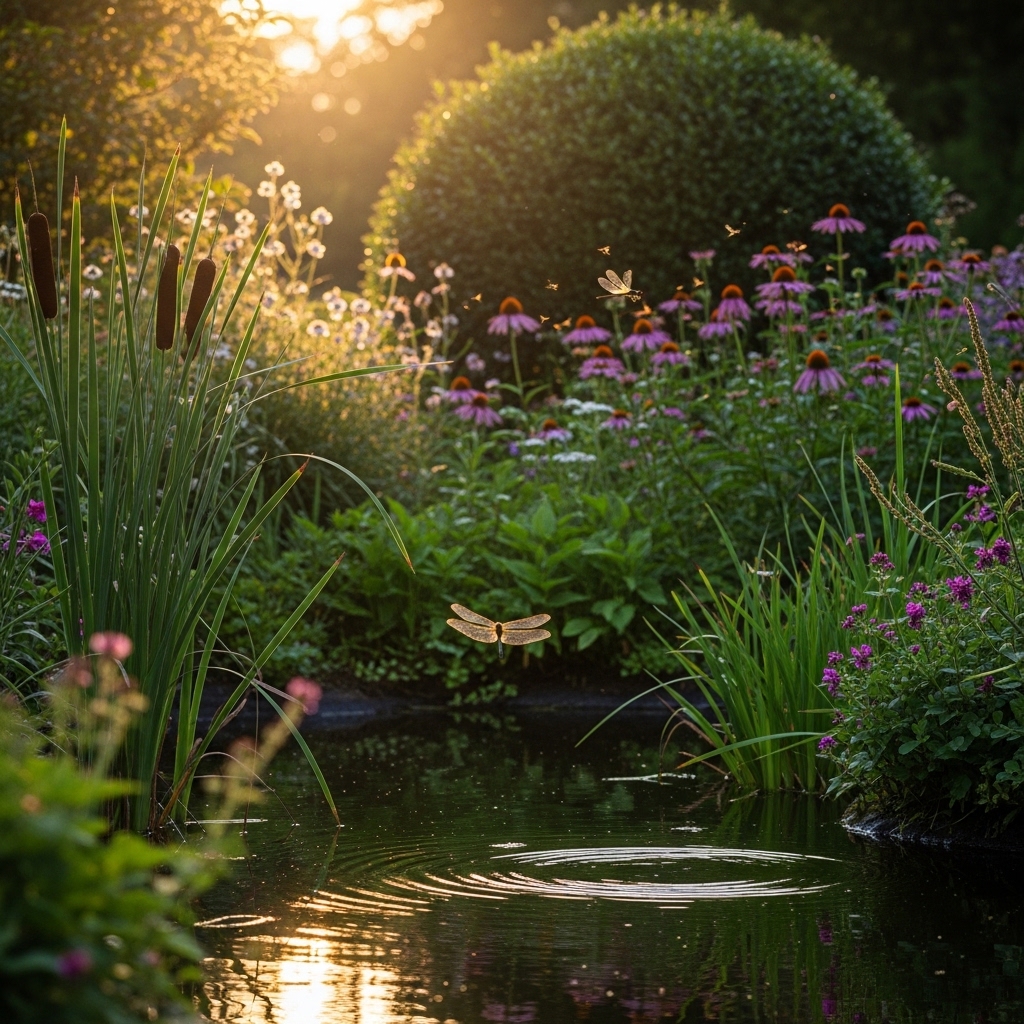
To attract dragonflies, we need to understand their preferred habitats. Dragonflies are commonly found near water bodies, as they reproduce in or around aquatic environments. Ponds, lakes, and slow-moving streams are ideal places for them to thrive. I’ve found that setting up a small pond in my garden significantly increased the number of dragonflies I could observe. They love shallow waters where they can lay their eggs and hunt for food.
In addition to water bodies, dragonflies appreciate areas with plenty of sunlight. They bask in the sun to warm their bodies and often perch on plants or rocks while they wait for their next meal. I noticed that my garden took on a magical quality when I added sunny spots with beautiful plants for dragonflies to land on. They are also drawn to vegetation that provides them shelter and hunting grounds. Having a mix of tall grasses, reeds, and flowering plants not only attracts dragonflies but also offers them a safe place to thrive.
Creating a dragonfly-friendly environment means mimicking their natural habitats. This includes ensuring that there are nearby areas with vegetation for perching and hunting, as well as shallow areas in water bodies for their larvae. I believe that by understanding and catering to their needs, we can create vibrant gardens that are alive with the presence of these captivating insects.
Top Plants That Attract Dragonflies
Now that we have a grasp on dragonflies and their habitats, let’s dive into the types of plants that can help attract them to our gardens. Based on my observations, certain plants stand out as favorites among dragonflies. These plants provide not only the necessary breeding grounds but also the food sources and perches that dragonflies prefer. Here’s a closer look at some of the best choices:
Aquatic Plants
Aquatic plants are essential for attracting dragonflies since they provide the right environment for breeding and hunting. From my experience, having a variety of these plants can transform your garden pond into a dragonfly haven.
Water Lilies
Water lilies are a classic choice for dragonfly habitats. Their broad leaves not only provide shelter but also serve as resting spots for adult dragonflies. I love the way their colorful blooms can brighten up a pond, and I’ve noticed that dragonflies are often seen hovering nearby. They lay their eggs near these plants, which offer protection for the larvae once they hatch.
Lotus
Lotus plants are another stunning addition that can attract dragonflies. With their towering flowers and expansive leaves, they create a picturesque setting while also serving as an excellent habitat. I remember one summer when my lotus plants bloomed magnificently, and my garden was buzzing with dragonflies. They love to perch on the leaves, making it easy to spot them.
Hornwort
Hornwort is a submerged aquatic plant that dragonfly larvae find particularly appealing. It provides both shelter for the young and a rich hunting ground for small aquatic insects. I’ve seen how thriving hornwort can help maintain a healthy aquatic ecosystem. It’s easy to grow and can quickly establish itself in a pond or water feature, making it a great addition to any dragonfly-friendly garden.
Marginal Plants
Marginal plants grow along the edges of water bodies, providing another layer of habitat for dragonflies. These plants tend to be hardy and can tolerate wet conditions while offering shelter and food sources.
Pickerel Rush
Pickerel rush is a tall, attractive plant that grows well in shallow waters. Its beautiful blue flowers are a magnet for many pollinators, including dragonflies. I’ve found that when I planted pickerel rush along the edges of my pond, it not only looked great but also attracted dragonflies that would hover around its blooms.
Blue Flag Iris
Blue flag iris is another excellent choice for dragonfly habitats. These vibrant flowers add a burst of color and provide a great perch for dragonflies. I’ve often seen them fluttering around the irises in my garden, which made it a perfect spot for watching their graceful movements.
Japanese Iris
Japanese iris is similar to blue flag iris but has its unique charm. It thrives in wet areas and attracts dragonflies with its striking flowers. I always recommend planting these to friends who want to create a lively garden. They not only attract dragonflies but also bring beauty to any landscape.
Grasses and Reeds
Incorporating grasses and reeds into your garden can provide crucial perching spots for dragonflies. These plants add texture and height, creating a layered environment that dragonflies love.
Cattails
Cattails are iconic wetland plants that dragonflies find irresistible. They offer shelter and hunting grounds, making them perfect for dragonflies to lay their eggs nearby. I’ve watched dragonflies dart in and out of the cattails, and it’s fascinating to see them interact with such a robust plant.
Bulrushes
Bulrushes are another effective plant for attracting dragonflies. They can grow in clusters along the edges of ponds, providing ample space for dragonflies to perch and hunt. I’ve noticed that when I added bulrushes to my garden, the dragonfly population increased significantly.
Reed Grass
Reed grass can tolerate wet conditions, making it an excellent addition to any dragonfly-friendly garden. Its tall stems create great perches for dragonflies, and I’ve found that they love to rest on them after a long day of hunting.
Flowering Plants
Lastly, flowering plants can add a splash of color while attracting dragonflies. These plants provide nectar for adult dragonflies and can enhance the overall appeal of your garden.
Bee Balm
Bee balm is a favorite of many pollinators, including dragonflies. Its vibrant red and purple flowers are eye-catching, and I’ve often seen dragonflies flitting around them, drawn in by the nectar. Planting bee balm not only attracts dragonflies but also supports a range of beneficial insects.
Swamp Milkweed
Swamp milkweed is another wonderful plant that can attract dragonflies. Its clusters of pink flowers are stunning and provide nectar for adults. I’ve planted swamp milkweed in my garden, and it has drawn many dragonflies, creating a lively atmosphere.
Goldenrod
Goldenrod is a resilient plant that blooms in late summer and fall, providing a food source for dragonflies when other flowers may have faded. I’ve seen how goldenrod can light up a garden even in the cooler months, attracting dragonflies that are still active.
Creating a Dragonfly-Friendly Garden
Designing a Water Feature
When it comes to attracting dragonflies, creating a water feature is one of the best decisions I’ve made for my garden. A small pond or even a water bowl can be a magnet for these beautiful insects. I remember how excited I was when I first decided to dig a pond. It seemed like a daunting task, but once I got started, it became a labor of love.
For my pond, I made sure to include shallow areas where dragonflies could easily lay their eggs. I learned that they prefer these spaces because they’re safe for their larvae. I shaped my pond with gently sloping edges that made it accessible for both the dragonflies and other wildlife. It’s amazing how quickly the pond attracted not just dragonflies, but also frogs and birds, turning my garden into a little ecosystem.
I also included some rocks and logs around the pond’s edge. These features provide perfect perches for dragonflies to rest and sunbathe. I often see them perched on the rocks, their wings glinting in the sunlight. I recommend considering adding a small fountain or waterfall, too. The sound of moving water seems to attract dragonflies even more, enhancing the overall ambiance of the space.
Choosing the Right Location
Location is everything when it comes to creating a dragonfly-friendly garden. I discovered that placing my pond in a sunny, open area made a significant difference. Dragonflies love basking in the sun to warm their bodies, so I intentionally located my pond in a spot that receives plenty of sunlight throughout the day.
It’s also wise to consider the proximity of your garden to other water sources. If you live near a lake, stream, or wetland, you’ll have a better chance of attracting dragonflies. I’ve noticed that the dragonfly population in my garden increased when I set up my pond a short distance from a nearby creek. They seem to travel between these water sources, and it’s fascinating to observe their movements.
Additionally, I’ve learned that keeping away from heavy foot traffic can help. Dragonflies are skittish and prefer quieter areas. By designing a peaceful retreat away from the hustle and bustle of everyday life, I created a serene environment that dragonflies love. I often sit by my pond, enjoying the tranquility and watching the dragonflies dance around me.
Maintaining Plant Health
Plant health is crucial for creating a sustainable habitat for dragonflies. I realized early on that a well-maintained garden not only looks good but also attracts more dragonflies. I make it a point to regularly check on the health of my aquatic and marginal plants. Healthy plants provide better shelter and hunting grounds for dragonflies.
I’ve found that removing any dead or decaying plant matter helps maintain water quality, which is vital for dragonfly larvae. Regularly cleaning my pond and ensuring the plants are thriving has become part of my gardening routine. I also avoid over-fertilizing, as excess nutrients can lead to algal blooms that harm both the water quality and the delicate balance of life in my pond.
Another important tip I’ve learned is to regularly prune and manage the growth of flowering and marginal plants. This not only prevents overcrowding but also allows sunlight to reach the water and the plants below. I try to keep a good mix of different plants while ensuring they have enough space to grow. This diversity creates a more inviting atmosphere for dragonflies and other pollinators.
Lastly, I’ve come to appreciate the importance of seasonal care. As the seasons change, so do the needs of my garden. I make sure to adjust my care routine to accommodate the different life stages of the dragonflies and their preferred plants. By being attentive and responsive to my garden’s needs, I continue to create an inviting space that supports dragonfly populations year after year.
Seasonal Considerations for Planting
Best Time to Plant for Dragonflies
When it comes to creating a dragonfly-friendly garden, timing is everything. From my experience, planting at the right time can significantly influence how quickly your garden starts attracting these stunning insects. For me, spring is the ideal time to start planting aquatic and marginal plants. As the weather warms up, these plants begin to thrive, creating the perfect habitat for dragonflies to lay their eggs and establish themselves.
In early spring, when the frost has passed, I typically begin by adding my aquatic plants to the pond. This is when the water temperature starts to rise, making it a comfortable time for dragonflies to emerge. I’ve noticed that by planting during this season, I can see dragonfly larvae developing in the water by early summer. It’s like watching a little ecosystem come to life!
Marginal plants, such as pickerel rush and blue flag iris, can also be planted in early spring. These plants not only beautify the edges of your water feature but also provide essential shelter for dragonflies. If you miss the spring window, early summer is another good time to plant, especially for flowering plants. Late blooming flowers like goldenrod can still attract dragonflies, giving them a source of nectar as they remain active throughout the warmer months.
Seasonal Plant Care Tips
Once you’ve planted your dragonfly-friendly garden, seasonal care becomes vital for maintaining a healthy habitat. I’ve learned that each season brings its own set of challenges and opportunities. In spring, my focus is on monitoring plant growth and ensuring that everything is sprouting as it should. Regular checks help me catch any issues like pests or diseases early on, which could impact the health of my plants and, in turn, the dragonflies.
As summer rolls in, I spend time enjoying the garden and observing the dragonflies’ behaviors. This is also when I make sure to keep up with watering, especially for the marginal plants that thrive in wet conditions. I’ve noticed that during particularly hot spells, the water level in my pond can drop, so I make it a point to top it up to ensure there’s always a safe breeding ground for dragonfly larvae.
In the fall, I start preparing my garden for the cooler months. I focus on cleaning up any dead plant material, which can promote better water quality. This time of year is crucial for preventing decay that might attract unwanted pests. I also prune back flowering plants that have finished blooming, which can help prepare the garden for winter while allowing sunlight to reach the water surface. I find that maintaining this balance ensures that my plants survive the winter and come back strong in the spring.
Winter is mostly a quiet time in the garden, but I still take the opportunity to assess my pond and make any necessary repairs. I learned that ensuring the pond liner is intact and that there are no blockages in the water flow can save a lot of time and effort come spring. I also leave some plant materials in place to provide shelter for any overwintering dragonfly larvae, which is a simple yet effective way to support the ecosystem.
Throughout the seasons, I’ve found it beneficial to keep a gardening journal to track what works and what doesn’t. This practice has allowed me to refine my approach over time, optimizing my garden for dragonflies and making it a vibrant space for other wildlife, too.
Common Mistakes to Avoid
Using Pesticides and Herbicides
One of the biggest mistakes I see in gardens aiming to attract dragonflies is the use of pesticides and herbicides. I used to think that these chemicals would help control pests, but I quickly learned how detrimental they can be to dragonfly populations. Not only do these substances kill the pests we want to control, but they can also harm dragonflies and their larvae, disrupting the delicate balance of the ecosystem.
For me, the key has been to embrace natural pest control methods. I’ve found that encouraging beneficial insects, like ladybugs and lacewings, can help manage pests without harming dragonflies. By planting a diverse range of plants and avoiding harsh chemicals, I’ve noticed a significant increase in the number of dragonflies visiting my garden.
Planting Invasive Species
Another common mistake is incorporating invasive plant species into the garden. I remember the time I thought a particular attractive plant would be great for my pond, only to discover later that it was invasive and began taking over. These plants can outcompete native species and disrupt the habitat that dragonflies rely on.
Instead, I recommend focusing on native plants that naturally thrive in your region. Not only do they provide food and shelter for dragonflies, but they also support the local ecosystem. I’ve learned to research and choose plants that coexist harmoniously with my garden’s existing flora.
Neglecting Water Quality
Maintaining good water quality is crucial for attracting dragonflies and ensuring their survival. I’ve experienced firsthand how quickly a pond can become stagnant if not properly cared for. Regularly checking the water for clarity and cleanliness has become a priority for me. I make an effort to remove debris and fallen leaves that can decompose and harm the water quality.
Additionally, I’ve discovered the importance of keeping my pond aerated. Adding plants that oxygenate the water, like hornwort, has been a game changer. It helps maintain a healthy environment for both dragonfly larvae and other aquatic life. By staying vigilant and attentive to these details, I’ve been able to create a thriving habitat where dragonflies feel welcome.
Frequently Asked Questions
What types of plants are best for attracting dragonflies?
The best plants to attract dragonflies include aquatic plants like water lilies and lotus, as well as marginal plants such as pickerel rush and blue flag iris.
Why are dragonflies important to ecosystems?
Dragonflies are essential predators that help control populations of mosquitoes and other small insects, contributing to a healthy ecological balance.
What environments do dragonflies prefer?
Dragonflies prefer habitats near water bodies such as ponds, lakes, and slow-moving streams, where they can reproduce and hunt for food in sunny areas with vegetation for shelter.
How can I create a dragonfly-friendly garden?
To create a dragonfly-friendly garden, include a water feature like a pond with shallow areas, provide plenty of sunlight, and plant a mix of aquatic, marginal, and flowering plants.
What are some examples of aquatic plants that attract dragonflies?
Examples of aquatic plants that attract dragonflies include water lilies, lotus, and hornwort, which provide shelter and hunting grounds for dragonfly larvae.
What are marginal plants and how do they benefit dragonflies?
Marginal plants grow along the edges of water bodies and provide shelter and food sources for dragonflies. Examples include pickerel rush and blue flag iris.
What flowering plants can attract dragonflies?
Flowering plants such as bee balm, swamp milkweed, and goldenrod can attract dragonflies by providing nectar and adding color to the garden.
What common mistakes should I avoid when trying to attract dragonflies?
Avoid using pesticides and herbicides, planting invasive species, and neglecting water quality, as these can harm dragonflies and disrupt their habitats.
When is the best time to plant for dragonflies?
Spring is the ideal time to plant aquatic and marginal plants, as the warming weather encourages dragonflies to emerge and establish themselves.
How can I maintain a healthy environment for dragonflies in my garden?
Maintain plant health by regularly checking for pests, ensuring good water quality, and pruning plants to allow sunlight to reach the water and plants below.