
Coffee grounds can be beneficial for many plants, but there are specific types that do not appreciate them. Acid-loving plants, caffeine-sensitive species, and certain root vegetables often struggle when coffee grounds are added to the soil. Read Interesting article: Are Coffee Grounds Good for Plants? Pros Cons & Best Uses
Understanding Coffee Grounds in Gardening
What are Coffee Grounds?
As a coffee lover, I’ve always found coffee grounds fascinating. After brewing my morning cup, I realized that those used grounds can be a valuable addition to my garden. Coffee grounds are simply the remnants left after brewing coffee, and they contain beneficial nutrients that can enrich soil. They are rich in nitrogen, which is essential for plant growth, and they can also improve soil structure and drainage when added to compost or directly to the soil. However, it’s essential to know how to use them effectively and which plants might not appreciate them.
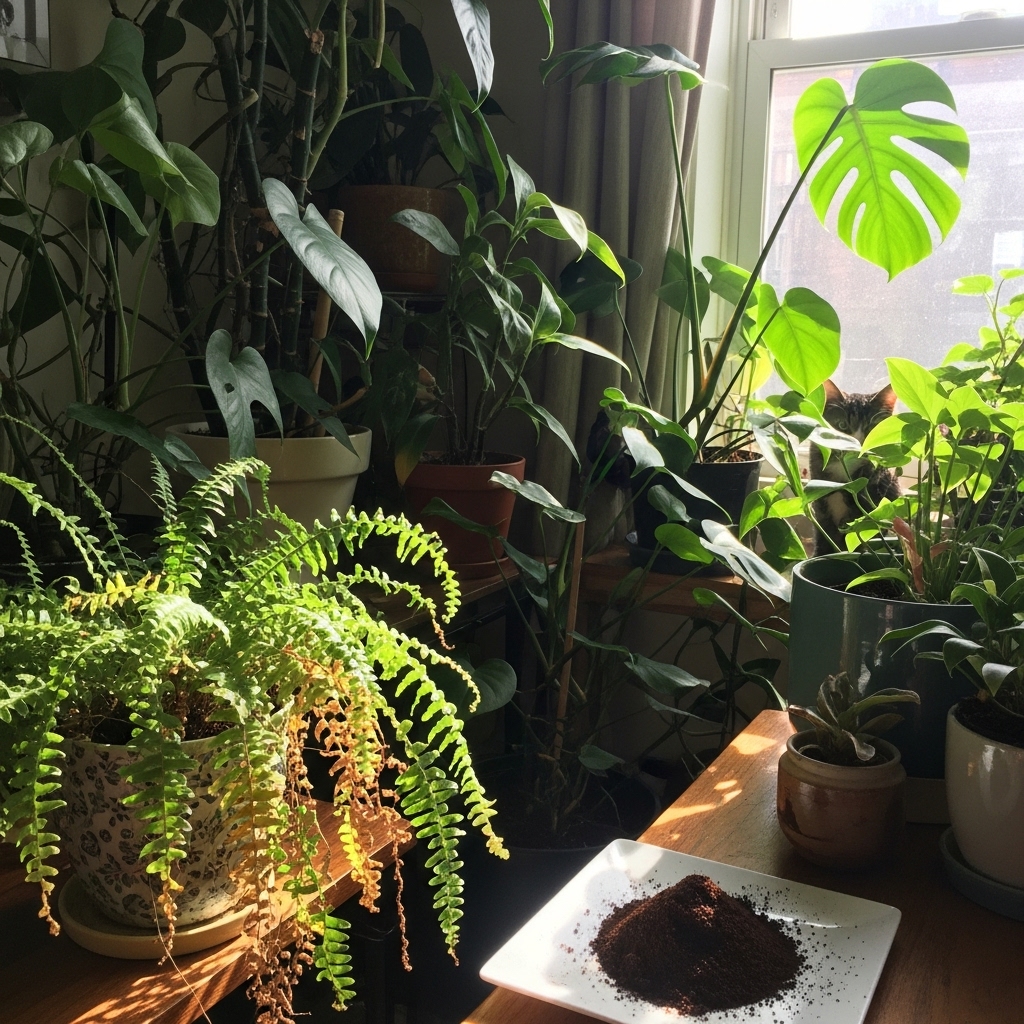
Benefits of Using Coffee Grounds in the Garden
When I first started using coffee grounds in my garden, I was amazed by the benefits they offered. Here are some of the most significant advantages:
- Nutrient-Rich: Coffee grounds are rich in nitrogen, potassium, and phosphorus, essential nutrients for plant growth. I noticed my plants thriving after introducing them to this organic material.
- Soil Structure Improvement: Coffee grounds help improve soil texture, making it easier for roots to grow and absorb moisture. I found that my soil became looser and more aerated, which was fantastic for my plants.
- Attracts Earthworms: These little creatures love coffee grounds! I’ve seen more earthworms in my garden since I started using them, and they help aerate the soil and break down organic matter.
- Pest Deterrent: Some gardeners, including myself, have noticed that coffee grounds can act as a natural pest repellent against slugs and snails. I’ve seen fewer of these pests munching on my beloved plants since incorporating them into my gardening routine.
Common Misconceptions About Coffee Grounds
Even though coffee grounds have many benefits, there are some misconceptions I’ve encountered. One common myth is that coffee grounds are always acidic. While they can have a slightly acidic pH, when used in moderation, they don’t significantly alter the soil’s pH. I’ve seen friends worry about harming their plants with acidity, but I’ve found that the benefits often outweigh the risks when used correctly.
Another misconception is that coffee grounds can be used in unlimited amounts. I initially thought that the more I added, the better, but I soon learned that moderation is key. Too many coffee grounds can lead to compaction and poor drainage. It’s important to balance them with other organic materials to ensure healthy soil.
Plants That Do Not Like Coffee Grounds
Acid-Loving Plants
While some plants thrive in acidic conditions, there are others that may not appreciate coffee grounds. Interestingly, I discovered that certain acid-loving plants can still be affected by excess acidity. For instance, while blueberries and azaleas enjoy acidic soil, too much coffee grounds can create overly acidic conditions that hinder their growth. I’ve learned that it’s essential to monitor the overall soil pH when using coffee grounds around these plants.
Plants Sensitive to Caffeine
Believe it or not, some plants can be sensitive to caffeine, which is naturally present in coffee grounds. I found out that certain species, especially those in the tomato family, might have adverse reactions to it. This was surprising to me because I had always thought that natural ingredients would be harmless. If you’re growing tomatoes, peppers, or eggplants, it’s best to limit coffee ground usage to avoid stunting their growth. Read Interesting article: How to Grow Cilantro Plants Successfully at Home
Root Vegetables
Root vegetables like carrots, potatoes, and radishes are another group that doesn’t particularly thrive with coffee grounds. I remember the disappointment I felt when my carrot yield was less than expected after I added too many coffee grounds. The grounds can create a dense layer in the soil, which can hinder root expansion. It’s best to keep these crops away from coffee grounds and focus on using them with leafy greens or flowering plants instead.
Succulents and Cacti
Succulents and cacti are some of my favorite plants, as they require minimal care. However, I quickly learned that they don’t do well with coffee grounds. These plants thrive in well-draining soil, and coffee grounds can retain moisture, leading to root rot. If you have a collection of succulents, I recommend steering clear of coffee grounds altogether to keep them healthy and happy.
Herbs with Low Tolerance
Many herbs are sensitive to changes in soil conditions, and I found that delicate herbs like basil and mint can be adversely affected by coffee grounds. Too much nitrogen from the grounds can lead to lush foliage but sparse flavor, which was disappointing for my culinary adventures. When growing herbs, it’s wise to use coffee grounds sparingly and to monitor their health closely.
Signs Your Plants Dislike Coffee Grounds
Stunted Growth
One of the most alarming signs that your plants may not appreciate coffee grounds is stunted growth. I remember feeling puzzled when some of my expectedly vigorous plants didn’t seem to grow at all. After some investigation, I realized that the coffee grounds I had been adding might have been the culprit. When plants receive too much caffeine or excess acidity from coffee grounds, their growth can slow down significantly. If you notice that your once-thriving plants are now lagging behind, it might be time to reassess your coffee ground usage.
Leaf Discoloration
Another indicator that your plants are unhappy with coffee grounds is leaf discoloration. I’ve seen this firsthand when some of my plants developed yellowing leaves after I sprinkled coffee grounds around them. This can be a sign of nutrient imbalance or stress, often linked to an excess of nitrogen. In my experience, if you start to see yellow leaves or other unusual colors appearing, it’s a good idea to step back, review how much coffee grounds you’ve used, and consider adjusting your approach.
Pest Attraction
While coffee grounds are known to repel certain pests, I’ve also found that they can attract others if not used wisely. I used to be cautious about adding coffee grounds, fearing they might draw unwanted visitors to my garden. Unfortunately, I learned the hard way that a heavy layer of coffee grounds can create a cozy environment for some pests like fruit flies or fungus gnats. If you notice an increase in pests after using coffee grounds, it might be time to cut back and try other methods to keep pests at bay.
Alternatives to Coffee Grounds for Soil Enrichment
Compost Options
If you’re looking for alternatives to coffee grounds, compost is a fantastic option. I’ve always believed that composting is one of the best ways to enrich soil naturally. It provides a balanced mix of nutrients and improves soil structure. When I started composting kitchen scraps, yard waste, and even some shredded paper, I noticed a remarkable improvement in my garden. It’s like giving my plants a complete meal rather than just a side dish! Just make sure to balance your greens (like coffee grounds) with browns (like dried leaves) for the best results.
Other Organic Fertilizers
There are plenty of other organic fertilizers that can work wonders in the garden. For me, worm castings have become a favorite. They are rich in nutrients and beneficial microorganisms that help plants thrive. I remember the first time I introduced them to my garden; my plants looked healthier and more vibrant than ever. Other options include bone meal for phosphorus and blood meal for nitrogen. Choosing the right organic fertilizer can really depend on your specific plants’ needs and the nutrients your soil may be lacking.
Natural Mulching Materials
Instead of coffee grounds, consider using natural mulching materials like straw, wood chips, or grass clippings. I’ve found that these materials help retain moisture in the soil, suppress weeds, and eventually break down to add nutrients back into the ground. Plus, they create a more aesthetically pleasing garden bed, which I always appreciate! When I switched to mulching with straw around my vegetables, I noticed that the soil stayed cooler during hot days, leading to happier plants.
Best Practices for Using Coffee Grounds in the Garden
How to Properly Use Coffee Grounds
When I first started using coffee grounds, I didn’t realize the importance of proper application. I recommend using them sparingly and mixing them into the soil instead of just layering them on top. This helps avoid compaction while allowing the nutrients to integrate better with the soil. I like to blend the grounds with other organic matter, too, which gives a more balanced nutrient profile for my plants. I’ve also found that brewing the grounds again can reduce the caffeine content, making them safer for sensitive plants.
Mixing Coffee Grounds with Other Amendments
Speaking of mixing, it’s helpful to combine coffee grounds with other soil amendments. I often blend them with compost or aged manure to create a nutrient-rich mixture that my plants love. This combination not only enriches the soil but also provides a balanced set of nutrients. I recommend experimenting with different ratios to see what works best for your plants. From my experience, finding that sweet spot can lead to the healthiest garden!
How Much is Too Much?
Determining how much coffee grounds is too much can be tricky. I learned that a good rule of thumb is to use no more than 20% coffee grounds in your soil or compost mix. It’s easy to get carried away when you’re excited about your gardening, but moderation is key. I usually start with a small handful and observe how my plants respond before adding more. Keeping a close eye on plant health helps ensure that I don’t overwhelm them with too many coffee grounds.
Frequently Asked Questions About Coffee Grounds and Plants
Can I use coffee grounds for all plants?
While coffee grounds can benefit many plants, not all of them are suitable for this ingredient. As we’ve discussed, some plants may be sensitive to caffeine or excess acidity. It’s essential to know your plants and their specific needs before incorporating coffee grounds into your gardening routine.
Do coffee grounds attract pests?
Yes, coffee grounds can attract certain pests when used excessively. While they can deter some pests, like slugs and snails, they may also create a favorable environment for others, such as fruit flies and fungus gnats. Monitoring your garden for any changes in pest activity after using coffee grounds is crucial.
How to store coffee grounds for gardening?
Storing coffee grounds is pretty simple! I keep mine in an airtight container to prevent them from getting moldy. They can be stored in the fridge for a longer shelf life, or you can freeze them if you have a large quantity. When I’m ready to use them, I simply take out the desired amount and allow them to reach room temperature before adding them to my garden. This little trick has worked well for me!
Alternatives to Coffee Grounds for Soil Enrichment
Compost Options
As I explored various ways to enrich my garden soil, I found that composting is truly one of the best methods. I started composting with kitchen scraps, yard waste, and even some shredded paper. The results were nothing short of magical! Composting creates a balanced mix of nutrients that my plants absolutely love. It felt like giving them a complete meal instead of just a side dish.
In my experience, compost provides a slow release of nutrients, which is something I’ve appreciated as it allows my plants to access the nourishment over time. I remember the first time I added compost to my garden; it felt as if my plants were rejuvenated, growing stronger and healthier. By combining green materials (like coffee grounds) with brown materials (like dry leaves), I was able to create the perfect blend for an enriched garden bed.
Other Organic Fertilizers
While coffee grounds have their perks, I realized there are many other organic fertilizers that can work wonders in the garden. One of my favorites has become worm castings. The first time I tried them, I was amazed at how rich they were in nutrients and beneficial microorganisms. The difference in my plants was noticeable almost immediately! They seemed to thrive, and I found my blooms more vibrant than ever.
Other options include bone meal for phosphorus and blood meal for nitrogen. Experimenting with different organic fertilizers has opened up new possibilities in my gardening practice. I’ve learned that the choice often depends on the specific needs of my plants. For instance, when I noticed my tomatoes were struggling, I decided to add some bone meal to boost their nutrient intake, and it worked wonders!
Natural Mulching Materials
If you’re looking for alternatives to coffee grounds, I highly recommend natural mulching materials like straw, wood chips, or grass clippings. I’ve recently started using straw as mulch around my vegetables, and it has done wonders for my garden. Not only does it help retain moisture, but it also suppresses weeds and eventually breaks down to add valuable nutrients to the soil.
One of the things I love about mulching with natural materials is how it creates an aesthetically pleasing garden bed. It feels rewarding to see my plants thriving in a well-organized and healthy environment. Plus, when I noticed that the soil stayed cooler on hot days thanks to the straw mulch, I was thrilled! It’s amazing how a simple change can lead to happier plants.
Best Practices for Using Coffee Grounds in the Garden
How to Properly Use Coffee Grounds
When I first started using coffee grounds, I was eager to see results and perhaps didn’t give enough thought to proper application. I quickly learned that using them sparingly and mixing them into the soil rather than just layering them on top is the best approach. This method prevents compaction, allowing the nutrients to integrate better with the soil.
To get the most out of my coffee grounds, I like to blend them with other organic matter. This ensures my plants receive a balanced nutrient profile. Another trick I’ve found helpful is to brew the grounds again before adding them to my garden. This process reduces the caffeine content, making them safer for caffeine-sensitive plants.
Mixing Coffee Grounds with Other Amendments
Combining coffee grounds with other soil amendments has been one of my favorite discoveries in gardening. I often mix them with compost or aged manure to create a nutrient-rich mixture that my plants absolutely love. This combination not only enriches the soil but also provides a more balanced set of nutrients. I recommend experimenting with different ratios to find what works best for your plants, as I’ve seen firsthand how finding that sweet spot can lead to a healthier garden.
How Much is Too Much?
Figuring out how much coffee grounds is too much can be a bit tricky. I learned early on that a good rule of thumb is to use no more than 20% coffee grounds in your soil or compost mix. It’s easy to get carried away, especially when I see how much my plants seem to love the grounds, but moderation is key! I usually start with a small handful and closely observe how my plants respond before adding more.
Keeping a close eye on their health has been crucial in ensuring I don’t overwhelm them with too many coffee grounds. I’ve found that being attentive to their needs helps me maintain a thriving garden, and it’s incredibly rewarding to see the fruits of my labor come to life!
Frequently Asked Questions
Can I use coffee grounds for all plants?
While coffee grounds can benefit many plants, not all of them are suitable for this ingredient. Some plants may be sensitive to caffeine or excess acidity, so it’s essential to know your plants and their specific needs before incorporating coffee grounds into your gardening routine.
Do coffee grounds attract pests?
Yes, coffee grounds can attract certain pests when used excessively. While they can deter some pests, like slugs and snails, they may also create a favorable environment for others, such as fruit flies and fungus gnats. Monitoring your garden for any changes in pest activity after using coffee grounds is crucial.
How to store coffee grounds for gardening?
Storing coffee grounds is pretty simple! I keep mine in an airtight container to prevent them from getting moldy. They can be stored in the fridge for a longer shelf life, or you can freeze them if you have a large quantity. When I’m ready to use them, I simply take out the desired amount and allow them to reach room temperature before adding them to my garden. This little trick has worked well for me!
Alternatives to Coffee Grounds for Soil Enrichment
Compost Options
As I explored various ways to enrich my garden soil, I found that composting is truly one of the best methods. I started composting with kitchen scraps, yard waste, and even some shredded paper. The results were nothing short of magical! Composting creates a balanced mix of nutrients that my plants absolutely love. It felt like giving them a complete meal instead of just a side dish.
In my experience, compost provides a slow release of nutrients, which is something I’ve appreciated as it allows my plants to access the nourishment over time. I remember the first time I added compost to my garden; it felt as if my plants were rejuvenated, growing stronger and healthier. By combining green materials (like coffee grounds) with brown materials (like dry leaves), I was able to create the perfect blend for an enriched garden bed.
Other Organic Fertilizers
While coffee grounds have their perks, I realized there are many other organic fertilizers that can work wonders in the garden. One of my favorites has become worm castings. The first time I tried them, I was amazed at how rich they were in nutrients and beneficial microorganisms. The difference in my plants was noticeable almost immediately! They seemed to thrive, and I found my blooms more vibrant than ever.
Other options include bone meal for phosphorus and blood meal for nitrogen. Experimenting with different organic fertilizers has opened up new possibilities in my gardening practice. I’ve learned that the choice often depends on the specific needs of my plants. For instance, when I noticed my tomatoes were struggling, I decided to add some bone meal to boost their nutrient intake, and it worked wonders!
Natural Mulching Materials
If you’re looking for alternatives to coffee grounds, I highly recommend natural mulching materials like straw, wood chips, or grass clippings. I’ve recently started using straw as mulch around my vegetables, and it has done wonders for my garden. Not only does it help retain moisture, but it also suppresses weeds and eventually breaks down to add valuable nutrients to the soil.
One of the things I love about mulching with natural materials is how it creates an aesthetically pleasing garden bed. It feels rewarding to see my plants thriving in a well-organized and healthy environment. Plus, when I noticed that the soil stayed cooler on hot days thanks to the straw mulch, I was thrilled! It’s amazing how a simple change can lead to happier plants.