
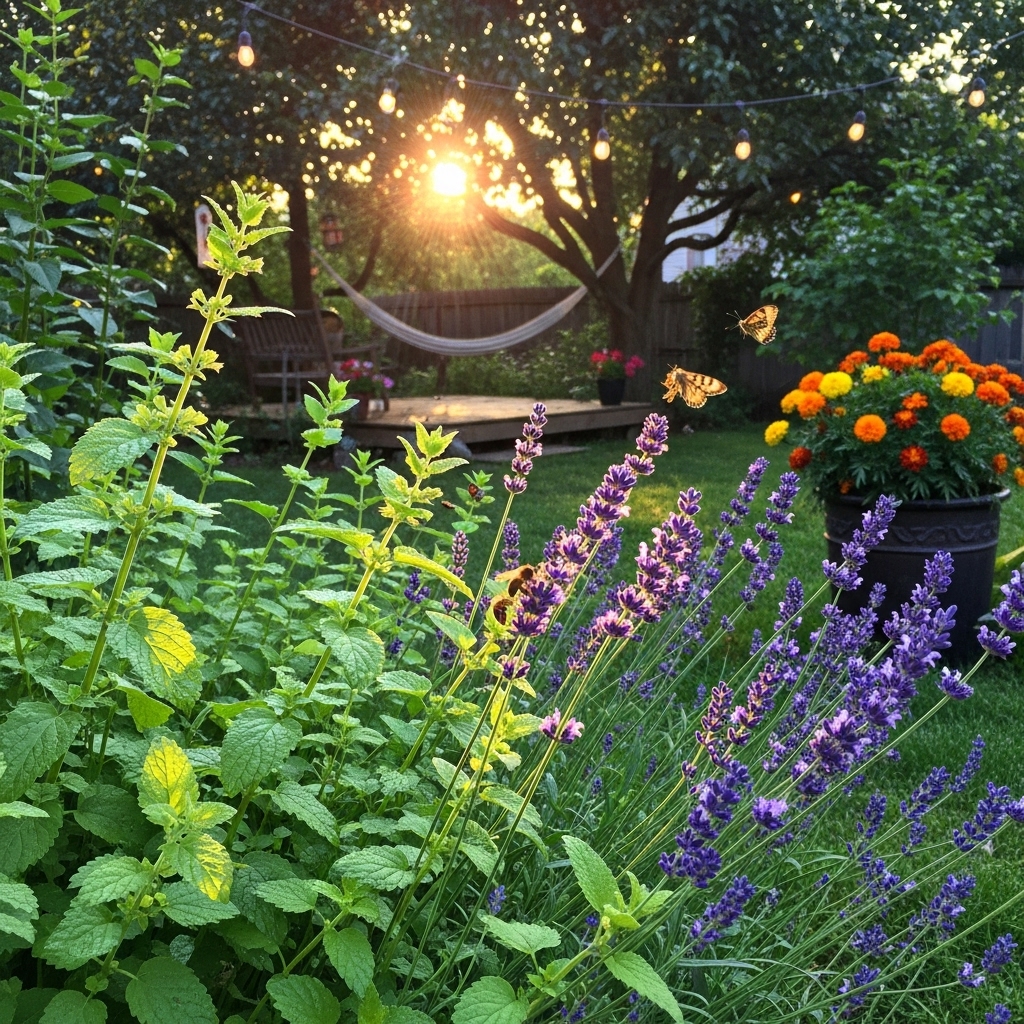
The best plants to keep mosquitoes away include Lemon Balm, Citronella Grass, Lavender, Basil, Rosemary, Catnip, Pennyroyal, and Marigolds. These plants not only add beauty to our gardens but also serve as natural repellents, making outdoor spaces more enjoyable. For more detailed information, check out What Plants Repel Mosquitoes? Top Natural Repellent Plants.
Understanding Mosquito Behavior
Why Mosquitoes Are Attracted to Humans
I’ve always been fascinated by mosquitoes and their relentless pursuit of our blood. It turns out that these pesky insects are drawn to us for several reasons. The main attractants are carbon dioxide, body heat, and certain body odors. When we breathe, we exhale carbon dioxide, which mosquitoes can sense from a distance. Additionally, they are attracted to the lactic acid, uric acid, and ammonia present in our sweat. I remember a summer evening when I was sitting outside with friends, and we couldn’t figure out why some of us were getting bitten more than others. It turns out that our body chemistry plays a significant role in how appealing we are to these insects! It’s quite a game of chance.
Life Cycle of Mosquitoes
Understanding the life cycle of mosquitoes has been eye-opening for me. It starts with the female laying eggs in stagnant water—something I’ve found to be a common sight in ponds or even in our own backyards. These eggs hatch into larvae and then pupae before emerging as adult mosquitoes. The entire process can take as little as a week, depending on the temperature and conditions. I’ve learned that controlling the life cycle is crucial in reducing mosquito populations. By eliminating standing water and being aware of their breeding habits, we can make a significant impact on their numbers. For further insights, you can read about What Is a Mosquito Repellent Plant? Best Choices.
Top Plants That Repel Mosquitoes
Lemon Balm
Lemon Balm has become one of my favorite plants for natural mosquito control. This herb contains citronellal, a natural compound that mosquitoes dislike. I’ve planted it in pots around my patio, and not only does it give off a lovely lemon scent, but it also helps keep those annoying bugs at bay. I love rubbing the leaves on my skin for an extra layer of protection, and it’s quite refreshing on a hot day!
Citronella Grass
Citronella Grass is perhaps the most famous mosquito-repelling plant. I remember the first time I lit a citronella candle during a backyard barbecue; it was like magic! The strong scent of citronella masks the scents that attract mosquitoes, making it harder for them to find humans. I’ve found that planting citronella grass in my garden not only deters mosquitoes but also adds a tropical feel to my outdoor space. Plus, it’s easy to care for, requiring just a bit of sunlight and water.
Lavender
Lavender has always been a staple in my garden, and I love that it doubles as a mosquito repellent. Its beautiful purple flowers are not just for decoration; the scent is pleasant for us but repulsive to mosquitoes. I often dry the flowers and use them in sachets around the house. One evening, while relaxing on my porch, I noticed how the lavender kept the mosquitoes away while I enjoyed the calming aroma. It’s a win-win!
Basil
Basil is another fantastic plant that has become a regular in my kitchen and garden. The strong scent of basil is known to ward off mosquitoes, and it’s a wonderful addition to summer dishes. I often snip off some fresh basil leaves to toss in my salad or pasta while knowing I’m also helping to keep mosquitoes at bay. I once made a basil-infused oil that not only enhanced my food but also served as a natural repellent when applied to my skin.
Rosemary
Rosemary is a robust herb that thrives in gardens, and it’s also effective against mosquitoes. I’ve started using rosemary sprigs as skewers for grilling vegetables and meats, and the aromatic smoke keeps mosquitoes away during outdoor gatherings. It’s become a delightful tradition! Plus, rosemary is drought-resistant, so it’s easy to maintain. I’ve discovered that the more I use it, the more I appreciate both its culinary and repellent qualities.
Catnip
Catnip is not just for our feline friends; it also has mosquito-repelling properties that I find intriguing. Research has shown that catnip can be more effective than DEET, the active ingredient in many commercial repellents. I’ve planted some in my garden, and while my cat loves rolling in it, I love that it helps keep the mosquitoes away. It’s a fun plant that serves multiple purposes!
Pennyroyal
Pennyroyal is a lesser-known herb that I stumbled upon while researching natural repellents. This mint family member has a strong scent that mosquitoes find offensive. I’ve learned that it can be used in potpourri or as a fresh herb in cooking. However, I’ve also read that it should be used cautiously, as it can be toxic in large quantities. I make sure to plant it in a designated area where I can keep an eye on it. Its strong aroma is a powerful deterrent against those pesky bites.
Marigolds
Marigolds are a vibrant addition to any garden, and they serve as more than just eye candy. Their scent is known to repel mosquitoes and other garden pests, which I’ve found to be beneficial in keeping my vegetables safe. I love planting marigolds alongside my tomatoes and peppers; it helps protect my plants while adding a splash of color. Plus, they are easy to grow and require minimal care, making them a favorite for any gardener.
How to Use These Plants for Maximum Effectiveness
Planting in Your Garden
When it comes to planting mosquito-repelling plants, I’ve discovered that placement is key. For me, I like to create a designated area in my garden where I can group these plants together. This not only makes the space look beautiful but also boosts their effectiveness. I usually opt for a sunny spot that allows them to thrive. Having plants like citronella grass and lavender side by side creates a fragrant barrier that mosquitoes find hard to cross. If you’re working with limited space, pots are a fantastic alternative. I’ve seen how even a small pot of basil on my balcony can help deter those pesky insects while still making my cooking more delightful.
Creating a Mosquito-Repelling Herb Garden
I’ve found that creating a dedicated herb garden can be both functional and aesthetically pleasing. Mixing different plants like rosemary, basil, and marigolds not only adds variety but also enhances the overall repellent effect. I remember the joy of planting these herbs together and watching them flourish. I recommend using organic soil and avoiding chemical fertilizers, as they can interfere with the natural properties of these plants. I also like to regularly prune them; this encourages new growth and helps keep their scents strong, ensuring they remain effective against mosquitoes.
Using Essential Oils from These Plants
The essential oils from these plants have become a favorite tool of mine in the fight against mosquitoes. After doing some research, I learned that these oils can be incredibly potent. I often make my own mosquito repellent spray using essential oils extracted from citronella, lavender, and eucalyptus. It’s a simple process, really! I mix a few drops of each oil with a carrier oil, like coconut or jojoba oil, and apply it to my skin before heading outside. I’ve noticed that it lasts longer than commercial repellents, and I feel good knowing I’m using something natural. Plus, the scent is far more pleasant than those chemical-laden sprays!
Other Natural Repellents and Alternatives
Essential Oils as Repellents
Essential oils have really opened up a new world for me when it comes to repelling mosquitoes. I’ve found that oils like tea tree, eucalyptus, and peppermint work wonders. I remember a camping trip where I forgot to bring my usual repellents. Luckily, I had a small bottle of tea tree oil in my bag. I mixed it with water in a spray bottle, and it worked surprisingly well! It’s amazing how nature offers us these powerful solutions. I’ve started using a few drops of these oils in a diffuser during outdoor gatherings, creating a pleasant atmosphere while keeping unwanted guests at bay.
Homemade Mosquito Spray Recipes
Making homemade mosquito spray has been a fun experiment for me. I’ve tried various recipes, but one of my favorites combines witch hazel, apple cider vinegar, and essential oils. The smell is a bit strong at first, but once it settles, it’s refreshing. I’ve found that this mixture not only repels mosquitoes but also acts as a natural skin toner. It’s a win-win! When I share it with friends, they’re often surprised by how effective it is compared to store-bought options. I recommend storing it in a cool, dark place to maintain its potency.
Other Natural Insect Repellent Plants
Aside from the plants we’ve discussed, I’ve stumbled upon a few other natural insect-repelling plants that are worth considering. For example, garlic is a powerhouse when it comes to keeping pests away. I’ve planted garlic cloves in my garden, and the smell alone seems to deter mosquitoes and other insects. Another one I’ve discovered is neem tree leaves, which can be used to make a natural insecticide. I find it fascinating how many options we have at our disposal when it comes to natural repellents. Incorporating a variety of these plants not only beautifies my garden but also ensures a more enjoyable outdoor experience. If you’re curious about more options, check out Buzz Off! 25 Incredible Plants That Naturally Repel Mosquitoes.
Best Practices for a Mosquito-Free Outdoor Space
Maintaining Your Garden
Maintaining a garden filled with mosquito-repelling plants has become a rewarding part of my routine. I’ve learned that regular upkeep not only keeps the space looking neat but also enhances the plants’ effectiveness against mosquitoes. I make it a point to deadhead flowers and trim back overgrown herbs. This not only promotes healthy growth but also encourages the release of their natural scents. I remember the first time I pruned my lavender; it seemed to thrive even more afterward, and the delightful fragrance filled the air. Keeping the plants healthy makes them stronger against pests and enriches our outdoor experiences!
Water Management to Reduce Breeding Sites
One of the most impactful lessons I’ve learned is the importance of water management in our yards. Mosquitoes thrive in stagnant water, so I’ve made it a priority to eliminate any potential breeding sites. I often check around my property for standing water—like in plant saucers, birdbaths, and clogged gutters. When I find any, I either dump it out or ensure it’s replaced regularly. I’ve even set up my birdbath with a solar fountain to keep the water moving; it not only adds a lovely aesthetic but also helps dissuade mosquitoes from laying eggs. By being diligent about water management, I’ve noticed a significant decrease in mosquito presence during the warmer months.
Complementary Natural Repellents (e.g., Garlic, Eucalyptus)
In addition to the plants I’ve already mentioned, I’ve discovered some complementary natural repellents that work wonders in tandem. Garlic is a powerful ally in the fight against mosquitoes. I remember learning from a friend about the benefits of planting garlic in the garden. Not only does it add flavor to my cooking, but its pungent aroma is also a strong deterrent for these pesky insects. I’ve often crushed garlic cloves and mixed them with water to create a natural spray that I can apply to my plants and around my outdoor spaces.
Eucalyptus is another fantastic addition. I planted some eucalyptus trees in a corner of my yard, and they’ve been a game-changer. The oil from eucalyptus leaves is known for its mosquito-repelling properties, and the smell is quite pleasant for us! I often crush a few leaves and rub them on my skin, combining their aroma with other essential oils for an added boost.
By integrating these complementary plants and practices, I’ve created a more holistic approach to maintaining a mosquito-free outdoor space. It’s rewarding to watch the garden flourish while enjoying the benefits of these natural solutions.
Safety and Environmental Considerations
Effectiveness of Natural vs. Chemical Repellents
As someone who prefers natural methods, I’ve often wondered about the effectiveness of natural repellents compared to chemical ones. From my experience, I’ve found that while chemical repellents can work quickly, natural options have their own unique advantages. I remember hosting a gathering where I had both types available. People who used the natural options reported fewer bites over the evening, while those who relied on chemical sprays had mixed results. This made me realize that with the right plants and essential oils, we can achieve a similar level of protection without exposing ourselves to harsh chemicals.
Impact on Beneficial Insects
One of the things I love most about using natural repellents is their gentle approach toward the environment. I’ve always been concerned about the impact of chemical pesticides on beneficial insects like bees and butterflies. When I switched to natural methods, I noticed an increase in these helpful pollinators in my garden. I’ve taken care to plant a variety of flowers that attract beneficial insects while keeping mosquitoes at bay. I think that by creating a balanced ecosystem in our gardens, we can enjoy the beauty of nature while still protecting ourselves from unwanted pests.
Frequently Asked Questions
What are some of the best plants to keep mosquitoes away?
The best plants to keep mosquitoes away include Lemon Balm, Citronella Grass, Lavender, Basil, Rosemary, Catnip, Pennyroyal, and Marigolds.
Why are mosquitoes attracted to humans?
Mosquitoes are attracted to humans due to carbon dioxide, body heat, and certain body odors, including lactic acid, uric acid, and ammonia found in sweat.
What is the life cycle of mosquitoes?
The life cycle of mosquitoes starts with the female laying eggs in stagnant water, which hatch into larvae, then pupae, and finally emerge as adult mosquitoes. This process can take as little as a week, depending on conditions.
How can I use Lemon Balm to repel mosquitoes?
Lemon Balm contains citronellal, a compound that mosquitoes dislike. It can be planted around patios, and the leaves can be rubbed on the skin for added protection.
What is the role of essential oils in repelling mosquitoes?
Essential oils extracted from plants like citronella, lavender, and eucalyptus can be used to make homemade mosquito repellent sprays. These oils are potent and provide a natural alternative to chemical repellents.
How can I create a mosquito-repelling herb garden?
To create a mosquito-repelling herb garden, mix different plants like rosemary, basil, and marigolds in a sunny area. Using organic soil and regular pruning can enhance their effectiveness against mosquitoes.
What are some complementary natural repellents to consider?
Complementary natural repellents include garlic and eucalyptus. Garlic can be planted in the garden and used to create sprays, while eucalyptus leaves can be crushed and applied to the skin for added protection.
How can I manage water to reduce mosquito breeding sites?
To manage water and reduce mosquito breeding, check for stagnant water in places like plant saucers, birdbaths, and clogged gutters. Regularly dumping or replacing this water is crucial in preventing mosquito populations from growing.
What are the environmental impacts of using natural versus chemical repellents?
Natural repellents tend to have a gentler impact on the environment compared to chemical ones, as they do not harm beneficial insects like bees and butterflies, promoting a balanced ecosystem in gardens.
What are the benefits of using plants like Marigolds in the garden?
Marigolds not only add color to the garden but also repel mosquitoes and other pests, making them beneficial for protecting vegetables and enhancing the garden’s appearance.