
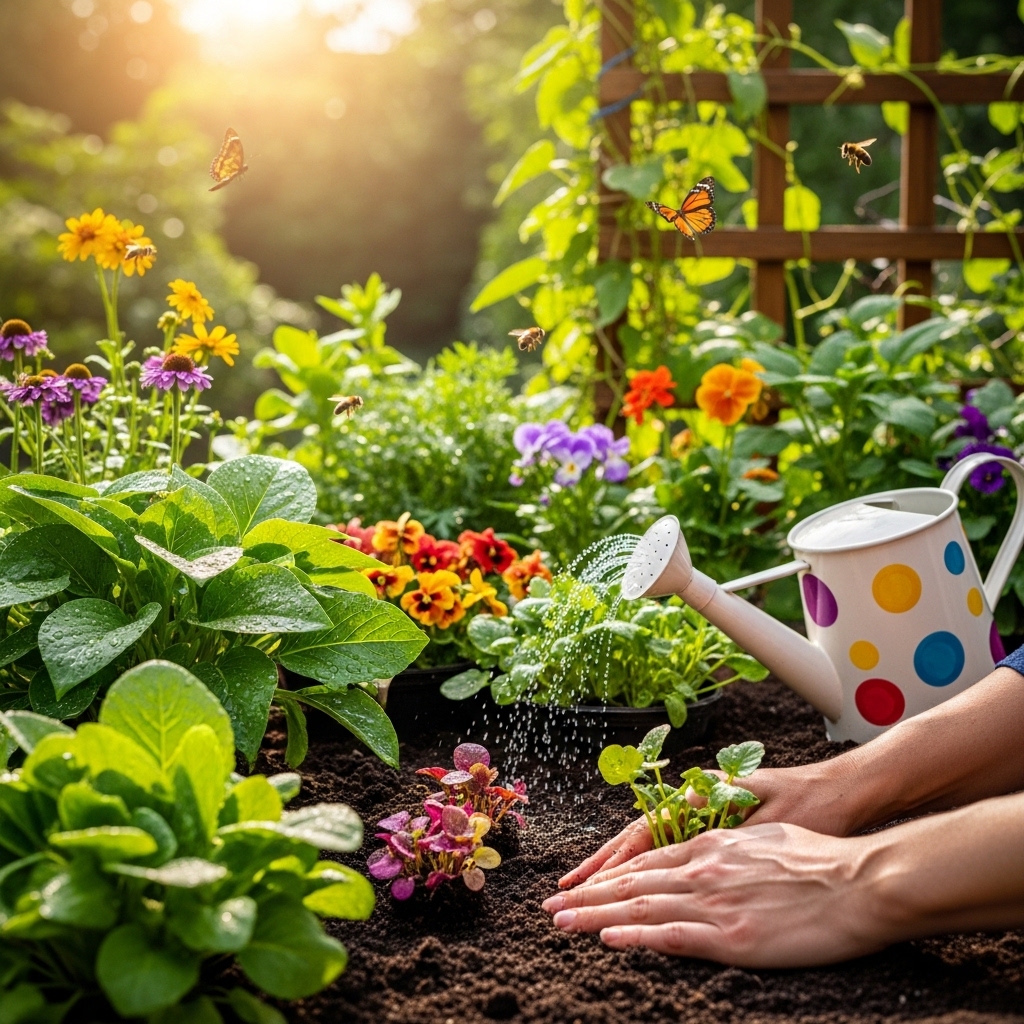
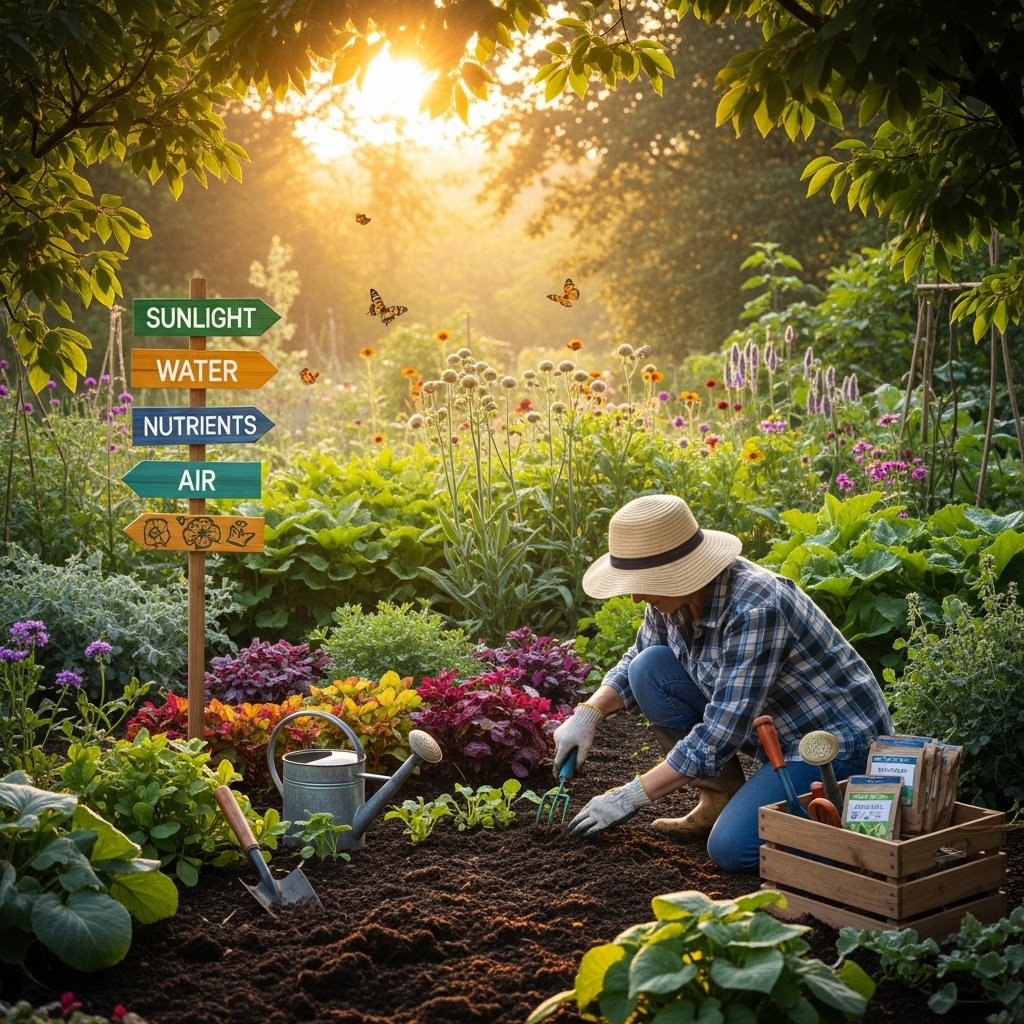
Plants need light, water, soil, nutrients, and the right environmental conditions to grow effectively. I’ve spent countless hours nurturing my own garden, and I can tell you, understanding these essentials is key to successful plant growth. For more in-depth information, check out my article on What Do Plants Need to Grow and Thrive? Full Guide.
Understanding Plant Growth Requirements
When I first started gardening, I was overwhelmed by the sheer amount of information out there about what plants need to thrive. It felt like I needed a degree in botany just to keep a few houseplants alive! Over time, I realized that breaking down the fundamentals could make things much easier. So, let’s dive into the basics of what plants really need to grow.
The Basics of Photosynthesis
At the heart of plant growth is a process called photosynthesis. This is how plants turn sunlight into energy. Through their leaves, they absorb sunlight and use it to convert carbon dioxide from the air and water from the soil into glucose, which fuels their growth. I remember the first time I really grasped this concept; it was like a light bulb went off! I understood why my plants seemed to thrive when they were in a sunny spot. Without sufficient sunlight, photosynthesis can’t occur, and plants struggle to survive.
Plant Anatomy and Its Role in Growth
Understanding plant anatomy also helped me appreciate how these beautiful beings grow. Each part of a plant serves a purpose in its life cycle. Roots anchor the plant and absorb water and nutrients. The stems provide support, allowing leaves to capture sunlight efficiently. And the leaves, oh those lovely leaves, are where the magic of photosynthesis happens. I’ve noticed that when I take the time to observe these structures, I can better care for my plants. For example, damaged leaves can indicate a problem with lighting or watering. Recognizing these signs early can save a plant from decline.
Essential Elements for Plant Growth
Once I got a grasp of the basics, I wanted to dig deeper into what specific elements my plants needed. This is where I found my checklist of essentials for plant growth. Let’s explore these crucial elements one by one.
Light: The Energy Source
Light is arguably the most important factor. Different plants have different light requirements, and as I’ve learned the hard way, not all plants thrive in full sun. Some prefer partial shade, while others can handle direct sunlight all day. I always recommend observing your plants closely. If they’re stretching towards the light, they might not be getting enough. On the flip side, leaf burn can signal too much sun exposure. I’ve found that using sheer curtains can help filter light for sensitive plants, creating a happy medium.
Water: The Lifeblood of Plants
Water is another critical component. I used to think that more water meant happier plants, but I quickly learned that overwatering can be just as harmful as underwatering. Plants need a consistent moisture level, and it’s essential to understand the specific needs of each type. I’ve developed a routine where I check the soil’s moisture before watering, sticking my finger about an inch deep. If it’s dry, it’s time for a drink. If it’s still moist, I wait. This simple practice has saved many of my plants from root rot!
Soil: The Foundation of Nutrients
The quality of soil can’t be overlooked. I’ve experimented with various soil types and found that a good potting mix can make a world of difference. It should be well-draining yet retain enough moisture. I remember when I neglected to check the soil mix for my succulents; they suffered because of it! Adding organic matter like compost can enrich the soil and improve its structure. I always make sure to refresh the top layer of soil in my pots regularly to keep nutrients available. For a complete understanding of soil basics, refer to my article on What Do Plants Need to Grow? Complete Basics Guide.
Nutrients: Macro and Micronutrients
Plants also require nutrients to grow, which can be categorized into macronutrients and micronutrients. The big three macronutrients are nitrogen, phosphorus, and potassium (NPK). These play vital roles in growth, bloom, and root development. I’ve seen amazing differences in my plants when I started using balanced fertilizers that include these nutrients. However, I learned that it’s just as important to consider the micronutrients like calcium, magnesium, and sulfur. Even trace elements like iron and zinc are crucial for healthy growth. I recently used a soil test kit and was amazed by how much I learned about what my plants were missing!
Nitrogen, Phosphorus, and Potassium (NPK)
Nitrogen promotes leafy growth, phosphorus supports flowering and root development, and potassium aids in overall health and disease resistance. When I started focusing on these nutrients, I noticed my plants not only grew taller but also produced more blooms. It felt rewarding to see the results of my efforts!
Calcium, Magnesium, and Sulfur
Calcium is essential for cell wall structure, magnesium is key for chlorophyll production, and sulfur helps with protein synthesis. I didn’t realize how vital these elements were until I noticed my plants developing signs of deficiency. Now, I make sure to include a well-rounded fertilizer in my routine.
Trace Elements: Iron, Manganese, Zinc, etc.
Trace elements might seem minor, but they are critical for various physiological functions in plants. For instance, iron is essential for chlorophyll synthesis, and a deficiency can lead to yellowing leaves—a sign I learned to catch early. Keeping an eye on these subtle changes in my plants helps me provide the right care. I often recommend doing a bit of research on the specific needs of the plants in your home or garden because it can make all the difference.
Environmental Factors Affecting Plant Growth
After diving into the essential elements that plants need, I realized that environmental factors play a huge role in their overall health and growth. It’s fascinating how things like temperature, humidity, and air circulation can make or break our green friends. Let’s explore these aspects a bit further based on my own experiences and observations.
Temperature: The Importance of Climate
Temperature is perhaps one of the most crucial factors affecting plant growth. Different plants thrive in different temperature ranges, and I’ve learned to pay attention to these specifics. For instance, tropical plants love warmth and can struggle when temperatures drop too low. I recall a time when I brought home a beautiful hibiscus plant, only to realize a few weeks later that my home was too chilly for it during winter. The leaves started to turn yellow and drop off, which was a clear sign of distress. Now, I always check the preferred temperature range for any new plant I’m considering, adjusting my home’s heat or using grow lights as needed to keep my plants happy.
Humidity: Understanding Moisture Levels
Humidity is another factor that often gets overlooked but is equally important in plant care. Many plants, especially tropical ones, thrive in higher humidity levels. I remember visiting a local greenhouse and being amazed by the moisture in the air. Since then, I’ve tried to replicate that environment for my indoor plants. I often mist my plants or use a small humidifier during the dry winter months. It’s incredible how a little extra humidity can perk up the leaves and promote healthy growth. I’ve seen noticeable improvements in my ferns and peace lilies since implementing this strategy.
Air Circulation: Preventing Stagnation
Air circulation might not be something that pops into our minds immediately, but it plays a significant role in plant health. I learned this lesson after noticing some of my plants developing mold and mildew. Poor air circulation can lead to stagnant air, especially in tightly packed areas. To combat this, I ensure that my plants aren’t overcrowded and that there’s enough space for air to flow freely around them. I even use small fans in my indoor garden during the hotter months to promote movement, which also helps prevent pests from settling in. Good airflow not only keeps plants healthy but also creates a more vibrant growing environment.
Specific Plant Needs: Variations by Type
As I continued my gardening journey, I discovered that different types of plants have unique needs. Understanding these specific requirements has been eye-opening and has allowed me to create a tailored care plan for each plant. Let’s break down what I’ve learned about the needs of indoor plants, outdoor plants, and vegetables.
Indoor Plants: Light and Humidity Requirements
Indoor plants can vary widely in their light and humidity needs. I’ve kept many types over the years, from succulents to tropical varieties. One thing I found is that bright, indirect light strikes the perfect balance for many indoor plants. For example, my snake plant does well in low light, while my monstera thrives in brighter spaces. I often rotate my pots to ensure they’re evenly exposed to light. Humidity is another factor I consider; some plants, like my orchids, absolutely love it. I make it a point to group moisture-loving plants together, creating a mini humid microclimate that they enjoy.
Outdoor Plants: Seasonal Considerations
Outdoor plants face different challenges, mainly due to the changing seasons. I’ve planted both annuals and perennials, learning the importance of timing and placement. For instance, I always check the frost dates to ensure my delicate plants are protected in early spring and late autumn. I remember one year, I got excited and planted my tomatoes too early, only to have them stunted by a late frost. Now, I rely on local gardening guides to know when to plant. Additionally, I’ve learned about companion planting, which can help deter pests and improve yields—something I’m eager to try with my vegetable garden this year!
Vegetable Gardens: Soil and Water Management
When it comes to growing vegetables, I’ve found that soil quality and water management are essential. I regularly test my garden soil and am not shy about amending it with compost or organic fertilizers to boost nutrient levels. During the hotter months, I’ve learned to implement drip irrigation systems, which deliver water directly to the roots and conserve moisture. This method has worked wonders for my peppers and zucchinis! Additionally, mulching has become a staple practice of mine; it helps keep the soil cool and moist, and I’ve noticed healthier growth as a result.
Signs of Healthy Growth
As I became more invested in my gardening journey, I realized that recognizing the signs of healthy growth was just as crucial as understanding the needs of my plants. It’s rewarding to see our efforts pay off, and knowing what to look for can help us celebrate those triumphs. Let’s explore some key indicators that tell us our plants are thriving.
Leaf Color and Texture
One of the first things I learned to observe was the color and texture of leaves. Healthy leaves should be vibrant and rich in color. For example, deep green leaves usually signify that a plant has sufficient nitrogen. I remember when my once-lush pothos started developing yellowing leaves. It was a wake-up call that something wasn’t quite right, possibly due to overwatering or nutrient deficiencies. On the other hand, if my plant’s leaves are turning crispy and brown at the edges, it might be a sign of underwatering or excessive sun exposure. I often touch the leaves, too; they should feel firm and supple, not wilted or mushy. This tactile check has saved me from making mistakes more than once!
Root Development
While it’s easy to get caught up in the visible parts of the plant, I’ve learned that strong root development is equally important. Healthy roots are typically white and firm, indicating they are absorbing nutrients and water effectively. I often use a transparent pot for my houseplants, which allows me to peek at the roots without disturbing the plant. If I see roots circling around the pot, it’s a sign of root-bound issues, and I know it’s time for a repotting. I remember when I repotted my fiddle leaf fig; the roots had filled the pot completely, and after giving it more space, the plant bounced back beautifully. Observing root health has taught me that taking care of the unseen parts of a plant is just as crucial as the visible ones.
Flowering and Fruiting
Another delightful indicator of a plant’s health is its ability to flower or produce fruit. When I first started growing tomatoes, I was over the moon when I noticed the little yellow flowers appearing. It felt like a badge of honor! Flowers and fruits are signs that a plant is healthy and happy enough to reproduce. However, I also learned that not all plants flower at the same time or in the same conditions. For instance, my herbs tend to flower when they’re stressed, often due to inadequate water or nutrients. It was a bit of a learning curve for me, as I had to adjust my care routine to encourage healthy growth rather than stress them out. Now, I celebrate the blooms and fruits as signals that I’m doing something right!
Common Challenges in Plant Growth
Despite my best efforts, I’ve faced my fair share of challenges in keeping my plants healthy. It’s essential to recognize that every gardener, no matter how experienced, will encounter obstacles. Learning how to identify and manage these challenges has been an integral part of my gardening education.
Pests and Diseases: Identification and Management
Pests and diseases can sometimes feel like the nemesis of a plant lover. I remember the first time I discovered aphids on my beloved rose bush. It was shocking to see these tiny bugs wreaking havoc. After doing some research, I learned how to identify signs of infestation, such as sticky residue on leaves or distorted growth. I’ve found that early detection is key. I now routinely inspect my plants, looking under leaves and around stems. When I spot pests, I often treat them with neem oil or insecticidal soap, which have worked wonders for me. Additionally, I’ve learned about companion planting—some plants naturally repel pests, and I’ve started incorporating these into my garden for an extra layer of protection. If you’re dealing with pests, you might find my guide on How to Get Rid of Gnats in My Plants (Fast Methods) helpful.
Overwatering vs. Underwatering
Finding the right balance between overwatering and underwatering has been a journey. I used to think that if a little water was good, more must be better. However, I quickly learned that drowning my plants was just as harmful as neglecting them. After losing a few beautiful specimens to root rot, I became more diligent. I started using pots with drainage holes and investing in moisture meters to help me gauge when to water. I often remind myself that each type of plant has its unique needs; my succulents require less water than my ferns. This understanding has helped me develop a more intuitive watering schedule that keeps my plants healthy and thriving.
Soil Compaction and Aeration Issues
Soil compaction is another issue I’ve encountered, particularly in my outdoor garden. I noticed that some of my plants were struggling, and the soil felt hard and dense around their roots. This was a clear indication that air and water couldn’t penetrate effectively. To combat this, I’ve learned about the importance of aeration. I often use a garden fork to loosen the soil, especially in the spring, which helps improve drainage and root growth. Additionally, I’ve started incorporating organic matter like compost into my soil to keep it loose and nutrient-rich. This simple practice has made a significant difference in my plants’ overall health.
Tools and Resources for Successful Plant Growth
Having the right tools and resources can make a huge difference in our gardening success. Over time, I’ve gathered a collection of tools that have helped me nurture my plants more effectively. Let’s take a look at some of my favorites.
Soil Test Kits: Understanding Nutrient Levels
Soil test kits have been a game changer for me. At first, I had no idea what my soil was lacking. After using a simple home test kit, I discovered the nutrient levels in my garden soil. This knowledge allowed me to amend my soil appropriately, leading to healthier plants. I often recommend testing the soil before planting, especially if you’re starting a new garden. It’s amazing how this small step can lead to big improvements!
Grow Lights: For Indoor Gardening
As someone who loves indoor gardening, grow lights have become essential. I remember when winter came, and my plants seemed to suffer from the lack of natural sunlight. After investing in some full-spectrum grow lights, I noticed a significant difference in their growth and vitality. These lights mimic sunlight and help keep my indoor plants thriving, especially during those dreary months. I often share tips on how to set them up properly to ensure even light distribution.
Watering Systems: Irrigation Options
Implementing a good watering system has simplified my gardening life immensely. I’ve experimented with various methods, from simple watering cans to drip irrigation systems. The latter has been a blessing for my vegetable garden, especially during hot summers. It delivers water directly to the roots, reducing evaporation and ensuring my plants receive consistent moisture. I’ve found that a well-planned watering system not only saves time but also promotes healthier growth.
Creating a Growth-Friendly Environment
As I reflect on my gardening journey, I realize that creating the right environment is crucial for plant health. I’ve learned that thoughtful planning can lead to thriving plants. Let’s explore how to set the stage for growth.
Choosing the Right Location
Location is everything in gardening. I’ve spent hours repositioning my plants, trying to find the perfect spot that meets their light and temperature needs. For instance, placing my herbs near a sunny window has made a world of difference in their growth. I recommend assessing the light patterns in your home or garden throughout the day to ensure your plants receive the appropriate amount of sunlight. It’s fascinating how a simple change in location can yield such positive results!
Container vs. Ground Planting
Choosing between container and ground planting has been another important decision for me. Container gardening allows for flexibility and easy mobility, which I love. However, I’ve also found that planting directly in the ground can promote healthier root systems due to the increased space. I often alternate between the two depending on the plant type and my available space. I’ve found that some plants, like tomatoes, do exceptionally well in containers, while others, like perennials, thrive in the ground.
Companion Planting: Enhancing Growth with Neighbors
Lastly, I’ve discovered the benefits of companion planting. It’s amazing how certain plants can enhance each other’s growth. For instance, planting basil alongside tomatoes has not only improved the flavor of the tomatoes but also helped deter pests. I enjoy researching which plants work well together and implementing this strategy in my own garden. It’s a fun way to experiment and see the positive impacts firsthand!
Frequently Asked Questions
What are the essential requirements for plant growth?
Plants need light, water, soil, nutrients, and the right environmental conditions to grow effectively.
How does photosynthesis contribute to plant growth?
Photosynthesis is the process through which plants turn sunlight into energy, converting carbon dioxide and water into glucose, which fuels their growth.
What role does soil play in plant health?
The quality of soil is crucial as it serves as the foundation of nutrients. Good soil should be well-draining yet retain enough moisture, and adding organic matter like compost can enrich it.
How can I determine the right amount of water for my plants?
It’s important to check the soil’s moisture before watering by sticking a finger about an inch deep. If it’s dry, it’s time to water; if still moist, wait before watering again.
What are macronutrients and why are they important for plants?
Macronutrients, such as nitrogen, phosphorus, and potassium (NPK), are essential for growth, bloom, and root development. Balanced fertilizers containing these nutrients can significantly improve plant health.
How does temperature affect plant growth?
Different plants thrive in different temperature ranges. For instance, tropical plants prefer warmth and can struggle in cooler temperatures. It’s important to check the preferred temperature for each plant type.
What can I do to increase humidity for my indoor plants?
To increase humidity, you can mist your plants, use a small humidifier, or group moisture-loving plants together to create a mini humid microclimate.
What signs indicate healthy plant growth?
Healthy plants typically have vibrant leaf color and texture, strong root development, and the ability to flower or produce fruit, indicating they are thriving.
What challenges might I face in plant care?
Common challenges include pests and diseases, overwatering or underwatering, and soil compaction, all of which can affect plant health and growth.
What tools can help with successful plant growth?
Useful tools include soil test kits for understanding nutrient levels, grow lights for indoor gardening, and irrigation systems such as drip irrigation to ensure consistent moisture delivery.