
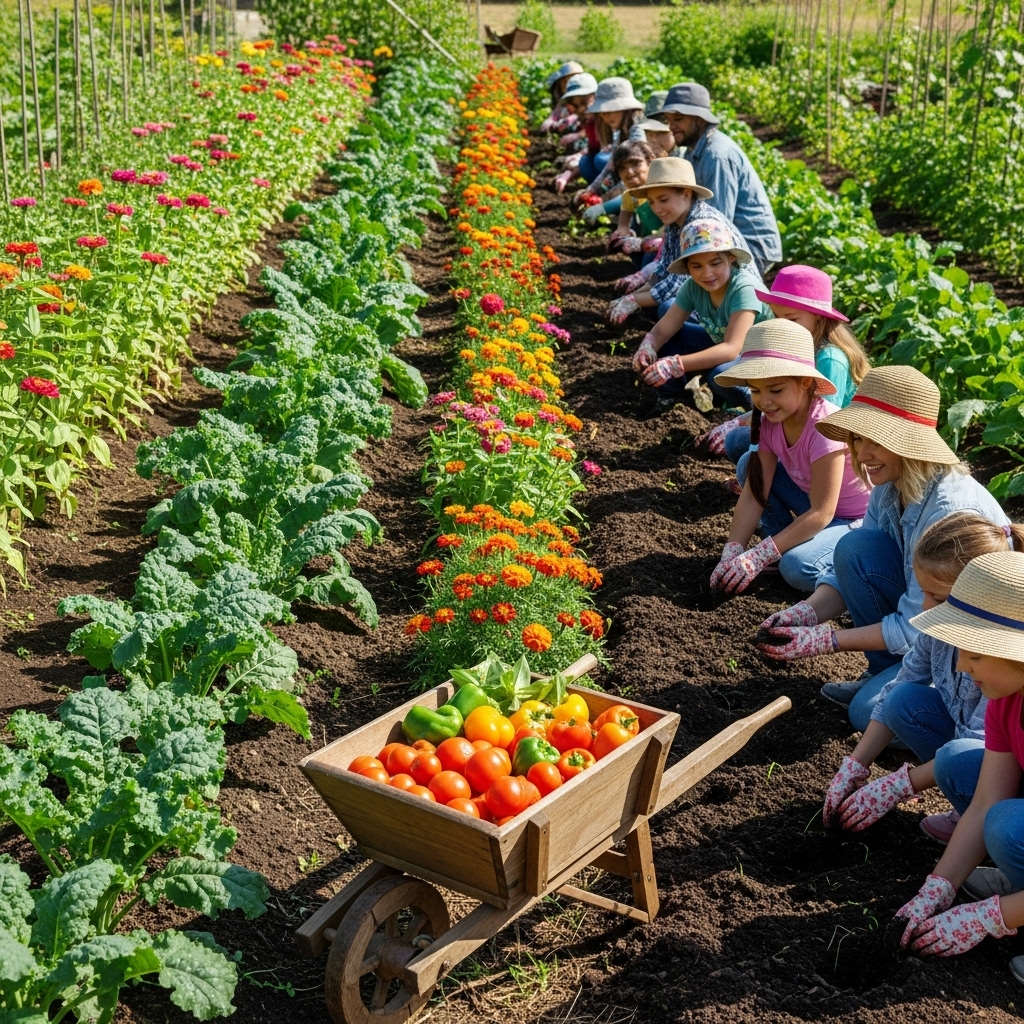
The best crops and flowers to plant in August include cool-season vegetables like spinach and kale, as well as late-blooming annuals such as zinnias. This month offers a unique opportunity to prepare for the fall harvest and create vibrant late summer gardens.
Understanding the Importance of August Planting
August may seem like a time when the gardening season is winding down, but in reality, it’s a critical period for planting and preparation. For many of us, this month can lead to a bountiful fall harvest and a garden that continues to bloom even as summer starts to fade. I’ve learned that understanding the climate considerations and growing zones can significantly impact what we choose to plant during this time.
Climate Considerations
When considering what to plant in August, it’s essential to think about the climate in your area. Depending on where you live, August can bring varying temperatures, humidity levels, and even early hints of fall. I’ve noticed that in some regions, the heat can still be intense, while in others, nights start to cool down significantly.
For instance, in warmer climates, you might find that the sweltering summer sun is still shining bright, making it crucial to select crops that can thrive in heat but also withstand the cooler nights. Meanwhile, in areas with a shorter growing season, I’ve realized that August is the perfect time to start planting cool-weather crops that will mature before the frost hits. Understanding your local climate will guide your planting choices and timing.
Growing Seasons and Zones
In my gardening journey, I’ve discovered that the USDA Plant Hardiness Zone Map is an invaluable tool for determining what can be grown in your specific area. This map divides regions based on climate, helping us determine what crops and flowers are best suited for our local conditions. If you’re in Zone 5, for example, the growing season is shorter than in Zone 8, where you can plant much later into the year.
August is a transitional month, especially for gardeners in the northern regions. I’ve found that this is the perfect time to plant cold-tolerant crops that can grow well into the fall. On the other hand, in warmer zones, you might still have plenty of time to plant summer crops that can continue to produce until the first frost. Understanding these nuances has helped me maximize my garden’s potential, ensuring that I’m always planting at the right time for my specific zone.
Best Vegetables to Plant in August
Now that we’ve set the stage with climate and zone considerations, let’s dive into the best vegetables to plant in August. I’ve found that focusing on cool-season crops, fall harvest vegetables, and certain herbs can really pay off as the summer wanes.
Cool-Season Crops
When I think of cool-season crops, my mind immediately goes to those hearty greens that thrive in the cooler weather. Here are a few that I highly recommend planting in August.
Spinach
Spinach is one of my favorite crops to grow in August. It’s a fast-growing leafy green that can be harvested in just a few weeks. I love that it’s so versatile—I can toss it in salads, smoothies, or sauté it as a side dish. When planting, I make sure to sow the seeds about half an inch deep and keep the soil consistently moist for the best results.
Kale
Kale has become a staple in my garden, and I appreciate how resilient it is. Planting it in August means I can enjoy its rich, nutrient-dense leaves well into the fall and even through winter in milder climates. I’ve had great success with both curly and lacinato varieties, and they tend to get sweeter after a light frost, which is a nice bonus! Read Interesting article: When to Plant Carrots for the Best Harvest
Radishes
Radishes are not only quick to grow, but they also add a nice crunch and a peppery flavor to salads. I usually plant them in succession, which means I can have a steady supply. They can be ready to harvest in as little as three weeks, making them a great option for August planting.
Fall Harvest Vegetables
As I think about the fall harvest, a few vegetables come to mind that are perfect for planting in August.
Beets
Beets are such a rewarding crop that I love to plant in August. They’re not only delicious roasted but also offer vibrant colors to the garden. I usually sow the seeds about an inch apart and thin them out as they grow to ensure they have enough space. Plus, the greens are edible too!
Carrots
Carrots are another fantastic choice for August planting. I’ve learned that they do well in cooler soil, and sowing them now gives them plenty of time to mature before harvest. I like to plant them in loose, well-drained soil to prevent them from getting stunted or misshapen.
Broccoli
Broccoli is a fall favorite of mine. I love how it can be sown directly into the ground in August, and with the right care, I can enjoy fresh, homegrown florets by late fall. I typically start seedlings indoors and transplant them outside in late August for the best results.
Herbs for Late Summer Planting
Herbs add incredible flavor to our meals, and planting them in August ensures we can enjoy them for the rest of the season.
Basil
Basil is a must-have in my garden, and I’ve found that it thrives in warm weather. I usually plant it in pots or garden beds, ensuring it gets plenty of sunlight. There’s nothing quite like fresh basil in pasta dishes or salads!
Cilantro
Cilantro is another herb I love to plant in August. It grows quickly, and I often use it in salsas, salads, and Asian dishes. I’ve learned to plant it every few weeks to ensure a continuous harvest, especially since it tends to bolt in hot weather.
Parsley
Parsley is versatile and can be used as a garnish or an ingredient in many dishes. It’s easy to grow, and I often plant it alongside my other herbs. I appreciate that it can tolerate some shade, making it a great option for those areas of my garden that don’t get full sun.
Best Flowers to Plant in August
When I think about adding color and vibrancy to my garden in August, I often turn my attention to flowers. Planting flowers in August not only enhances the beauty of our outdoor spaces but also helps to ensure a lively garden even as the summer heat begins to fade. I’ve found that there are several late-blooming annuals and perennials that can thrive during this month, bringing joy well into the fall.
Late-Blooming Annuals
Annuals are fantastic for adding bursts of color, and August is the perfect time to plant those that will bloom late in the season. I’ve noticed that they can often fill in gaps in my garden and provide blooms when many other plants start to slow down.
Zinnias
Zinnias are one of my all-time favorites. These flowers are not only stunning but also incredibly easy to grow. I usually direct sow the seeds in well-drained soil, and they quickly sprout into vibrant clusters of color. Zinnias thrive in full sun, and I love that they attract butterflies to my garden. Their ability to bloom continuously until the first frost makes them a perfect choice for August planting.
Cosmos
Cosmos are another excellent option for late summer gardens. I appreciate how carefree they are, and they add a lovely, wildflower-like charm to my space. I typically plant them in groups to create a more dramatic effect. They require minimal care, and I’ve found that they flourish in just about any soil type as long as there’s enough sunlight. Watching them sway in the breeze is one of the simple pleasures that I look forward to each day.
Perennials to Consider
Perennials are an investment for the future, and planting them in August can yield beautiful results in the coming seasons. I’ve learned that certain perennials can be planted now to establish strong roots before winter arrives.
Black-eyed Susans
Black-eyed Susans are a staple in my garden. They not only bloom beautifully but also require very little maintenance. I often plant them in clusters for a stunning display of yellow and brown. They thrive in full sun and attract pollinators, making my garden buzz with life. I feel good knowing that they’ll return year after year, providing joy in my garden.
Daylilies
Daylilies are another perennial that I love to include in my gardens. They’re incredibly hardy and can survive in a variety of conditions. The best part? Each bloom lasts only one day, but the plants produce an abundance of blooms over the season, offering a dazzling display. I appreciate planting them in August since they establish well before the colder months, allowing them to thrive when spring rolls around again.
Fall-Flowering Bulbs
While many might think of spring for bulb planting, August is a great time to prepare for fall blooms. I’ve found that planting certain bulbs now can lead to spectacular flowers that brighten up my garden as summer transitions into fall.
Dahlias
Dahlias are one of the most stunning flowers I’ve ever grown. Their unique shapes and vibrant colors bring a splash of life to any garden. I usually plant tubers in well-drained soil, ensuring they have plenty of sunlight. I’ve learned that with a little water and care, dahlias can flourish and provide blooms that last until frost. Bringing a bouquet of dahlias indoors feels like a celebration of summer’s end. Read Interesting article: How Old Is Robert Plant? Updated Age & Facts
Chrysanthemums
Chrysanthemums, or mums, are a classic fall flower that I always look forward to. Planting them in August gives them the chance to establish themselves before the cooler temperatures hit. I love how they come in various colors and forms, allowing me to mix and match to create beautiful displays. They not only add color but also symbolize the changing seasons, marking the transition from summer to fall.
In my gardening experience, planting flowers in August has been immensely rewarding. It allows me to appreciate the beauty of nature as the seasons change and ensures that my garden is alive with color right up until winter. Whether it’s the cheerful zinnias or the elegant dahlias, each bloom adds a special touch to our outdoor space. I encourage you to explore these options and see how they can enhance your garden this month!
Soil Preparation and Planting Techniques
As I think about August planting, I can’t emphasize enough how crucial soil preparation is for a successful garden. The health of the soil can directly influence how well our plants grow, and I’ve learned that taking the time to prepare it properly can lead to bountiful harvests and vibrant blooms.
Soil Testing and Amendments
One of the first steps I take is testing the soil. I’ve found that understanding the pH and nutrient levels can help me tailor my amendments for the best results. There are simple kits available at garden centers that allow you to check your soil’s acidity, nitrogen, phosphorus, and potassium levels. For me, this step has made a huge difference.
If I discover that my soil is lacking certain nutrients, I’ll often add organic amendments like compost, well-rotted manure, or specific fertilizers. I’ve learned that enhancing my soil with these organic materials not only improves fertility but also helps with drainage and moisture retention. It’s like giving the plants a nourishing meal right from the start!
Seed Starting vs. Transplanting
Deciding whether to start seeds indoors or transplant seedlings is another important consideration. I’ve enjoyed starting seeds indoors, especially for crops like broccoli and kale, as it gives me a head start. I usually begin about 4-6 weeks before the last expected frost, ensuring they’re strong enough to handle the outdoor conditions when I transplant them.
When I transplant, I always make sure to harden off the seedlings first. This means gradually exposing them to outdoor conditions over a week or so, helping them acclimate and reducing shock. I’ve seen first-hand how this little step can lead to healthier plants that thrive once they go into the ground.
However, for direct sowing, I’ve had great success with quick-growing vegetables like radishes and spinach. Sowing seeds in the soil directly allows them to germinate in their natural environment, which can be highly effective, especially for crops that prefer cooler weather.
Watering and Mulching Tips
Watering is another fundamental aspect that I’ve really focused on in August. As the summer heat can be relentless, I make it a point to keep my newly planted seeds and seedlings consistently moist. I usually water in the early morning to reduce evaporation and help the plants absorb the moisture throughout the day.
Mulching is something I can’t recommend enough. Applying a layer of organic mulch, like straw or shredded leaves, helps to regulate soil temperature and retain moisture. I’ve noticed that it also suppresses weeds, which can compete with my plants for nutrients. Plus, as the mulch breaks down, it adds even more nutrients back into the soil, creating a lovely cycle.
Common Pests and Diseases in August Planting
As much as I love gardening, I’ve learned that pests and diseases can be a challenge, especially in August when the conditions can be just right for them to thrive. Being vigilant about monitoring my plants has become second nature, and I’ve discovered a few tips and tricks that help keep my garden healthy.
Identifying Common Pests
During my gardening adventures, I’ve encountered a variety of pests like aphids, caterpillars, and slugs. I often do a quick inspection of my plants, looking at both the tops and undersides of leaves. I’ve found that catching infestations early makes a huge difference. For example, aphids can be easily removed by a strong blast of water or by introducing beneficial insects like ladybugs.
I also keep an eye out for signs of caterpillars munching on my leaves. I’ve learned to identify them by their specific damages and often handpick them off my plants. Getting familiar with the pests in your area can save you a lot of heartache later on!
Preventative Measures
To minimize the risk of pests and diseases, I’ve adopted several preventative measures. Crop rotation is one of my go-to strategies. By changing the location of my plants each year, I can disrupt pest lifecycles and improve soil health. I also make sure to maintain proper spacing between plants, allowing for good airflow, which helps prevent fungal diseases.
I’ve found that companion planting can also be a powerful tool. For instance, planting marigolds alongside my vegetables not only adds color but also deters certain pests. It’s fascinating how nature can work together to protect our gardens.
Organic Pest Control Options
When I do encounter pests, I prefer to use organic pest control options. I’ve had success with neem oil, which is derived from the seeds of the neem tree and effectively targets a wide range of pests without harming beneficial insects. Additionally, I’ve explored homemade remedies, like a soap spray made from mild dish soap and water, which can help manage aphids and spider mites.
For me, I believe in taking a holistic approach to pest management. It’s all about maintaining a healthy garden ecosystem where plants can thrive, and beneficial insects can do their work. I encourage you to explore these methods and find what works best for your gardening style!
Frequently Asked Questions
What are the best crops to plant in August?
The best crops to plant in August include cool-season vegetables like spinach and kale, as well as late-blooming annuals such as zinnias.
Why is August an important month for gardening?
August is a critical period for planting and preparation, leading to a bountiful fall harvest and a garden that continues to bloom as summer fades.
How does climate affect planting choices in August?
Climate considerations are essential, as varying temperatures and humidity levels can influence what crops thrive in different regions during August.
What vegetables are ideal for cooler weather planting in August?
Cool-season crops such as spinach, kale, radishes, beets, carrots, and broccoli are ideal for planting in August.
Which herbs can be planted in August?
Herbs that can be planted in August include basil, cilantro, and parsley, which thrive in warm weather and provide flavor for meals.
What types of flowers are recommended for planting in August?
Recommended flowers for August planting include late-blooming annuals like zinnias and cosmos, as well as perennials like black-eyed Susans and daylilies.
What is the significance of soil preparation for August planting?
Soil preparation is crucial for a successful garden, as healthy soil directly influences plant growth, leading to bountiful harvests and vibrant blooms.
What common pests should gardeners watch for in August?
Common pests in August include aphids, caterpillars, and slugs. Monitoring plants regularly can help catch infestations early.
What are some organic pest control options?
Organic pest control options include neem oil, which targets a variety of pests, and homemade remedies like soap sprays to manage aphids and spider mites.
How can crop rotation help in gardening?
Crop rotation disrupts pest lifecycles and improves soil health by changing the location of plants each year, which minimizes the risk of pests and diseases.