
In July, you can plant a variety of vegetables, flowers, and herbs that thrive in the warm summer months. This is a great time to start fast-growing crops and prepare for fall harvests, ensuring your garden remains vibrant and productive. For those interested in flowers, when to plant dahlias for the best blooms is a great topic to explore.
Table of Contents
Understanding the Growing Season
Climate Considerations for July Planting
July brings longer days and warmer temperatures, which can be both a blessing and a challenge for gardeners. Depending on where you live, the climate can vary greatly. In warmer regions, July can be the peak of summer, while in cooler areas, it may still be a transition period. I’ve found that understanding my local climate helps me make better decisions about what to plant. For instance, if I’m in a hotter area, I focus on crops that can handle heat and require less watering, while in cooler climates, I might start thinking about what I can plant for fall harvests.
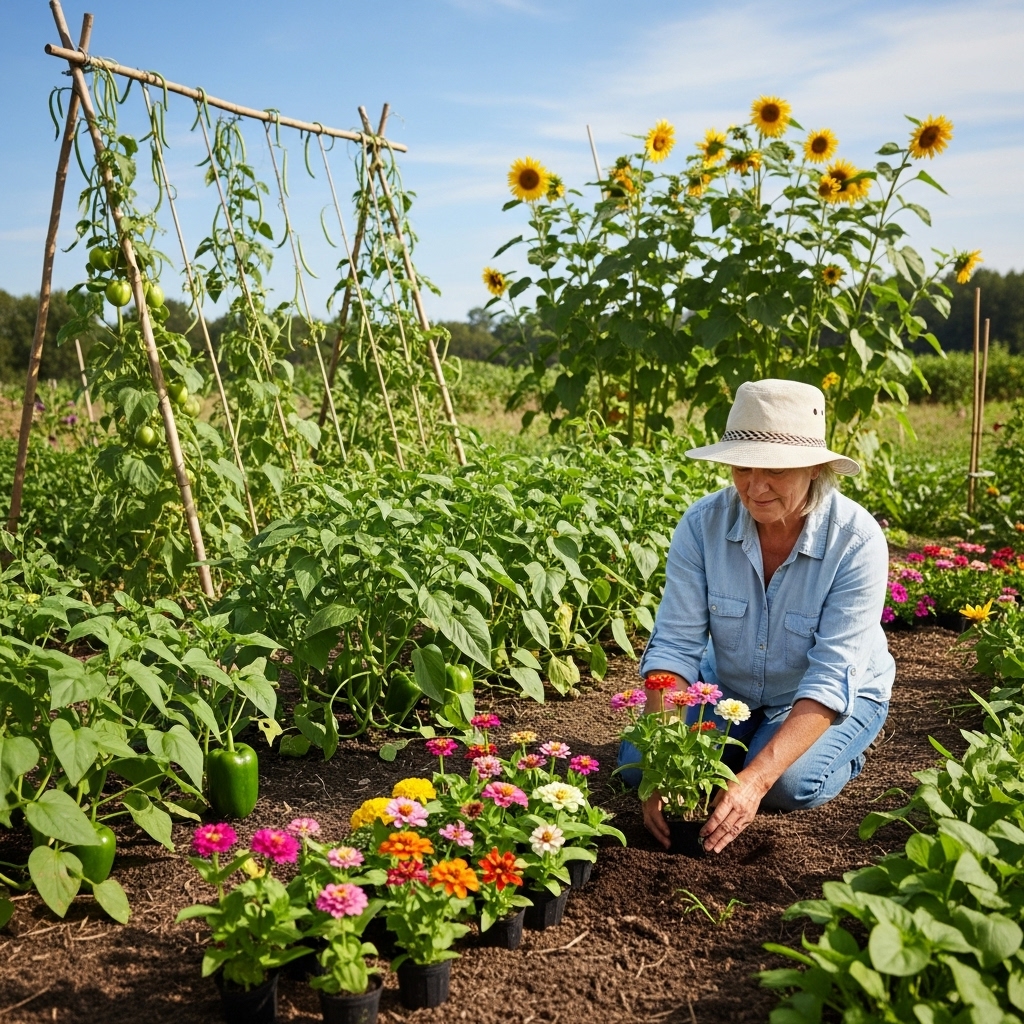
The key is to be aware of the average temperature and any potential heatwaves that might stress your plants. I remember one summer when my garden suffered from unexpected high heat. I lost some seedlings because I hadn’t prepared them properly. So, I’ve learned to keep an eye on the forecast and adjust my planting plans accordingly.
Soil Preparation Techniques
Before planting anything in July, it’s crucial to prepare the soil. I like to start by testing my soil to understand its pH and nutrient levels. This gives me insights into what amendments might be necessary. In my experience, adding organic matter like compost not only improves soil structure but also boosts its nutrient content. I usually mix in compost or well-rotted manure into my garden beds. It’s amazing how much healthier my plants have become since I started doing this!
Another technique I’ve adopted is mulching after planting. This helps retain moisture and suppress weeds, which is especially important during the hot summer months. I’ve noticed that my plants seem to thrive when I keep the soil consistently moist. It’s a simple yet effective step that makes a huge difference. If you’re planting in containers, make sure to use a good quality potting mix. This helps with drainage and gives your plants the nutrients they need to grow strong.
Understanding Frost Dates
Knowing your local frost dates is essential when planning your July planting. For me, marking the first and last frost dates on my calendar has been a game changer. In many regions, the threat of frost is gone by July, allowing you to plant heat-loving crops without worry. However, if you’re in an area where frost can still occur, you might want to be cautious about what you plant this late in the season.
I remember a friend who was eager to plant a few crops in July, only to find out that a late summer frost caught her by surprise. That experience taught me to always check the local agricultural extension website for updated frost dates. Understanding these dates allows us to plan our gardens more effectively, helping us avoid disappointment later on.
Best Vegetables to Plant in July
Fast-Growing Vegetables
If you’re looking for quick results, July is the perfect time to plant fast-growing vegetables. I love the thrill of seeing my seedlings sprout and flourish in just a few weeks. Here are some of my favorite fast-growing options:
Lettuce
Lettuce is one of my go-to crops for quick satisfaction. I usually plant a mix of varieties, and it’s always a joy to watch them grow. With just a few weeks from seed to harvest, you can enjoy fresh salads throughout the summer. I often plant them in partial shade to keep them from bolting too quickly, especially during those hot afternoons.
Radishes
Radishes are another fantastic choice for July planting. They germinate quickly, and you can typically harvest them in about three to four weeks. I love the crunchiness they add to salads, and they’re so easy to grow! Planting different varieties, like the classic red or the more exotic black radish, can add a fun twist to your garden and meals.
Spinach
Spinach is a nutrient powerhouse and thrives in cooler temperatures. In July, I recommend planting it for a late summer harvest. I usually choose varieties that are heat-resistant, as they tend to perform better in the warm weather. Plus, having fresh spinach on hand for smoothies or sautés is always a win in my book!
Warm-Season Crops
In addition to fast-growing vegetables, July is also a great time to plant warm-season crops that take a bit longer to mature but are worth the wait. Here are some of my favorites:
Beans
Beans are not only fun to grow, but they also fix nitrogen in the soil, which benefits other plants. I enjoy planting both bush and pole varieties to maximize my space. Watching the beans climb their trellises is always a delight, and the fresh bean harvest is a tasty reward!
Squash
Squash is another summer favorite. I usually opt for zucchini or yellow squash, and they grow rapidly, often yielding a bountiful harvest. One tip I’ve learned is to check them daily, as they tend to grow large quickly and can become a bit overwhelming if left unchecked! If you’re considering planting pumpkins, when to plant pumpkins for a big harvest is essential knowledge.
Cucumbers
Cucumbers are perfect for summer salads and pickling. I like to plant them in a sunny spot with plenty of space for them to spread out. Using a trellis not only saves space but also helps keep the fruit clean and easy to harvest.
Fall Crops to Start Now
July is also a great time to start planning for fall with some crops that can be planted now. These plants will mature as the weather begins to cool:
Broccoli
Broccoli is a fantastic fall crop that thrives when temperatures start to drop. I often start my seeds indoors in early July, then transplant them outside a few weeks later. The satisfaction of harvesting fresh broccoli in the fall is worth the effort!
Brussels Sprouts
Brussels sprouts are a bit more challenging but incredibly rewarding. I typically plant them in mid-July so they can mature as the temperatures drop. They’re known for their flavor improvement with frost, and I love having them for holiday meals.
Carrots
Carrots are another excellent choice for a late summer sowing. They can be planted in July and will mature by fall. I like to space them out well in the soil, and then I often use a light mulch to keep the moisture consistent. Fresh carrots straight from the garden are a real treat!
Best Flowers to Plant in July
Annual Flowers for Late Summer Blooms
July is an exciting time to think about adding some color to our gardens. Planting annual flowers now can fill our spaces with vibrant blooms late into summer and even into early fall. I love how some flowers can really brighten a garden and attract pollinators too! Here are a few of my favorite annuals to plant in July:
Sunflowers
Sunflowers are like little rays of sunshine in the garden. I always feel a sense of joy when I see them swaying in the breeze. I usually plant a mix of tall and dwarf varieties to create a beautiful contrast. They grow quickly and can reach impressive heights, making them a stunning focal point. Plus, they’re great for attracting bees and butterflies, which is essential for pollination in my vegetable garden.
Cosmos
Cosmos are another fantastic choice for July planting. These flowers are easy to grow and bloom profusely, adding a lovely splash of color to any garden. I love their delicate, feathery foliage and bright blooms that come in various colors. They also seem to thrive in poor soil, which makes them a low-maintenance option. Watching the butterflies flutter around my cosmos is a highlight of my summer!
Zinnias
Zinnias are one of my absolute favorites. They bloom in a wide range of colors and can really brighten up any space. I enjoy planting them in clusters for a more dramatic effect. One thing I’ve learned is that regular deadheading encourages more blooms, which means I get to enjoy them even longer. Plus, they’re excellent for cutting and bringing indoors, which adds a fresh touch to my home décor.
Perennials to Consider
If you’re looking for flowers that will return year after year, July is a great time to plant perennials. They may take a bit longer to establish, but the payoff is worth it as they become more robust with each passing season. Here are some perennials that I’ve had great success with:
Daylilies
Daylilies are incredibly resilient and come in so many varieties. I appreciate how they can tolerate heat and drought, making them perfect for the warmer months. Their vibrant colors and unique shapes always catch my eye, and they require very little maintenance once established. I love how they bloom in waves throughout the summer, providing continuous color in my garden.
Black-eyed Susans
Black-eyed Susans are another perennial that I adore. Their cheerful yellow petals and dark centers are a showstopper in any flowerbed. I often plant them in groups to create a stunning visual impact. They’re easy to grow, and they thrive in various conditions, which is a bonus for me as I sometimes forget to water! Plus, they attract butterflies and songbirds, adding more life to my garden.
Lavender
Lavender is not only beautiful but also fragrant. I love how it adds a calming presence to my garden. The bees seem to love it, too! I usually plant lavender in a sunny spot with well-drained soil. Once established, it requires minimal care, and I enjoy harvesting the flowers to use in sachets or for cooking. The scent of dried lavender always brings back fond memories of peaceful summer days.
Herbs to Plant in July
Fast-Growing Culinary Herbs
Herbs can elevate any dish, and planting them in July allows us to enjoy fresh flavors throughout the summer and into the fall. I think there’s nothing better than stepping outside to snip some herbs right before cooking! Here are a few fast-growing herbs I like to plant:
Basil
Basil is a must-have in my garden. It grows quickly and thrives in warm weather, which makes July the perfect time to plant it. I love the aroma of fresh basil, and it complements so many dishes, especially pasta and salads. I often plant multiple varieties, like sweet basil and Thai basil, to mix up my culinary adventures. Plus, it’s easy to propagate from cuttings, which means I can keep my basil supply going!
Cilantro
Cilantro is another herb that germinates quickly. I usually plant it in succession, so I can enjoy fresh leaves throughout the summer. Its bright flavor adds a wonderful touch to salsas, salads, and even garnishes. I’ve noticed that cilantro enjoys slightly cooler temperatures, so I try to plant it in partial shade to help it thrive in the hot July sun.
Dill
Dill is great for adding flavor to dishes, and it’s also a beautiful plant with its feathery leaves and delicate flowers. I love planting dill in July because it grows quickly and tends to flourish during the warm days. It’s perfect for pickling, and I often use it in my homemade salad dressings. Plus, the flowers attract beneficial insects, which is a win-win for my garden!
Perennial Herbs for Year-Round Use
In addition to fast-growing herbs, planting perennials in July ensures that I have a steady supply of herbs for years to come. They might take a bit longer to establish, but the long-term benefits are worth it:
Thyme
Thyme is a hardy herb that thrives in sunny spots. I love how it can be used in a variety of dishes, from roasted meats to soups. Once established, thyme is drought-tolerant, which makes it a low-maintenance option for my garden. I often find myself using it fresh, but I also dry it for later use.
Oregano
Oregano is another favorite of mine. It has a robust flavor that enhances many Mediterranean dishes. I usually plant it in a well-drained area, and it flourishes with minimal care. I love how oregano can be used fresh or dried, and it brings an aromatic touch to my cooking.
Mint
Mint is a versatile herb that can be used in drinks, desserts, and savory dishes. I’ve learned to plant mint in containers to prevent it from invading other areas of my garden, as it can spread quite aggressively! The fresh scent and flavor are delightful, especially in summer beverages like mojitos or iced tea.
Gardening Tips for July Planting
Watering Techniques
One of the most vital aspects of gardening in July is mastering the art of watering. With the heat at its peak, I’ve learned that my plants need a consistent supply of moisture. Early in the morning is my favorite time to water; it gives the plants enough time to absorb the moisture before the sun gets too hot. I usually aim to water deeply but less frequently to encourage deep root growth. This way, my plants can better withstand the heat and drought conditions.
I often use a soaker hose or drip irrigation system because they deliver water right to the roots without wetting the foliage. I’ve found that wet leaves can lead to fungal diseases, especially in the humid summer months. If I notice any wilting, I make it a point to check the soil moisture. It’s surprising how quickly plants can bounce back with just a little extra care!
Managing Pests and Diseases
July can be a tricky time for pests. With the warmth, I’ve noticed an increase in activity from unwanted guests like aphids, spider mites, and even slugs. One thing I do is keep a close eye on my plants, checking under leaves and along stems. If I spot any pests, I act quickly. I often use insecticidal soap or neem oil as a natural remedy, which has worked well for me without harming beneficial insects.
Another technique I’ve learned is companion planting. For example, I’ve found that planting marigolds alongside my vegetables can help deter certain pests. They not only add vibrant color to my garden but also serve a purpose! Plus, I love the idea of creating a mini-ecosystem where everything works together.
Fertilization Guidelines
Feeding my garden in July is vital for strong growth as the summer progresses. I usually apply a balanced fertilizer to give my plants the nutrients they need. I’ve found that liquid fertilizers work wonders when applied every few weeks, especially for those fast-growing crops like beans and squash. It’s essential to follow the instructions carefully; too much fertilizer can harm plants instead of helping them.
Organic options, such as fish emulsion or worm castings, are my favorite go-to fertilizers. They provide a slow release of nutrients and improve soil health over time. When I work these into the soil, I often see a noticeable difference in plant vigor. I make it a point to feed my plants during their most active growth periods, which typically align with the warmer July days.
Common Challenges When Planting in July
Heat Stress and Plant Care
One of the biggest challenges I face in July is heat stress. I remember the first summer I started gardening; I lost quite a few seedlings because I didn’t realize how much the heat could affect them. I learned quickly that providing shade is crucial, especially for young plants. I often use row covers or shade cloth to protect them during the hottest parts of the day. It’s a simple solution that has saved many of my plants from wilting.
Keeping the soil well-mulched is another strategy that has worked wonders for me. A good layer of mulch not only helps retain soil moisture but also keeps temperatures more stable. I’ve noticed that my plants thrive better when their roots aren’t overheating.
Weed Management Strategies
Weeds can be relentless in July, trying to steal nutrients and water from my precious plants. I’ve learned that a proactive approach is best. I regularly check my garden for any signs of weeds and remove them by hand or with a hoe. It might seem tedious, but a little effort goes a long way in keeping my garden healthy.
Another technique I’ve adopted is using landscape fabric or cardboard in pathways to suppress weeds. It’s been a real game changer for me! Not only does it keep the weeds at bay, but it also helps with soil temperature control. I’m all about finding those little tricks that make gardening a bit easier!
Dealing with Limited Daylight
As July wears on, I often find myself grappling with the effects of limited daylight on my plants’ growth. I’ve realized that some crops, especially leafy greens, may start to bolt as the days become shorter. To combat this, I’ve taken to planting heat-resistant varieties that can handle the transition better. I also make sure to adjust my planting times to ensure that crops have enough time to mature before the light levels dip too low.
Using reflective surfaces, like white mulch or planting in lighter-colored containers, has also helped my plants absorb more light. I’ve noticed that this can be a simple yet effective trick to keep them happy even as the sun starts to set earlier in the evening.
Conclusion: Planning for Future Harvests
As we wrap up our exploration of July gardening, I can’t help but reflect on how important it is to think ahead. Planning for future harvests doesn’t just mean deciding what to plant next; it involves understanding the cycles of growth, the seasonal needs of our plants, and the way our gardens evolve over time. I’ve learned that keeping a gardening journal is invaluable. I jot down my planting dates, what worked, what didn’t, and any weather patterns I noticed. This way, I can make informed decisions in the future.
One of my favorite practices is to rotate my crops each year. This helps prevent soil depletion and reduces pest problems. For example, planting legumes like beans can enrich the soil with nitrogen, preparing it for heavy feeders like tomatoes in the following season. I believe that by maintaining a healthy balance in my garden, I’m setting myself up for success in the long run.
Another key aspect is staying connected with local gardening communities. I’ve found that sharing experiences, tips, and even seeds with fellow gardeners can enhance our gardening journeys. It’s a wonderful way to learn about new varieties or techniques that might work well in our unique climates. I love attending local garden fairs or joining online forums where we all exchange ideas and support each other in our gardening endeavors.
As summer progresses, I also start thinking about the fall. This means preparing my garden for cooler weather, planning for winter crops, and even considering what to plant for a spring harvest next year. I’ve learned to embrace the cyclical nature of gardening, where each season presents new opportunities and challenges. The anticipation of what’s to come keeps my passion alive!
In closing, I encourage you to keep experimenting and learning in your garden. Whether you’re a seasoned gardener or just starting, each planting season is a chance to grow—both your plants and your gardening knowledge. Let’s enjoy the fruits of our labor and look forward to many more successful harvests ahead!
Frequently Asked Questions
What can I plant in July?
In July, you can plant a variety of vegetables, flowers, and herbs that thrive in the warm summer months. Fast-growing crops and preparations for fall harvests are ideal during this time.
What are the climate considerations for planting in July?
July brings longer days and warmer temperatures, which can vary by region. In warmer areas, it can be peak summer, while in cooler regions, it might be a transition period. Understanding local climate helps in deciding what to plant.
How should I prepare my soil before planting in July?
Before planting in July, it’s crucial to prepare the soil by testing its pH and nutrient levels. Adding organic matter like compost or well-rotted manure improves soil structure and nutrient content. Mulching after planting helps retain moisture and suppress weeds.
Why is it important to know frost dates when planting in July?
Knowing local frost dates is essential to avoid planting heat-loving crops too late in the season. Marking the first and last frost dates on your calendar helps in planning your garden effectively and avoiding disappointment.
What are some fast-growing vegetables I can plant in July?
Some fast-growing vegetables suitable for July planting include lettuce, radishes, and spinach. These crops can provide quick results, with harvests in just a few weeks.
How can I ensure my lettuce does not bolt in July?
To prevent lettuce from bolting during hot afternoons in July, it is advisable to plant it in partial shade, which helps it grow more steadily without going to seed too quickly.
What are some warm-season crops to plant in July?
Warm-season crops that can be planted in July include beans, squash (such as zucchini or yellow squash), and cucumbers. These crops take longer to mature but are rewarding in the summer garden.
What is a good tip for growing squash in July?
A good tip for growing squash is to check them daily, as they can grow rapidly and become large quickly if not monitored, potentially leading to an overwhelming harvest.
How can I grow cucumbers effectively in July?
To grow cucumbers effectively in July, plant them in a sunny spot with ample space for spreading. Using a trellis can help save space and keep the fruit clean and easy to harvest.
What type of spinach should I plant in July?
In July, it’s advisable to plant heat-resistant varieties of spinach, as they tend to perform better in the warm weather and can provide a late summer harvest.
When should I plant garlic?
For those interested in planting garlic, it’s best to check out when to plant garlic for bigger heads to ensure a successful crop.