
March is a fantastic time to start planting cool-season vegetables and early spring flowers, as the weather begins to warm up and the days get longer. I love getting my hands in the soil during this time, knowing that I’m preparing for a fruitful growing season ahead. Read Interesting article: When to Plant Lettuce for Fast Growth
Understanding the Growing Season
The Importance of Planting in March
March is like the awakening of the garden. After a long winter, the first signs of spring are not just a relief but also a signal to us gardeners that it’s time to get moving. Planting in March gives you a head start on the growing season, allowing for a more abundant harvest later on. I remember the thrill of seeing my first seedlings pop up, knowing I had made the most of this crucial planting month.
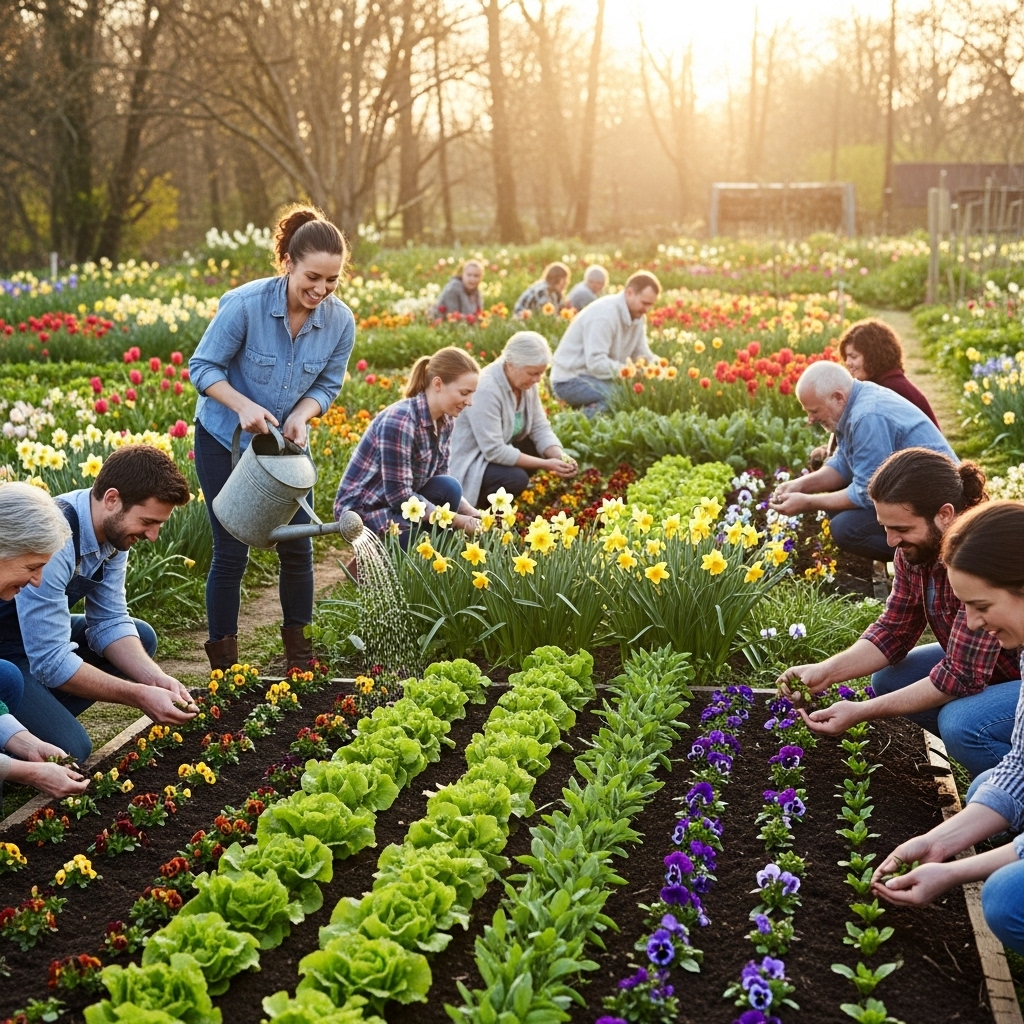
One of the biggest reasons March is significant is that it’s perfect for sowing cool-season crops, which thrive in the cooler temperatures of early spring. These crops can handle a bit of frost, making them ideal for planting before the last chance of frost passes. The earlier you plant them, the sooner you’ll be able to enjoy fresh produce right from your backyard. For those interested in early planting techniques, I recommend checking out Cómo plantar, cultivar y cuidar las flores de pensamiento (Guía completa).
Climate Zones and Their Impact on Planting
Understanding your climate zone is key to successful gardening. The USDA Plant Hardiness Zone Map divides the U.S. into different zones based on average annual minimum winter temperatures. If you’re in a warmer zone, you might be able to plant more tender crops by the end of March. In contrast, northern gardeners will need to be more cautious about late frosts and may focus on hardy varieties.
For example, I’ve lived in both a Zone 5 and a Zone 7 area, and I noticed that my planting strategies had to adapt accordingly. In Zone 7, I could start tomatoes and peppers indoors in March, while in Zone 5, I focused on cold-tolerant veggies like kale and radishes. Knowing your zone can make all the difference in how successful your garden will be.
Best Vegetables to Plant in March
Cool-Season Crops
Cool-season crops are the heroes of March planting. These vegetables thrive in cooler temperatures and can often withstand a light frost. I love the variety that cool-season crops offer, and they tend to be some of the first fresh flavors of the year. Here’s a list of my favorite cool-season crops to plant in March:
- Peas
- Spinach
- Radishes
- Carrots
Early Spring Vegetables
March is also a great time to start with early spring vegetables. These are the ones that, once planted, can sometimes give you a harvest as soon as a few weeks later. I’ve had some of my best salads come from planting these veggies early. Here’s a closer look at some of my favorites:
Peas
Peas are one of the first crops I plant in my garden. They’re not only delicious but also fun to grow. I remember as a child snapping fresh peas from the pod—it’s a simple joy. Plant them in well-drained soil, and they’ll start climbing as they grow, providing a lovely green backdrop in the garden.
Spinach
Spinach is another must-have in March. It’s packed with nutrients and grows quickly. I often sow seeds directly into the ground in early March, and before I know it, I have a fresh batch of greens for salads and smoothies. Spinach also does well in partial shade, which is great if you’re still waiting for the sun to warm things up.
Radishes
Radishes are the quickest of the bunch, often sprouting in just a few weeks. I love how versatile they are—from salads to garnishes, radishes add a nice crunch and peppery flavor. Plus, they’re great for beginner gardeners since they require minimal care. Just make sure to thin them out so they have room to grow!
Carrots
Carrots take a bit longer but are so rewarding. I’ve learned that planting them in loose, sandy soil helps them grow straight and long. You can plant them in rows or scattered, and they’ll be ready for harvest in late spring. Watching those bright orange roots emerge from the soil is a real treat!
Transplanting Tips
If you’re looking to get a jump on your garden, March is also a good time to transplant some of your favorite crops. Transplanting allows you to start seedlings indoors and then move them outside when conditions are right. Here’s a quick look at some crops that thrive when transplanted:
Broccoli
Broccoli is one of my favorite spring vegetables. I usually start seeds indoors about six weeks before the last frost and then move them outside when the soil warms up a bit. Broccoli loves cool weather, and watching them grow into sturdy plants is incredibly fulfilling.
Cabbage
Cabbage is another great option for March transplanting. It’s a heavy feeder, so I always make sure to add some compost to the soil before planting. The heads take a little time to form, but the wait is worth it. I enjoy using cabbage in stir-fries and salads, making it a staple in my kitchen.
Cauliflower
Cauliflower can be a little tricky, but I’ve found that starting it indoors and then transplanting in March yields great results. It’s crucial to keep the soil moist and provide some shade if the weather warms up too quickly. The reward of a homegrown cauliflower in my garden is just so satisfying!
March is a month of awakening in the garden. With the right planning and knowledge of what to plant, we can set ourselves up for a bountiful growing season filled with fresh veggies and stunning flowers. I can’t wait to dig into my garden and share the joy of watching everything grow!
Best Flowers to Plant in March
Spring-Flowering Bulbs
March is a great time to add a splash of color to your garden with spring-flowering bulbs. There’s something magical about watching these bulbs push up through the soil and burst into bloom, giving us a promised glimpse of warmer days ahead. I find that planting bulbs in March not only beautifies my space but also uplifts my spirits after the dreary winter months.
Daffodils
Daffodils are one of the first flowers to bloom, and I absolutely adore them! Their cheerful yellow petals brighten up my garden and signal that spring is here. If you didn’t get a chance to plant them in the fall, don’t worry! You can still buy potted daffodils in March and enjoy their beauty right away. I remember the excitement of my first daffodil blooms, as they seemed to dance in the breeze, welcoming the spring sunshine.
Tulips
Tulips are another must-have for March planting, and they come in so many vibrant colors. I love experimenting with different varieties to create a stunning display in my garden. When I plant tulips, I often think about the arrangement and where they’ll be most visible. I’ve learned that they thrive in well-drained soil and a sunny location, which makes them perfect for adding visual interest to flower beds or borders. Watching these elegant flowers bloom is a joy I look forward to every year.
Annual Flowers for Early Color
In addition to bulbs, March is the perfect time to start planting annual flowers that bring immediate color and life to our gardens. I’ve always appreciated how annuals can fill in gaps and offer a burst of vibrancy while perennials are just waking up. Here are a couple of my favorites that I recommend:
Pansies
Pansies are among the hardiest flowers I know. They can handle chilly weather and still look beautiful. I often plant them in clusters for a showy display of color. The best part is that they come in a variety of colors and patterns, allowing me to create unique combinations. I remember planting pansies along my walkways, and they always seem to put a smile on my face as I stroll by.
Snapdragons
Snapdragons are another fantastic choice for March. I love their tall, sturdy spikes filled with blooms that can add height to my flower beds. They’re also great for attracting pollinators, which is a bonus. I often start them indoors and transplant them when the weather warms up, watching them grow into beautiful columns of color. They remind me of my childhood days, where I would squeeze the blooms to make them “talk”—a fun memory that always brings a smile!
Perennials to Start in March
While annuals and bulbs have their charm, I also believe in the long-term beauty that perennials bring to the garden. March can be a great time to start some hardy perennials that will come back year after year.
Daylilies
Daylilies are one of my all-time favorite perennials. They’re incredibly resilient and can thrive in various conditions, making them a fantastic addition to any garden. I love how they bloom profusely and provide a stunning display throughout the summer. Planting them in March gives them plenty of time to establish their roots before the heat of summer arrives, and I often find delight in their vibrant hues as they light up my garden.
Hostas
Hostas are another perennial that I can’t get enough of. Their lush foliage adds texture to my garden, and they thrive in shaded areas, which is perfect for those tricky spots. I usually divide and transplant my hostas in March, allowing them to flourish in new areas of my garden. As they grow, they create a beautiful backdrop for my other flowers, and I love how they offer a peaceful, green presence amidst the blooms.
Planting Techniques and Best Practices
Soil Preparation and Testing
Soil preparation is a crucial step I never overlook in my gardening routine. Healthy soil leads to healthy plants! In March, as I start planting my cool-season crops and flowers, I take the time to test my soil. I’ve learned that understanding its pH level and nutrient content can significantly affect my garden’s success. I usually grab a soil testing kit from my local garden center and follow the instructions carefully. Based on the results, I can amend my soil with compost or other organic matter to create an optimal growing environment.
Seed Sowing vs. Transplanting
As I dive into planting in March, I often weigh the benefits of seed sowing versus transplanting. Some crops, like peas and radishes, I sow directly into the soil. I love the simplicity of this method. On the other hand, crops like tomatoes and peppers do better when transplanted, as they need that head start indoors. I’ve found that planning what to sow and what to transplant helps me manage my garden space effectively and maximizes my yield.
Watering and Fertilization Needs
Watering and fertilization are two areas where I’ve had to cultivate my skills over the years. In March, the weather can be unpredictable, so I pay close attention to the moisture level in my soil. I usually water my newly planted crops gently, ensuring not to overwater. Additionally, I like to apply a balanced fertilizer to give my plants a nutrient boost as they begin their growth. It’s all about finding that balance, and I’ve learned that my plants thrive when I pay attention to their needs.
Common Challenges and Solutions
Gardening is not without its challenges, and I’ve faced my fair share over the years. March can bring its own set of hurdles, but I’ve found solutions that work for me.
Common Challenges and Solutions
Pest Management in March
As we dive into planting in March, I’ve learned that pest management is an essential part of the gardening process. With the warm-up of the weather, pests that have been dormant during winter start to awaken alongside our plants. I remember my first spring when I was shocked to find aphids on my newly sprouted peas. It taught me that being proactive is key.
One thing that works for me is to regularly inspect my plants. I take a stroll through the garden every few days, looking for any signs of pests. If I spot aphids or caterpillars, I often use a strong blast of water to dislodge them or handpick them off. I also like to encourage beneficial insects like ladybugs by planting flowers that attract them. I’ve noticed that adding diversity to my garden with companion planting not only helps deter pests but also supports a healthy ecosystem. For instance, marigolds are a favorite of mine; they seem to repel unwanted pests while adding vibrant colors to my garden.
Dealing with Late Frosts
Late frosts can be a real challenge in March, especially for those of us who get excited and start planting early. I’ve certainly felt the sting of frost damage when I was too eager to get my seedlings into the ground. To avoid this heartache, I’ve learned to keep a close eye on local weather reports and have a few strategies ready.
One of my go-to methods is to cover sensitive plants with lightweight fabric or row covers when frost is predicted. This has saved many plants from frostbite! I also try to plant my more tender varieties, like tomatoes and peppers, a bit later in March or even in early April, allowing for a safer window away from the risk of frost. Additionally, I’ve invested in frost cloths that allow sunlight in while providing insulation. They’ve been a game-changer for me.
Weather Considerations and Planning
March weather can be unpredictable, and I’ve had my fair share of surprises—from sudden snowfalls to unexpected warm spells. I’ve learned that being flexible in my gardening plans is essential. For instance, if the weather warms up faster than expected, I’ll make sure to adjust my planting schedule accordingly. I find that having a gardening journal has really helped me track these weather patterns and plan for future seasons.
Another tip I’ve picked up is to prepare for wet conditions by ensuring good drainage in my garden beds. I’ve noticed that pooling water can hinder the growth of my crops and invite pests. Raised beds have been a fantastic solution for this. They help with drainage and can warm up faster in the spring sun, giving my plants a head start. I also try to use mulch to help retain moisture while preventing weeds, and it has made a significant difference in my gardening experience.
Gardening Tools and Resources
Essential Tools for March Planting
Having the right tools can make all the difference in our gardening endeavors. Over the years, I’ve gathered a toolkit that I rely on during March planting. One of my favorite tools is a sturdy hand trowel. It’s perfect for digging small holes for seeds and plants, and I find myself using it more than any other tool! A good pair of garden gloves is a must, too, as they protect my hands while allowing me to get a good grip on delicate seedlings.
Another essential is a garden fork, which helps me turn the soil and mix in compost or amendments. I also like to keep a watering can handy for gentle watering, especially for newly planted seeds. Lastly, I’ve found that having a plant marker set is helpful for keeping track of what I’ve planted and where. It’s easy to forget what varieties are in the ground, especially when I’m excited to plant a variety of seeds!
Online Resources and Gardening Communities
In today’s digital age, I can’t overlook the wealth of information available online. I’ve found countless gardening blogs and forums that provide tips and tricks specifically for March planting. Websites like the Old Farmer’s Almanac are fantastic for checking planting dates and frost dates in my area. I also enjoy joining local gardening groups on social media; they’re great for connecting with other gardeners and sharing advice.
One of my favorite online resources is YouTube, where I’ve discovered many gardening channels that offer visual tutorials on everything from seed starting to pest management. These videos have helped me learn techniques that I might not have thought to try otherwise. Plus, being part of a community of fellow gardeners keeps me motivated and inspired throughout the growing season.
Frequently Asked Questions
Why is March an important month for planting?
March is considered the awakening of the garden, marking the beginning of the growing season. Planting in March gives gardeners a head start, allowing for a more abundant harvest later on, especially for cool-season crops that can handle light frost.
What are some cool-season crops that can be planted in March?
Some popular cool-season crops to plant in March include peas, spinach, radishes, and carrots. These vegetables thrive in cooler temperatures and can often withstand a light frost, making them ideal for early planting.
How does my climate zone affect what I can plant in March?
Understanding your climate zone is key to successful gardening. Warmer zones may allow for planting more tender crops by the end of March, while northern gardeners should be cautious about late frosts and may focus on hardy varieties.
What are the best practices for transplanting in March?
When transplanting in March, it’s important to start seedlings indoors about six weeks before the last frost. Crops like broccoli, cabbage, and cauliflower thrive when transplanted, as they prefer cooler weather conditions.
What are some spring-flowering bulbs to plant in March?
Some spring-flowering bulbs to plant in March include daffodils and tulips. These bulbs add color to the garden and can be planted to uplift spirits after the winter months.
What annual flowers are recommended for planting in March?
Pansies and snapdragons are excellent choices for March planting. Pansies are hardy and can handle chilly weather, while snapdragons add height and attract pollinators to the garden.
What soil preparation steps should be taken before planting in March?
Soil preparation includes testing the soil for pH and nutrient content using a soil testing kit. Based on the results, amendments such as compost can be added to create an optimal growing environment.
How can I manage pests when planting in March?
Pest management involves regularly inspecting plants for signs of pests and using methods such as strong water blasts to dislodge them or handpicking. Encouraging beneficial insects through companion planting can also help deter pests.
What should I do to protect my plants from late frosts in March?
To protect plants from late frosts, cover sensitive plants with lightweight fabric or row covers when frost is predicted. It’s also wise to delay planting tender varieties until after the risk of frost has passed.
What gardening tools are essential for March planting?
Essential tools for March planting include a sturdy hand trowel for digging, garden gloves for hand protection, a garden fork for turning soil, a watering can for gentle watering, and plant markers for tracking planted varieties.