
September is a fantastic time to plant a variety of crops and flowers, especially cool-season vegetables and fall-blooming flowers. I’ve found that this month offers a unique opportunity to prepare for both the autumn harvest and the vibrant blooms of spring.
Understanding the September Planting Season
Why September is Ideal for Planting
As summer winds down, September presents a perfect window for gardeners like us. The temperatures start to cool, and the soil remains warm enough to encourage seed germination and root establishment. This is particularly beneficial for cool-season crops that thrive in these conditions. From my experience, this month can lead to a bountiful fall harvest and beautiful spring blooms when we plant the right varieties. Read Interesting article: How to Plant Garlic for Bigger Heads (Easy Guide)
Climate and Weather Considerations
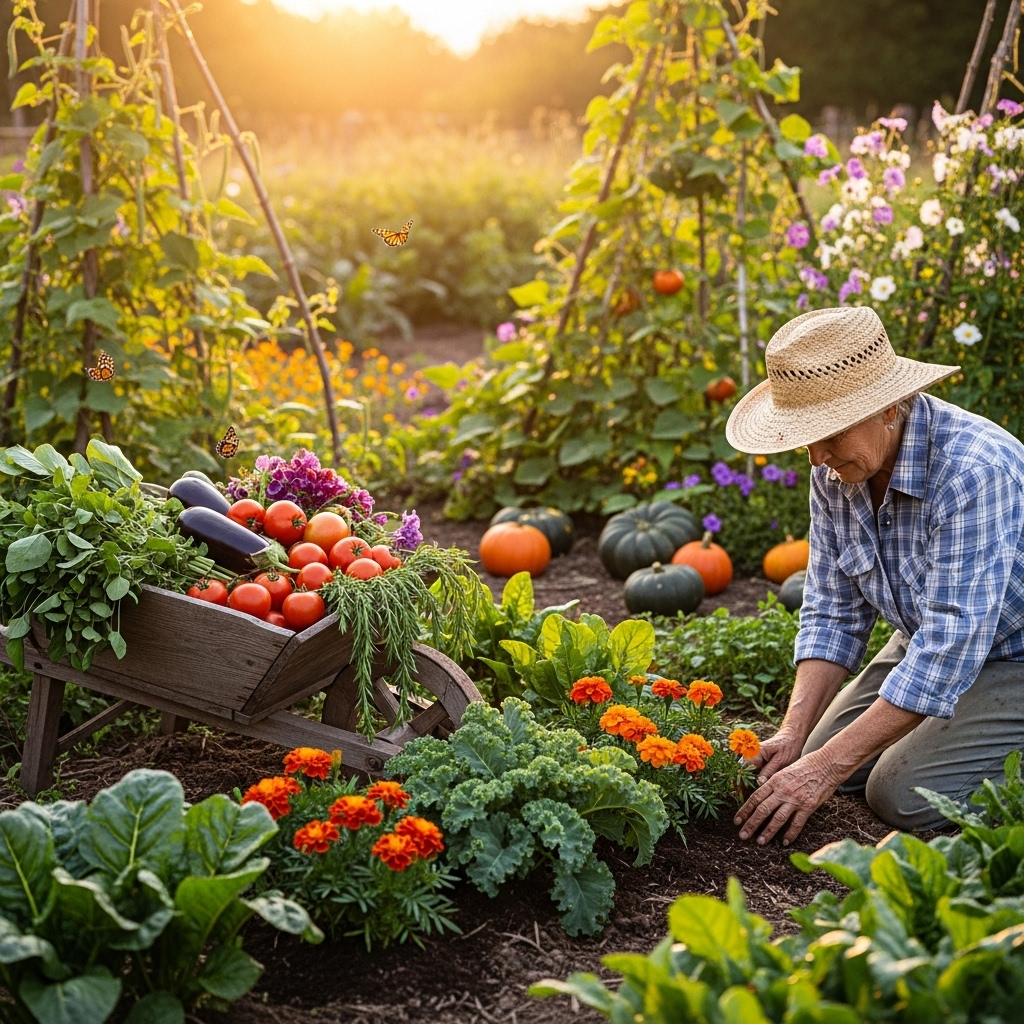
When thinking about what to plant in September, it’s crucial to consider the climate and local weather patterns. Many regions experience a drop in temperature, which is ideal for planting crops that prefer cooler weather. I remember my first September planting; I was unsure if it was too late in the season, but I was pleasantly surprised by how well my cool-season veggies thrived. Plus, the chance of heavy rains or early frosts varies by location, so consulting local weather forecasts can help us decide the best planting time.
In areas with milder climates, we may be able to plant later into the fall, while regions prone to frost will require us to be more vigilant. Keeping track of the average first frost date in your area can make all the difference in ensuring your crops have enough time to mature. I always keep a gardening calendar handy to track these important dates, and it really has helped me plan better.
Soil Preparation Techniques
Before planting, preparing the soil is a crucial step I never skip. Healthy soil leads to healthy plants! I usually start by clearing out any weeds or debris that accumulated over the summer. Then, I test the soil pH to ensure it’s suitable for the crops I want to plant. For most vegetables, a pH of 6.0 to 7.0 works well, so I adjust it with lime or sulfur as needed.
Next, I incorporate organic matter, like compost or well-rotted manure, into the soil. This not only enriches the soil but also improves its structure, helping with drainage and moisture retention. If you haven’t tried adding compost, I highly recommend it. I’ve seen a significant difference in plant growth and yields since I started this practice. Additionally, tilling the soil gently helps aerate it, allowing roots to grow more easily.
Once the soil is prepared, I like to create raised beds or rows, especially for my vegetables. This helps with drainage and makes it easier to manage water levels. If you haven’t done this yet, I found that raised beds are also great for extending the growing season, as they warm up faster in the spring.
Best Crops to Plant in September
Vegetable Crops
Cool-Season Vegetables
Spinach
Spinach is one of my favorite cool-season crops to plant in September. It germinates quickly and can be harvested multiple times. I usually sow the seeds directly into the prepared soil, and I’ve found that they sprout even in cooler temperatures. Plus, fresh spinach is such a nutritious addition to salads and smoothies!
Radishes
Radishes are another excellent option. They grow so quickly that we can enjoy them in just a few weeks. I usually plant them in rows, and they don’t require much space. I’ve even had great success interplanting them with slower-growing crops like carrots, as they help break up the soil while the carrots get established.
Broccoli
Broccoli is a hearty vegetable that loves the cooler weather of late summer and early fall. I often start with seedlings in my garden, though direct sowing is also viable. The taste of homegrown broccoli is just unbeatable, and it’s so satisfying to know I grew it myself!
Kale
Kale is another favorite of mine. It’s incredibly resilient and can even withstand a light frost, which can enhance its flavor. I usually sow seeds directly into the soil and love watching them grow into lush, leafy greens. Plus, kale is versatile in the kitchen; I often use it in soups or salads.
Root Vegetables
Carrots
Carrots are a staple in my garden, and planting them in September gives them plenty of time to mature before the frost hits. I remember the first time I harvested a bunch of fresh carrots; it was such a rewarding experience! I like to plant them directly in well-prepared soil, making sure they have enough room to grow long and straight.
Beets
Beets are another great choice. They’re not only delicious roasted but also packed with nutrients. I’ve learned that beets can be direct-sown into the soil as well, and they tend to do well when planted alongside other crops. I enjoy the vibrant colors they bring to my garden, and they’re so easy to grow!
Turnips
Lastly, turnips are a fantastic fall crop. They grow fast and can be harvested young for their greens or allowed to mature for a delicious root vegetable. I’ve found that they thrive in well-fertilized soil, and I often enjoy them in hearty stews during the cooler months.
Herbs
Parsley
I can’t forget about herbs! Parsley is a wonderful herb to plant in September. It’s hardy and can even survive light frosts, which makes it perfect for fall planting. I love snipping fresh parsley for soups and salads, and it’s so easy to grow.
Cilantro
Cilantro is another herb I always include in my September planting. I usually sow it directly into the soil, and it prefers cooler temperatures. It’s perfect for adding flavor to various dishes, and I love having fresh cilantro on hand.
Best Flowers to Plant in September
Fall-Blooming Flowers
Asters
Asters are one of my go-to flowers for September planting. They bloom beautifully in the fall, bringing a splash of color just when many other flowers start to fade. I love how they attract butterflies and bees to my garden, adding life and movement as the summer ends. When planting asters, I usually choose a sunny spot, as they thrive in full sunlight. I remember the first time I planted them; I was amazed at how quickly they grew and how vibrant their blooms were. Just a little care, like regular watering and deadheading the spent flowers, keeps them looking their best.
Chrysanthemums
Chrysanthemums are another fantastic choice for September. In my experience, they are the quintessential fall flower, often seen in gardens and at farmers’ markets. They come in so many colors, which allows for some creative combinations in your garden. I often plant them in clusters for a striking effect. When I first planted them, I made sure to choose a well-drained soil and a spot that gets plenty of sunlight. They tend to require a little more attention as they can be prone to pests, but the stunning blooms are well worth it. Plus, I love using them to decorate my home for the fall season!
Perennials for Next Spring
Daylilies
If you’re thinking ahead to next spring, daylilies are a perfect perennial to plant in September. I’ve had great luck with them in my garden. They’re hardy and can adapt to a variety of soil conditions, which makes them so easy to grow. I typically choose a well-draining spot, as they don’t like sitting in water. Planting them in September allows them to establish their roots before winter. When spring rolls around, I’m always excited to see their vibrant blooms pop up, and they require very little maintenance. Daylilies have truly become a staple in my garden.
Peonies
Another perennial that I absolutely adore is peonies. Planting them in September helps them to establish a solid root system, so they can flourish when the warmer weather comes back. I love the huge, fragrant blooms they produce; they remind me of my grandmother’s garden. When planting peonies, I make sure to dig a deep hole and place the root division so that the eyes are just a couple of inches below the soil surface. I’ve learned that patience is key with peonies, as they take a few years to fully bloom, but when they do, it’s such a rewarding experience! The wait is so worth it. Read Interesting article: How to Plant Daffodil Bulbs for Beautiful Blooms
When to Plant: Timing Tips
Understanding Frost Dates
Knowing the average first frost date in your area is essential for successful planting in September. I remember when I first started gardening, I paid little attention to this detail and ended up losing some tender crops to an unexpected frost. Now, I always check local gardening resources or agricultural extensions to get accurate frost dates. This knowledge helps me time my planting perfectly, so my plants have the best chance to thrive. I recommend marking the frost date on my gardening calendar as a helpful reminder for future seasons.
Optimal Planting Times in Different Regions
Planting times can widely vary depending on where you live. For instance, in warmer regions, we can often plant later into the fall compared to those in cooler zones. I’ve found that talking to local gardeners or joining community gardening groups helps me understand the best times for planting specific crops in my area. I love hearing about their experiences and tips, which often lead to better outcomes in my garden. This communal knowledge really enriches my gardening journey, making it more enjoyable and fruitful. Read Interesting article: How to Plant Tulips for Stunning Spring Blooms
Planting Techniques for Success
Direct Sowing vs. Transplanting
Deciding whether to direct sow seeds or transplant seedlings can make a significant difference in how well your plants do. From my experience, direct sowing works great for many crops like radishes and carrots, as they don’t like being disturbed. However, for more delicate plants like broccoli, I usually prefer starting seeds indoors and then transplanting them. This gives them a head start and helps protect them from pests and harsh weather. I recommend trying both methods to see what works best for your garden and your specific crops.
Spacing and Depth Considerations
Proper spacing and planting depth are crucial for the success of our plants. I’ve learned through trial and error that overcrowding can lead to poor growth and increased pest issues. I always refer to seed packets or gardening guides for specific spacing recommendations. When it comes to depth, I’ve found that certain seeds, like peas, need to be planted deeper than others, like lettuce. Following these guidelines can make a significant impact on the health and productivity of our garden.
Watering and Fertilization Tips
Watering and fertilizing plants in September is another area where I’ve learned to be attentive. As the weather cools, our plants may not need as much water, but it’s essential to keep the soil consistently moist during the establishment phase. I’ve found that a good rule of thumb is to water deeply but less frequently. As for fertilization, I usually apply a balanced fertilizer to give my fall crops a little boost. It’s fascinating how a few simple practices can make such a difference in our harvests!
Common Mistakes to Avoid in September Planting
Overcrowding Plants
One mistake I’ve made in the past and often see others making is overcrowding plants. When we’re excited about planting and envision a lush garden, it’s tempting to squeeze in as many seeds or seedlings as possible. I remember my first year of gardening; I packed my rows so tightly that the plants didn’t have enough room to grow, and they competed for nutrients. The result was stunted growth and a disappointing yield. Now, I always refer to seed packets for spacing guidelines and take the time to plan out my layout. This way, each plant gets the space it needs to thrive, allowing for air circulation and sunlight to reach them. Trust me, giving plants adequate space pays off in the long run!
Ignoring Local Climate Conditions
Ignoring local climate conditions is another pitfall I’ve encountered. Each region has its unique weather patterns, and what works in one place might not work in another. I used to think that if a crop was recommended for fall planting, it would thrive no matter where I planted it. I learned the hard way that certain veggies might struggle in my cooler climate if I push the planting window too late. I’ve found that local gardening centers often have the best advice tailored to our area. By keeping an eye on the specific conditions in my garden, like sunlight and moisture levels, I can make better planting decisions that align with what my plants truly need.
Neglecting Soil Health
Soil health is something I can’t stress enough. I used to underestimate the importance of healthy soil, thinking that as long as I planted something, it would grow. However, I quickly learned that neglecting soil health could lead to poor plant performance. I started incorporating organic matter, like compost or well-rotted manure, into my soil, which has made a world of difference in how my plants grow. Testing the soil pH and nutrient levels before planting helps me catch any issues before they become problems. I believe that investing time in soil health creates a solid foundation for successful gardening. After all, healthy soil means healthier plants!
Resources for Further Learning
Gardening Books and Guides
For anyone looking to deepen their gardening knowledge, I can’t recommend enough the wealth of gardening books and guides available. I’ve found that books covering local flora, planting schedules, and specific crop care have been invaluable in my journey. One of my favorites is “The Gardener’s Bible,” which offers practical tips and insights into various gardening techniques. I often find myself flipping through its pages during the colder months, dreaming of what I want to plant come spring. There’s something comforting about having a physical book to refer to while I sip my morning coffee and plan my garden layout!
Online Gardening Communities and Forums
Online gardening communities and forums have also played a significant role in my growth as a gardener. I’ve learned so much from others who share their experiences, successes, and failures. Websites like Reddit have dedicated gardening subreddits where we can ask questions and get advice from fellow gardeners across the globe. I particularly enjoy the sense of camaraderie in these groups, as we all share a common passion for nurturing our plants. Plus, it’s fascinating to see how different conditions affect the same crops in various regions!
Local Gardening Clubs and Workshops
Joining local gardening clubs has been a game-changer for me. I love the opportunity to meet like-minded individuals who share my enthusiasm for gardening. These clubs often host workshops that cover everything from soil health to pest management, and I’ve picked up invaluable tips along the way. It’s not just about learning; I also appreciate the friendships I’ve formed through these clubs. We often exchange seeds, share harvests, and enjoy each other’s company during seasonal potlucks. If you have a local gardening club, I highly recommend checking it out—you never know what you might learn or who you might meet!
Frequently Asked Questions
Why is September considered an ideal time for planting?
September offers cooler temperatures and warm soil, creating optimal conditions for seed germination and root establishment, particularly for cool-season crops. This month can lead to a bountiful fall harvest and beautiful spring blooms if the right varieties are planted.
What are some cool-season vegetables to plant in September?
Some excellent cool-season vegetables to plant in September include spinach, radishes, broccoli, kale, carrots, beets, and turnips. Each of these crops thrives in cooler weather and can be sown directly into well-prepared soil.
What soil preparation techniques should I follow before planting in September?
Before planting, clear out weeds and debris, test the soil pH, incorporate organic matter like compost, and gently till the soil to aerate it. Creating raised beds or rows can also help with drainage and water management.
How can I determine the best planting time based on my location?
Understanding your area’s average first frost date is crucial for successful planting. Keeping track of local weather patterns and consulting gardening resources can help you decide the optimal planting time for your specific region.
What are some good flowers to plant in September?
Fall-blooming flowers such as asters and chrysanthemums are great choices for September planting. Additionally, perennials like daylilies and peonies can be planted to establish strong root systems for the following spring.
What common mistakes should I avoid when planting in September?
Common mistakes include overcrowding plants, ignoring local climate conditions, and neglecting soil health. Each of these can lead to poor plant performance and disappointing yields.
What watering and fertilization tips should I follow in September?
Watering should be deep but less frequent to keep the soil consistently moist during the establishment phase. Applying a balanced fertilizer can also give your fall crops a boost as they grow.
Is it better to direct sow seeds or transplant seedlings in September?
Direct sowing works well for many crops like radishes and carrots, while transplanting is preferable for more delicate plants like broccoli. Trying both methods can help determine what works best for your garden.
How can I improve my gardening knowledge?
You can deepen your gardening knowledge through books and guides, participating in online gardening communities and forums, or joining local gardening clubs and workshops for shared learning experiences.
What types of herbs can I plant in September?
Herbs such as parsley and cilantro are great options for September planting. Both of these herbs are hardy and can thrive in cooler temperatures, making them perfect for fall gardening.