
The best companion plants for tomatoes include basil, marigolds, garlic, onions, carrots, spinach, and peppers. These plants not only enhance tomato growth but also help deter pests and improve overall garden health. For more information on planting tomatoes, check out When to Plant Tomatoes for the Best Harvest.
Table of Contents
Understanding Companion Planting
What is Companion Planting?
Companion planting is an age-old gardening technique that involves growing different plants together to enhance each other’s growth, deter pests, and improve soil health. I first got into companion planting after reading about its benefits in various gardening forums. The idea intrigued me, and I wanted to see how it could impact my garden, particularly my tomato plants, which I love to grow every summer. It’s fascinating to think about how certain plants can support one another, almost like a mini-ecosystem right in our backyards.
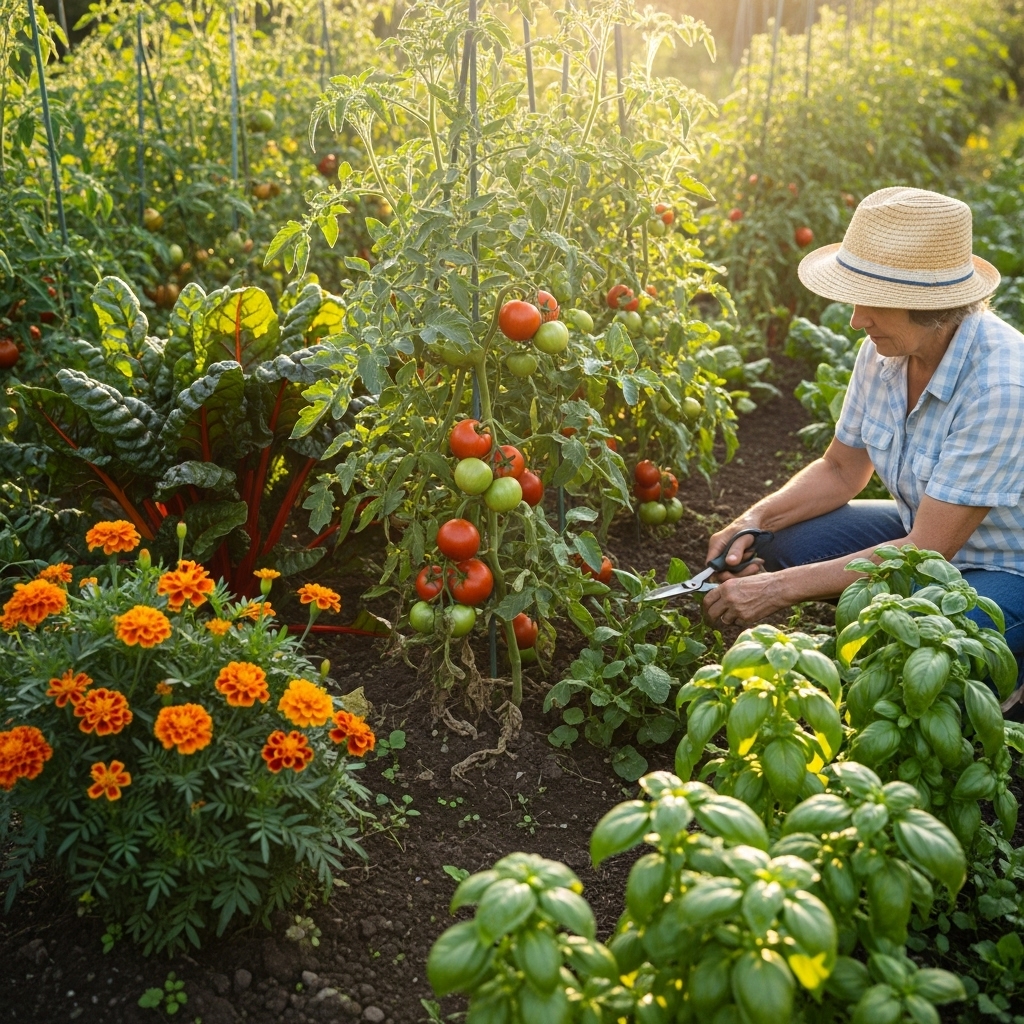
Benefits of Companion Planting
There are numerous benefits to companion planting. For one, it can lead to healthier plants that are more resilient to pests and diseases. I’ve noticed that my tomatoes grow more robustly when planted alongside certain herbs and flowers. Additionally, companion planting can optimize space in the garden, allowing us to grow more in a smaller area. Some plants can help improve soil conditions or even attract beneficial insects, making the whole gardening experience much more rewarding. For me, the most rewarding part is harvesting not just tomatoes but a variety of vegetables and herbs that complement each other beautifully. If you’re interested in learning more about how to create a garden that attracts these beneficial insects, check out How to Create a Pollinator-Friendly Garden with Native Trees and Plants.
Top Companion Plants for Tomatoes
Basil
Basil is among the most popular companion plants for tomatoes, and for good reason. It’s not just a delicious herb; it actually enhances the flavor of tomatoes and helps to repel certain pests like aphids and spider mites. I remember the first time I planted basil alongside my tomatoes, the aroma wafting through my garden was absolutely divine. Plus, basil attracts pollinators, which are crucial for a thriving garden. If you’re like me and enjoy cooking, having fresh basil at hand while harvesting tomatoes for a caprese salad is a double win!
Marigolds
Another fantastic companion plant is marigold. These bright, cheerful flowers do more than just beautify the garden; they are known for their ability to deter nematodes and other harmful insects. I always plant marigolds alongside my tomatoes, and I’ve observed that they effectively keep pests at bay. The vibrant yellow and orange blooms create a striking contrast with the green leafy tomato plants, making my garden not only productive but visually appealing. Plus, marigolds are easy to grow and maintain, making them a favorite for novice and experienced gardeners alike.
Garlic
Garlic is another excellent companion for tomatoes. Its strong scent helps repel several pests, including aphids and whiteflies. I’ve found that planting garlic next to my tomatoes not only provides pest protection but also gives me a steady supply of homegrown garlic for cooking. When I harvest my tomatoes in late summer, I also get to dig up some garlic, making for a delightful garden-to-table experience. It’s like a two-for-one deal that I can’t resist!
Onions
Onions are great companions for tomatoes as well, as they can compete with soil nematodes that may harm the tomato plants. I often plant onions in rows alongside my tomatoes, and I’ve noticed that they thrive together. The onions help to keep pests away while not taking up too much space. Their growth is relatively low-profile, allowing my tomato plants to soak up the sun without any competition. It’s a simple yet effective strategy that I recommend to anyone looking to maximize their garden’s potential.
Carrots
Carrots might not be the first plant that comes to mind when you think about tomato companions, but they actually make a great pairing. Carrots grow well in the cooler soil below tomato plants, and their vertical growth doesn’t compete for sunlight. I’ve planted carrots in the same bed as tomatoes, and I was pleasantly surprised by how well they both flourished. When I pulled up my carrots at harvest time, they were sweet and crisp, making for a delicious addition to my meals.
Spinach
Spinach is another leafy green that works well with tomatoes. It grows quickly and can be harvested before the tomato plants fully mature, allowing for efficient use of garden space. I like to sow spinach seeds early in the season, knowing that by the time my tomatoes are reaching their full height, I’ll already have enjoyed a few salads. Plus, spinach helps to keep the soil moist, which benefits the thirsty tomato plants. It’s a win-win situation!
Peppers
If you’re a fan of spicy food, consider planting peppers alongside tomatoes. Both plants enjoy similar growing conditions, and they can help each other thrive. Peppers can also deter certain pests, just like tomatoes. I’ve seen my tomato plants and pepper plants grow harmoniously together, leading to a bountiful harvest of both. There’s something incredibly satisfying about picking fresh tomatoes and peppers to whip up a spicy salsa right from my garden.
Plants to Avoid with Tomatoes
Cabbage Family (Brassicas)
When I first started my gardening journey, I was eager to experiment with different plant combinations. However, I quickly learned that not all plants are good companions. One group to avoid is the cabbage family, which includes broccoli, cauliflower, and kale. These plants can actually inhibit the growth of tomatoes by competing for nutrients and space. I remember planting kale in close proximity to my tomatoes, only to find that my tomato plants were struggling. Since then, I’ve made it a point to plant my brassicas in a completely separate area of the garden, allowing each group to thrive without competition.
Fennel
Fennel is a gorgeous plant with feathery leaves and a unique flavor, but it’s one I’ve learned to keep away from my tomatoes. Fennel produces compounds that can inhibit the growth of nearby plants, including tomatoes. I made the mistake of planting them close together once, thinking they’d look lovely side by side. However, my tomato plants didn’t perform well that season. Now, I reserve a dedicated space for fennel, far from my tomatoes, ensuring both can flourish without interfering with each other.
Potatoes
Potatoes might seem like a logical companion for tomatoes since they share similar growing conditions. However, they can actually attract pests like the Colorado potato beetle, which can then spread to your tomatoes. I learned this the hard way after having a disastrous season where both my potato and tomato plants suffered. Now, I keep these two crops in different areas of my garden, allowing me to focus on keeping both healthy and pest-free.
Eggplants
Eggplants, along with tomatoes, belong to the nightshade family, which can lead to similar pest problems. I tried planting eggplants near my tomatoes, hoping they would thrive together. Instead, I found that they attracted the same pests that were affecting my tomatoes. Since then, I’ve opted for more diverse planting combinations, allowing my tomatoes to grow strong without the risk of cross-contamination from pests that thrive on eggplants.
Specific Benefits of Top Companion Plants
Basil: Enhancing Flavor and Repelling Pests
Basil is not just a beautiful herb; it has some impressive benefits when planted with tomatoes. I’ve noticed that basil can enhance the flavor of tomatoes, making them even more delicious. Additionally, basil’s strong aroma helps to deter pests such as whiteflies. When I planted both together, I could almost taste the difference in my summer salads. Whenever I prepare dishes with my harvested tomatoes, I always include fresh basil, creating a flavorful experience that brings back memories of my garden.
Marigolds: Pest Control and Attracting Pollinators
Marigolds offer a double benefit in the garden. Not only do they deter harmful pests, but they also attract beneficial pollinators. I’ve seen my garden transform into a haven for bees and butterflies when marigolds are in bloom. The vibrant colors against the green of my tomatoes create a lively atmosphere. Plus, knowing that my marigolds are working hard to keep pests away gives me peace of mind. It’s a beautiful sight that makes all the effort worthwhile!
Garlic: Disease Resistance and Pest Deterrent
Garlic has proven to be a powerhouse in my garden. Not only does it repel pests, but it also has antifungal properties that can help prevent diseases in tomato plants. I’ve often found that my tomato plants are healthier when garlic is nearby, reducing the risk of blight and other common issues. It’s amazing how such a small bulb can provide so much protection and support to my thriving tomato plants!
Onions: Competing with Soil Nematodes
Onions are fantastic allies in the fight against soil nematodes. These tiny pests can wreak havoc on tomato roots, but I’ve found that onions can help keep their populations in check. By planting onions alongside my tomatoes, I noticed a marked improvement in the health of my plants. It’s a simple yet effective strategy that adds another layer of protection to my garden.
Best Planting Techniques for Companion Plants
Spacing and Layout Considerations
When planning my garden layout, I’ve realized that proper spacing is crucial for the success of companion planting. Each plant needs room to grow without competing for resources. I usually allocate a specific amount of space between each companion plant, ensuring they receive adequate sunlight and airflow. This not only helps them thrive but also minimizes the risk of diseases spreading among them. I’ve found that a well-planned garden layout leads to healthier plants and a more enjoyable gardening experience.
Timing for Planting Companion Plants
Timing is another essential factor in companion planting. I’ve learned to consider the growing seasons and maturity rates of each plant. For example, planting fast-growing spinach with slow-maturing tomatoes has worked wonders for me. By the time my tomatoes are ready to take off, I’ve already harvested my spinach. This timing allows me to maximize my garden’s productivity, making the most of every inch of soil. For more insight on the best timing for planting tomatoes, you can read When Do I Plant Tomatoes? Best Timing for Success.
Soil Health and Nutrient Management
Healthy soil is the foundation of a successful garden. I make it a priority to enrich my soil with compost and organic matter, providing essential nutrients for both my tomatoes and their companion plants. I’ve found that when the soil is well-maintained, the plants grow stronger and are better equipped to fend off pests and diseases. Regular testing and amending my soil have become part of my gardening routine, ensuring that every plant has the best chance to thrive.
Common Questions about Companion Planting with Tomatoes
How Do Companion Plants Affect Tomato Growth?
Companion plants can significantly affect tomato growth in various ways. Some plants, like basil, enhance the flavor and growth of tomatoes, while others deter pests. I’ve noticed that my tomato plants are more vigorous and productive when they’re planted alongside supportive companions. It’s fascinating to see how these relationships can create a thriving garden ecosystem.
Can I Plant Different Varieties of Tomatoes Together?
Planting different varieties of tomatoes together can be beneficial, but it’s essential to consider their growth habits and needs. In my experience, I’ve successfully grown various types of tomatoes side by side, such as cherry, beefsteak, and heirloom varieties. However, I keep an eye on their spacing and growth patterns to ensure they don’t compete for resources. This diversity not only adds interest to my garden but also extends my harvest season.
What Are the Signs of Poor Companion Planting?
After a few seasons of gardening, I’ve learned to recognize the signs of poor companion planting. If I notice stunted growth, yellowing leaves, or an increase in pests, it’s often a sign that the plants are not thriving together. Additionally, if one plant seems to be outgrowing or overshadowing another, it could lead to competition for sunlight and nutrients. By observing my plants closely, I can make adjustments and ensure that all my companions have the best chance of success.
Companion Planting Resources and Tools
Books and Guides on Companion Planting
As I delved deeper into companion planting, I found a wealth of knowledge in books and guides. Some of my favorites include “Carrots Love Tomatoes” and “The Garden Primer.” These resources have helped me understand the intricacies of companion planting and provided me with practical advice that I could apply directly to my garden. I recommend checking them out if you’re looking to expand your gardening skills!
Online Tools and Apps for Garden Planning
In this digital age, I’ve found several online tools and apps that make garden planning a breeze. Websites like GrowVeg and Garden Planner allow me to visualize my garden layout and choose the best companion plants based on their compatibility. Having these resources at my fingertips has made my gardening journey even more enjoyable and organized.
Local Gardening Clubs and Workshops
One of the best ways to learn about companion planting is by connecting with fellow gardeners. I’ve joined a local gardening club that hosts workshops and meetings focused on various gardening topics, including companion planting. Sharing experiences and tips with others has enriched my gardening knowledge and made me feel more connected to my community. Plus, it’s a great way to make friends who share the same passion for gardening!
Frequently Asked Questions
What are the best companion plants for tomatoes?
The best companion plants for tomatoes include basil, marigolds, garlic, onions, carrots, spinach, and peppers. These plants enhance tomato growth, deter pests, and improve overall garden health.
What is companion planting?
Companion planting is a gardening technique that involves growing different plants together to enhance each other’s growth, deter pests, and improve soil health.
What are the benefits of companion planting?
Companion planting leads to healthier plants that are more resilient to pests and diseases, optimizes space in the garden, improves soil conditions, and attracts beneficial insects.
How does basil benefit tomato plants?
Basil enhances the flavor of tomatoes, repels pests like aphids and spider mites, and attracts pollinators, making it an excellent companion plant.
Why should marigolds be planted with tomatoes?
Marigolds deter nematodes and other harmful insects while attracting beneficial pollinators, adding both pest control and visual appeal to the garden.
What role does garlic play in companion planting with tomatoes?
Garlic helps repel pests such as aphids and whiteflies and has antifungal properties that can prevent diseases in tomato plants.
Can carrots and tomatoes be grown together?
Yes, carrots grow well in the cooler soil below tomato plants and do not compete for sunlight, making them a good companion plant.
What plants should be avoided when growing tomatoes?
The cabbage family (broccoli, cauliflower, kale), fennel, potatoes, and eggplants should be avoided as they can inhibit tomato growth or attract pests.
How does companion planting affect soil health?
Companion planting can improve soil health by allowing plants to work together, optimize nutrient usage, and enhance the overall ecosystem in the garden.
What resources are available for learning about companion planting?
There are various resources available, including books and guides like “Carrots Love Tomatoes,” online tools and apps for garden planning, and local gardening clubs and workshops.