
Identifying plants can be a rewarding experience, allowing us to connect with nature and understand our environment better. Whether you’re a beginner or an experienced gardener, learning the basics of plant identification can enhance your outdoor experiences. Read Interesting article: What Kind of Plant Is This? Easy Plant ID Tips
Table of Contents
Understanding Plant Identification
Why Plant Identification Matters
Plant identification matters for several reasons. Firstly, it helps us appreciate the diversity of plant life around us. Each plant plays a unique role in its ecosystem, contributing to the balance of nature. I’ve often found myself amazed at how identifying a single plant can lead to a deeper understanding of the environment. For instance, knowing which plants are native to my area versus invasive species has helped me take better care of my garden and local wildlife.
The Benefits of Knowing Plant Types
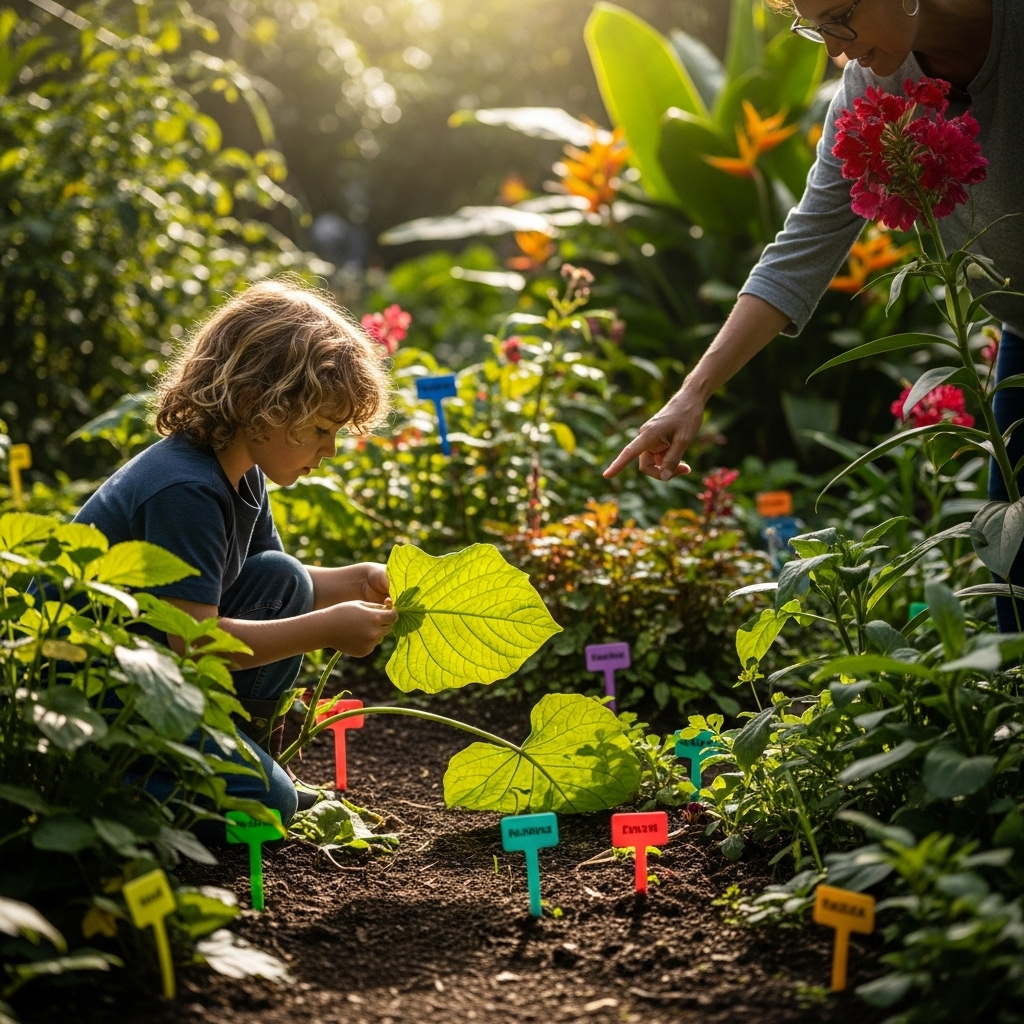
Understanding different types of plants can benefit us in many practical ways. For gardeners, recognizing plants can help in selecting the right species for specific conditions, ensuring a thriving garden. I’ve learned that some plants can attract beneficial insects while others can deter pests. Additionally, foraging for wild edibles has become a passion of mine, and knowing how to identify these plants safely has enriched my culinary adventures. Furthermore, plant identification is also crucial for environmental conservation, as it aids in preserving native flora and combating invasive species. Read Interesting article: How to Grow Ginger Plants Successfully at Home
Common Plant Characteristics to Observe
Leaf Shape and Size
When identifying a plant, the shape and size of the leaves can provide significant clues. I remember my first encounter with a Maple tree; the distinct lobed leaves were unforgettable. Leaves can be broad, narrow, jagged, or smooth, and their arrangement on the stem can also vary. Observing whether the leaves are opposite, alternate, or whorled can further assist in identification. For example, I often notice that the leaves of some shrubs are more oval-shaped, while others have a pointed tip. This simple observation can lead me to the right family of plants quickly.
Flower Color and Structure
The color and structure of flowers are often the most noticeable features when trying to identify a plant. I’ve learned that flowers can vary widely in shape, size, and hue, and they often have specific seasons when they’re in bloom. For instance, I adore observing the vibrant petals of sunflowers during summer, standing tall and bright. The arrangement of flower parts—such as petals, sepals, and stamens—can also indicate which family a plant belongs to. I’ve enjoyed taking photos of flowers during my hikes, later using them to confirm their identities with plant guides.
Stem and Bark Features
Looking closely at the stem and bark of a plant can reveal much about its identity. The texture, color, and thickness of the bark can help distinguish between species. I remember hiking in the woods and noticing how the smooth bark of a birch tree contrasted sharply with the rough bark of an oak. Furthermore, the stem itself can be green, woody, or succulent, and can have characteristics like thorns or hairiness. These details often help me pinpoint the specific type of plant I’m observing.
Growth Habit and Size
Growth habit and size are essential factors in plant identification. Some plants grow as towering trees, while others might be compact shrubs or sprawling ground covers. I often take note of whether a plant grows upright or sprawls across the ground. For example, when I encounter a plant that spreads wide with a low profile, I often think of creeping thyme. Understanding these growth habits can help differentiate similar-looking species and guide us in choosing plants for our gardens. Height can also indicate the plant’s maturity, and I’ve found it fascinating to observe how small seedlings develop into substantial plants over time.
Types of Plants: A Comprehensive Overview
Flowering Plants (Angiosperms)
Flowering plants, or angiosperms, are the most recognized type of plants. What fascinates me about these plants is how they reproduce through flowers and seeds. They offer a dazzling range of colors and shapes, making them a favorite among gardeners and nature lovers alike. I always find it thrilling to see a variety of flowers blooming in spring, each with its unique beauty.
Annuals vs. Perennials
One important distinction within flowering plants is between annuals and perennials. Annuals complete their life cycle in one growing season, while perennials return year after year. I often prefer planting perennials in my garden because they provide long-lasting beauty without needing to be replanted each year. On the other hand, I enjoy the burst of color that annuals like petunias bring during the summer months. Understanding these differences helps me plan my garden effectively.
Examples: Roses, Sunflowers
Roses and sunflowers are two classic examples of flowering plants. Roses, with their fragrant blooms and variety of colors, are a staple in many gardens. I love how each rose variety has a distinct shape and scent, making gardening with them a delightful experience. Sunflowers, on the other hand, stand tall and are known for their cheerful yellow petals. I remember my first sunflower garden; it was like a sea of gold fluttering in the breeze. Both of these flowers are not just beautiful; they also attract various pollinators, adding to the ecosystem’s richness.
Non-Flowering Plants (Gymnosperms)
Non-flowering plants, such as gymnosperms, offer an entirely different look at the plant kingdom. These plants reproduce through exposed seeds, often found in cones. I find it fascinating how these plants, like pines and cedars, have adapted to various environments over millions of years.
Conifers and Their Characteristics
Conifers are the most well-known gymnosperms. They usually have needle-like leaves and woody cones. I’ve enjoyed wandering through coniferous forests, marveling at the tall trees that seem to touch the sky. The scent of pine is another delightful aspect that brings memories of camping trips and outdoor adventures. These trees are incredibly resilient and can thrive in diverse climates, making them a crucial part of many ecosystems.
Examples: Pine Trees, Cedars
Pine trees and cedars are prime examples of gymnosperms. Pines are often seen in mountainous regions, while cedars can be found in both dry and moist climates. I’ve learned that the wood of these trees is highly valued for its durability and aroma. I love the way pine needles blanket the forest floor, creating a soft, fragrant carpet during hikes.
Ferns and Their Unique Features
Ferns represent another fascinating group of non-flowering plants. They have a unique way of reproducing through spores instead of seeds. I remember my first encounter with a fern; it was a lush green plant that seemed to thrive in the shady corners of my garden.
Reproductive Methods
Ferns reproduce via spores, which are often found on the undersides of their leaves. This method intrigued me because it’s so different from flowering plants. I’ve watched a fern unfurl its fronds in spring, eagerly anticipating how it will develop. This unique life cycle adds a layer of mystery to ferns that I find captivating.
Examples: Boston Fern, Maidenhair Fern
Two popular examples of ferns are the Boston fern and maidenhair fern. The Boston fern is a favorite in homes due to its lush, cascading fronds, while the delicate maidenhair fern features thin, wiry stems with soft leaflets. I love how ferns bring a touch of greenery indoors, making any space feel fresh and vibrant.
Mosses and Their Habitat
Mosses are another interesting category of plants. Though small, they play a vital role in ecosystems by helping retain moisture and providing habitat for various organisms. I often find myself pondering how these tiny plants can thrive in such diverse environments.
Characteristics of Moss
Mosses are non-vascular plants that grow in dense green clumps or mats, usually in shady, damp areas. I remember discovering a patch of moss in my backyard and being fascinated by its velvety texture. They don’t have true roots but instead anchor themselves to surfaces, absorbing water and nutrients directly through their leaves.
Examples: Sphagnum Moss, Cushion Moss
Sphagnum moss and cushion moss are two well-known types. Sphagnum is often used in gardening due to its ability to retain moisture, while cushion moss forms lovely, rounded tufts that add a soft touch to forest floors. I’ve often found myself stopping to admire these little green wonders while wandering through nature.
Using Plant Identification Resources
Field Guides and Books
One of my favorite ways to delve into plant identification is through field guides and books. There’s something special about flipping through the pages of a well-illustrated guide, with vivid colors and detailed descriptions that draw you in. I remember picking up my first field guide at a local bookstore; it was like opening a treasure chest of knowledge. These guides typically categorize plants by type, region, or growth habit, making it easier to find what you’re looking for. I’ve found it helpful to choose a guide specific to my area, as it includes plants I’m likely to encounter. Whenever I go hiking or walking in my neighborhood, I take a field guide along, allowing me to learn on the spot. Plus, the excitement of identifying a plant with the help of a book is truly rewarding!
Mobile Apps for Plant Identification
In this digital age, mobile apps have become fantastic tools for plant identification. I was amazed when I discovered these apps, which use image recognition technology to help identify plants in seconds. All I have to do is take a quick photo of the plant, and the app does the rest. Some of my favorites include PlantSnap and PictureThis; they’re user-friendly and often give additional information, like care tips and habitat preferences. I sometimes find myself in a garden or park, and when I spot an unfamiliar plant, I can quickly pull out my phone to uncover its identity. It’s like having a personal botanist right in my pocket!
Online Databases and Websites
Online databases and websites are another excellent resource for plant identification. I often turn to sites like the USDA PLANTS Database or the National Audubon Society’s website. These platforms provide extensive information, including images, descriptions, and even the ecological roles of various plants. I appreciate how they categorize plants by region, which helps narrow down my search. Sometimes, I’ll spend an afternoon browsing these databases, learning about plants I’ve never encountered before. It’s fascinating to see how interconnected all plants are within ecosystems, and I love the feeling of expanding my knowledge right from my computer. Read Interesting article: What Plant Zone Am I In? Find Your Hardiness Zone
Quick Identification Techniques
Observing the Environment
One of the best tips I can share about plant identification is to pay attention to the environment where the plant is growing. I’ve learned that different plants thrive in specific habitats, whether it’s a wetland, dry rocky area, or dense forest. For example, when I’m hiking near a stream, I’m more likely to encounter moisture-loving plants like ferns and certain wildflowers. Observing the surrounding flora can often lead me to identify a plant more quickly. I remember hiking in a woodland area and noticing clusters of wild violets near a shaded spot. By understanding the context, I was able to identify them faster than if I had just focused on the plant alone.
Taking Notes and Photos
Keeping a journal of my plant observations has become a cherished aspect of my nature outings. I take notes on the characteristics of each plant, such as leaf shape, flower color, and growth habit. I also love snapping photos, which help me remember what I saw and serve as a reference for later. I find that when I write down my observations, it reinforces the details in my mind. Sometimes I’ll sketch the plant as well, which adds a creative element to my identification process. Looking back through my notes and photos brings back memories of my adventures, and it’s rewarding to see how much I’ve learned over time.
Asking for Help: Community and Experts
Don’t underestimate the power of community when it comes to plant identification. I’ve found that asking for help from friends, family, or local gardening clubs can be incredibly enriching. Many enthusiasts are more than happy to share their knowledge, and I’ve learned a great deal from informal discussions. I also enjoy visiting local botanical gardens or nature centers, where experts often host workshops or plant walks. Participating in these events allows me to ask questions and gain insights directly from knowledgeable individuals. Connecting with others who share the same passion for plants makes the journey of discovery even more enjoyable.
Common Plant Identification Mistakes
Misidentifying Similar Species
As I’ve dived deeper into plant identification, I’ve realized how easy it is to misidentify similar species. There are so many plants that look alike, and sometimes it takes a keen eye to notice subtle differences. For instance, I once confused a common milkweed with a similar-looking plant that was actually a toxic variety. Thankfully, I double-checked before attempting to forage! It taught me the importance of not rushing the identification process. I’ve learned to take my time, compare features, and consult multiple sources when I’m unsure.
Ignoring Seasonal Changes
Another mistake I’ve made is ignoring the seasonal changes of plants. Many species look drastically different depending on the time of year, which can lead to confusion. For instance, I’ll often encounter a plant in spring, only to find it looks entirely different in fall or winter. I remember being puzzled by a plant I thought was a perennial, only to discover it was a biennial that only blooms every other year. Keeping seasonal changes in mind has helped me become a more accurate identifier.
Relying Solely on One Feature
Relying on just one feature for identification can be misleading. I’ve learned that it’s crucial to consider multiple characteristics when identifying a plant. For example, I once focused solely on flower color and overlooked other essential details like leaf shape and growth habit. This habit led me to misidentify a few plants. Now, I make a conscious effort to look at the whole picture, considering various features together. This holistic approach has significantly improved my confidence in plant identification.
Frequently Asked Questions
Why is plant identification important?
Plant identification is important because it helps us appreciate the diversity of plant life, understand ecosystems, and take better care of gardens and local wildlife. It also plays a crucial role in environmental conservation by preserving native flora and combating invasive species.
What are the benefits of knowing different types of plants?
Knowing different types of plants helps in selecting the right species for specific conditions, ensuring a thriving garden. It can also assist in attracting beneficial insects, deterring pests, and safely foraging for wild edibles.
What characteristics should I observe when identifying a plant?
When identifying a plant, you should observe leaf shape and size, flower color and structure, stem and bark features, and the growth habit and size of the plant.
What are the differences between annuals and perennials?
Annuals complete their life cycle in one growing season, while perennials return year after year. Understanding these differences helps in planning a garden effectively.
What are some examples of flowering plants?
Roses and sunflowers are classic examples of flowering plants. Roses are known for their fragrant blooms, while sunflowers are recognized for their tall stature and cheerful yellow petals.
How do non-flowering plants reproduce?
Non-flowering plants, such as gymnosperms, reproduce through exposed seeds, often found in cones. Ferns, another group of non-flowering plants, reproduce via spores found on the undersides of their leaves.
What resources can I use for plant identification?
You can use field guides and books, mobile apps for plant identification, and online databases and websites to help identify plants. Each resource offers various information and illustrations to assist in the identification process.
What is a quick technique for identifying plants?
A quick technique for identifying plants is to observe the environment where the plant is growing, take notes and photos of the plant’s characteristics, and engage with the community or experts for assistance.
What are common mistakes in plant identification?
Common mistakes in plant identification include misidentifying similar species, ignoring seasonal changes, and relying solely on one feature for identification instead of considering multiple characteristics.
How can I improve my plant identification skills?
You can improve your plant identification skills by taking your time, comparing features, consulting multiple sources, keeping seasonal changes in mind, and looking at the whole picture of the plant’s characteristics.