
Your hardiness zone is a crucial factor in determining what plants will thrive in your garden, based on your area’s climate conditions. Understanding your zone helps you select plants that can survive local temperatures, ensuring a healthier, more vibrant garden. For more detailed planting techniques, consider reading How to Plant Grapes (Beginner Vineyard Guide).
Understanding Hardiness Zones
Definition of Hardiness Zones
Hardiness zones are geographical areas that are categorized based on climate conditions, specifically the average minimum winter temperatures. Created by the USDA (United States Department of Agriculture), these zones help gardeners understand which plants are most likely to survive and thrive in their specific location. Each zone is assigned a number, typically ranging from 1 (coldest) to 13 (warmest), with sub-zones indicated by letters (such as 6a, 6b) to provide more precise information. This classification is crucial because it allows us to choose plants that are suited for our local climate, which can vary significantly from one area to another.
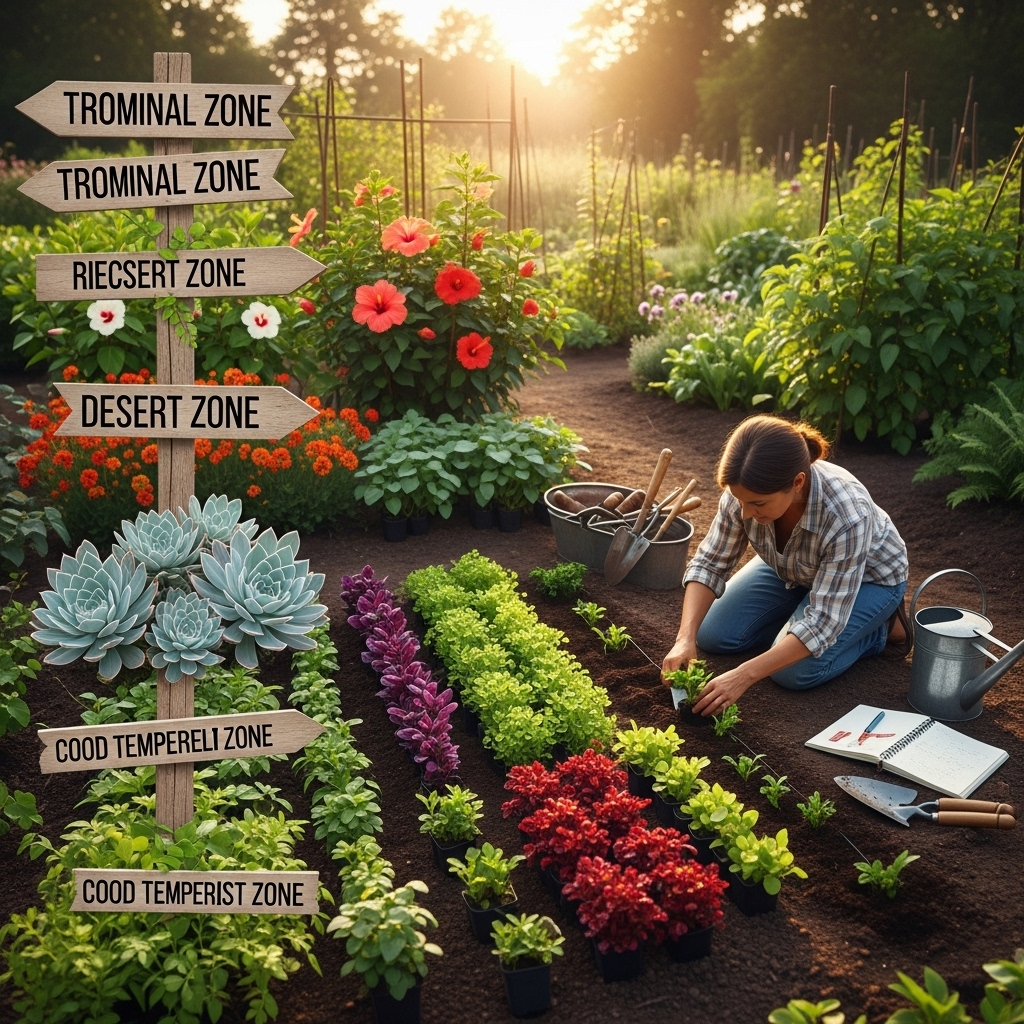
Importance of Hardiness Zones for Plant Growth
When I first started gardening, I didn’t pay much attention to hardiness zones. I thought all plants were created equal and could adapt to my backyard’s conditions. However, I quickly learned that understanding my hardiness zone was key to my gardening success. Plants that are not suited for the local climate can struggle to survive, leading to disappointment when they wilt or die. By knowing my hardiness zone, I was able to select plants that can withstand the average winter temperatures, resulting in a thriving garden full of life.
Moreover, hardiness zones help us plan our gardens more effectively. For instance, if you live in a zone with harsher winters, you’ll want to prioritize plants that are hardy enough to endure those conditions. This knowledge not only saves time and resources but also enhances the overall beauty of the garden, leading to a more sustainable gardening practice. When I switched to planting species suited for my zone, I noticed a significant improvement in both growth and bloom, which was incredibly rewarding. Additionally, understanding the right planting techniques can be crucial. For more insights, check out How Do You Plant Corn? Step-by-Step Guide.
How Hardiness Zones are Determined
Hardiness zones are determined by collecting data on winter temperatures over several years across different geographical locations. The USDA uses this data to create a comprehensive map that categorizes the U.S. into various hardiness zones. In my experience, I found that the map is invaluable for anyone who wants to understand their local climate better. It’s fascinating to see how even small differences in elevation, proximity to bodies of water, and urban heat can affect the hardiness zone of a specific area.
One thing I realized while exploring the hardiness zone map is that local variations can create unique microclimates. For example, my friend lives just a few miles away from me but is situated in a valley, which means her garden experiences different temperature extremes compared to mine. While the average temperature might place her in zone 6b, my garden is firmly in zone 6a due to slight elevation differences. This highlights the importance of not only consulting the hardiness zone map but also considering your specific garden conditions.
Understanding these nuances has encouraged me to become more observant about my garden’s environment. I started paying closer attention to where the sun hits, how water drains, and even the wind patterns. These factors can make a significant difference in plant performance, reinforcing the idea that hardiness zones are just a starting point for successful gardening.
Finding Your Hardiness Zone
How to Use the USDA Plant Hardiness Zone Map
Finding your hardiness zone is straightforward thanks to the USDA Plant Hardiness Zone Map. Simply visit the USDA website, where you can view the map that divides the United States into various zones. You can zoom in on your state and even your specific area to find your exact zone. I remember the first time I did this; I was amazed at how easily I could pinpoint my zone and make informed decisions about what to plant.
To use the map effectively, start by locating your state and then find your county or city. The color coding on the map will indicate your hardiness zone. If you’re still uncertain, some local gardening centers or extension services can provide guidance and help you understand how the map applies to your specific situation.
Online Tools and Resources for Zone Identification
In addition to the USDA map, several online tools can help identify your hardiness zone more precisely. Websites like Garden.org or the American Horticultural Society offer interactive tools where you can input your zip code to find your zone. I’ve used these tools myself, and they’ve been incredibly helpful in confirming my findings from the USDA map.
Moreover, some gardening apps can provide localized weather information and updates on hardiness zones. I’ve found that having this information at my fingertips has made my gardening experience more enjoyable, as I can quickly check which plants are suitable for my area and even get reminders on when to plant them. For plant identification, consider visiting What Type of Plant Is This? Quick Identification Guide.
Factors Affecting Your Local Hardiness Zone
While the hardiness zone map is a great starting point, several factors can affect your local hardiness zone, making it essential to consider your specific environment. For example, aspects like soil type, drainage, and the presence of structures can influence how plants perform in your garden. I once planted some perennials in a spot that I thought was perfect, only to find out later that they were too shaded by nearby trees. Understanding these details has made a big difference in my gardening success.
Additionally, urban areas often experience what’s known as the ‘urban heat island’ effect, which can raise temperatures by a few degrees compared to rural areas. This can lead to a difference in hardiness zones even within the same city. Observing these local conditions has taught me to be flexible and to adapt my plant choices based on what I see in my garden rather than strictly adhering to the hardiness zone map. After all, gardening is as much about adapting to our environments as it is about following guidelines.
Hardiness Zones Explained
Overview of USDA Hardiness Zones
When I first encountered the USDA hardiness zones, I was intrigued by how they provide a snapshot of the climatic conditions across the U.S. The USDA Zones are not just numbers; they represent a range of temperatures that can help us determine what plants will thrive in our gardens. Each zone corresponds to an average annual minimum temperature, which plays a significant role in plant survival. For instance, if you’re in zone 5, you can expect winter lows to be around -20 to -10 degrees Fahrenheit. This knowledge can change the way we approach our gardening choices.
As I explored these zones, I realized that they serve as a guideline rather than a strict rule. While it’s helpful to know that zone 5 plants might not survive the extreme chills of zone 4, I’ve seen many gardeners successfully grow plants that are considered less hardy. I think that’s part of the beauty of gardening—we can experiment and push the boundaries of what we thought was possible. Understanding the hardiness zones gives us a solid foundation, but it’s our personal experiences that shape our gardening journey.
Understanding Microclimates
One of the most fascinating things I discovered in my gardening adventure is the concept of microclimates. I had always thought my garden’s conditions were uniform, but after paying close attention, I found that different areas of my yard had unique conditions that influenced plant performance. For example, the southern side of my house receives full sun and is slightly warmer, creating a microclimate that allows for the growth of sun-loving plants. Meanwhile, the shaded areas near my towering oak trees require more shade-tolerant species.
Microclimates can be influenced by various factors, such as buildings, trees, and even bodies of water. I remember a friend of mine who lives near a lake. The cool breezes from the water created a milder climate that allowed her to cultivate plants that wouldn’t typically survive in our common hardiness zone. This illustrates how paying attention to your garden’s specific environment can lead to greater success. I’ve learned that being mindful of these variations can open up new possibilities for planting, allowing us to enjoy a wider range of species than we might initially think possible.
Zones and Average Annual Minimum Temperatures
The USDA hardiness zones are based on average annual minimum temperatures, but it’s not just about the coldest winter nights. I’ve found that understanding these temperature ranges helps in selecting plants that can endure the variability of our seasons. For example, if you’re aware that your zone experiences an average low of 10 degrees, you can confidently choose plants that are rated for that temperature or lower.
However, it’s essential to remember that these averages don’t tell the whole story. I’ve seen fluctuations in weather that have led to unseasonably warm winters or harsh cold snaps. It serves as a reminder that while averages are helpful, they can’t predict every year’s weather. This unpredictability has taught me to be a bit cautious. I now consider the historical temperature trends in my area and how they might affect my plants. For instance, I’ve started to look for plants that are labeled as hardy to at least one zone colder than mine, just to give myself a safety net. It’s a bit like preparing for the unexpected, which is part of the fun in gardening.
Choosing Plants for Your Hardiness Zone
Best Plants for Each Hardiness Zone
Now that we’ve got a handle on hardiness zones and their significance, let’s talk about the fun part—choosing the right plants! When I first started my garden, I was overwhelmed by the variety available. However, knowing my hardiness zone helped narrow down my choices significantly. Each zone has a variety of plants that not only survive but thrive, making our gardens more beautiful.
For example, in my zone 6a, I’ve had great success with perennials like coneflowers, black-eyed Susans, and daylilies. These plants add color and texture and are resilient against the winter chill. I’ve also discovered that incorporating some native plants has enriched my garden with local wildlife, making it a vibrant ecosystem. Choosing plants that are well-suited to our zones means less stress and more blooming joy.
Native vs. Non-Native Plants: What to Consider
As I’ve dived deeper into gardening, I’ve noticed a growing emphasis on native plants. There’s something special about planting species that are indigenous to my area. They not only thrive in our local climate but also provide essential habitats for pollinators and other wildlife. I’ve found that native plants often require less maintenance and are more resistant to pests and diseases, which is a win-win!
However, I also love experimenting with non-native plants that are hardy for my zone. I’ve planted some tropical varieties that add an exotic flair to my garden, and they’ve surprised me with their ability to adapt. The key is to strike a balance between the two, mixing native and non-native plants to cultivate a diverse and resilient garden.
Seasonal Planting Tips for Different Zones
Timing is everything in gardening, and understanding your hardiness zone can help you plan your planting schedule. From my experience, knowing when to plant is just as crucial as knowing what to plant. For instance, I’ve learned that in my zone, the last frost date typically falls in late April, so I start planting my annuals and tender perennials just after that.
On the other hand, fall is the perfect time for planting perennials, allowing them to establish roots before the winter sets in. I’ve found that preparing my garden in the fall not only leads to a more robust growth in spring but also helps me enjoy the beautiful colors of autumn. By aligning my planting schedule with the seasonal cues in my hardiness zone, I’ve seen my garden flourish like never before.
Frequently Asked Questions
What are hardiness zones?
Hardiness zones are geographical areas categorized by the USDA based on climate conditions, specifically average minimum winter temperatures. Each zone is assigned a number from 1 (coldest) to 13 (warmest), with sub-zones indicated by letters for more precise information.
Why are hardiness zones important for gardening?
Understanding hardiness zones is crucial for selecting plants that can survive local temperatures, ensuring healthier and more vibrant gardens. Plants that are not suited for the local climate may struggle to survive, leading to disappointment for gardeners.
How are hardiness zones determined?
Hardiness zones are determined by collecting data on winter temperatures over several years across different geographical locations. The USDA uses this data to create a comprehensive map categorizing the U.S. into various hardiness zones.
How can I find my hardiness zone?
You can find your hardiness zone by visiting the USDA Plant Hardiness Zone Map on their website, where you can zoom in on your state and specific area. Additionally, local gardening centers or extension services can provide guidance.
What online tools help in identifying hardiness zones?
In addition to the USDA map, websites like Garden.org and the American Horticultural Society offer interactive tools where you can input your zip code to find your zone. Gardening apps can also provide localized weather information and hardiness zone updates.
What factors can affect my local hardiness zone?
Several factors can affect your local hardiness zone, including soil type, drainage, and the presence of structures. Urban areas may experience the ‘urban heat island’ effect, raising temperatures compared to rural areas and potentially impacting hardiness zones.
What are microclimates?
Microclimates are unique environmental conditions within a larger area that can influence plant performance. Factors such as buildings, trees, and bodies of water can create microclimates that allow for different plants to thrive in specific areas of a garden.
How do average annual minimum temperatures relate to hardiness zones?
USDA hardiness zones are based on average annual minimum temperatures, which help determine which plants will thrive. However, variances in weather can occur, so it’s wise to consider historical temperature trends and choose plants that are rated for temperatures at least one zone colder than yours.
What types of plants are best for specific hardiness zones?
Each hardiness zone has a variety of plants that not only survive but thrive. For example, in zone 6a, perennials like coneflowers, black-eyed Susans, and daylilies are known to do well, enhancing garden beauty and resilience.
What should I consider when choosing between native and non-native plants?
Native plants thrive in local climates, provide essential habitats for wildlife, and often require less maintenance. Non-native plants can also be successfully grown if they are hardy for the zone. A balance between the two can create a diverse and resilient garden.