
If your plant is showing signs of distress, it could be due to various common problems like yellowing leaves, drooping, or pests. Understanding these issues and their fixes can help revive your green friend and keep it healthy. For instance, if you’re dealing with pests, you might want to check out Senecio Angel Wings Plant Problems – Pests and Diseases, Watering, Sunlight, Soil.
Understanding Common Houseplant Issues
Identifying Signs of Distress
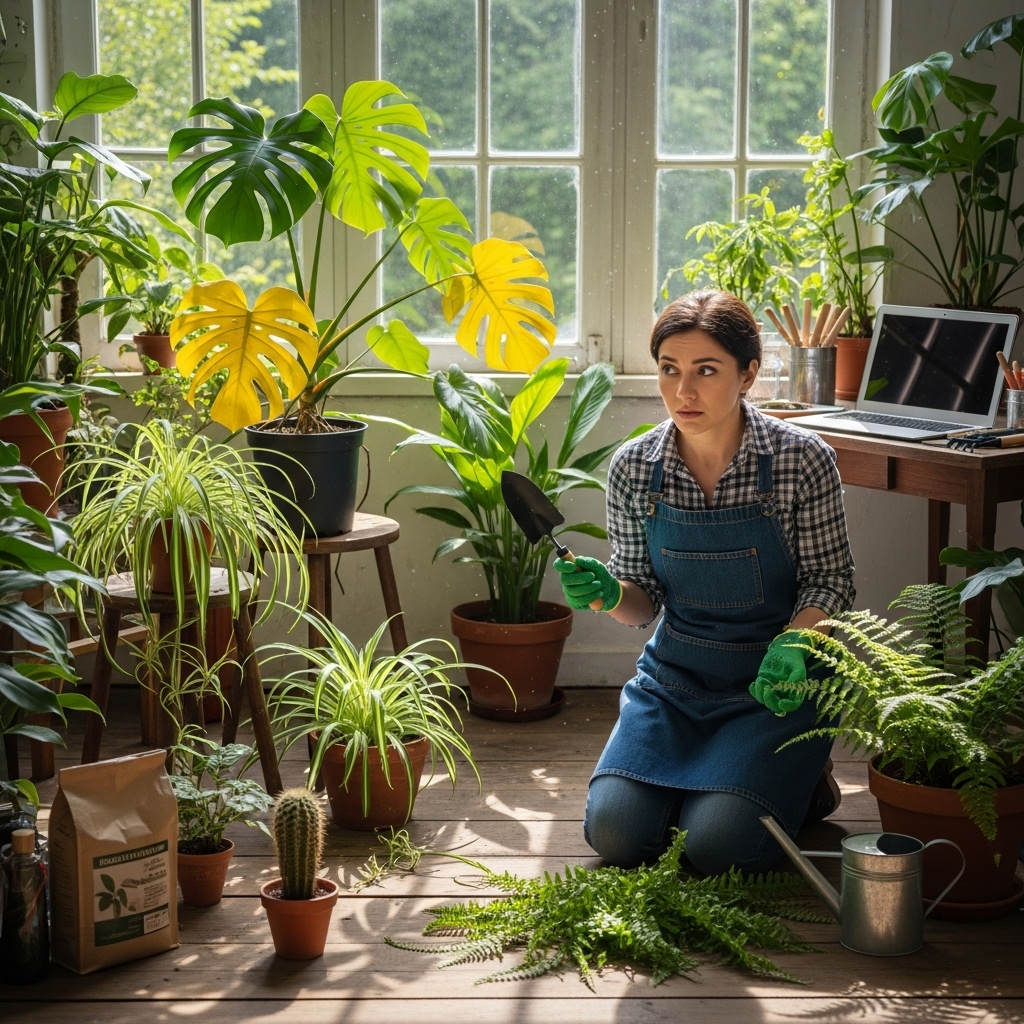
As a plant lover, I’ve learned that recognizing when my plants are in trouble can be a game-changer. Just like us, plants communicate through their appearance, and it’s crucial to pay attention to their signals. For instance, when I noticed yellowing leaves on my beloved pothos, it was my plant’s way of yelling for help. Over time, I’ve come to identify various signs of distress, like wilting leaves, stunted growth, and even brown tips on the leaves. Understanding these signs is the first step in diagnosing what’s wrong and helping my plant recover.
Importance of Plant Care Knowledge
Knowledge is power, especially when it comes to caring for houseplants. I remember when I first started my plant journey, I had no idea what I was doing. Many of my plants suffered because of a lack of understanding. Learning how different plants thrive in various conditions helped me tremendously. I began to appreciate the nuances of plant care—like how certain species prefer bright light while others thrive in low light. The more I learned about my plants’ needs, the better I was able to nurture them, and the more joy they brought me. If you’re new to plant care, consider reading How to Care for a Spider Plant (Beginner Guide) to get started.
Common Plant Problems
Yellowing Leaves
One of the most common issues I’ve encountered is yellowing leaves. This can be alarming, as it often indicates that something is off. In my experience, yellowing leaves can stem from several causes, including overwatering, nutrient deficiencies, or inadequate light. For example, I once overwatered my snake plant, thinking it needed more moisture. Instead, I created a soggy environment that led to yellowing leaves. I learned that allowing the soil to dry out between waterings is key. If you see yellow leaves, check your watering habits first.
Wilting or Drooping Leaves
Wilting or drooping leaves are another red flag. I remember a time when my fiddle leaf fig started drooping, and I panicked. It turned out that it was thirsty! Wilting can often mean that a plant needs water, but it can also indicate root rot or even stress from too much sunlight. When I faced this issue, I started observing how quickly the soil dried out. I found that adjusting my watering schedule based on the season and humidity levels helped my plants bounce back.
Brown Tips or Edges on Leaves
Brown tips or edges on leaves can be a frustrating problem. I’ve seen this happen on my peace lily, and it usually means my plant is either underwatered or exposed to low humidity. I remember the first time I noticed this issue; I was worried I was doing something terribly wrong. Then, I realized that peace lilies thrive in higher humidity. I began misting the leaves regularly and placing a pebble tray with water underneath the pot, and it worked wonders. If you see brown tips, consider elevating the humidity levels around your plant.
Stunted Growth
Have you ever felt like your plant just isn’t growing? I’ve had this happen too, and it can be frustrating. Stunted growth can be due to poor soil quality, lack of nutrients, or even being root-bound. I once had a spider plant that stopped growing. After some inspection, I found it was pot-bound, meaning the roots had no room to expand. Repotting it into a larger container with fresh soil made all the difference for me. If your plant’s growth seems stagnant, take a closer look at its environment and pot size.
Leaf Drop
Leaf drop can be heartbreaking, especially when you’ve nurtured a plant for a while. I experienced this with my rubber plant, and it made me question everything I was doing. Leaf drop can occur due to sudden temperature changes, overwatering, or stress from a new environment. When I moved my rubber plant closer to a window, it started dropping leaves. I learned that it needed time to acclimate to its new spot. If your plant drops leaves, consider any recent changes in its environment.
Pests Infestation
Finding pests on my plants has been one of the most distressing moments in my plant care journey. I remember discovering mealybugs on my succulent and feeling overwhelmed. Pests can silently wreak havoc if not addressed quickly. I’ve found that regular inspections can help catch infestations early. If you see tiny insects or webbing, act fast! Neem oil has worked wonders for me in treating pests, and it’s a natural solution too. For more insights on pest management, check out Celosia Plant Problems: Know Common Reasons Why Its Dying?.
Fungal Infections
Fungal infections are another issue that can affect plant health. I once had a beautiful fern that started developing a fuzzy mold on its soil surface. This was a sign of overwatering and poor air circulation. To combat the issue, I reduced the frequency of watering and made sure the fern had good airflow. If you notice a white or gray mold developing, it’s essential to address it quickly to prevent it from spreading.
Root Rot
Root rot is perhaps one of the worst problems a plant can face, and I’ve had my share of close calls. This condition usually results from overwatering or poor drainage. I learned this lesson the hard way when I lost a prized plant due to neglecting drainage. If your plant has dark, mushy roots, it’s a sign of root rot. The best course of action is to remove the plant from its pot, trim the affected roots, and repot it in fresh, well-draining soil. It’s a tough situation, but with timely intervention, recovery is possible.
Causes of Plant Problems
Watering Issues
Watering is, without a doubt, one of the most critical aspects of plant care. I’ve had my fair share of mishaps in this department. Too much water can lead to root rot, while too little can cause wilting and stress. I’ve learned that the frequency of watering really depends on a plant’s specific needs and the environmental conditions. For example, my succulents thrive on a “forget and water” method, needing only occasional hydration, while my ferns seem to demand a regular schedule. I highly recommend sticking your finger a couple of inches into the soil to check for moisture before watering. This simple test has saved many of my plants from drowning or drying out! Remember, it’s always easier to fix underwatering than to recover from root rot.
Light Conditions
Light is another crucial factor in plant health that I’ve come to appreciate over time. I used to think that all plants needed bright, direct sunlight, but that’s simply not true. I learned this the hard way with my poor dracaena, which started to develop brown spots after being placed in direct sunlight for too long. After some research, I discovered that many houseplants prefer bright, indirect light. I started experimenting with different spots in my home and noticed a significant difference in their health. I always suggest using sheer curtains to diffuse direct sunlight for those plants that prefer a softer glow!
Soil Quality and Composition
The soil I use has made a world of difference for my plants. Initially, I didn’t give much thought to the type of soil I used, and I often found my plants struggling. Once, I planted an aloe vera in regular potting soil, which retained too much water and led to root rot. After that experience, I learned that different plants thrive in different soil types. For instance, succulents and cacti need well-draining soil, while ferns enjoy a more moisture-retentive mix. I recommend looking for soil blends tailored to specific plant types for the best results.
Temperature Fluctuations
Temperature can also be a sneaky culprit when it comes to plant health. I remember when I first moved my plants indoors during winter. I didn’t realize how much the cold drafts from windows would affect them. My once vibrant plants began to droop and lose leaves. Many houseplants do best in temperatures between 65°F and 75°F, so I try to keep an eye on the thermostat. If I notice my plants too close to air conditioning vents or heating units, I promptly move them to more stable environments.
Humidity Levels
Humidity is another aspect I’ve had to consider, especially since I live in a relatively dry climate. Plants like my calathea, which thrive in high humidity, started showing signs of distress until I made some adjustments. I began misting them regularly and placing a humidifier nearby, and what a difference it made! I’ve found that creating a humid microclimate is key for many tropical plants. If you’re struggling with humidity levels, consider setting up a pebble tray filled with water under your plants. This simple trick can significantly boost humidity and help your plants thrive!
Nutrient Deficiencies
Nutrient deficiencies can sneak up on you if you’re not careful. I had a period where my plants seemed to be growing slowly, and I was confused about what was going wrong. After some investigation, I realized I had neglected to fertilize them regularly. I learned that different plants have varying nutrient requirements, so I now use a balanced houseplant fertilizer during the growing season. I recommend following the package instructions and not over-fertilizing, as that can lead to its own set of problems. Watching my plants perk up after a good feeding has been incredibly rewarding!
Diagnosing Your Plant’s Problem
Visual Inspection Techniques
When it comes to diagnosing plant problems, I’ve found that a thorough visual inspection can be incredibly revealing. I’ve learned to take the time to look closely at my plants, examining the leaves, stems, and soil. I often check for any color changes, spots, or unusual growth patterns. This habit has helped me catch issues early before they escalate. For example, I once noticed tiny webbing on my spider plant, which led me to discover an infestation of spider mites. The sooner you spot an issue, the better chance you have of fixing it!
Soil Testing Methods
I also recommend testing the soil for moisture and pH levels. I’ve used moisture meters, which are handy tools for determining whether my plants need watering. Additionally, I’ve started checking the pH of my soil, especially for plants that are sensitive to soil acidity. This has helped me tailor my plant care strategies more effectively. If I notice my soil is too acidic or alkaline, I can amend it accordingly, ensuring my plants have the best chance to thrive.
Assessing Environmental Conditions
Assessing the overall environment is equally important. I often take a step back and consider factors like light exposure, temperature, and humidity. For example, I once had a beautiful fern that was struggling, and upon closer inspection, I realized it was too close to a drafty window. Moving it to a more stable spot made a world of difference. I believe that understanding the environment in which your plants live is essential for their success.
Fixes for Common Plant Problems
Correcting Watering Routines
One of the most effective ways I’ve improved the health of my plants is by refining my watering routine. I’ve learned that the key is consistency and observation. When I noticed my peace lily struggling with wilting, I began to adjust my watering habits. Instead of sticking to a rigid schedule, I started checking the soil moisture regularly. I found that watering deeply but less frequently worked wonders for many of my plants. For instance, I now ensure that my snake plant dries out completely between waterings, which has kept it thriving. I recommend creating a watering schedule based on the plant’s needs and environmental conditions, and always checking the soil moisture before watering. This has made a significant difference for me!
Adjusting Light Exposure
Adjusting light exposure has been a game changer for my plant care. I’ll never forget the time I placed my dracaena in a spot that got too much direct sunlight, and it developed unsightly brown spots. After realizing my mistake, I moved it to a location with bright, indirect light, and it bounced back beautifully! I think one of the best practices is to observe how your plants respond to their lighting conditions. If you notice any signs of distress, don’t hesitate to experiment with different spots in your home. Using sheer curtains to filter sunlight can also be a simple yet effective way to protect plants that need softer light.
Improving Soil Quality
Soil quality has a profound effect on plant health, and I’ve learned this firsthand. When I initially used generic potting soil for all my plants, I encountered numerous issues. After losing a few plants, I decided to invest in specific soil mixes tailored to their needs. For example, I now use a cactus mix for my succulents, which ensures proper drainage. Adding organic matter, like compost, has also boosted the health of my plants. If you suspect your plant isn’t thriving due to soil issues, I suggest repotting with a quality mix that suits your plant type. It’s amazing to see how quickly they recover with the right soil!
Optimal Temperature and Humidity Settings
Maintaining optimal temperature and humidity levels has been essential for my plants’ well-being. I remember when I moved my plants indoors for the winter, and I didn’t think about the impact of heating on humidity. I noticed that my calathea was starting to crisp at the edges, which prompted me to take action. I began using a humidifier in the room and placed my plants on a pebble tray filled with water to increase humidity. I recommend checking the temperature and humidity levels regularly, especially during extreme weather changes, and making adjustments as needed to create a stable environment for your plants.
Fertilizing for Nutrient Deficiencies
Fertilizing my plants has been a transformative experience. I used to overlook this step, thinking my plants would get all they needed from the soil. However, I soon realized that they require additional nutrients, especially during the growing season. I started using a balanced liquid fertilizer every four to six weeks for my houseplants, and the results were fantastic. I noticed my plants growing more robustly and developing vibrant leaves. Just remember, it’s easy to over-fertilize, so I advise following the instructions on the fertilizer package closely. Regular feeding has turned my plants into thriving green beauties!
Pest Control Methods
Dealing with pests can be a daunting task, but I’ve learned effective strategies to keep my plants safe. When I first found aphids on my beloved monstera, I panicked. However, after some research, I discovered that a simple solution of water and dish soap could get rid of them. I started applying this mixture regularly during the growing season as a preventive measure. Additionally, I’ve incorporated neem oil into my routine, which not only treats existing infestations but also helps deter new pests. I recommend inspecting your plants frequently, especially the undersides of leaves, to catch any pests early. This proactive approach has saved many of my plants from becoming infested!
Treating Fungal Infections
Fungal infections can be tricky, but I’ve learned how to manage them effectively. When I noticed white mold growing on the soil of my fern, I took immediate action. I reduced watering frequency and ensured the plant had adequate airflow. I also sprinkled cinnamon on the soil, which acted as a natural fungicide. If you find yourself dealing with similar issues, consider improving air circulation around your plants and ensuring they don’t stay too wet for too long. This has kept my plants healthier and free from fungal infections, allowing them to flourish!
Frequently Asked Questions
What are the common signs that my plant is in distress?
Common signs of distress in plants include yellowing leaves, wilting or drooping leaves, brown tips or edges on leaves, stunted growth, leaf drop, and pest infestations.
What causes yellowing leaves on my plant?
Yellowing leaves can be caused by several factors, including overwatering, nutrient deficiencies, or inadequate light. It’s important to check your watering habits if you notice yellow leaves.
How can I fix wilting or drooping leaves?
Wilting or drooping leaves often indicate that a plant needs water. However, it can also suggest root rot or stress from too much sunlight. Observe how quickly the soil dries out and adjust your watering schedule accordingly.
What does it mean if my plant has brown tips or edges on the leaves?
Brown tips or edges usually indicate that a plant is either underwatered or exposed to low humidity. Increasing humidity levels, such as by misting or using a pebble tray with water, can help remedy this issue.
How can I tell if my plant is root-bound?
Stunted growth can be a sign that your plant is root-bound. If you suspect this, inspect the root system and consider repotting the plant into a larger container with fresh soil to give the roots more room to expand.
What should I do if my plant drops leaves?
Leaf drop can occur due to sudden temperature changes, overwatering, or stress from moving to a new environment. Assess any recent changes and allow your plant time to acclimate to its surroundings.
How can I manage pest infestations on my plants?
Regular inspections can help catch pest infestations early. If you find pests, treatments like neem oil or a simple mixture of water and dish soap can be effective in managing the situation.
What steps can I take to prevent fungal infections in my plants?
To prevent fungal infections, ensure proper air circulation around your plants and avoid overwatering. If you notice mold, reduce watering and consider using natural remedies like cinnamon to treat the issue.
Why is soil quality important for plant health?
Soil quality affects plant health significantly. Different plants require specific soil types to thrive. Using the right soil mix tailored to your plant’s needs can prevent issues like root rot and promote healthy growth.
How can I improve the humidity levels for my plants?
To improve humidity levels, consider misting your plants regularly, placing a humidifier nearby, or using a pebble tray filled with water under the pots. This helps create a humid microclimate that many tropical plants thrive in.