
The best time to plant tomatoes generally falls between late spring and early summer, after the last frost date has passed. I’ve learned that timing is everything for a successful harvest, and understanding the growth stages of tomatoes can make all the difference. When to Plant Tomatoes for the Best Harvest is a great resource for more information.
Table of Contents
Understanding Tomato Growth Stages
Before diving into the best timing for planting tomatoes, it’s essential to understand the different stages of tomato growth. This knowledge can help us gauge when to start seeds indoors and when to transplant them outdoors. Each stage is crucial to the plant’s overall health and fruit production.
Seed Germination
Seed germination is the first and most critical step in growing tomatoes. I remember the excitement I felt when I placed those tiny seeds in the soil, eagerly awaiting their transformation into seedlings. Typically, tomato seeds need warmth to germinate effectively, so I recommend starting them indoors about 6 to 8 weeks before the last expected frost in your area. The ideal soil temperature for germination is around 70°F to 80°F. I found it helpful to use a heat mat to maintain optimal temperature, which sped up the germination process.
Seedling Development
After germination, the seedlings enter a phase of rapid growth. This stage lasts around 4 to 6 weeks, depending on the variety and growing conditions. During this time, providing adequate light is crucial. I learned that fluorescent grow lights or LED lights can help ensure that seedlings remain sturdy and not too leggy. Watering should be consistent, but be careful not to overwater; the soil should be moist but not saturated. I typically let the top inch of soil dry out between watering. This practice encourages stronger root development, which is essential for healthy plants.
Transplanting
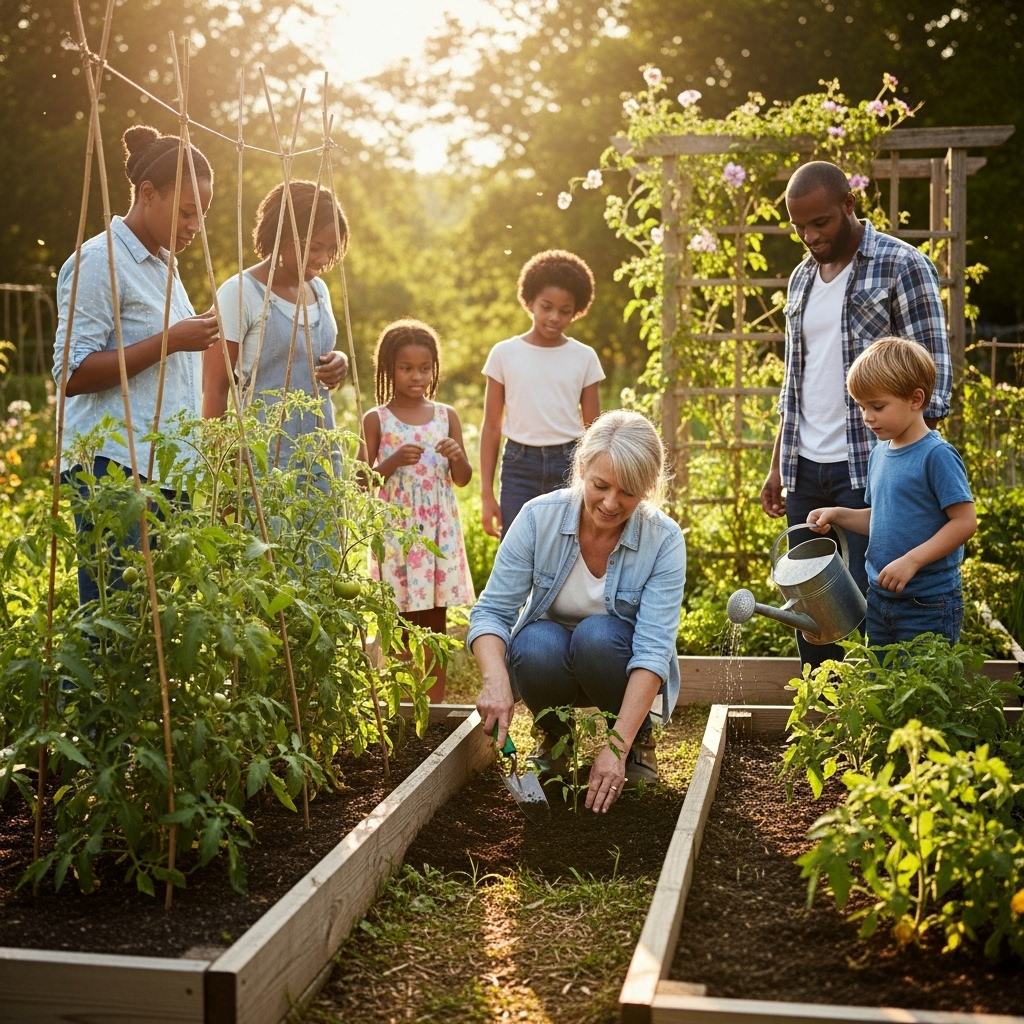
Transplanting is an exciting and nerve-wracking moment. Once the seedlings have developed at least two sets of true leaves, they’re ready to be moved to larger containers or directly into the garden. Generally, I wait until after the last frost date and when nighttime temperatures consistently stay above 50°F. This timing is crucial because tomatoes are sensitive to cold. I remember digging holes in my garden bed, adding compost to enrich the soil, and carefully placing each seedling, burying them up to their first set of leaves to encourage additional root growth. It’s a small trick that has worked wonders for me in the past.
Fruit Development
Once transplanted, tomatoes will go through several stages of fruit development. It usually begins about 60 to 100 days after transplanting, depending on the variety. As the plants mature, I’ve learned to watch for flowering, which indicates that fruit is on the way. Pollination can be aided by gently shaking the plants or using a soft brush to transfer pollen. I try to remain patient during this time, as waiting for those luscious tomatoes to ripen can feel like an eternity. But trust me, the moment you pluck that ripe tomato from the vine is worth every second of anticipation!
Optimal Planting Times
Now that we’ve covered the growth stages, let’s talk about the best times to actually plant tomatoes, focusing on spring planting and considerations for fall planting in warmer climates.
Spring Planting
Spring is the most popular season for planting tomatoes, especially in areas that experience cold winters. I’ve found that waiting until after the last frost is essential, as frost can devastate young tomato plants. I usually check local frost dates online or consult my gardening community for precise timing. In my experience, late April to early June is a sweet spot for many regions, but it can vary. To be sure, I always monitor the 10-day weather forecast closely as the planting date approaches.
Fall Planting (in warmer climates)
For gardeners in warmer climates, fall planting is also an option. I’ve had success planting tomatoes in late summer for a fall harvest. This usually works best in regions with mild winters, where temperatures remain warm enough for the plants to thrive. I like to start seeds indoors in late summer, then transplant them in early fall, allowing plenty of time for fruit to develop before the first frost. It’s a great way to extend the growing season, and I enjoy the challenge of having tomatoes into the cooler months. How Many Kilos of Tomatoes Per Plant? Average Yield Guide is a useful reference for understanding potential yields.
Understanding Frost Dates
Understanding your area’s frost dates is crucial for successful tomato planting. I remember when I first started gardening; I didn’t realize how big of a role frost dates played. These dates mark the end of winter and the beginning of the planting season. The last frost date is what we look to for planting out seedlings, while the first frost date is key for knowing when to harvest. I recommend checking with local agricultural extensions or gardening centers for the most accurate information on frost dates specific to your area.
Regional Considerations for Planting Tomatoes
Growing tomatoes isn’t just about the right timing; it also heavily depends on where you live. Over the years, I’ve noticed that understanding the climate in my region has greatly influenced my success with tomatoes. Each area has its unique challenges and advantages, so let’s dive into the specifics for different climate zones.
Cool Climate Regions
If you find yourself in a cooler climate, you might feel a bit restricted when it comes to growing tomatoes. I remember the first time I tried to grow tomatoes in a region with short summers; I was both excited and apprehensive. The key is to choose varieties that mature quickly. Early Girl and Siberian tomatoes are my go-to options because they can produce fruit in a shorter growing season. I usually start my seeds indoors as early as possible, often in late winter, so that by the time I’m ready to transplant in late May, I have robust seedlings ready for the outdoors.
In cooler climates, I’ve learned to create a microclimate in my garden by using row covers or cloches. This helps retain warmth during chilly nights. I also recommend using raised beds, which can warm up quicker than traditional garden beds, giving my plants a better start.
Temperate Climate Regions
Living in a temperate climate is like having the best of both worlds for tomato growing. I’ve enjoyed planting a wide variety of tomatoes here without the extreme challenges that cooler or hotter climates can present. In these regions, I typically plant my tomatoes in late spring after the danger of frost has passed. The consistent temperatures help my plants thrive.
One thing that I’ve noticed is the importance of regular watering during the hot summer months. I’ve experimented with soaker hoses, and they have worked wonders in delivering consistent moisture without soaking the leaves, which helps prevent diseases. Additionally, I like to mulch around my plants to keep the soil temperature stable and retain moisture.
Warm Climate Regions
If you’re in a warm climate, you might think that the heat is only a good thing for your tomatoes. I’ve certainly felt that way at times, but I’ve learned that too much heat can be problematic. For instance, in my experience, if temperatures exceed 90°F during the day and 70°F at night, the flowers may drop without setting fruit. I’ve found that planting tomatoes in an area with some afternoon shade can help alleviate the stress of intense heat.
Another tip I picked up is timing my fall planting carefully to avoid the hottest part of the summer. I start seeds in late summer and aim to transplant them in early fall, as this allows the plants to establish themselves before the cooler winter months. I’ve had great success with varieties like Sun Gold and Sweet 100, which are well-suited to the warm conditions.
Types of Tomatoes and Their Planting Times
Not all tomatoes are created equal, and understanding the different types can make a significant difference in my garden. I’ve learned through trial and error that knowing which variety to plant and when can set me up for a successful harvest.
Determinate vs. Indeterminate Varieties
One of the first things I learned was the difference between determinate and indeterminate tomatoes. Determinate varieties, like Roma and Celebrity, grow to a certain height and then stop, producing all their fruit at once. I find this is great for canning because I can harvest in one go. I usually plant these types early in the season to ensure I have a good yield by mid-summer.
On the other hand, indeterminate varieties, such as Brandywine and Cherokee Purple, continue to grow and produce fruit throughout the season. I love these for my home garden because they offer a continuous supply of fresh tomatoes. I tend to plant these a little later, as I want to ensure that I get a steady harvest until the first frost hits.
Heirloom vs. Hybrid Tomatoes
Heirloom tomatoes are my favorite for their unique flavors and colors. They might be a bit more finicky than hybrids, but for me, the taste is worth it. I typically start heirloom seeds indoors a bit earlier, as they often take longer to mature. Hybrids, like Big Beef and Better Boy, are bred for disease resistance and uniformity, which can be a real asset in a home garden. I’ve planted hybrids alongside heirlooms to take advantage of both worlds, ensuring I have plenty of tomatoes for fresh eating and preserving.
Preparing Your Garden for Planting
Getting my garden ready for planting is one of my favorite parts of the gardening process. I find that the preparation stage sets the tone for how my tomatoes will thrive. Over the years, I’ve developed a routine that has really helped me maximize my growing space.
Soil Preparation
Healthy soil is the foundation of a successful garden. I always start by testing the soil pH, which is crucial for tomato growth. Ideally, I aim for a pH between 6.0 and 6.8. If my soil is too acidic or alkaline, I adjust it accordingly using lime or sulfur. I also make it a point to enrich my soil with organic matter, like compost or well-rotted manure. This not only improves soil structure but also provides essential nutrients for my plants.
Choosing the Right Location
Location matters! I’ve learned that tomatoes love the sun, and they thrive best in a spot that gets at least 6 to 8 hours of direct sunlight daily. I often spend a little time observing my garden throughout the day to find the perfect spots. I also try to avoid areas where other nightshades (like peppers or potatoes) were planted the previous year to minimize disease risk.
Companion Planting
Companion planting is another strategy that has really paid off for me. I’ve discovered that planting basil alongside my tomatoes not only enhances their flavor but can also help deter pests. Marigolds are another favorite of mine since they attract beneficial insects. It’s a simple way to create a thriving ecosystem in my garden.
Timing for Starting Seeds Indoors
Starting seeds indoors is one of those magical moments in gardening. I remember the first time I did it; it felt like I was embarking on a mini adventure. Getting the timing right is crucial for ensuring my tomato plants have the best possible start. I’ve come to appreciate that a well-planned seed starting timeline can set the stage for a bountiful harvest later on.
Seed Starting Timeline
For me, creating a seed starting timeline is almost like crafting a recipe. I usually begin by checking my region’s last frost date, which helps me count backward to figure out when to start my seeds. As I mentioned earlier, I typically start my tomato seeds indoors about 6 to 8 weeks before that date. This usually falls in late winter to early spring, depending on where I’m located. I keep a calendar handy to track my starting dates, making it a fun little project that I look forward to each year.
In my experience, I find that mid-February to early March works perfectly for many regions. I enjoy the anticipation that builds as I watch those tiny seeds sprout. It’s like planting a small piece of hope, knowing that soon, I’ll have my very own plants ready to transplant into the garden.
Lighting and Temperature Requirements
Lighting is another critical component when starting seeds indoors. I’ve learned that tomato seedlings love light, so I make sure to provide them with at least 12 to 16 hours of bright light each day. I usually set up fluorescent or LED grow lights above my seedlings. When I first started, I didn’t realize how easily seedlings could become leggy if they didn’t receive enough light. After a few mishaps, I learned to keep the lights just a few inches above the seedlings to encourage sturdy growth.
Temperature also plays a key role. I try to maintain a temperature around 70°F to 75°F during the day. If it gets too cool, I’ve noticed that germination can slow down, and those little seedlings might struggle to thrive. Sometimes, I use a heat mat if my indoor temperatures dip too low, especially at night. It’s a small investment that has made a huge difference in my seed starting success.
Transplanting Tips for Success
Once my seedlings have grown strong enough to face the outdoors, it’s time for the exciting part: transplanting! I remember feeling a mix of excitement and apprehension the first time I moved my little plants from indoors to the garden. Getting this step right is crucial for their survival and growth.
When to Transplant Seedlings
Timing is everything when it comes to transplanting. I usually wait until all danger of frost has passed and nighttime temperatures remain above 50°F. In my case, I’ve found that waiting until the daytime temperatures consistently reach around 70°F helps my plants acclimate better to their new environment. It’s a balancing act between ensuring they’re strong enough to handle the transition while not waiting too long to plant them outside.
To determine when the time is right, I pay attention to the seedlings. When they have at least two sets of true leaves, I know it’s time to make the move. I like to prepare my garden beds ahead of time, making sure the soil is amended and ready for my beloved tomatoes.
Hardening Off Process
Before moving my seedlings to their permanent home, I make sure to harden them off. This process involves gradually introducing them to outdoor conditions over a week or so. I typically start by placing them outside in a shaded area for a couple of hours each day, gradually increasing their sunlight exposure and time outside. This helps them get used to the wind, sun, and temperature fluctuations they’ll encounter in the garden. I remember the first time I skipped this step and ended up with wilted plants; it was a tough lesson learned!
This hardening-off period is crucial. It makes me feel more confident knowing my plants are better prepared for their new environment, and I’ve seen the difference in their resilience and growth once they’re transplanted.
Spacing and Planting Depth
When it comes to transplanting, spacing is another important factor to consider. I usually space my plants about 18 to 24 inches apart, depending on the variety. This gives them plenty of room to grow and develop healthy root systems. I remember the first time I crammed too many plants into one space; it led to overcrowding and competition for nutrients and sunlight, which wasn’t ideal.
I also make sure to plant my seedlings at the right depth. When transplanting, I bury them up to their first set of true leaves. This not only helps with root development but also allows the plants to become more stable in the soil. It’s a technique I’ve come to trust, and I’ve found that my tomatoes thrive when given this extra support right from the start.
Frequently Asked Questions
When is the best time to plant tomatoes?
The best time to plant tomatoes generally falls between late spring and early summer, after the last frost date has passed.
How long does it take for tomato seeds to germinate?
Tomato seeds typically need warmth to germinate effectively, and they usually germinate about 6 to 8 weeks before the last expected frost in your area.
What conditions are ideal for seedling development?
During seedling development, it is crucial to provide adequate light, maintain consistent watering without overwatering, and allow the top inch of soil to dry out between watering to encourage stronger root development.
What should I consider when transplanting tomato seedlings?
Seedlings should be transplanted after they have developed at least two sets of true leaves, and it is important to wait until after the last frost date and ensure nighttime temperatures stay above 50°F.
How long does it take for tomatoes to develop fruit after transplanting?
Tomatoes will go through several stages of fruit development, usually beginning about 60 to 100 days after transplanting, depending on the variety.
What is the significance of understanding frost dates?
Understanding frost dates is crucial for successful tomato planting, as the last frost date indicates when to plant seedlings, while the first frost date helps determine when to harvest.
What types of tomatoes are suitable for cooler climates?
In cooler climates, it is best to choose varieties that mature quickly, such as Early Girl and Siberian tomatoes, as they can produce fruit in a shorter growing season.
What are determinate and indeterminate tomato varieties?
Determinate varieties, like Roma and Celebrity, grow to a certain height and produce all their fruit at once, while indeterminate varieties, such as Brandywine and Cherokee Purple, continue to grow and produce fruit throughout the season.
What is the recommended soil pH for growing tomatoes?
The ideal soil pH for growing tomatoes is between 6.0 and 6.8.
What is the hardening off process for tomato seedlings?
The hardening off process involves gradually introducing seedlings to outdoor conditions over a week, starting with a few hours in a shaded area and gradually increasing sunlight exposure to help them acclimate.