
The best time to plant potatoes for optimal results is in the spring, typically 2-4 weeks before the last frost. If you’re in a milder climate, you can also consider fall planting for certain varieties. Read Interesting article: How to Plant Potatoes for Bigger Harvests
Table of Contents
Understanding Potato Planting Basics
The Importance of Timing
Timing is everything when it comes to planting potatoes. I learned this the hard way during my first attempt at growing them. I planted too early, thinking I could get a jumpstart on the growing season, but the late frost wiped out my hopes. From that experience, I realized the significance of understanding local weather patterns and frost dates. Planting at the right time not only enhances growth but also maximizes yield. Timing ensures that your potatoes have the best chance to thrive in ideal conditions, leading to a successful harvest.
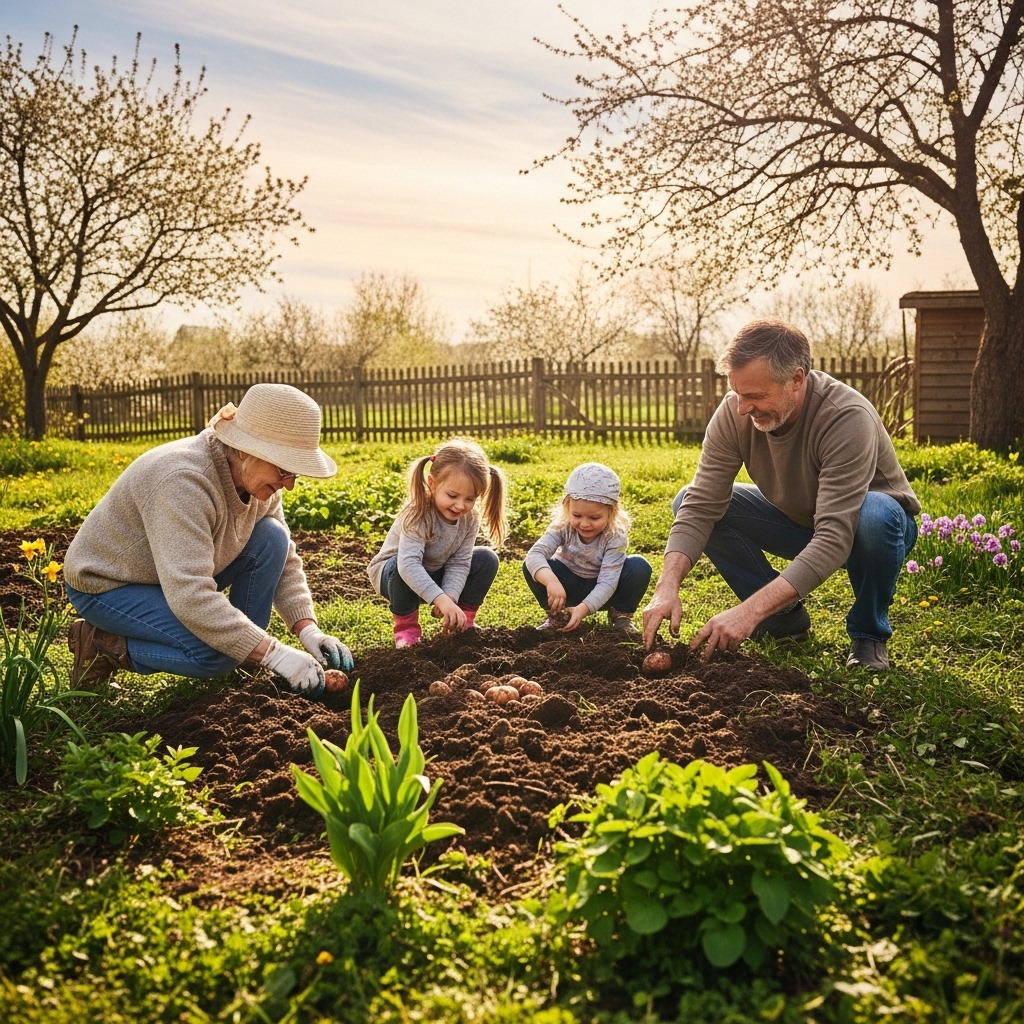
Climate and Weather Considerations
Climate plays a vital role in the success of your potato crop. Potatoes thrive in cool weather; ideally, the soil temperature should be between 45°F to 85°F (7°C to 29°C). I remember a particularly chilly spring where I was eager to plant. After reading about how potatoes can tolerate light frosts, I jumped the gun. However, I quickly discovered that chillier conditions can stunt potato growth, leading to smaller tubers. Understanding your local climate will help you decide the best planting time.
Additionally, weather conditions leading up to planting are crucial. A heavy rainfall can lead to waterlogged soil, which isn’t great for potatoes. Conversely, dry conditions can make soil hard and difficult to work with. I try to keep an eye on the weather forecast during my planting season, adjusting my schedule based on what Mother Nature has in store.
Soil Preparation and Quality
Good soil is the backbone of a healthy potato crop. Prior to planting, I always ensure my soil is well-prepared. This means testing the soil to check for pH and nutrient levels. Potatoes prefer slightly acidic soil with a pH of around 5.5 to 6.5. I once planted potatoes in soil that was too alkaline, and it really affected their growth. A simple soil test can guide you on necessary amendments, like adding sulfur or compost to bring the pH to the ideal range.
When it comes to soil quality, drainage is key. Potatoes are prone to rot if they sit in waterlogged soil. I’ve found that mixing in organic matter, like compost or well-rotted manure, not only improves drainage but also enriches the soil with nutrients. I take time to till the soil deeply, which allows for better root penetration and healthier tuber development. The effort put into soil preparation truly pays off in a robust harvest.
Ideal Planting Times for Potatoes
Spring Planting
Spring is the most common time for planting potatoes. As I mentioned earlier, timing is crucial, and generally, potatoes are planted about two to four weeks before the last expected frost. In my case, I usually look at the average frost dates for my area and mark my calendar accordingly. In many regions, this falls between late March to early April. I’ve found that planting at this time allows the potatoes to benefit from the warming soil temperatures and the longer days of sunlight as spring progresses.
In spring, I like to keep an eye on the soil temperature. If it’s consistently above 45°F, I’m ready to plant. I remember one year, I waited a bit too long, and the soil temperature soared. I ended up with small, less flavorful potatoes. From that experience, I learned that patience pays off, and planting too late can negatively impact crop quality.
Fall Planting
While spring is the go-to for most gardeners, fall planting can be an option in certain climates. I discovered this when I read about overwintering potatoes in milder regions. These fall-planted potatoes, known as “winter” or “late” potatoes, can yield a harvest earlier in the spring than their spring-planted counterparts. However, this approach isn’t suitable everywhere. I live in an area with harsh winters, so I steer clear of fall planting. If you’re considering this, make sure your climate supports it, and choose the right varieties that can handle the cooler temperatures.
Regional Variations in Planting Times
Regional differences play a significant role in when to plant potatoes. I’ve had friends in the southern states share their planting times, which can be weeks or even months earlier than mine in the north. I find it fascinating how the same crop can have such varied timings based on location. Typically, northern gardeners plant later due to longer winters, while southern gardeners enjoy a longer growing season.
For anyone interested in growing potatoes, I recommend reaching out to local gardening clubs or agricultural extensions. They often provide valuable information on the best planting times specific to your area. This local knowledge has been beneficial in my own gardening journey, helping me adapt my planting schedule to the unique climate of my region. Read Interesting article: How Deep Do You Plant Potatoes? Correct Depth Guide
Choosing the Right Potato Varieties
Early, Mid, and Late Season Varieties
When it comes to growing potatoes, one of the most exciting aspects is choosing the right varieties. I remember when I first started gardening, I felt overwhelmed by the options available. I quickly learned that potatoes are categorized into early, mid, and late-season varieties, each with its unique benefits. Early varieties, such as ‘Red Yukon’ or ‘New Potatoes,’ are usually ready for harvest in about 70 days. I love these because they give me an earlier reward for my efforts, and who doesn’t enjoy fresh, tender potatoes in the spring?
Mid-season varieties, like ‘Kennebec’ or ‘Norland,’ typically take about 90 days to mature. These are my go-to choices for a balance between yield and flavor. I’ve found that they perform well even in less-than-ideal weather conditions. For late-season varieties, like ‘Russet Burbank’ or ‘Purple Viking,’ you’ll be waiting around 110 days or more before harvest. While these take longer, they often yield larger potatoes and have great storage potential. I’ve learned that each type has its place in my garden, depending on when I want to enjoy fresh potatoes.
Best Varieties for Different Climates
Choosing the right potato varieties also depends heavily on your local climate. I’ve discovered that some varieties thrive in cooler climates, while others prefer warmer conditions. For instance, if you live in a cooler area, varieties like ‘Chieftain’ and ‘Carola’ work well, as they can handle the chill without sacrificing growth. I remember my friend in a warmer climate raving about how well ‘All Blue’ potatoes performed for her, and that got me thinking about how much the local environment matters.
In more moderate climates, I often see gardeners opting for ‘Gold Rush’ or ‘Maris Piper,’ which seem to adapt well to varying conditions. It’s a good idea to connect with fellow gardeners in your area or consult local gardening resources, as they can share what has worked best for them. I’ve learned that nothing beats firsthand knowledge when it comes to selecting potato varieties that will flourish in your specific conditions.
Preparing to Plant Potatoes
Seed Potato Selection
Once I’ve settled on the right varieties, the next step is selecting seed potatoes. I’ve found that using certified seed potatoes is essential, as they are disease-free and specifically grown for planting. When I first started, I didn’t realize how important this was, and I made the mistake of using store-bought potatoes. They ended up harboring diseases that stunted my crop. Lesson learned! Now, I always source my seed potatoes from reputable garden centers or online retailers who specialize in heirloom varieties.
Another tip I’ve picked up is to choose seed potatoes that are about the size of a chicken egg. If they’re larger, I cut them into pieces, making sure each piece has at least one or two “eyes.” These eyes are where the sprouts will grow from. I always allow the cut pieces to dry for a day or so before planting. This helps to form a protective layer over the cut surfaces, reducing the risk of rot in the soil.
Chitting Potatoes: What You Need to Know
Chitting potatoes is a practice I’ve come to love. It involves sprouting the seed potatoes before planting, giving them a head start. I usually place the seed potatoes in a light, cool spot for a couple of weeks, with the eyes facing up. This process encourages strong sprout growth, and I’ve noticed that chitted potatoes often lead to a more vigorous crop. When I see those green shoots starting to emerge, I can’t help but feel excited about the upcoming harvest!
However, timing is key. I try to chit my potatoes about 4-6 weeks before I plan to plant them. If I chit them too early, the sprouts can become too long and fragile, which can lead to breakage during planting. A few years back, I got a bit eager and started too soon, resulting in some sprout casualties. Now, I’ve learned to be patient and wait for just the right moment.
Soil Amendments for Optimal Growth
Preparing the soil is one of the most crucial steps to ensure my potatoes grow strong and healthy. I often test the soil to determine what nutrients are missing. Based on the results, I make amendments, such as adding compost, well-rotted manure, or fertilizers that are rich in potassium and phosphorus. I remember the first time I neglected to amend my soil properly; my potatoes were small and lacked flavor. It was a hard but valuable lesson!
In addition to nutrients, I also focus on improving the soil structure. I’ve found that adding organic matter not only helps with drainage but also retains moisture, which is essential for potatoes. I usually take the time to mix in these amendments a couple of weeks before planting, giving the soil a chance to settle and absorb the nutrients. When planting day finally arrives, I can feel confident that I’ve set the stage for a successful crop.
Best Practices for Planting Potatoes
Planting Depth and Spacing
When it comes time to plant my potatoes, I’ve found that getting the depth and spacing just right can make a big difference. I usually aim for a planting depth of about 4 to 6 inches. This depth allows the tubers to develop properly while ensuring they are not too close to the soil surface, where they could be exposed to light and turn green. I remember one year I got a bit excited and planted them too shallow, resulting in a bunch of green potatoes that were less than appetizing. Lesson learned!
Spacing is equally important. I typically space my seed potatoes about 12 inches apart in rows that are around 2 to 3 feet apart. This gives each plant enough room to grow and spread out. Not only does this promote good airflow, reducing the risk of disease, but it also ensures that the plants don’t compete for nutrients too much. I’ve seen how overcrowding can lead to smaller tubers, so I always measure and plan my layout before I dig those holes.
Watering Guidelines
Watering is one of those tasks that can be both a joy and a challenge. Potatoes need consistent moisture, especially when they’re sprouting and forming tubers. I’ve learned that overwatering can be just as detrimental as underwatering. I try to keep the soil evenly moist, aiming for about 1-2 inches of water per week, either from rain or supplemental watering.
In the early stages, I use a gentle watering method to avoid washing away the soil around the young plants. I often check the soil with my fingers to judge if it feels dry an inch or two below the surface. If it does, I know it’s time to give them a drink. I’ve found that mulching around the plants helps retain moisture while also suppressing weeds—a win-win situation!
Companion Planting and Crop Rotation
Companion planting is something I’ve become more passionate about over the years. Some plants can benefit potatoes, while others can hinder their growth. I love planting potatoes alongside beans, corn, and horseradish. For instance, beans fix nitrogen in the soil, which is great for potatoes, and corn provides some shade, which they appreciate during the peak heat. I’ve noticed a real difference when I incorporate companion plants into my garden layout.
On the flip side, I steer clear of planting potatoes near tomatoes, peppers, or eggplants. These plants are all part of the nightshade family, and I’ve learned that they can attract similar pests and diseases. This is why crop rotation is essential for me. I try to rotate my potato crops every year to different areas of my garden. This practice helps break disease cycles and keeps the soil healthy. I’ve found that planning my garden layout ahead of time has made my gardening experience more enjoyable and productive.
Signs of Healthy Potato Growth
Understanding Potato Plant Development Stages
As my potatoes grow, I love watching the different stages of development unfold. After planting, the first signs of growth appear as the shoots break through the soil. I get so excited seeing those little green leaves poking up! This usually happens within a few weeks. As the plants mature, they go through several stages: vegetative growth, tuber initiation, and tuber bulking. I keep an eye on these stages to understand how my plants are doing.
During the vegetative growth stage, the foliage will expand. I’ve learned that healthy, vibrant green leaves indicate that my potatoes are thriving. Once I see flowers starting to form, I know tuber initiation is underway. This is a crucial moment because it’s at this point that the plants start focusing energy on developing those tasty tubers underground. I’ve always found it fascinating how these stages fit together like a puzzle, leading to the final harvest.
Common Pests and Diseases to Watch For
Just as I get excited watching my plants grow, I also stay vigilant for any signs of trouble. Common pests like aphids and potato beetles can wreak havoc if I’m not careful. I remember my first encounter with the Colorado potato beetle; it was a nightmare! They multiplied quickly, and I had to act fast to save my crop. Now, I patrol my garden regularly, checking the undersides of leaves for eggs and larvae. If I spot any, I hand-pick them or use organic pest control methods to manage the problem.
Diseases like blight are another concern I keep in mind. I’ve had my share of run-ins with late blight, which can spread rapidly. I’ve learned that proper spacing and airflow can help prevent this. Also, I try to avoid overhead watering, as wet foliage can promote fungal diseases. If I notice any signs of disease, I take action immediately to prevent it from spreading. Keeping my garden clean and practicing good hygiene helps ensure that my plants remain healthy and productive.
Frequently Asked Questions
What is the best time to plant potatoes for optimal results?
The best time to plant potatoes is in the spring, typically 2-4 weeks before the last frost. In milder climates, fall planting for certain varieties can also be considered.
Why is timing important when planting potatoes?
Timing is crucial for planting potatoes as it enhances growth and maximizes yield. Planting at the right time ensures that potatoes thrive in ideal conditions and can lead to a successful harvest.
What soil temperature is ideal for planting potatoes?
Potatoes thrive in cool weather, with an ideal soil temperature between 45°F to 85°F (7°C to 29°C).
How should I prepare my soil before planting potatoes?
Good soil preparation involves testing the soil for pH and nutrient levels, amending it as needed, and ensuring proper drainage. Potatoes prefer slightly acidic soil, with a pH of around 5.5 to 6.5.
What are the different types of potato varieties?
Potatoes are categorized into early, mid, and late-season varieties. Early varieties are ready in about 70 days, mid-season varieties take around 90 days, and late-season varieties may take 110 days or more to mature.
What are the best practices for watering potatoes?
Potatoes need consistent moisture, aiming for about 1-2 inches of water per week. It’s important to avoid both overwatering and underwatering, and mulching can help retain moisture while suppressing weeds.
What should I consider when selecting seed potatoes?
It’s essential to use certified seed potatoes that are disease-free. Choose seed potatoes about the size of a chicken egg, and cut larger ones into pieces ensuring each has at least one or two “eyes.”
What is chitting potatoes and why is it beneficial?
Chitting potatoes involves sprouting the seed potatoes before planting to give them a head start. This practice encourages strong sprout growth, leading to a more vigorous crop.
How can companion planting benefit potato growth?
Companion planting can enhance potato growth by pairing them with beneficial plants like beans, corn, and horseradish, while avoiding other nightshade family plants that attract similar pests and diseases.
What signs indicate healthy potato growth?
Healthy potato growth can be observed through the expansion of vibrant green leaves during the vegetative growth stage, followed by flower formation, indicating tuber initiation and subsequent growth of tubers underground. Read Interesting article: How Deep to Plant Potatoes for Best Growth