
The best time to plant a tree is typically in the early spring or fall, as these seasons provide the most favorable conditions for root establishment. I’ve found that planting during these times helps trees thrive and adapt to their new environment.
Understanding Tree Planting Basics
The Importance of Planting Trees
Planting trees is one of the most beneficial things we can do for our environment. I’ve always believed that trees are the lungs of our planet, absorbing carbon dioxide and releasing oxygen. Not only do they improve air quality, but they also provide shade, reduce noise pollution, and enhance the beauty of our surroundings. Additionally, trees play a crucial role in maintaining biodiversity by providing habitats for countless species. Every time I plant a tree, I feel like I’m contributing to a bigger cause, helping to combat climate change and support wildlife. Read Interesting article: Why Plants Are Green Colour? Science Explained
Types of Trees Suitable for Planting
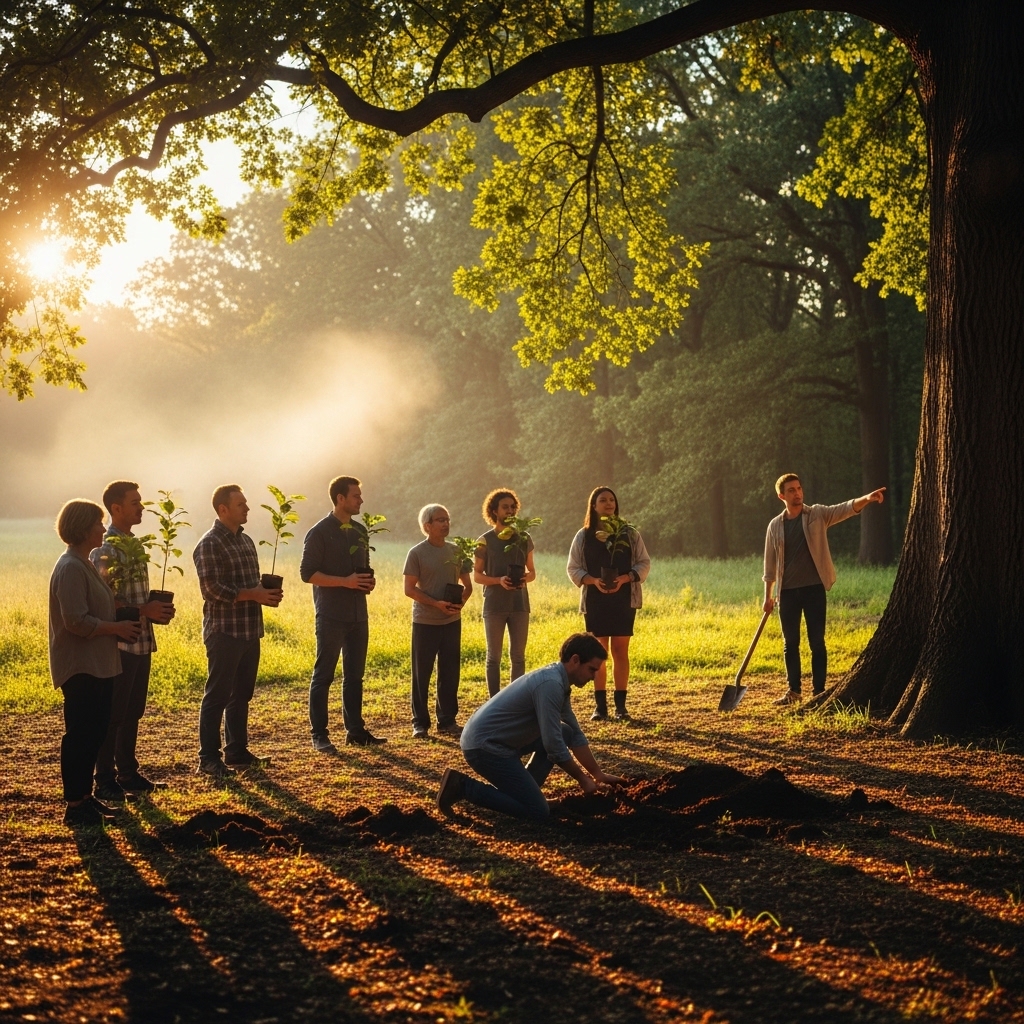
When considering tree planting, it’s important to choose the right type of tree for your location. I’ve learned that native species often do best because they are adapted to the local climate and soil conditions. For example, in my area, I’ve had great success with oak and maple trees. They not only grow well but also offer great shade and beauty. On the other hand, if you’re looking for something that blooms beautifully, consider cherry or magnolia trees. Each type has its own unique benefits and charm, so it’s worth doing a little research to find the best match for your garden or landscape. You might also want to think about how close trees should be to structures, especially in urban areas. Read Interesting article: How Close Should Plants Be to a House in California?
Common Tree Planting Techniques
Proper planting techniques can make a huge difference in the success of your trees. I remember my early attempts at planting trees; I didn’t pay enough attention to how deep or wide the hole should be. The general rule I follow now is to dig a hole that is twice as wide as the root ball and just as deep. This gives the roots plenty of room to spread out. After placing the tree in the hole, I always make sure to backfill with the original soil and water thoroughly to eliminate air pockets. Oh, and don’t forget to add mulch around the base to keep the soil moist and protect the roots! These small steps can lead to a healthy, thriving tree.
When to Plant a Tree: Seasonal Considerations
Spring Planting: Benefits and Best Practices
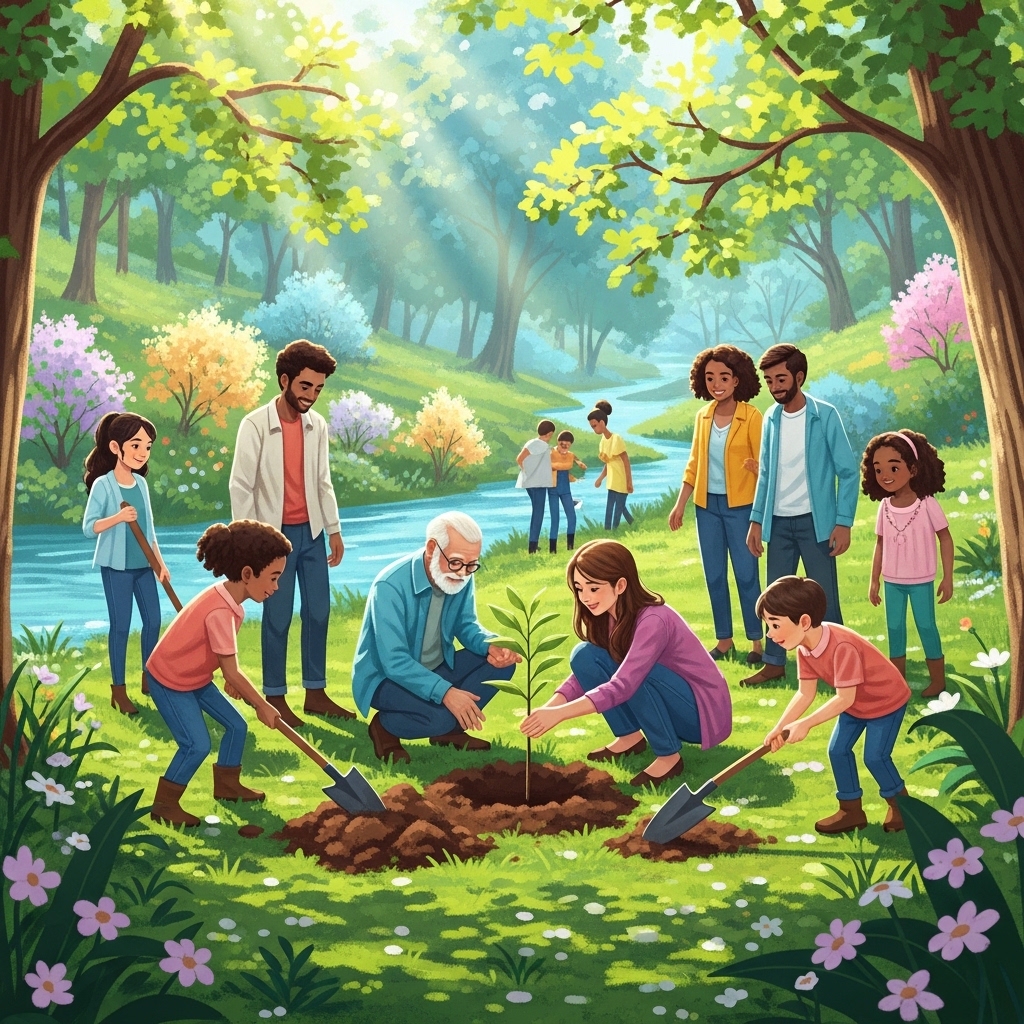
Spring is often regarded as the best time to plant trees, and for good reason. As frost recedes and the soil warms up, trees can establish their roots before the heat of summer arrives. I remember how exciting it was to plant my first tree in the spring; watching it bloom and grow as the season progressed was truly rewarding. The key is to plant early enough in the spring, ideally before the buds break, to give the tree a head start. Additionally, I always make sure to keep an eye on watering during the warmer months, as young trees can be particularly vulnerable to drought.
Summer Planting: Challenges and Tips
While summer planting is possible, it comes with its own set of challenges. The heat can stress young trees, making it more difficult for them to establish roots. I’ve learned that if I must plant in summer, it’s best to do so in the late afternoon or evening when temperatures are cooler. Additionally, I make sure to provide extra care, such as more frequent watering and perhaps some shade during the hottest days. It’s essential to be attentive, as the risk of transplant shock is higher during this time.
Fall Planting: Advantages and Ideal Conditions
Fall is another excellent time to plant trees, in my experience. The soil is still warm from summer, which encourages root growth, while the cooler air temperatures reduce stress on the tree. I’ve found that planting in early fall allows my trees to settle in and get established before winter. Just like with spring planting, it’s crucial to monitor water levels, especially if autumn is dry. Fall planting has provided me with some of my healthiest trees, as they’ve had a chance to acclimate before facing the tougher conditions of winter.
Winter Planting: Is It Possible?
Planting trees in winter can be tricky, but it’s not impossible. I’ve had a few friends who have successfully planted bare-root trees during a mild winter. However, it’s vital to choose the right time—typically when the ground isn’t frozen and the temperature is mild. If you decide to plant in winter, ensure you protect the young trees from extreme cold and frost by mulching and covering them as needed. It’s important to note that not all species will thrive if planted during this time, so I recommend sticking to hardy varieties if you want to go this route.
Factors Influencing the Best Time to Plant a Tree
Climate Zones and Their Impact
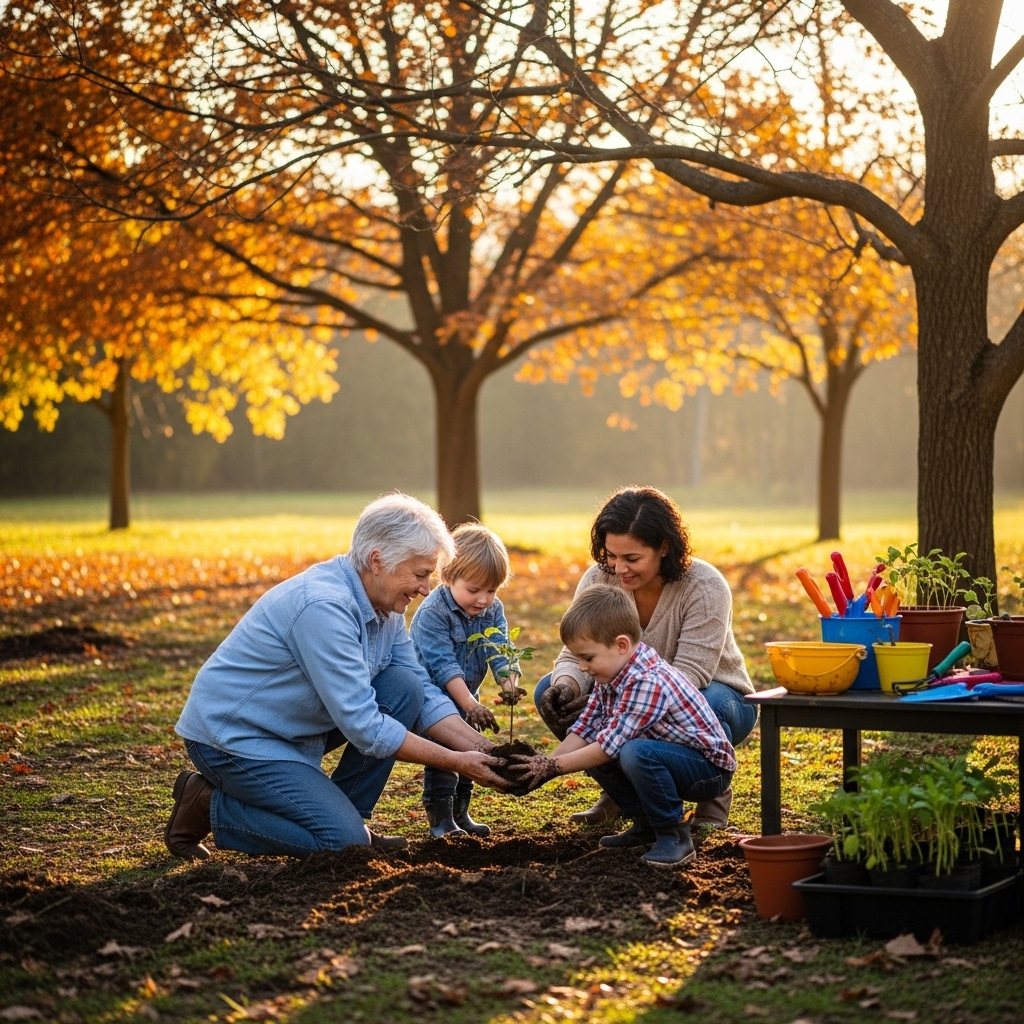
I’ve come to realize that the climate in our specific region plays a huge role in determining the best time to plant trees. For example, in areas with harsh winters, it’s wise to plant early in the spring so the trees can get established before the cold sets in. In contrast, those living in milder climates might find that fall is the perfect time for planting since the trees can acclimate to the cooler temperatures without the stress of heat. I remember chatting with a neighbor who moved from a warm southern climate to a colder northern one; they had to adjust their expectations and timing for tree planting dramatically. Understanding your climate zone is essential for making informed planting decisions.
Soil Temperature and Quality
Soil temperature and quality are two other crucial factors I’ve learned about when it comes to tree planting. The soil needs to be warm enough to encourage root growth, which is why spring planting is often so successful. I’ve found that a good rule of thumb is to wait until the soil temperature reaches at least 50°F (10°C). You can easily check this with a soil thermometer; it’s a handy tool I keep in my gardening kit. Additionally, the quality of the soil can affect how well a tree establishes itself. I’ve spent time improving my soil with compost and organic matter, which has made a noticeable difference in how quickly my trees thrive. Healthy soil leads to healthy roots!
Species-Specific Planting Times
It’s fascinating how different tree species have their own preferences when it comes to planting times. Some trees, like pines, can tolerate being planted later in the season, while others, such as fruit trees, might need more careful timing. I remember when I planted some apple trees; I had to do a bit of research to find out that they are best planted in early spring or late fall to ensure they produce fruit the following year. Each type of tree has unique needs, and I’ve learned that taking the time to understand these can lead to much better outcomes. I’ve also discovered that local extension services often have great resources on species-specific planting times based on regional conditions.
Regional Considerations for Tree Planting
Tree Planting in Northern Regions
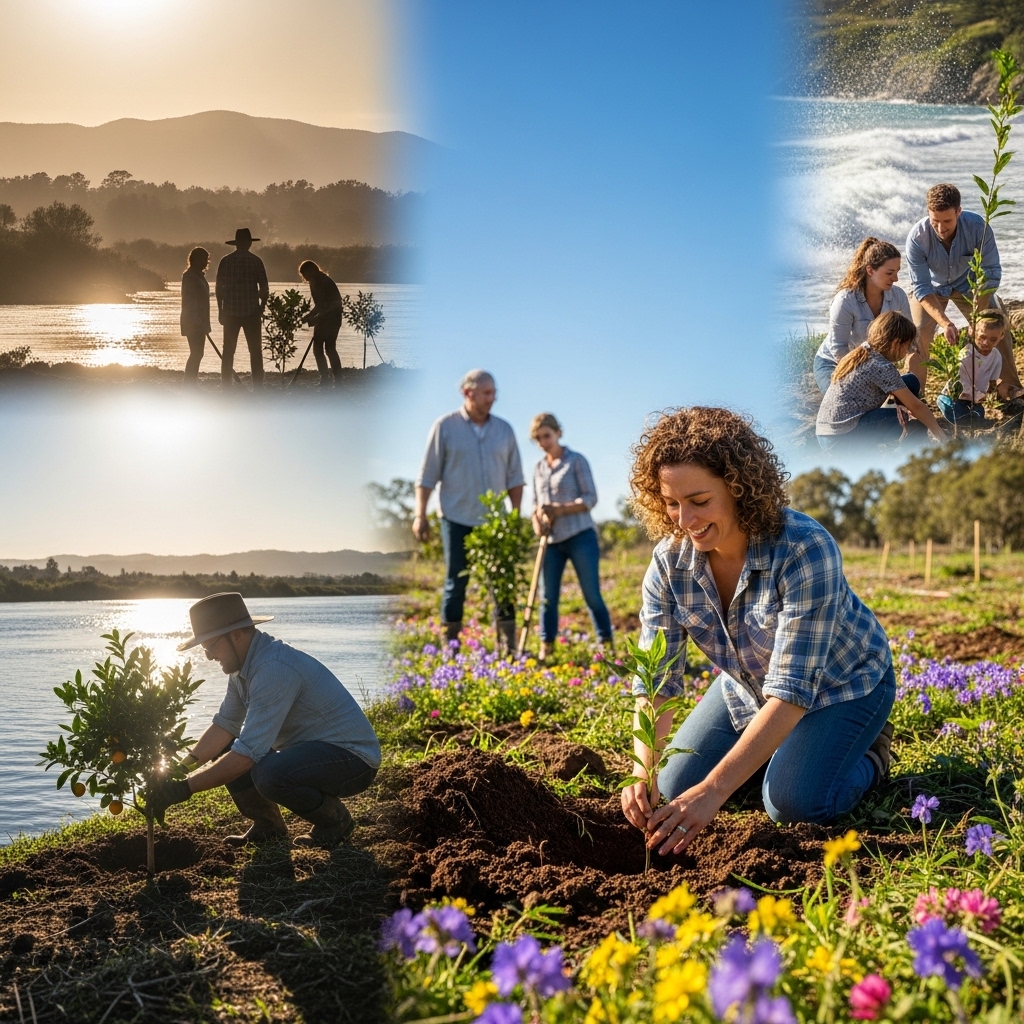
Planting trees in northern regions comes with its unique challenges and opportunities. I’ve found that in these areas, it’s essential to be mindful of the shorter growing season. I remember planting in my friend’s backyard in the north; we made sure to get everything in the ground by early May for the best chance of survival. Cold-hardy species, such as spruce and birch, thrive here, and I often recommend these to fellow gardeners. It’s also essential to think about how snow cover can insulate the roots during winter, which gives me a little peace of mind when I plant in fall.
Tree Planting in Southern Regions
In the south, planting trees can be a bit different. The longer growing season allows for more flexible timing. I’ve noticed that many people plant trees in the early spring or late fall to avoid the extreme summer heat. I once visited a botanical garden in the south and saw how beautiful live oaks can flourish when planted in the right season. However, it’s crucial to be cautious about drought conditions in the summer months. I make it a point to water any new trees frequently, especially during those hotter days, to help them establish themselves properly.
Tree Planting in Arid and Semi-Arid Areas
Living in arid or semi-arid areas presents unique challenges when it comes to tree planting. I’ve learned that it’s essential to choose drought-resistant species, such as mesquite or desert willow, as they’re better suited for those conditions. Timing is also critical; I recommend planting during the cooler months when the soil retains moisture better. I remember when I decided to plant a few trees in a friend’s garden in an arid region; we planted them in early spring and made sure to provide plenty of mulch to help retain moisture in the soil. This little trick has made a world of difference!
Urban vs. Rural Planting Considerations
Urban and rural areas often have different guidelines and challenges when it comes to tree planting. In urban settings, space can be limited, and I’ve found that many municipalities have specific regulations for planting trees, especially near sidewalks, roads, or buildings. I once tried to plant a tree in a tight space and had to consider factors like overhead wires and underground utilities. On the other hand, rural areas may offer more flexibility but can come with their challenges, like wildlife browsing on young trees. I’ve discovered that using protective barriers can help in these situations. No matter where you’re planting, understanding your environment is crucial for planting success.
Tree Planting Techniques and Care
Preparing the Planting Site
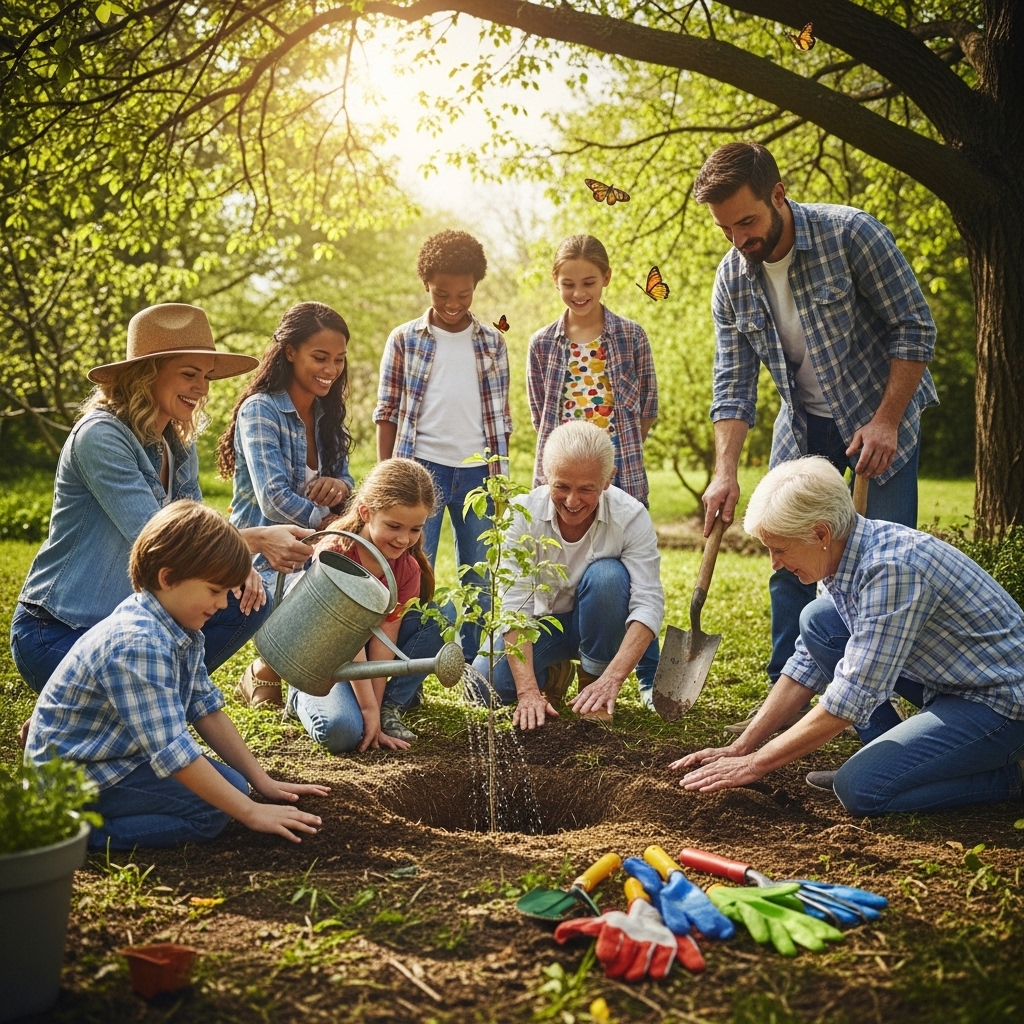
Preparing the planting site is a crucial step that I’ve learned to prioritize. Just like getting a good foundation for a house, a well-prepped site can set the stage for the tree’s success. First, I always start by clearing the area of any grass, weeds, or debris. I’ve found that competition for nutrients and water can be fierce, especially from grass, so removing it helps the young tree focus all its energy on growing. I usually dig out a circle that’s about three feet in diameter to give the roots plenty of breathing room. I remember one time I didn’t clear enough space, and the tree struggled for years because the grass kept coming back. It’s such a simple step, but it can make a world of difference.
Proper Planting Techniques
Once the site is ready, I pay close attention to how I actually plant the tree. I’ve learned that the depth at which I plant the tree is critical. The roots should be positioned at or slightly above the soil line, especially for balled-and-burlapped trees. If the tree is planted too deep, it can suffocate and struggle to grow. I also make sure to gently loosen the roots if they’re tightly bound. This little extra effort can help them spread out and establish themselves more easily. After placing the tree in the hole, I fill it in slowly, ensuring there are no air pockets by gently tamping down the soil as I go. I recall the first time I didn’t do this properly; the tree struggled for months until I realized my mistake.
Aftercare: Watering, Mulching, and Fertilizing
After planting, my work isn’t done yet. I’ve realized that the care I give my tree in the weeks and months following planting is just as important as the planting itself. Watering is key, especially in the first year. I usually aim to water my new trees deeply once or twice a week, depending on the weather. If it’s particularly hot, I check more often. I remember a hot summer when I neglected a young tree, and it suffered because I didn’t keep up with its needs.
Mulching is another technique I swear by. A layer of mulch around the base helps retain moisture and keeps the soil temperature stable. I’ve found that wood chips or bark mulch works well. I typically apply a few inches of mulch, but I make sure to keep it a few inches away from the trunk to avoid rot. As for fertilizing, I usually wait until the tree is a little established before adding any nutrients. Too much fertilizer too soon can do more harm than good. Once I do start fertilizing, I often choose organic options, as they are gentler on the young roots.
Expert Tips for Successful Tree Planting
Choosing the Right Tree for Your Location
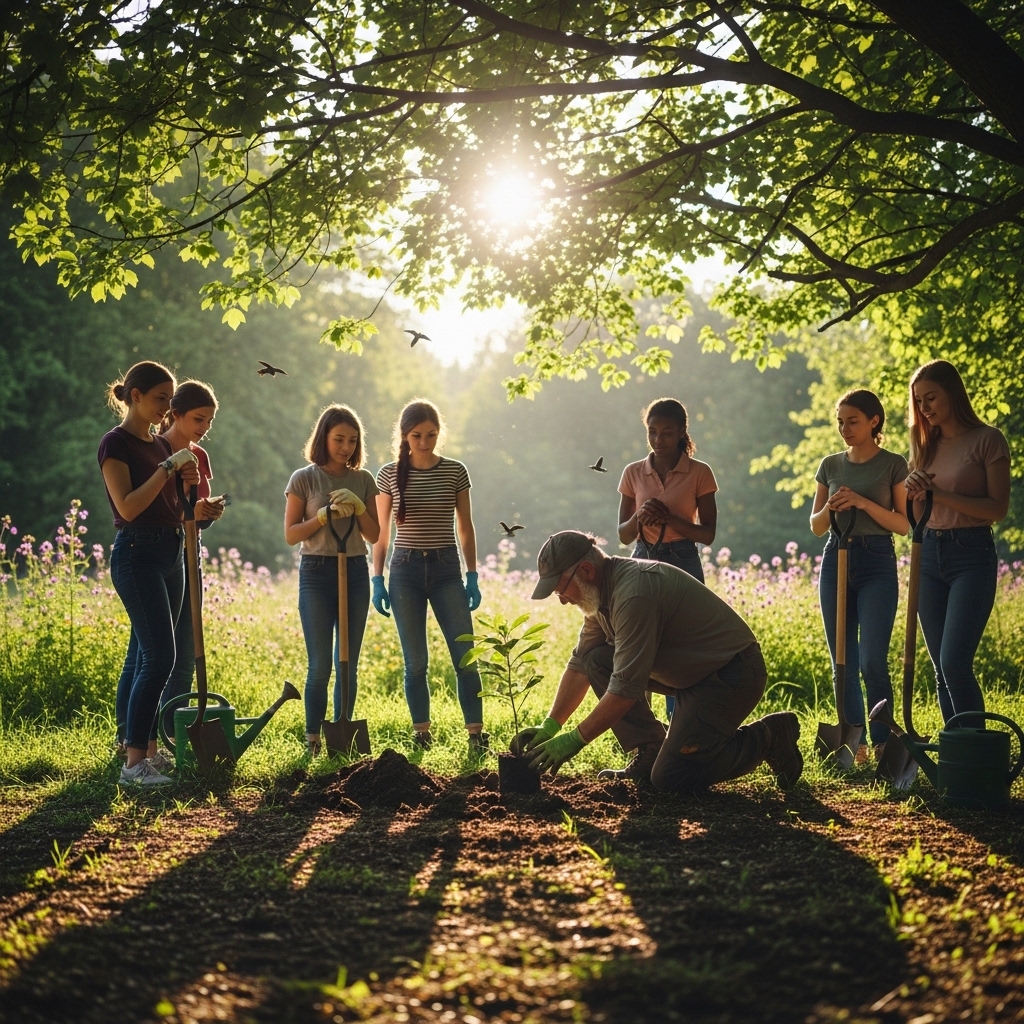
One of the most important lessons I’ve learned is the significance of selecting the right tree for the specific location. Not all trees are created equal, and what thrives in one area may flop in another. When I was new to planting, I made the mistake of picking a tree solely based on its looks without doing enough homework on its needs. I ended up with a tree that didn’t thrive in my soil type. Now, I always check local resources or consult with a nursery expert about what thrives best in my area. I’ve discovered that trees suited to my local climate not only adapt better but also require less maintenance in the long run. Read Interesting article: How to Care for a Rubber Plant (Ficus Elasticas Guide)
Understanding Local Regulations and Guidelines
Before planting, it’s wise to check for local regulations and guidelines. I once got excited about planting a tree right next to my sidewalk, only to find out later that it was against city regulations due to underground utilities. I learned that many cities have specific guidelines regarding tree placement, especially in urban areas. I recommend reaching out to local extension services or the municipal office to avoid any potential issues. This step can save a lot of headaches later on!
Common Mistakes to Avoid When Planting Trees
Over the years, I’ve made my fair share of mistakes when it comes to tree planting, and I think sharing some of these can help others avoid similar pitfalls. One common mistake is planting too deeply, as I mentioned earlier. Another one is neglecting to water regularly. I’ve seen many new trees struggle because they didn’t get enough water in their crucial first year. It’s also easy to forget about mulch or to use too much fertilizer. I recommend sticking to organic options and using them sparingly until the tree is well-established. Finally, I’ve learned that patience is key. Trees take time to grow and flourish, and I’ve had to remind myself that good things often come to those who wait!
Frequently Asked Questions
What is the best time to plant a tree?
The best time to plant a tree is typically in the early spring or fall, as these seasons provide favorable conditions for root establishment.
Why is planting trees important?
Planting trees is beneficial for the environment as they absorb carbon dioxide, release oxygen, improve air quality, provide shade, reduce noise pollution, and enhance biodiversity by offering habitats for various species.
What types of trees are suitable for planting?
It is important to choose the right type of tree for your location. Native species often do best, as they are adapted to local climate and soil conditions. Examples include oak and maple trees, which are known for their growth and beauty.
What are the proper techniques for planting a tree?
Proper planting techniques include digging a hole that is twice as wide as the root ball and just as deep, backfilling with the original soil, watering thoroughly, and adding mulch around the base to retain moisture and protect the roots.
What are the benefits of spring planting?
Spring planting allows trees to establish their roots before the summer heat arrives. It is important to plant early enough in the spring, ideally before the buds break, and to monitor watering during warmer months.
What challenges come with summer planting?
Summer planting can stress young trees due to heat, making it harder for them to establish roots. If planting in summer, it is best to do so in the late afternoon or evening and provide extra care, such as frequent watering and shade.
Is it possible to plant trees in winter?
Planting trees in winter can be tricky but is possible if done during mild weather when the ground isn’t frozen. It is essential to protect young trees from extreme cold and frost.
What factors influence the best time to plant a tree?
Factors include climate zones, soil temperature and quality, and species-specific planting times. Understanding these can help make informed planting decisions.
What should I consider when planting in urban vs. rural areas?
Urban areas may have specific regulations for tree planting due to space limitations and proximity to sidewalks or roads, while rural areas may offer more flexibility but face challenges like wildlife browsing on young trees.
What common mistakes should I avoid when planting trees?
Common mistakes include planting too deeply, neglecting to water regularly, using too much fertilizer, and not being patient as trees take time to grow and flourish. It’s important to choose the right tree for the location and to check local regulations.