
The best time to plant tomatoes for the best harvest is typically in the spring, after the last frost date in your area. I’ve learned that timing this right can make all the difference in growing delicious tomatoes.
Understanding Tomato Growing Seasons
When I first started gardening, understanding the growing seasons for tomatoes was one of the biggest challenges I faced. Tomatoes are warm-weather plants that thrive in sunny conditions, but their specific needs can vary greatly depending on the type of tomato and the climate you live in. Let’s dive into the nuances of tomato growing seasons, so you can set yourself up for a bountiful harvest.
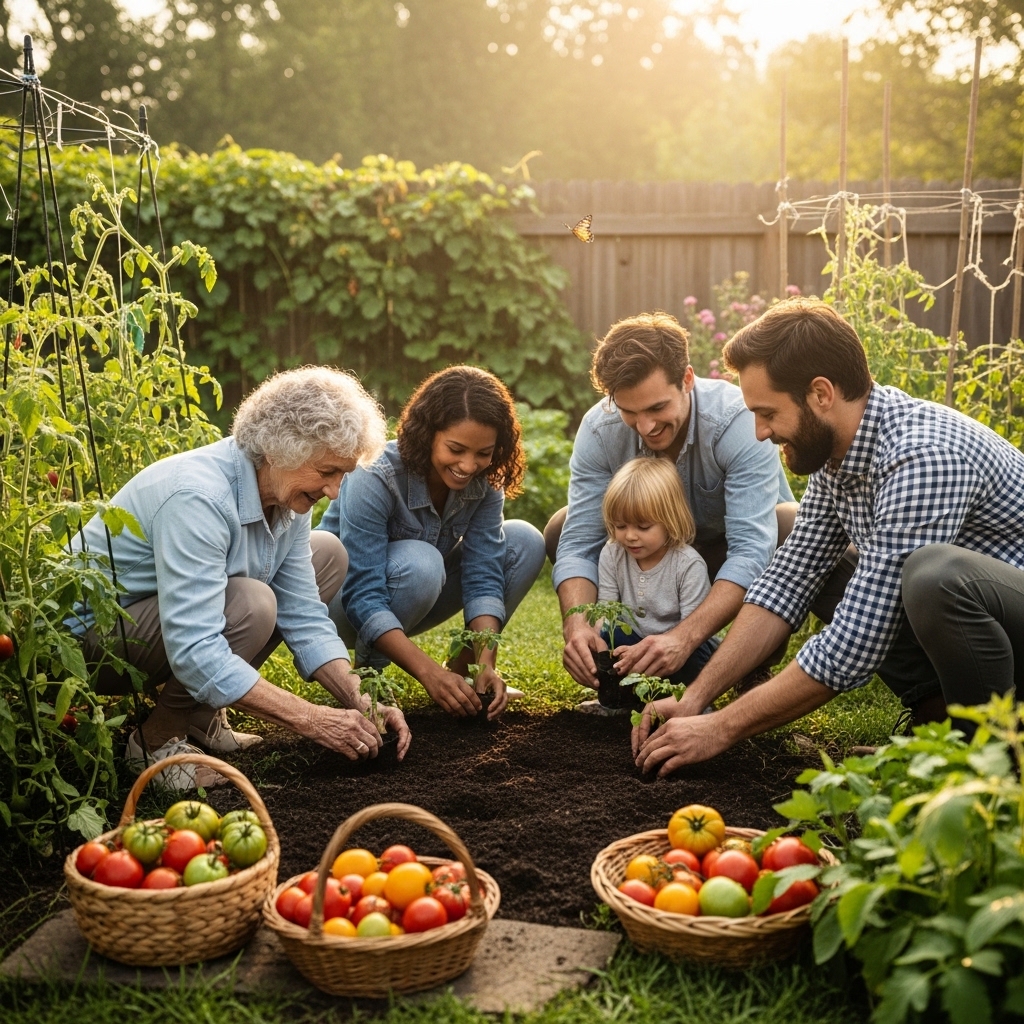
Types of Tomatoes and Their Growth Requirements
Tomatoes come in a variety of types, each with its own unique growth requirements. I remember experimenting with different varieties and discovering that some flourished while others didn’t quite make it. Here are the main categories:
- Determinate Tomatoes: These tomatoes grow to a certain height and then stop. They often produce fruit all at once, which can be great for canning. I’ve had a lot of success with varieties like ‘Roma’ and ‘Celebrity’.
- Indeterminate Tomatoes: These continue to grow and produce fruit throughout the season. Varieties like ‘Cherokee Purple’ and ‘Brandywine’ fall into this category. I love how they keep giving throughout the summer!
- Cherry Tomatoes: Known for their sweet flavor, these small fruits can be determinate or indeterminate. I always recommend trying ‘Sweet 100’ or ‘Sun Gold’ for a delightful burst of flavor.
Each type has its own ideal growing conditions, but generally, tomatoes need warm soil, plenty of sunlight, and consistent watering to thrive. Understanding these differences will help you choose the right varieties for your garden. Additionally, how to plant tomatoes from seedlings the right way can also enhance your gardening success.
Climate Zones and Their Impact on Planting
Climate zones play a crucial role in determining when to plant tomatoes. I’ve found that knowing your USDA Plant Hardiness Zone can help you figure out the best planting times. For example, if you live in a warmer zone like 8 or 9, you can plant tomatoes earlier in the spring, while those in cooler zones, like 4 or 5, might have to wait until late May or even early June.
Additionally, local climate factors, such as altitude and proximity to bodies of water, can affect temperature and frost dates. I remember one year, I discovered that my local microclimate was a bit cooler in the evenings, which delayed my plants’ growth. It taught me to be more observant of my surroundings.
Frost Dates and Their Importance
Knowing the last frost date in your area is essential when it comes to planting tomatoes. I once planted too early and lost my seedlings to a late frost. It was a hard lesson, but it made me more diligent. Most gardeners will tell you to wait until after the last frost date has passed, which usually occurs between mid-April and May in many regions. You can find this information through local gardening clubs or online resources.
Another tip I learned is to consider using row covers or cloches if you’re feeling ambitious about planting early. They can help protect your young plants if there’s a sudden cold snap. This way, you can get a jumpstart on the growing season without risking your crop.
In summary, understanding tomato growing seasons involves knowing the types of tomatoes you want to grow, the climate zone you’re in, and the critical frost dates. Over the years, I’ve learned that when I take the time to research these factors, I can enjoy a much more fruitful gardening experience.
Optimal Timing for Planting Tomatoes
Spring Planting: Ideal Conditions
Spring is the season most gardeners look forward to when it comes to planting tomatoes. I can still remember that first warm day when I felt the sun on my back and knew it was time to get my hands dirty. The ideal conditions for planting tomatoes usually involve temperatures consistently staying above 50°F (10°C) at night and ideally hitting around 70°F (21°C) during the day.
For me, preparing the soil is a crucial step. I like to enhance the garden bed with compost or well-rotted manure a few weeks before planting. This not only boosts nutrients but also helps with soil aeration. As the soil warms up, I often check its temperature with a simple thermometer, ensuring it’s warm enough for my tomato plants to thrive. If the soil feels too cold, I wait a little longer. I’ve learned that patience pays off!
Fall Planting: Is It Possible?
While spring is the most traditional time to plant tomatoes, I’ve learned that in some warmer climates, fall planting can be a viable option. I attempted a late-season planting once, and while it didn’t produce as much as my spring crop, I still enjoyed some fresh tomatoes come late summer. However, this approach requires careful planning, as the days are shorter, and temperatures begin to drop.
For fall planting, I recommend choosing fast-maturing varieties. This way, you increase the chance of harvesting before the temperature dips too low. Keeping an eye on the first frost date is crucial, as you want your plants to have enough time to produce fruit before the cold sets in. Additionally, how do you plant tomatoes? Easy step-by-step guide can be beneficial for ensuring a successful fall planting.
Transplanting vs. Direct Sowing
Another aspect of timing that I found important is deciding whether to transplant seedlings or sow seeds directly into the garden. Personally, I’ve had better luck with starting seeds indoors and then transplanting them. This gives me more control over the growing conditions, and I can monitor their growth closely. Plus, I get to enjoy the excitement of nurturing young plants!
When I transplant, I wait until the seedlings have at least two sets of true leaves and are hardened off before moving them outdoors. Hardening off means gradually introducing them to outdoor conditions, which I learned is essential for helping them adjust to the change in environment. If you choose to direct sow, make sure the soil is warm enough and keep an eye on the weather—because nothing ruins a garden like unexpected frost!
Overall, the optimal timing for planting tomatoes involves a combination of understanding the growing seasons, local climate, and the specific varieties you wish to grow. By paying attention to these factors, I’ve managed to enjoy an abundant tomato harvest year after year. Let’s keep exploring how to make the most out of our gardening journey!
Factors Affecting Tomato Planting Time
Soil Temperature and Preparation
Soil temperature is one of those crucial factors that I’ve come to appreciate deeply during my gardening journey. I learned that tomatoes thrive best in warm soil, ideally between 60°F (16°C) and 75°F (24°C). I remember the first time I planted my tomatoes too early, and the seedlings barely made it because the soil was still too cold. It was a hard lesson, but it taught me the importance of checking the soil temperature before planting.
To prepare my soil, I like to start a few weeks ahead of planting. I usually use a soil thermometer to monitor the temperature, ensuring it reaches the sweet spot. And while waiting, I make sure to enrich my garden bed with compost or organic matter. This not only warms the soil but also adds valuable nutrients. I’ve found that well-prepped soil makes a world of difference in the health and yield of my tomato plants.
Seedling Age and Size
Another aspect I’ve learned to consider is the age and size of my seedlings when it’s time to transplant. Typically, I wait until my seedlings are around 6 to 8 weeks old and have at least two sets of true leaves. This age ensures they are strong enough to handle the transition outdoors. I remember one year, I got excited and transplanted too young seedlings; they struggled to adapt and never really took off.
As a rule of thumb, I recommend hardening off my seedlings before planting them outside. I do this by gradually exposing them to outdoor conditions over a week or so, starting with a few hours a day in a sheltered spot. This process helps them adjust to wind, sunlight, and temperature changes. I’ve noticed that when I take the time to harden off my plants, they seem to thrive much more vigorously once planted in the garden.
Local Weather Patterns and Microclimates
Weather patterns can be unpredictable, and I’ve learned to pay closer attention to them as I plan my planting. I remember one spring when an unexpected cold snap hit, and it set back my entire tomato crop. Since then, I’ve tried to stay in tune with local weather forecasts and trends. In my area, for example, the weather can change quite dramatically, especially with those chilly nights in early spring.
Microclimates can also play a significant role in determining the best planting time. My backyard has a small area that retains heat better during the day, thanks to a nearby stone wall. I found that tomatoes planted in that spot seemed to thrive earlier than those in cooler, shadier parts of the yard. Learning to recognize these microclimates and adjusting my planting schedule accordingly has been a game-changer for me.
Best Practices for Planting Tomatoes
Choosing the Right Varieties for Your Region
Choosing the right tomato varieties can be the difference between a bountiful harvest and a disappointing season. I remember when I first started gardening; I was drawn to pretty seed packets without considering whether they were suitable for my climate. Over time, I learned that certain varieties thrive better in specific regions. For instance, if you live in a cooler area, early-maturing varieties will give you a better chance of producing fruit before the frost sets in.
I’ve found that consulting local gardening clubs or extension services can provide invaluable insights into which varieties perform best in my area. I also keep an eye on what my neighbors are successfully growing, as this can be a great indicator of what might work for me too. Now, I always select a mix of determinate and indeterminate varieties to ensure I have fresh tomatoes over an extended season. Additionally, how to plant tomatoes for maximum harvest (easy steps) can help you make the right choices.
Preparing the Soil for Planting
Soil preparation is one of my favorite parts of the gardening process. I love getting my hands dirty and transforming the garden bed! I typically start by clearing the area of weeds, rocks, and debris. Then, I’ll till the soil to aerate it and mix in compost or well-aged manure to improve its texture and nutrient content. I’ve noticed that the richer and fluffier the soil, the happier my tomato plants are.
One technique I’ve adopted is creating raised beds or mounds for my tomatoes. This not only improves drainage but also allows the soil to warm up faster in the spring. Plus, I find it easier to manage watering and weeding in a raised bed. I always make sure to create a planting hole that’s deep enough so that I can bury part of the stem, which encourages better root development. It’s little steps like these that have helped me achieve a thriving garden.
Spacing and Depth Considerations
When it comes to planting tomatoes, spacing and depth are two factors I’ve learned to prioritize. I used to cram my plants too close together, thinking it would maximize my harvest. However, I soon realized that overcrowding leads to poor air circulation and increases the risk of disease. Now, I give each tomato plant enough space—usually about 18 to 24 inches apart for indeterminate varieties and 12 to 18 inches for determinate ones. This spacing allows for better growth and an easier time managing my plants.
As for planting depth, I always plant my tomato seedlings deeper than they come in their pots. This encourages the plant to develop additional roots along the buried stem. It’s amazing how this simple technique can make such a significant difference in the overall health of my plants. I’ve seen firsthand how well my tomatoes respond when they’re given the right amount of space and depth to grow.
Frequently Asked Questions
When is the best time to plant tomatoes for the best harvest?
The best time to plant tomatoes is typically in the spring, after the last frost date in your area.
What are the main types of tomatoes and their growth characteristics?
The main types of tomatoes include determinate tomatoes, which grow to a certain height and produce fruit all at once; indeterminate tomatoes, which continue to grow and produce fruit throughout the season; and cherry tomatoes, which can be either determinate or indeterminate and are known for their sweet flavor.
How do climate zones affect tomato planting times?
Climate zones impact when to plant tomatoes, as those in warmer zones can plant earlier in the spring, while those in cooler zones may have to wait until late May or early June.
Why is knowing the last frost date important for planting tomatoes?
Knowing the last frost date is crucial because planting too early can lead to losing seedlings to a late frost. Most gardeners should wait until after this date, which typically occurs between mid-April and May in many regions.
What temperature is ideal for planting tomatoes in the spring?
Tomatoes thrive best when soil temperatures consistently stay above 50°F (10°C) at night and ideally around 70°F (21°C) during the day.
Can tomatoes be planted in the fall?
Yes, in some warmer climates, fall planting can be a viable option, but it requires careful planning and choosing fast-maturing varieties to ensure a harvest before temperatures drop too low.
What is the difference between transplanting seedlings and direct sowing?
Transplanting seedlings involves starting seeds indoors and moving them outside once they are strong enough, while direct sowing means planting seeds directly into the garden. Transplanting generally gives more control over growing conditions.
How can soil temperature affect tomato planting success?
Soil temperature is crucial because tomatoes thrive best in warm soil, ideally between 60°F (16°C) and 75°F (24°C). Planting too early in cold soil can hinder growth and lead to poor yield.
What factors should be considered for spacing tomato plants?
Spacing is important to ensure proper air circulation and reduce the risk of disease. Indeterminate varieties should be spaced about 18 to 24 inches apart, while determinate varieties should be spaced 12 to 18 inches apart.
What should be done to prepare the soil before planting tomatoes?
Soil preparation involves clearing the area of debris, tilling to aerate the soil, and mixing in compost or well-aged manure to enhance nutrient content. Creating raised beds can also improve drainage and soil warmth.