
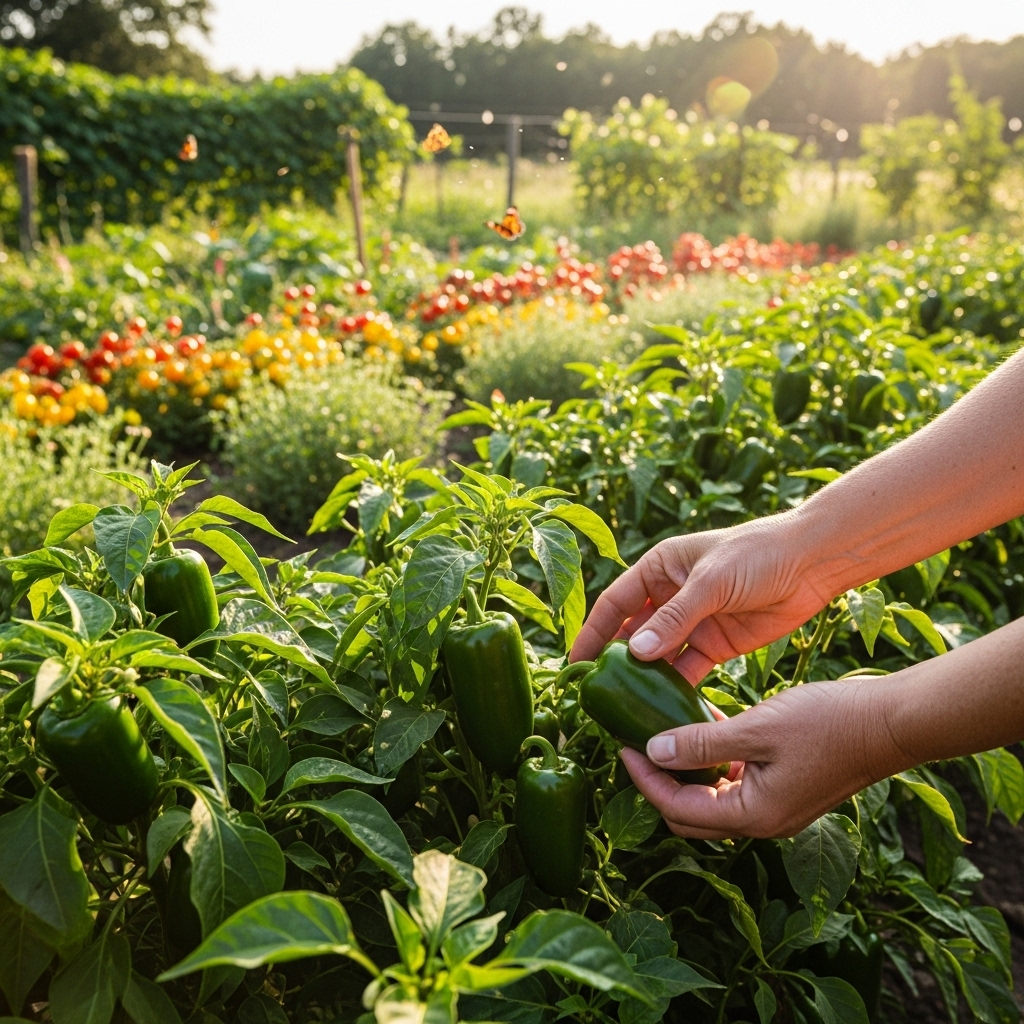
The best time to pick jalapeños from the plant is when they are firm, vibrant green, and about 3 to 5 inches long, usually around 70 to 85 days after planting. I’ve found that harvesting at this stage ensures the best flavor and heat.
Understanding Jalapeño Peppers
What Are Jalapeños?
Jalapeños are a popular variety of chili pepper that is widely used in various cuisines, particularly in Mexican dishes. With their unique balance of flavor and heat, they can elevate everything from salsas to nachos. I remember the first time I tasted a fresh jalapeño; the smoky, slightly fruity taste and mild heat made me fall in love with them instantly. They are typically harvested while still green, although they can ripen to a red color if left on the plant longer. Read Interesting article: What Are Nightshade Plants? List + Examples
Common Varieties of Jalapeños
When it comes to jalapeños, there are several varieties that I’ve come across, each with its own unique flavor profile and heat level. The most common types include:
- Early Jalapeño: This variety matures faster, usually within 65 days, and is perfect for gardeners looking for a quicker harvest.
- Jalapeño M:** Known for its larger size and slightly milder heat, this variety is great for those who prefer less spice but still want the jalapeño flavor.
- Chipotle Jalapeño: This is essentially a smoked jalapeño, often used in sauces and marinades, providing a deep, rich flavor.
Each of these varieties has its own charm, and I enjoy experimenting with them in my cooking, discovering how each one can transform a dish. For a delicious recipe that incorporates jalapeños, check out Zesty Dill Pickle Chicken Grilled Cheese Casserole: A Flavor-Packed Delight!
Health Benefits of Jalapeños
Jalapeños are not just tasty; they boast several health benefits as well. They are low in calories and rich in vitamins A and C, which are essential for maintaining a healthy immune system. I’ve noticed that adding jalapeños to my meals not only adds a delightful kick but also contributes to my overall health. Furthermore, their capsaicin content can help boost metabolism and may even have pain-relieving properties. It’s always exciting to know that something so delicious can also be good for us!
Growing Jalapeños
Ideal Growing Conditions
Growing jalapeños can be a rewarding experience. They thrive in warm weather, so I usually aim to plant them when the soil temperature is consistently above 70°F. In my garden, I found that a sunny spot with at least 6 to 8 hours of sunlight per day is perfect for these peppers to flourish. I’ve experienced that giving them plenty of warmth helps them develop vibrant flavors. If you live in a cooler climate, starting them indoors and transplanting them outside after the last frost can make a significant difference.
Soil and Nutrient Requirements
As with any plant, the soil quality can dramatically impact jalapeño growth. I’ve learned that they prefer well-draining soil with a pH between 6.0 and 6.8. Adding organic matter, like compost, helps enrich the soil, giving the plants the nutrients they need to thrive. During the growing season, I usually apply a balanced fertilizer every few weeks to ensure they get enough nitrogen, phosphorus, and potassium.
Watering and Sunlight Needs
Watering jalapeños can be a bit tricky; too much moisture can lead to root rot, while too little can stunt their growth. I make it a habit to check the soil moisture regularly, watering them deeply once or twice a week, depending on the weather. During hot spells, I’ve noticed they appreciate a little extra love. Sunlight is equally vital, as these peppers need direct light to produce their best flavor. I often rotate my plants to ensure they get even sun exposure, which has made a noticeable difference in my harvests.
When to Harvest Jalapeños
Signs of Ripeness
Knowing when to harvest jalapeños is crucial for enjoying their full flavor. For me, the best signs of ripeness include firmness and a vibrant green color. I’ve often picked them too early, only to find they lacked the heat and flavor I was hoping for. The general rule of thumb is to wait until they reach their full size, which is usually between 3 to 5 inches.
Color Indicators
Color is one of the most telling indicators of ripeness. I’ve learned that jalapeños will start off as a bright green and can transition to a deep green or even red if left on the plant longer. The red jalapeños are sweeter and have a different flavor profile, which is great for making sauces or drying. However, I usually prefer to harvest them while they’re still green for that classic jalapeño taste.
Size and Firmness
In my experience, size and firmness are essential factors in determining when to pick jalapeños. They should feel firm to the touch and have a slight sheen. I often give them a gentle squeeze; if they feel solid, they’re ready for harvesting. If they’re squishy or soft, it’s best to wait a little longer.
Timeframe for Harvesting
Typically, jalapeños will be ready to harvest about 70 to 85 days after planting, depending on the variety and growing conditions. I’ve noted that they can be picked at various stages, but the ideal time for that perfect blend of heat and flavor tends to be around this window. I always keep an eye on my plants, checking them regularly as they approach this timeframe to make sure I don’t miss the perfect moment.
Best Practices for Picking Jalapeños
Tools Needed for Harvesting
Having the right tools can make harvesting jalapeños a lot easier and more enjoyable. I’ve found that a simple pair of garden shears or scissors works best for cutting the peppers cleanly from the plant. It’s important to use sharp tools to avoid crushing the fruit, which can lead to spoilage. I also like to have a basket or a container handy to collect the jalapeños as I pick them. This way, I can focus on the task without worrying about dropping any precious peppers. If you’re picking a large batch, a bucket can be helpful, too. Just be careful not to overload it, as too many peppers can get bruised at the bottom!
Techniques for Picking Without Damage
When I’m out in the garden picking jalapeños, I try to be gentle. Grasp the pepper near the stem and give it a slight twist while pulling it away from the plant. This method not only helps avoid damaging the fruit but also minimizes harm to the plant itself. I’ve learned that cutting the peppers rather than pulling them can be beneficial, especially for those that are firmly attached. By snipping the stem close to the fruit, I ensure that I’m not stressing the plant, which encourages more growth and future harvests. It’s like a little dance with the plant, where both of us come out happy!
When to Use Gloves
Wearing gloves while harvesting jalapeños is a personal choice, but I typically recommend it, especially if you’re sensitive to spicy foods. The oils from jalapeños can linger on your skin and may cause irritation, particularly if you touch your face or eyes afterward. I learned this the hard way after a long day of picking; my hands were on fire! Even if you’re used to spicy foods, it’s a good idea to protect your skin. Plus, gloves give you a better grip on the peppers, making the whole process smoother. I usually opt for lightweight gardening gloves that still allow me to feel the peppers without losing that tactile connection.
Post-Harvest Handling
Storing Fresh Jalapeños
Once I’ve picked my jalapeños, I want to ensure they stay fresh for as long as possible. I usually avoid washing them until I’m ready to use them, as moisture can lead to spoilage. Instead, I place them in a paper bag or a breathable container, which allows for airflow. I’ve found that storing them in the crisper drawer of the refrigerator keeps them fresh for about a week. They can also be kept at room temperature for a couple of days, but I recommend using them quickly to get the best flavor. If I have too many to use right away, I consider preserving them instead.
Preparing for Cooking or Preservation
Before using jalapeños in my cooking, I usually rinse them under cold water to remove any dirt. If I plan to slice or chop them, I make sure to wear gloves to protect my hands from the heat. I often remove the seeds and membranes, as this is where most of the heat resides. For me, the perfect balance is to leave some seeds in if I want more spice in a dish. I love experimenting with different heat levels based on how I prepare them. If I’m preserving jalapeños, I typically slice them and pack them in jars, ready to be pickled or stored in oil for later use.
Refrigeration vs. Freezing
When I have an abundance of jalapeños, freezing becomes my go-to option. I’ve learned that freezing them is an excellent way to extend their shelf life. To do this, I wash and slice them, then lay them out on a baking sheet to freeze individually. Once they’re solid, I transfer them to a freezer bag, removing as much air as possible. This method prevents them from clumping together, making it easy to grab just what I need later on. I’ve enjoyed using frozen jalapeños in soups, stews, and even stir-fries. They retain their flavor remarkably well, and it’s a fantastic way to enjoy homegrown peppers long after the season ends.
Common Questions About Jalapeño Harvesting
How Long Does It Take for Jalapeños to Grow?
The growth cycle for jalapeños typically ranges from 70 to 85 days after planting, depending on the variety and conditions. I remember eagerly counting down the days, checking my plants every morning to see how they were progressing. With the right care, you’ll see those green beauties emerge in no time!
Can You Pick Jalapeños Early?
While you can technically pick jalapeños early, I’ve found that waiting for them to reach full size and ripeness is key to getting the best flavor and heat. Early picking can result in milder peppers, which might not be what you want if you’re looking for that signature jalapeño kick. I recommend giving them the time they need to develop fully.
What Happens If You Leave Jalapeños on the Plant Too Long?
If you leave jalapeños on the plant too long, they will eventually turn red and become sweeter. While red jalapeños can be delicious, I’ve noticed that they lose some of their crispness and firmness. If you’re looking to make salsas or sauces, they can be a great option, but for my general use, I prefer to harvest them while they’re still green.
How to Tell the Difference Between Hot and Mild Jalapeños
In my experience, it can be tricky to judge the heat level of jalapeños just by looking at them. Generally, larger peppers tend to be milder, while smaller ones pack more heat. However, I’ve also encountered exceptions, so tasting a tiny bit can help. I’ve learned to embrace the unpredictability and appreciate the varying flavors that come with each harvest.
Tips for Growing and Harvesting Jalapeños
Companion Planting
Companion planting has been a game-changer for me when it comes to growing jalapeños. I’ve found that planting them alongside tomatoes, basil, or onions can help deter pests and improve growth. Not only do these plants thrive together, but they also complement each other in the kitchen. It’s like creating a little community in the garden!
Pest and Disease Management
I’ve faced my fair share of pests while growing jalapeños. Aphids and spider mites are common culprits, but I’ve learned that introducing beneficial insects, like ladybugs, can help mitigate these issues. Additionally, keeping an eye on watering practices and ensuring good air circulation around the plants can prevent diseases. I believe a proactive approach is always better than a reactive one!
Seasonal Considerations
Timing is everything when it comes to growing jalapeños. I usually start my seeds indoors about 8-10 weeks before the last frost date in my area. Once the threat of frost is gone, I happily transplant them outdoors. I’ve also discovered that keeping an eye on the weather can help me protect my plants during unexpected cold snaps in the early summer. Being attentive to seasonal changes can make all the difference in a successful harvest!
Frequently Asked Questions
What is the best time to pick jalapeños?
The best time to pick jalapeños is when they are firm, vibrant green, and about 3 to 5 inches long, usually around 70 to 85 days after planting.
What are jalapeños?
Jalapeños are a popular variety of chili pepper widely used in various cuisines, particularly in Mexican dishes. They are known for their unique balance of flavor and heat.
What are the common varieties of jalapeños?
The most common varieties of jalapeños include Early Jalapeño, which matures faster; Jalapeño M, known for its larger size and milder heat; and Chipotle Jalapeño, which is a smoked version that provides a deep flavor.
What health benefits do jalapeños have?
Jalapeños are low in calories and rich in vitamins A and C, which are essential for maintaining a healthy immune system. They also contain capsaicin, which may help boost metabolism and have pain-relieving properties.
What are the ideal growing conditions for jalapeños?
Jalapeños thrive in warm weather with soil temperatures consistently above 70°F and require at least 6 to 8 hours of sunlight per day.
How do I know when jalapeños are ripe for harvesting?
Jalapeños are ripe when they are firm, vibrant green, and reach a size of 3 to 5 inches. They can also change color to red if left on the plant longer.
What tools are needed for harvesting jalapeños?
A simple pair of garden shears or scissors works best for cutting jalapeños cleanly from the plant. A basket or container is also helpful for collecting them.
Should I wear gloves when harvesting jalapeños?
Wearing gloves is recommended, especially if you are sensitive to spicy foods, as the oils from jalapeños can irritate the skin.
How should fresh jalapeños be stored after harvesting?
Fresh jalapeños should be stored in a paper bag or breathable container to allow airflow and kept in the crisper drawer of the refrigerator for about a week.
How long does it take for jalapeños to grow?
The growth cycle for jalapeños typically ranges from 70 to 85 days after planting, depending on the variety and growing conditions.