
The best time to plant asparagus is in early spring, usually between late March and mid-April, when the soil temperature reaches about 50°F. I’ve found that planting at this time leads to the healthiest growth and a more fruitful harvest. Read Interesting article: How to Plant Asparagus (Complete Beginner Guide)
Understanding Asparagus Growth Requirements
Before diving into the best planting times for asparagus, it’s essential to understand its growth requirements. Asparagus is a perennial vegetable that can produce for many years, so ensuring the right conditions will set the stage for success. In my experience, paying close attention to soil type, sunlight, and watering needs can make all the difference.
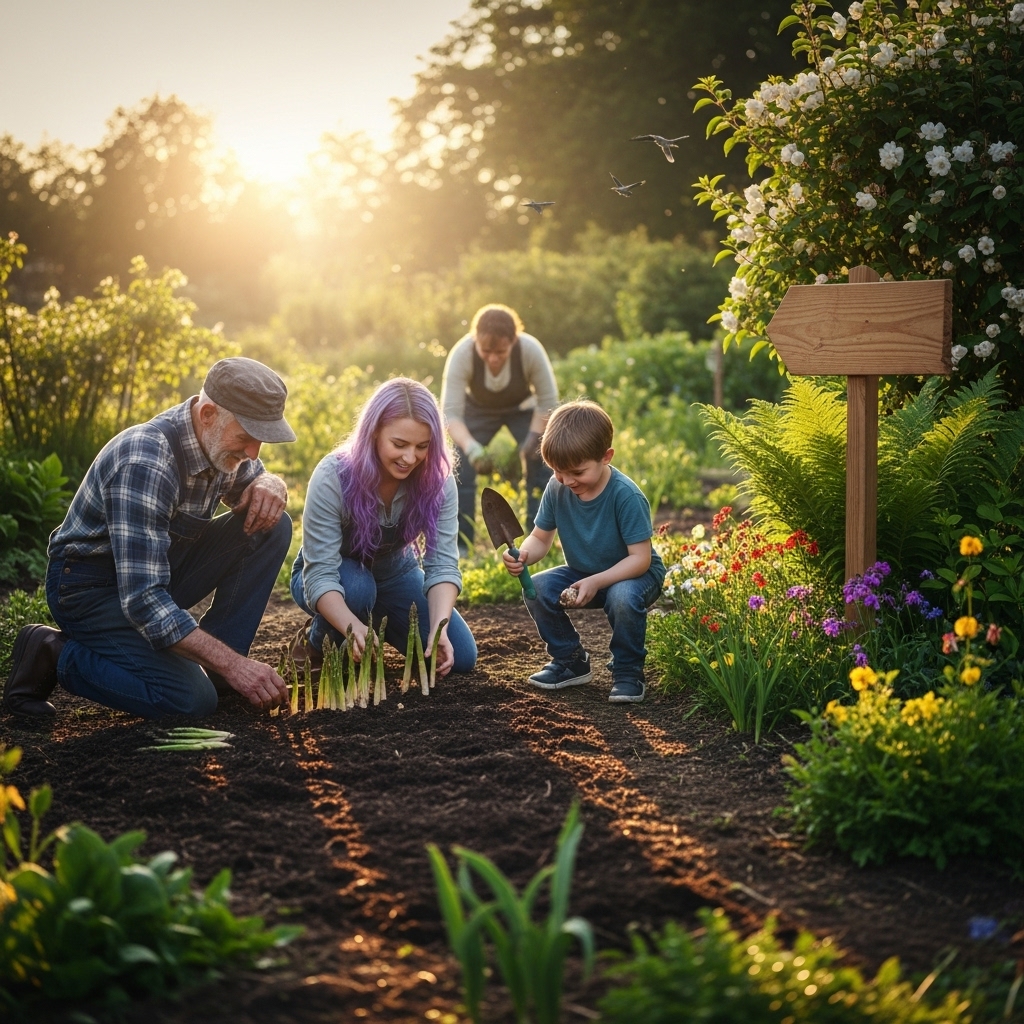
Soil Type and Preparation
The soil you choose for asparagus plays a crucial role in its growth. Asparagus thrives in well-draining soil rich in organic matter. I’ve learned that sandy loam or loamy soil is ideal, as it allows for good drainage while still retaining some moisture. To prepare your soil, I recommend testing the pH, which should ideally be between 7.0 and 7.5. If your soil is too acidic, you can add lime to raise the pH. Additionally, incorporating compost or well-rotted manure can enhance soil fertility. This preparation step is vital, as I’ve seen firsthand how healthy soil can lead to robust asparagus plants. Read Interesting article: Are Coffee Grounds Good for Plants? Full Guide
Sunlight Requirements
Asparagus loves the sun! For optimal growth, it needs full sun exposure, meaning at least 6 to 8 hours of direct sunlight daily. I remember the first time I planted asparagus in a partially shaded area, thinking it might be fine. It wasn’t. The growth was stunted, and the yield was disappointing. When I relocated my plants to a sunnier spot, the difference was night and day. A well-lit location not only encourages healthy growth but also helps to prevent disease and pest issues.
Watering Needs
Watering is another critical aspect of asparagus care. It’s essential to keep the soil consistently moist, especially during the initial growth phase. I’ve found that asparagus does not like to be waterlogged, so ensuring good drainage is crucial. When I plant asparagus crowns, I water them thoroughly after planting and then keep an eye on the moisture levels. Typically, asparagus needs about an inch of water per week, either from rainfall or supplemental irrigation. During dry spells, I’ve learned to be diligent about checking the soil moisture to encourage strong, healthy growth.
Best Time to Plant Asparagus
Now that we’ve covered the essential growth requirements, let’s talk about the timing of planting asparagus. The timing can greatly influence the success of your asparagus patch, and I’ve found that understanding the seasonal variations can help tremendously.
Spring Planting: Timing and Conditions
In most regions, early spring is the ideal time for planting asparagus. The soil should be workable, and the temperature should be around 50°F for optimal growth. I usually wait until the last frost has passed, which allows the soil to warm up. I’ve discovered that planting too early, while the soil is still cold, can hinder root development and lead to poor growth. My favorite method is to check the soil temperature with a thermometer. When it reaches that sweet spot, I get excited to start planting! Another tip I learned is to prepare the planting bed ahead of time, so I’m ready to go as soon as the conditions are right.
Fall Planting: Advantages and Disadvantages
While spring planting is the most common approach, I’ve also experimented with fall planting. Some gardeners swear by it, claiming that planting in fall allows asparagus to establish roots before winter. However, I’ve noticed that fall planting can be risky in colder climates. If the plants don’t get enough time to establish roots, they can suffer during the winter months. In my case, I’ve had mixed results with fall planting. While some crowns thrived, others didn’t survive the frost. I recommend assessing your local climate before deciding to plant in the fall. If you live in a milder climate, it might be worth trying!
Regional Considerations
Planting Asparagus in Different Climates
When it comes to planting asparagus, I’ve learned that one size does not fit all. Each region has its unique climate quirks that can significantly impact how and when we plant. For instance, in warmer areas like the southern United States, I’ve noticed that asparagus can be planted earlier in the spring, sometimes as early as late February. This gives the plants a longer growing season, which is a huge bonus. On the flip side, in cooler northern regions, I’ve had to hold off until mid to late April, just to ensure the soil is warm enough to give my crowns a fighting chance.
In more temperate zones, I’ve found that the typical planting window aligns pretty well with the general advice. For me, the key has been to pay attention to the local weather patterns during spring. I often keep an eye on the forecast and check for any late frosts that could impact my young plants. Understanding your local climate can guide you in making the best decision for your asparagus garden.
USDA Hardiness Zones and Their Impact
One tool that has helped me immensely in understanding my planting schedule is the USDA Hardiness Zone Map. This map divides North America into zones based on average annual minimum temperatures. I’ve found it particularly useful for determining when to plant my asparagus. For example, if you’re in a zone with a shorter growing season, you might want to consider starting your asparagus indoors or purchasing established crowns rather than seeds.
Knowing your hardiness zone allows you to select the right variety of asparagus for your area, too. I remember when I first started gardening; I picked a variety that wasn’t suited for my zone, and it led to disappointing results. Now, I always check the hardiness zone before purchasing seeds or crowns. It’s made a world of difference in the success of my garden!
Asparagus Varieties and Their Planting Times
Green Asparagus Varieties
Green asparagus is the most common variety I see in gardens, and for good reason. It’s hardy, flavorful, and grows well in various climates. Some of my personal favorites are ‘Jersey Knight’ and ‘Mary Washington.’ I’ve planted both and found that they thrive in a variety of conditions. Typically, I plant these varieties in early spring when the soil temperature reaches that magical 50°F. This timing has always resulted in a healthy harvest for me.
Purple Asparagus Varieties
If you’re looking to add a pop of color to your garden, purple asparagus is a fantastic choice. Varieties like ‘Purple Passion’ not only taste delicious but also bring a unique flair to my garden beds. I usually find that these varieties can be planted at the same time as green asparagus, but I’ve noticed they might enjoy a little more warmth. In my experience, I’ve had great success when I plant them a week or two later than my green varieties, just to be sure the soil is warm enough to encourage their best growth.
White Asparagus Varieties
White asparagus is a delicacy that requires a bit more effort to grow, but I think it’s worth it. Growing white asparagus means you’ll need to mound soil over the shoots as they grow, which prevents them from getting sunlight and turning green. I’ve tried varieties like ‘Hollander’ and ‘Bianca,’ and they’ve required a bit more attention during the planting process. I generally start these varieties in early spring, just like the others, but I’m diligent about covering them as they emerge. It’s a little extra work, but the sweet, tender flavor is a delightful reward!
Preparing for Planting
Choosing the Right Location
Finding the perfect spot for my asparagus has been one of the most crucial steps in my gardening journey. I’ve learned that asparagus needs space and sunlight to thrive, so choosing a location with full sun is non-negotiable. I remember when I first started, I planted them in a spot that was too crowded with other vegetables, and they just didn’t perform well. Now, I always allocate a dedicated area where they can grow undisturbed for years.
Another factor I consider is drainage. I’ve had my share of soggy soil issues, leading to root rot. To avoid this, I make sure to pick a location with good drainage or even consider raised beds if my natural soil doesn’t drain well. It’s amazing how much of a difference this little detail can make!
Preparing the Soil
Soil preparation is where I’ve seen the most substantial gains in my asparagus growing efforts. I take the time to amend the soil with organic matter, like compost or well-rotted manure, to boost fertility. I also incorporate some sand if I have heavy clay soil, which helps with drainage. I remember when I first started, I didn’t realize how much of an impact this would have. A little prep work pays off in the long run!
Starting from Seeds vs. Crowns
Choosing whether to start asparagus from seeds or crowns is another decision I’ve wrestled with. Seeds can be a fun challenge, but they require patience since it takes a couple of years before they produce. I’ve found that starting with crowns is the way to go for most gardeners who want a quicker harvest. Crowns can establish themselves faster, and I usually see my first shoots within a year. For me, it’s all about maximizing my time and getting to enjoy those fresh asparagus spears sooner!
Post-Planting Care for Optimal Growth
Fertilization Tips
Once my asparagus is in the ground, I focus on providing the right nutrients to ensure strong growth. I’ve learned that a balanced fertilizer works wonders, especially during the first few years as the plants establish. I typically apply a slow-release fertilizer in early spring, which gives my plants a steady supply of nutrients as they wake up from their winter dormancy. This little step has helped me achieve lush, green asparagus plants year after year.
Pest and Disease Management
Pests and diseases can wreak havoc on an asparagus patch if we’re not careful. I’ve had experiences with asparagus beetles and rust, which can quickly derail my garden plans. To combat these issues, I practice good hygiene by cleaning up old plant debris and ensuring good air circulation. When I notice pests, I’m quick to handpick them or use organic insecticides as a last resort. It’s all about keeping a watchful eye and staying proactive.
Mulching and Weeding
Mulching has been a game-changer for me in asparagus care. I’ve found that a layer of mulch helps retain moisture and suppress weeds, which can compete with my asparagus for nutrients. I usually apply straw or wood chips around my plants in the spring after they’ve started to grow. This not only keeps the weeds at bay but also gives my garden a neat appearance. It’s a win-win in my book!
Signs of Healthy Asparagus Growth
Understanding Asparagus Growth Stages
Recognizing the different growth stages of asparagus has been crucial for me in determining the health of my plants. When I first planted my asparagus, I remember being so excited when the first spears broke through the soil. The initial shoots are usually tender and thin, a sign that they’re just starting their journey. As the weeks go by, those thin spears grow taller and thicker, reaching up to 8 to 10 inches in height. Watching this transformation is one of my favorite parts of gardening!
In the early stages, I’ve learned that healthy asparagus shoots should be bright green and firm, with a pointed tip. If you notice they’re looking spindly, pale, or have a limp appearance, that might signal a problem. This could be due to inadequate sunlight or poor soil conditions. I’ve often found that giving my plants the right care during these stages ensures they grow robustly and prepare for a fruitful harvest later on.
When to Expect Harvestable Shoots
One of the most rewarding experiences in gardening is the first harvest. I remember the anticipation I felt waiting for my asparagus to mature. Generally, I’ve found that asparagus can be harvested in the second or third year after planting, depending on the variety and growing conditions. During the first year, I usually let the spears grow and develop into ferns, as this helps establish a strong root system. In the following years, I start to cut a few spears, usually when they reach about 6 to 8 inches tall.
Timing is everything! I’ve learned to check my plants regularly during the growing season, typically from late spring to early summer. The key is to harvest in the morning when the shoots are crisp and full of moisture. I enjoy using a sharp knife to cut the spears just above the ground, ensuring I don’t damage the surrounding plants. It’s a special moment to enjoy that fresh and tender asparagus right from the garden.
Common Mistakes to Avoid When Planting Asparagus
Overcrowding and Spacing Issues
One mistake I made early on was not giving my asparagus enough space to thrive. I learned that asparagus plants require plenty of room to grow, as they can spread out significantly. I usually plant crowns about 18 inches apart in rows that are 4 feet apart. This spacing allows for good air circulation and prevents competition for nutrients. When I didn’t leave enough room, I noticed that my plants struggled to produce healthy spears, and it was disappointing to watch.
Another tip I’ve found helpful is to keep an eye on the surrounding vegetation. Asparagus can sometimes get overshadowed by other plants if they’re too close. I always plan my garden layout carefully and make sure my asparagus has the space it needs to flourish!
Ignoring Soil Quality
Soil quality is another aspect that I’ve learned to prioritize. In the beginning, I was eager to plant my asparagus without thoroughly testing my soil. As a result, some of my plants didn’t take off as I hoped. I’ve since discovered that healthy soil is essential for robust asparagus growth. Regularly testing the soil for pH levels and nutrient content has become part of my gardening routine. When I noticed my soil lacking in nutrients, I took steps to amend it with compost and organic fertilizers, which made a world of difference.
By focusing on soil quality, I’ve seen my asparagus plants thrive! They produce larger and tastier spears, making all the effort worthwhile.
Planting at the Wrong Time
Timing my planting has been a lesson learned through trial and error. I remember one year when I was too eager to get my asparagus in the ground and planted too early. The soil was still cold, and the crowns didn’t take well. I’ve since learned to be patient and wait for the right conditions—when the soil temperature is around 50°F and all frost danger has passed. This patience pays off, as I’ve found that my plants establish better and produce a more reliable harvest when I respect their natural growing cycle.
In summary, I’ve discovered that understanding the growth stages, recognizing signs of healthy growth, and avoiding common pitfalls can significantly enhance my asparagus gardening experience. Each season brings new lessons, and I’m continually learning how to grow the best asparagus possible!
Frequently Asked Questions
When is the best time to plant asparagus?
The best time to plant asparagus is in early spring, usually between late March and mid-April, when the soil temperature reaches about 50°F.
What type of soil is best for growing asparagus?
Asparagus thrives in well-draining soil rich in organic matter, such as sandy loam or loamy soil. The ideal soil pH should be between 7.0 and 7.5.
How much sunlight does asparagus need?
Asparagus requires full sun exposure, meaning at least 6 to 8 hours of direct sunlight daily, for optimal growth.
How often should asparagus be watered?
Asparagus needs about an inch of water per week, either from rainfall or supplemental irrigation, especially during the initial growth phase. It’s important to keep the soil consistently moist but not waterlogged.
What are the advantages of fall planting for asparagus?
Fall planting allows asparagus to establish roots before winter, but it can be risky in colder climates where plants may not have enough time to establish before frost.
How do regional climates affect asparagus planting times?
In warmer areas, asparagus can be planted earlier in the spring, sometimes as early as late February. In cooler northern regions, planting may need to wait until mid to late April to ensure the soil is warm enough.
What is the difference between starting asparagus from seeds versus crowns?
Starting from crowns is generally quicker, allowing for a harvest within a year, while seeds take a couple of years to produce. Most gardeners prefer crowns for faster results.
What does healthy asparagus growth look like?
Healthy asparagus shoots should be bright green, firm, and have a pointed tip. Thin, pale, or limp shoots may indicate problems such as inadequate sunlight or poor soil conditions.
When can asparagus be harvested?
Asparagus can typically be harvested in the second or third year after planting, usually when the spears reach about 6 to 8 inches tall.
What common mistakes should be avoided when planting asparagus?
Common mistakes include overcrowding and spacing issues, ignoring soil quality, and planting at the wrong time. It’s essential to give asparagus enough space, ensure healthy soil, and wait for the right soil temperature before planting.