
The best time to plant beets for optimal growth is in early spring, about 2-4 weeks before the last frost date, or in late summer for a fall harvest. From my experience, timing is crucial to ensuring a bountiful crop. Read Interesting article: What to Plant in August (Best Crops & Flowers)
Understanding Beets: An Overview
Beets are a wonderful addition to any garden. Not only are they vibrant and delicious, but they also pack a nutritional punch. When I first started gardening, I was drawn to their deep colors and earthy flavor, but I soon discovered there’s so much more to these root vegetables than meets the eye.
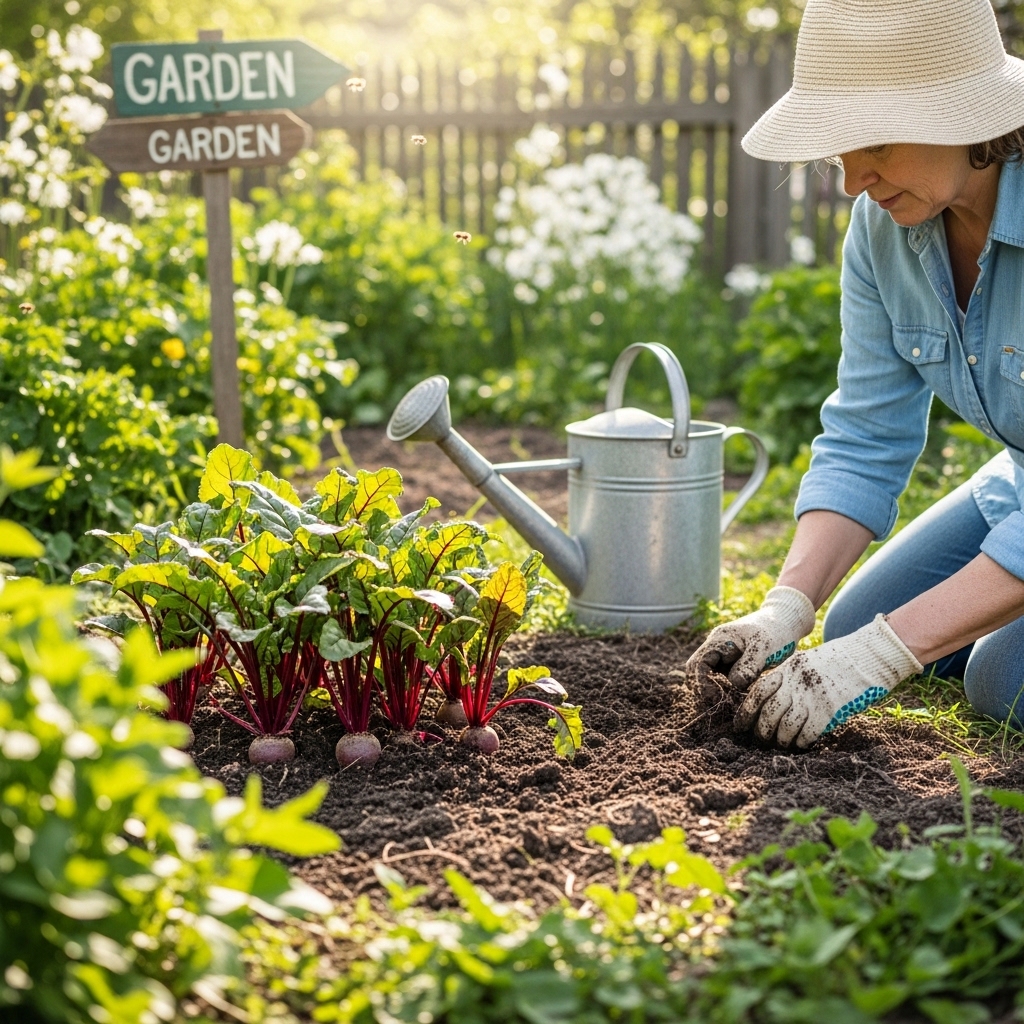
Types of Beets
There are several types of beets, each offering unique flavors and uses. The most common varieties include:
- Red Beets: The most recognized type, known for their sweet, earthy flavor.
- Golden Beets: Slightly sweeter than red beets, with a beautiful golden hue.
- Chioggia Beets: Known for their striking red and white concentric rings inside.
- Sugar Beets: Primarily grown for sugar production, they are not commonly found in home gardens.
When I tried growing Chioggia beets, I was delighted not only by their taste but also by how beautiful they looked sliced in salads. Each variety has its charm, so experimenting with different types can be rewarding.
Health Benefits of Beets
Beets are not just pretty; they’re also incredibly nutritious. They are rich in essential vitamins and minerals, including folate, potassium, and vitamin C. Additionally, beets are high in dietary fiber, which is great for digestion.
One of the things I love most about beets is their potential health benefits. I remember a time when I was feeling sluggish, and I started incorporating beet juice into my diet. I noticed an increase in energy levels and improved stamina. The natural nitrates in beets can help improve blood flow and lower blood pressure, which is a huge plus for overall health.
Soil Requirements for Beets
Beets thrive in well-drained, fertile soil. The ideal pH level for beets is between 6.0 and 7.0. When I first started gardening, I didn’t pay much attention to soil quality, and my beets didn’t do very well. It wasn’t until I tested my soil that I realized how crucial this step is.
To prepare your soil for beets, I recommend enriching it with organic matter, such as compost or well-rotted manure. This not only improves soil structure but provides the nutrients that beets need to grow robustly. I often mix in compost a few weeks before planting to give it time to integrate into the soil.
Optimal Planting Times for Beets
Timing is everything when it comes to planting beets. I have learned through my gardening journey that understanding the right times to plant can make all the difference in yield and quality.
Spring Planting
Spring is the most popular time to plant beets. Ideally, you should sow seeds about 2-4 weeks before your last expected frost. This usually translates to early March to mid-April in most regions. I remember the anticipation I felt each spring as I prepared my garden for planting. The cool soil conditions are perfect for beet seeds to germinate, and they can withstand light frosts.
When planting in spring, I usually space my seeds about 1-2 inches apart, which gives them enough room to grow without overcrowding. After a few weeks, I thin them out to ensure the remaining plants have enough space to develop into healthy beets. You can also check out How to Plant Beets for Big Healthy Roots for more details on proper planting techniques.
Fall Planting
For those who want to extend their beet harvest, fall planting is another excellent option. I’ve had success planting beets in late summer, around July to August, which allows them to mature in cooler temperatures. The beets tend to develop a sweeter flavor when grown in cooler weather, as the sugars concentrate in the roots.
When fall planting, I make sure to choose varieties that have a shorter growing season to ensure they mature before the first hard frost. It’s like a little race against time, and I enjoy the thrill of planning my garden accordingly.
Regional Variations in Planting Times
The timing for planting beets can vary significantly depending on where you live. In warmer climates, you may be able to plant beets year-round, while in colder regions, you might have a narrower window. I’ve found that connecting with local gardening communities can provide valuable insights into the best planting times for your specific area.
For example, in my region, the local gardening club has a planting calendar that outlines when to sow seeds for various vegetables, including beets. It’s a great resource for staying on track with your planting schedule and ensuring the best possible harvest. Additionally, I often look into What to Plant in September (Best Crops + Flowers) to see what other crops I can include alongside my beets.
Climate and Weather Considerations
When I think about growing beets, I can’t help but consider how much climate and weather affect their growth. I’ve learned that understanding these factors can really help in achieving a successful harvest. It’s not just about planting at the right time; it’s about providing the best environment for those little seeds to thrive.
Ideal Temperature for Beet Growth
Beets are surprisingly resilient, but they do have their preferences when it comes to temperature. They generally thrive in cool weather, with ideal temperatures ranging from 50°F to 75°F. I’ve found that when the weather is too hot, the beets can become tough and woody. In my own experience, a couple of hot days can really ruin the sweet flavor that I love. To counteract this, I often try to plant early enough in the spring or late enough in the summer to avoid the heat of mid-summer.
When I’ve planted beets too late in the summer, I’ve sometimes faced struggles with the heat. I remember one year where the temperature soared into the 90s, and my beets didn’t fare well. They were small and lacked that robust flavor I was hoping for. So, I’ve learned to pay attention to the local weather forecast, especially in the transitional seasons.
Frost Dates and Their Impact
Frost can be both a friend and a foe to beet growers. On one hand, light frosts can actually enhance the sweetness of beets, as the cold helps convert starches to sugars. I’ve tasted the difference in my own garden after a chilly night! However, hard frosts can damage the plants and ruin the crop. Understanding the frost dates in my area has been crucial for timing my planting and ensuring a successful harvest.
When I first started gardening, I didn’t pay much attention to the frost dates. I remember losing a whole batch of beets one spring because I planted too early and a surprise frost came along. Now, I check my local extension office or online resources to know my last spring frost date as well as the first fall frost date. This way, I can plan my planting and harvesting accordingly.
Rainfall and Watering Needs
Beets don’t just need good soil; they also require consistent moisture to grow well. I’ve found that they thrive with about an inch of water per week. If it doesn’t rain enough, I make it a point to water them deeply, especially during dry spells. I remember a summer when I neglected to check the moisture levels, and my beets suffered. They became tough and didn’t have that wonderful sweetness I had hoped for.
To avoid this pitfall, I often use mulch around my beet plants. Mulching not only helps retain moisture in the soil but also keeps weeds at bay. It’s a win-win in my book! In my garden, I use straw or grass clippings as mulch, and it has made a noticeable difference in keeping my soil moist and happy.
Preparing Your Garden for Beets
Getting ready to plant beets is almost as exciting as harvesting them. I’ve learned that preparation is key to a thriving beet garden. From soil preparation to selecting the right location, these steps can make all the difference in growing healthy, delicious beets.
Soil Preparation and Testing
As mentioned earlier, the importance of soil can’t be overstated. Before I plant any seeds, I make it a habit to test my soil. I remember when I first started, I didn’t realize how nutrient-deficient my soil was, and my beets struggled to grow. Now, I use a simple soil testing kit to determine the pH and nutrient levels. This helps me amend my soil with the right organic matter to create the perfect environment for my beets.
To prepare the soil, I mix in compost or well-rotted manure a few weeks before planting. This way, I give it time to break down and enrich the soil. Sometimes, I even add a bit of bone meal or blood meal to give my beets an extra boost. It’s fascinating to see how the right preparation leads to a more abundant harvest.
Choosing the Right Location
Location is another essential aspect of growing beets. I’ve learned that beets prefer full sun, so I always seek out spots in my garden that receive at least six hours of sunlight each day. However, I also need to be mindful of their need for some shade during the hottest part of the day, especially in warmer climates. I try to find a balance that works for my garden’s specific conditions.
When choosing a location, I also consider the proximity to my watering source. Having easy access to water makes maintaining consistent moisture much simpler. I’ve had experiences where I chose a beautiful spot that looked great but was far from the water supply, and it quickly became a hassle. Now, I prioritize convenience without sacrificing sunlight.
Companion Planting for Beets
Companion planting has become one of my favorite gardening strategies. I’ve noticed that certain plants can actually benefit beets when grown together. For instance, planting beets alongside onions or garlic can help deter pests. I find it rewarding to create a diverse garden ecosystem.
I also enjoy interplanting beets with crops like cabbage and lettuce. They don’t compete for resources much, and I can maximize my garden space efficiently. Over the years, I’ve seen how companion planting not only supports healthy beets but also improves the overall health of my garden. It’s a practice I wholeheartedly recommend to fellow gardeners.
Planting Techniques for Beets
Now that we’ve discussed preparation, it’s time to dive into the actual planting techniques for beets. I’ve learned that how you plant your seeds can significantly affect their growth and yield. There are a few key elements to consider, and I’m excited to share what I’ve found works best!
Seed Depth and Spacing
One of the first lessons I picked up about planting beets is the importance of seed depth and spacing. When I first sowed my beet seeds, I made the mistake of planting them too deep. Beets prefer to be planted about 1 inch deep. If they’re buried too deep, it can take longer for them to germinate, which can lead to a less robust crop.
As for spacing, I generally recommend sowing the seeds 1-2 inches apart. This gives them ample room to grow without overcrowding. I remember a time when I tried to maximize my space by planting them closer together, and the result was a bunch of stunted beets that didn’t taste nearly as good. Thinning them out became a chore, and I ended up with fewer beets than I intended. Now, I make it a point to give them the room they need right from the start.
Transplanting Beets vs. Direct Seeding
Transplanting beets can be tempting, especially if you want to get a jump start on the growing season. However, in my experience, beets do best when directly seeded into the garden. I’ve tried transplanting seedlings before, and while it worked to some extent, I found that direct seeding gave me healthier plants. The roots of beets are sensitive, and they don’t like to be disturbed too much. When I directly sow seeds, I’ve noticed that they establish themselves better and grow more vigorously.
That said, if you live in an area with a very short growing season, starting seeds indoors a few weeks before the last frost can be beneficial. If you choose this route, just make sure to handle the seedlings gently when transplanting them outdoors, as they can be delicate.
Using Raised Beds for Beets
Raised beds have become one of my favorite methods for growing beets. There’s something about the controlled environment that just seems to work wonders. I’ve found that raised beds warm up quicker in the spring, which is a big plus for those early plantings. The soil drains better, too, reducing the risk of rot.
I usually build my raised beds about 12 inches high, which provides plenty of room for the beets to grow without restriction. Plus, working in raised beds is easier on my back! I’ve noticed that beets grown in raised beds tend to have better air circulation and sunlight exposure, which can lead to healthier plants. It’s a simple change that has made a noticeable difference in my gardening success.
Caring for Beets During Growth
Once you’ve planted your beets, the next step is caring for them during their growth period. I’ve learned that this phase is crucial to ensuring you end up with a tasty harvest. Here are some of the key aspects that I focus on to keep my beet plants healthy.
Watering Guidelines
Watering is one of the most important aspects of caring for beets. I’ve found that beets prefer consistent moisture, so I aim to provide about an inch of water per week. If the weather is particularly dry or hot, I make sure to keep an eye on the moisture levels in the soil. I remember a summer when I forgot to water my beets during a heat wave, and they became tough and unappetizing.
To ensure even watering, I usually water deeply and less frequently, rather than giving them light, shallow waterings. I’ve noticed that this encourages deeper root growth, which is vital for healthy beets. I also find that watering in the morning is best, as it allows the plants to absorb the moisture throughout the day without the risk of fungal diseases that can come from wet foliage at night.
Fertilization Best Practices
Fertilization is another critical aspect of beet care. When I first started, I wasn’t sure how much fertilizer to use, and I ended up over-fertilizing, which can lead to leafy greens at the expense of root development. I’ve since learned that beets prefer a balanced fertilizer, and I usually apply it according to the recommendations based on my soil test results.
I tend to use a fertilizer low in nitrogen and higher in phosphorus and potassium, as this promotes root growth. I also like to apply a layer of compost around the plants halfway through their growth cycle to provide a gentle boost of nutrients. It’s fascinating to see how the right balance of nutrients can lead to larger, sweeter beets.
Pest and Disease Management
Like any gardener, I’ve had my fair share of pest problems. I’ve learned that beets can be susceptible to pests like aphids and leaf miners. I’ve found that keeping a close eye on my plants and inspecting the leaves regularly helps me catch any issues early. If I notice any infestations, I usually use a gentle insecticidal soap to manage the problem without harming beneficial insects.
Additionally, I’ve discovered that good garden hygiene can prevent many diseases. I make it a habit to remove any dead leaves or debris from around the beet plants. This helps reduce the risk of fungal infections and keeps the area tidy.
Frequently Asked Questions
What is the best time to plant beets for optimal growth?
The best time to plant beets for optimal growth is in early spring, about 2-4 weeks before the last frost date, or in late summer for a fall harvest.
What types of beets are available for gardening?
Common varieties of beets include Red Beets, Golden Beets, Chioggia Beets, and Sugar Beets. Each type offers unique flavors and uses.
What are the health benefits of beets?
Beets are rich in essential vitamins and minerals, including folate, potassium, and vitamin C. They are also high in dietary fiber and can help improve blood flow and lower blood pressure.
What soil requirements do beets have?
Beets thrive in well-drained, fertile soil with a pH level between 6.0 and 7.0. Enriching the soil with organic matter like compost or well-rotted manure is recommended for robust growth.
How much water do beets need?
Beets require about an inch of water per week. Consistent moisture is important for their growth, and deep watering is preferred over light, shallow waterings.
What are the ideal temperatures for growing beets?
Beets generally thrive in cool weather, with ideal temperatures ranging from 50°F to 75°F. Excessive heat can lead to tough and woody beets.
What planting techniques should be used for beets?
Beet seeds should be planted about 1 inch deep and spaced 1-2 inches apart. Direct seeding is preferred over transplanting for healthier plants.
How can companion planting benefit beets?
Companion planting can help deter pests and maximize garden space. Planting beets alongside onions or garlic is beneficial, as well as interplanting with crops like cabbage and lettuce.
What fertilization practices are best for beets?
Beets prefer a balanced fertilizer low in nitrogen and higher in phosphorus and potassium. Applying a layer of compost halfway through the growth cycle can also provide a nutrient boost.
How can I manage pests and diseases affecting my beet plants?
Inspecting the leaves regularly for pests like aphids and leaf miners is important. Gentle insecticidal soap can be used for infestations, and maintaining good garden hygiene helps prevent diseases.