
Knowing when to plant is essential for a successful garden, as each season offers unique opportunities for different plants. In my experience, understanding the right timing can make all the difference between a bountiful harvest and a disappointing outcome.
Understanding Planting Seasons
The Importance of Knowing When to Plant
As I delved into gardening, I quickly realized that timing is everything. Each season presents its own set of challenges and benefits. For instance, spring is often considered the best time for planting many vegetables and flowers because the temperatures are rising, and the risk of frost is decreasing. I remember my first spring planting; the excitement of seeing those tiny seeds sprout was unforgettable. However, without knowing the right time to plant, I could have easily faced frost damage or poor growth conditions.
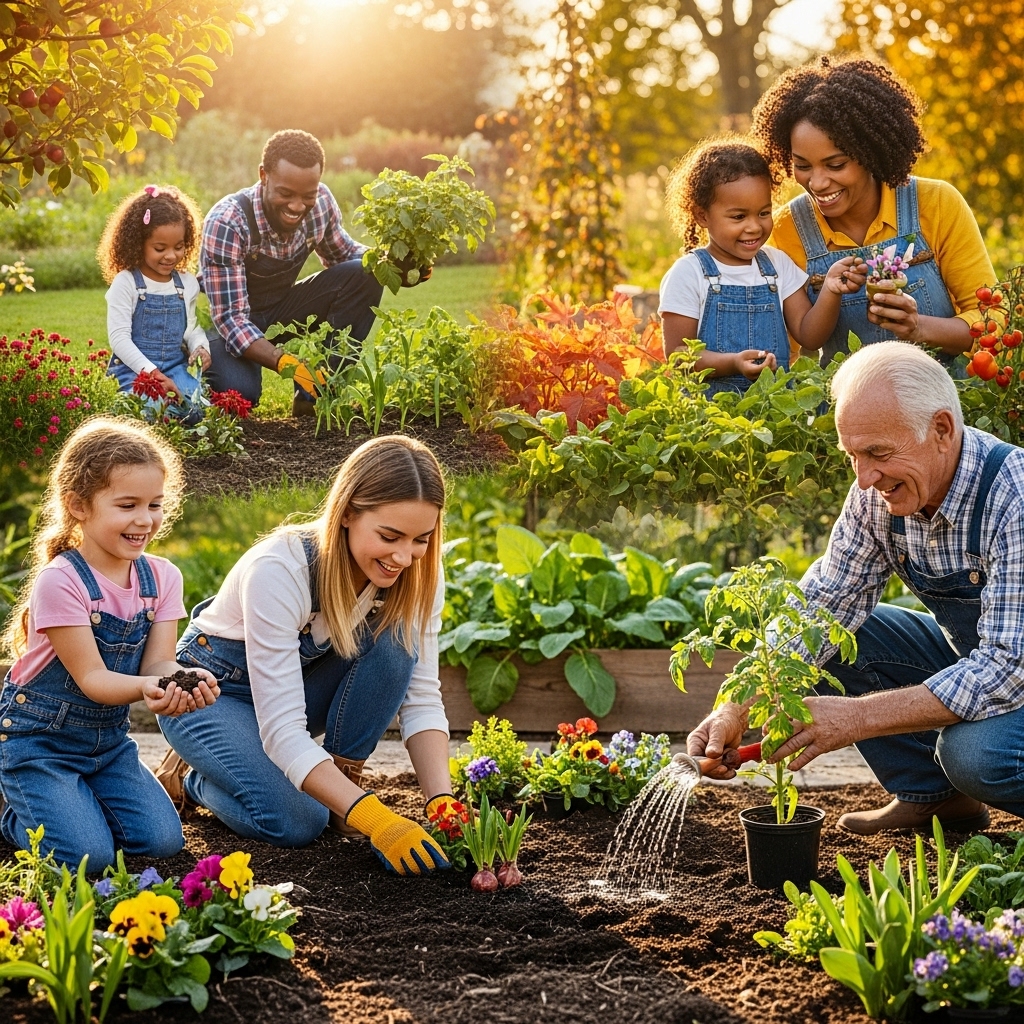
Understanding when to plant not only helps in selecting the right crops but also ensures that you maximize your garden’s potential. Plants have specific growth cycles and will thrive only when planted at the right time. This is why learning about seasonal planting is crucial for every gardener, whether you’re a beginner or have been at it for years. For more information, check out When to Plant Zinnias for Maximum Blooms.
Climate Zones and Their Impact on Planting
One of the first things I learned about planting is that climate zones play a significant role in determining when to sow seeds. The USDA Plant Hardiness Zone Map is an excellent resource that divides North America into various climate zones based on average annual minimum temperatures. I found that knowing my zone helped me select plants that would thrive in my local conditions. For example, I live in Zone 7, which allows for a relatively long growing season. This means I can plant a wider variety of vegetables compared to someone in a colder zone.
Each climate zone has its specific planting dates, which are influenced by factors like the last frost date in spring and the first frost date in fall. I often use these dates as a guide to plan my planting schedule. It’s essential to research your zone, as this knowledge can guide your decisions on what to plant and when. I remember the first time I tried to plant tomatoes too early; despite my excitement, they didn’t survive the late frost, which was both disheartening and a valuable lesson.
Weather patterns can also vary greatly even within the same climate zone. For example, while one spring might be warm and welcoming, another could be chilly and unpredictable. Keeping an eye on local weather forecasts and trends will help you adapt your planting schedule. I started using a gardening journal to track not only what I planted but also the weather conditions. This practice has helped me make better planting decisions in subsequent years.
Spring Planting Guide
Best Vegetables to Plant in Spring
When spring rolls around, my excitement levels peak as I prepare to plant a fresh batch of vegetables. Some of my favorite crops to sow in spring include peas, lettuce, radishes, and spinach. These cool-season crops thrive in the mild temperatures of early spring. I remember the first time I planted peas; they shot up quickly and provided an abundance of sweet, crunchy snacks. I also enjoy starting my lettuce early to ensure a continuous harvest throughout the season.
For those who are looking to plant slightly warmer crops, like tomatoes and peppers, I recommend waiting until the danger of frost has passed. This usually means waiting until late spring. In my case, I learned the hard way after planting tomatoes too soon. They struggled and didn’t produce as well as those I planted later. By paying attention to the calendar and my local frost dates, I’ve been able to enjoy a successful summer harvest. Additionally, if you’re curious about fruit planting, read When to Plant Watermelon for Sweet Big Fruit.
Flowering Plants for Spring Gardens
Spring is also a fantastic time to fill your garden with vibrant flowers. I love planting marigolds, pansies, and snapdragons in the spring. These flowers not only add color but also attract pollinators like bees and butterflies, which are essential for a healthy garden ecosystem. I often find myself wandering through local nurseries each spring, looking for new varieties to try. I remember the sense of joy I felt when I saw my first snapdragons bloom; the varied colors brightened up my garden and my mood.
Herbs to Start in Spring
Herbs are another fantastic option for spring planting. I find that basil, parsley, and cilantro are some of the easiest herbs to grow. Starting them in pots on my windowsill or directly in the garden has worked well for me. I also discovered that herbs tend to thrive when planted in well-draining soil with plenty of sunlight. There’s something incredibly rewarding about snipping fresh herbs for cooking right from my own garden. It’s like a little piece of culinary magic!
Soil Preparation and Fertilization Tips
Before planting anything, I learned the importance of preparing the soil. Healthy soil is the foundation of a thriving garden. I often start by testing my soil to determine its pH and nutrient levels. This step has helped me understand what my soil lacks and what amendments it might need. Adding organic matter, such as compost, has made a significant difference in my soil’s fertility and structure. I remember the first time I mixed in compost; my plants grew stronger and more vibrant than ever before.
Fertilization is also key during the spring season. I usually apply a balanced fertilizer when planting my vegetables and flowers, giving them a nutritious start. Just like me, plants need food to grow! However, I’ve learned to avoid over-fertilizing, as too much can burn the roots and do more harm than good. Following the instructions on fertilizer packages has helped me strike the right balance.
In summary, understanding when to plant can transform our gardening experience. By paying attention to climate zones, seasonal changes, and soil preparation, we can ensure our gardens flourish. As we move through the seasons, there’s so much more to explore about planting vegetables, flowers, and herbs. Let’s dig deeper into each season and discover the best practices for creating our dream gardens. Also, consider checking out When to Plant Asparagus for Best Growth.
Summer Planting Guide
Heat-Loving Vegetables for Summer
As the days grow longer and the sun shines brighter, I feel a different kind of excitement when it comes to summer planting. This season is perfect for heat-loving vegetables that thrive in warmer temperatures. One of my absolute favorites is zucchini. I remember my first summer growing them; they were so prolific that I was giving them away to friends and family. I learned that zucchini grows best when planted after the last frost, usually around late spring, so I always mark my calendar.
Other summer vegetables that I love include eggplants, peppers, and beans. Each of these plants not only adds variety to my meals but also offers a colorful display in the garden. I recall a summer when my bell peppers turned a vibrant shade of red, and the satisfaction of harvesting them was unmatched. These vegetables tend to prefer well-drained soil and plenty of sunshine, so I always ensure their spot in the garden gets at least six hours of direct sunlight daily.
When planting during the summer, I’ve also found it beneficial to use mulch around these heat-loving plants. It helps retain moisture and keeps the roots cool, which is crucial during those hot summer days. I usually apply a layer of straw or wood chips, and I’ve noticed a significant difference in how well my plants perform.
Best Flowers to Brighten Your Summer Garden
Summer is a time for vibrant colors, and I love to fill my garden with flowers that bloom in this season. Sunflowers are a must-have for me; their tall stalks and bright yellow petals always bring a smile to my face. I remember planting a whole row of them one summer, and it felt like having a mini sunflower field right in my backyard. They are not only stunning but also attract bees, which are essential for pollination.
Other flowers I enjoy planting in the summer include coneflowers, zinnias, and cosmos. Each of these blooms adds a unique touch to my garden and tends to attract butterflies, which makes the garden feel alive. I often take my morning coffee outside just to watch them flutter around the flowers. I find that deadheading the flowers regularly encourages more blooms throughout the summer, keeping the garden looking fresh and vibrant.
Herbs That Thrive in the Summer Heat
When it comes to herbs, summer is the best time to grow those that love the heat. Basil is my go-to herb for summer planting. There’s nothing like the aroma of fresh basil from my garden, especially when I’m whipping up a Caprese salad. I usually plant basil in a sunny spot, and it tends to flourish, giving me abundant leaves to harvest all season long.
Another herb that thrives in summer is rosemary. I love how resilient rosemary is in the heat; it has become a staple in my herb garden. I often use it to season meats and vegetables, adding a delightful flavor to my summer meals. I’ve learned to keep rosemary well-watered but not soggy, as it prefers good drainage.
Thyme is also a great herb to consider for summer gardens. It’s low maintenance and can tolerate some drought, which is perfect for those hot days when I might forget to water occasionally. I remember feeling proud of my thyme plant, knowing it’s not only useful in the kitchen but also adds lovely greenery to my garden.
Watering and Maintenance Tips for Summer Planting
Summer planting brings its own set of challenges, particularly when it comes to watering. I’ve learned that consistent watering is key to keeping my plants healthy during the warmer months. I typically water my garden in the early morning or late evening when temperatures are cooler, which helps minimize evaporation.
Using drip irrigation has been a game-changer for me. It delivers water directly to the plant roots, ensuring they get what they need without water waste. I also keep an eye on the weather; if I know a heatwave is coming, I’ll increase my watering schedule to ensure my plants don’t suffer from stress.
In addition to watering, I always check for pests during the summer. Aphids and spider mites can thrive in the heat, so I’ve made it a habit to inspect my plants regularly. I usually create a natural insecticidal soap to help keep them at bay without harming beneficial insects. Maintaining a healthy garden through the summer heat is all about balance; I’ve learned that with a bit of love and attention, my plants thrive beautifully.
Fall Planting Guide
Cool-Weather Vegetables to Plant in Fall
As summer fades and the air turns crisp, I find myself looking forward to fall planting. This season is a beautiful time to grow cool-weather vegetables that can withstand the changing temperatures. Some of my favorites include kale, carrots, and Brussels sprouts. I remember the first time I planted kale in the fall; it was incredible to watch it thrive even as temperatures dropped. The flavor actually improves with a touch of frost, adding a sweetness that I absolutely love.
Carrots are another great choice for fall planting. I’ve learned that they can be sown directly into the garden in late summer or early fall. I often plant a second batch of carrots right before it gets too cold, allowing them to grow slowly until I’m ready to harvest. There’s something so rewarding about pulling fresh carrots from the ground; they taste so much better than store-bought!
Brussels sprouts, on the other hand, take a little longer to mature but are worth the wait. I always plant them early enough in the fall to give them time to grow before the first frost. I remember one year harvesting them right before Thanksgiving, and they were a star on our dinner table. They truly encapsulated the essence of fall for me.
Perennials and Bulbs to Plant in Autumn
Fall is also the ideal time to plant perennials and bulbs that will bloom in the spring. I enjoy planting tulips and daffodils in the autumn. There’s something magical about the anticipation of seeing those colorful blooms emerge after a long winter. I remember the joy I felt when my first tulips popped up—such a bright promise of spring!
When planting bulbs, I’ve learned that the depth is key. I usually plant them about three times deeper than the bulb’s height. This ensures they are protected during the winter months. I often find myself daydreaming about my garden each spring, eagerly waiting to see which bulbs will bloom first. It’s a wonderful way to keep the hope alive during the colder months.
Perennials are equally exciting because they come back year after year. I often choose varieties like coneflowers and daylilies, which not only add color but also attract pollinators. Planting them in the fall allows their roots to establish before winter, giving them a head start for the growing season ahead.
Herbs Suitable for Fall Planting
When it comes to herbs, fall is an excellent time to plant varieties like cilantro and chives. I’ve learned that cilantro can be sown directly in the garden as the weather cools. I remember being amazed at how quickly it grows; it’s perfect for adding freshness to my autumn dishes. Chives are another herb I love to plant in the fall because they come back year after year, providing a continuous supply of flavor for my cooking.
Additionally, I’ve found that many herbs can be grown in containers, making them easy to manage as the temperatures drop. I often place my pots near my kitchen door, so I can easily snip fresh herbs whenever I need them. It’s like having a little garden right at my fingertips!
Preparing Your Garden for Winter
As fall comes to an end, preparing my garden for winter is essential. I usually start by cleaning up any dead plants and debris, which helps prevent diseases from taking root. I’ve learned that leaving my garden tidy not only looks nice but also protects the soil and the plants that will come back in spring.
Mulching is another step I always take before the cold sets in. I apply a thick layer of mulch over my garden beds to insulate the roots and protect them from freezing temperatures. This practice has really helped my plants withstand the harsh winter months. I often use straw or shredded leaves, which not only provide insulation but also break down over time to enrich the soil.
Finally, I make sure to cover any tender plants with frost cloth or burlap if temperatures are expected to drop significantly. I remember the first winter I neglected to cover my delicate herbs; the frost took its toll, and I was left heartbroken. Now, I’m always prepared, ensuring that my plants have the best chance of surviving until spring.
Frequently Asked Questions
Why is it important to know when to plant in a garden?
Knowing when to plant is essential for a successful garden, as it helps in selecting the right crops and maximizing the garden’s potential. Each season offers unique opportunities and challenges, making timing crucial for achieving a bountiful harvest.
What is the role of climate zones in gardening?
Climate zones significantly impact planting times and plant selection. The USDA Plant Hardiness Zone Map divides North America into various climate zones based on average annual minimum temperatures, helping gardeners choose plants that thrive in their local conditions.
What vegetables are best to plant in spring?
Some of the best vegetables to plant in spring include peas, lettuce, radishes, and spinach. These cool-season crops thrive in the mild temperatures of early spring.
What flowers can be planted in spring?
Spring is a great time to plant flowers such as marigolds, pansies, and snapdragons. These flowers add color to the garden and attract pollinators like bees and butterflies.
Which herbs are suitable for planting in spring?
Herbs like basil, parsley, and cilantro are excellent options for spring planting. They thrive in well-draining soil with plenty of sunlight and are rewarding to grow for culinary use.
What are some tips for soil preparation before planting?
Before planting, it’s important to test the soil for pH and nutrient levels. Adding organic matter, such as compost, can significantly improve soil fertility and structure, helping plants grow stronger.
What vegetables are ideal for summer planting?
Heat-loving vegetables such as zucchini, eggplants, peppers, and beans are ideal for summer planting. These vegetables thrive in warmer temperatures and well-drained soil with plenty of sunshine.
What should be considered when watering during the summer?
Consistent watering is key to keeping plants healthy in the summer. It’s best to water in the early morning or late evening to minimize evaporation, and using drip irrigation can help deliver water directly to the roots efficiently.
What types of vegetables can be planted in fall?
Cool-weather vegetables such as kale, carrots, and Brussels sprouts are ideal for fall planting. These vegetables can withstand changing temperatures and can even improve in flavor with a touch of frost.
How can a gardener prepare their garden for winter?
Preparing the garden for winter involves cleaning up dead plants and debris, applying a thick layer of mulch for insulation, and covering tender plants with frost cloth or burlap to protect them from freezing temperatures.