
The best time to plant broccoli for optimal results is in early spring or late summer to early fall, depending on your climate. I’ve discovered that timing is crucial, as broccoli thrives in cooler temperatures and can bolt if it gets too hot. Read Interesting article: What to Plant in August (Best Crops & Flowers)
Understanding Broccoli as a Crop
What is Broccoli?
Broccoli is a nutrient-rich vegetable belonging to the Brassica family, which includes cabbage, kale, and Brussels sprouts. It’s known for its tight, green flower buds that form a large head, and it can be enjoyed in various forms, from raw in salads to steamed as a side dish. Personally, I love using broccoli in stir-fries or blended into smoothies for a healthy boost. Beyond its delicious taste, broccoli is packed with vitamins C and K, fiber, and even some protein, making it a fantastic addition to our diets.
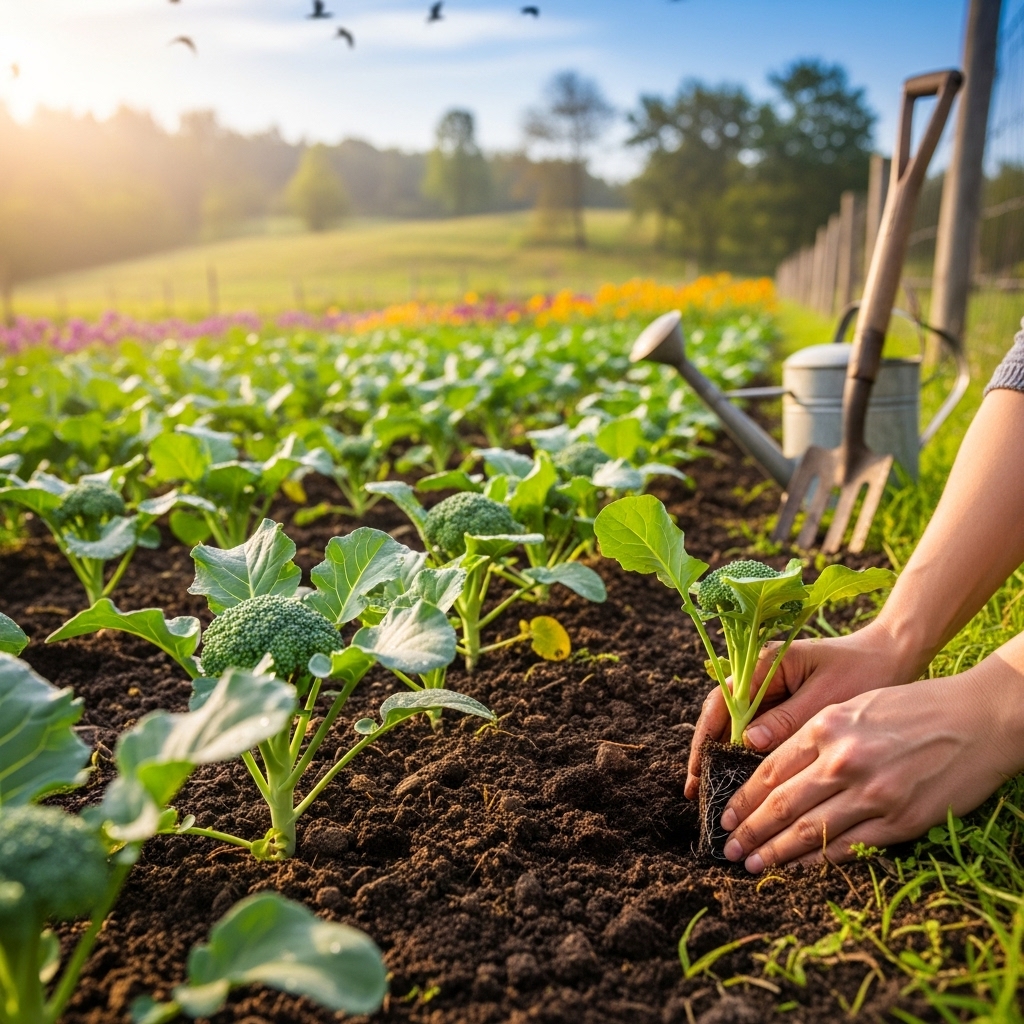
Types of Broccoli Varieties
There are several varieties of broccoli, each with unique characteristics that can affect your gardening experience. The most common type is ‘Calabrese,’ which features large, green heads and is typically what we find in grocery stores. Another popular variety is ‘Broccolini,’ a hybrid of broccoli and Chinese broccoli that has long, thin stems and smaller florets. I’ve also experimented with ‘Purple Sprouting Broccoli,’ which offers a stunning visual appeal and a slightly sweeter flavor. Each variety has its flowering and growing patterns, so I recommend choosing one that matches your climate and taste preferences.
Optimal Growing Conditions for Broccoli
Soil Requirements
Broccoli thrives in well-draining soil that is rich in organic matter. I’ve found that adding compost is a game-changer; it not only improves soil structure but also provides essential nutrients. Ideally, the pH level should be between 6.0 and 7.0. I remember the first time I planted broccoli without testing my soil’s pH—it didn’t yield as well as I hoped. You can easily test your soil at home or through local extension services to ensure it is suitable for growing this wonderful vegetable.
Temperature Preferences
Temperature plays a significant role in broccoli’s growth. This cool-season crop prefers temperatures between 60°F and 70°F. I learned the hard way that planting in peak summer can lead to bolting, which is when the plant flowers prematurely and becomes bitter. In my experience, it’s best to start seeds indoors 6 to 8 weeks before the last frost or to transplant them outside 2 to 4 weeks before the last frost date. For fall planting, sow seeds in late summer, allowing the plants to mature as temperatures cool down. Read Interesting article: What to Plant in September (Best Crops + Flowers)
Sunlight Needs
Broccoli loves sunlight, and I’ve noticed that the best results come from planting it in a spot that receives at least 6 to 8 hours of direct sunlight each day. My garden has a few areas that get shaded by trees later in the day, and I’ve seen how this affects the growth of my broccoli plants. If you can, observe your garden throughout the day to find the sunniest spots, as this will ultimately lead to stronger, healthier plants.
When to Plant Broccoli: A Seasonal Guide
Spring Planting: Timing and Techniques
Spring is often the most popular time to plant broccoli. Depending on where you live, you can start seeds indoors 6 to 8 weeks before the last expected frost date. I usually mark my calendar for this, so I’m prepared when the time comes. Once the seedlings have at least two sets of true leaves, it’s time to harden them off by gradually exposing them to outdoor conditions over a week. Transplant them outside when the soil temperature reaches about 60°F. Watching them grow during this time is truly rewarding, and I often check on them daily!
Fall Planting: Best Practices and Considerations
Fall planting can be an excellent choice, especially in areas with mild winters. I’ve found that starting seeds 10 to 12 weeks before the first expected frost allows for a good harvest. In this case, I aim to have my broccoli mature just before frost hits, as this can actually enhance the flavor. For fall planting, I usually choose fast-maturing varieties to ensure a successful crop. It’s also crucial to keep an eye on the weather as the season changes, ensuring that the plants have enough time to grow without being affected by extreme cold.
Regional Variations in Planting Times
Where you live can significantly impact when to plant broccoli. For example, gardeners in the southern U.S. may find that they can plant twice a year—once in the spring and again in late summer. I’ve spoken with friends who live in colder regions and learned that they often have to wait until the last frost in late spring to plant their broccoli. Checking your local planting calendar or connecting with local gardening communities can provide invaluable insights, helping ensure that you plant at the right time for your specific area.
Preparing for Planting Broccoli
Choosing the Right Location
Finding the perfect spot for your broccoli can make all the difference. I’ve spent hours wandering around my yard, searching for the ideal location that balances sunlight and shelter. Broccoli needs full sun, but it also appreciates some protection from harsh winds and intense afternoon heat. I like to plant mine in a location where it gets morning sun and some dappled shade in the afternoon, which seems to help keep the plants cool. I’ve realized that a little planning goes a long way, so consider how the sun moves across your garden throughout the day.
Soil Preparation and Fertilization
Before I plant my broccoli, I always take time to prepare the soil. This is essential! I usually start by tilling the soil to break up any clumps and improve aeration. I remember when I first began gardening, I neglected this step, and my plants struggled. After tilling, I mix in well-rotted compost or aged manure, which enriches the soil and provides the nutrients broccoli craves. I’ve learned that a balanced fertilizer high in nitrogen is also beneficial, especially during the early growth stages. Just make sure to follow the package instructions to avoid overwhelming the plants with too many nutrients.
Seed Selection vs. Transplants
When it comes to planting broccoli, I’ve often debated whether to start from seeds or transplants. I’ve tried both, and each has its benefits. Starting from seeds gives me the satisfaction of nurturing the plants from the very beginning. Plus, I can choose from a broader variety of seeds. However, I’ve found that using transplants from local nurseries can give me a head start, especially in the spring when I’m eager to get my garden going. If you decide to go the transplant route, just be sure to choose healthy plants without any signs of disease. I always check the leaves and roots, and I look for vibrant green colors.
Care and Maintenance After Planting
Watering Guidelines
One of the most crucial aspects of growing broccoli is understanding its watering needs. I’ve learned that broccoli prefers consistent moisture, especially during the early growth stages. I try to water deeply at least once a week, giving the roots time to soak up the water. I also always check the soil moisture by sticking my finger about an inch deep into the soil—if it feels dry, it’s time to water. I remember one season when I was a little too complacent about watering, and it resulted in some bitter-tasting heads. So, I make it a point to keep my broccoli well-hydrated, especially during dry spells.
Pest and Disease Management
No gardener can escape the reality of pests or diseases, and broccoli isn’t exempt. I’ve had my fair share of battles with aphids and cabbage worms. I find that regularly inspecting my plants helps me catch any issues early. I often use companion planting to deter pests, like planting marigolds nearby, which seem to repel certain insects. Additionally, I’ve discovered that using floating row covers can provide some protection without hindering growth. If I do notice pests, I typically use insecticidal soap or a homemade solution of water and dish soap, which has worked well for me in the past. Read Interesting article: What to Plant With Cucumbers (Best Companions)
Fertilizing During Growth
Once my broccoli plants are established, I don’t forget about their nutritional needs. I usually apply a side dressing of balanced fertilizer about four weeks after transplanting or when the plants start to show significant growth. This helps ensure they get the nutrients they need to produce robust heads. I remember a time when I didn’t fertilize adequately, and my broccoli heads were smaller than I’d hoped. Now, I make it a priority to keep an eye on their development and adjust my fertilization schedule as necessary.
Harvesting Broccoli for Best Results
Signs of Readiness for Harvest
Harvesting broccoli is one of the most rewarding aspects of the gardening process. I’ve learned to look for specific signs that indicate it’s time to pick. The heads should be firm and tight, with a rich green color. I remember the first year I let my broccoli grow too long; the heads started to flower, and I missed my chance for a perfect harvest! I usually aim to harvest the heads when they’re around 4 to 7 inches in diameter. And if I notice any yellow flowers beginning to form, I know it’s time to act quickly!
Best Practices for Harvesting Broccoli
When it comes to harvesting, I’ve found that using a sharp knife or garden shears works best to cut the broccoli heads cleanly. I cut just above the first set of leaves to encourage side shoots to grow, which can extend my harvest for weeks. I usually wear gloves to protect my hands, and I’m careful not to damage the surrounding plants. Once harvested, I store my broccoli in the refrigerator, where it can stay fresh for several days. I’ve learned that the quicker I can get it from the garden to the kitchen, the better its flavor and texture will be.
Common Mistakes to Avoid When Planting Broccoli
Overcrowding Plants
One mistake I’ve made in my gardening journey is overcrowding my broccoli plants. It’s tempting to plant them close together to maximize space, but I’ve learned that giving each plant enough room is crucial for their growth. When broccoli is too crowded, it competes for nutrients, sunlight, and water, leading to smaller heads and even stunted growth. I typically follow the recommended spacing of about 18 to 24 inches between each plant. This not only allows for better airflow but also ensures that each plant can reach its full potential. I remember the first year I tried to fit too many plants in my raised bed, and the results were disappointing. Now, I make it a priority to space them out properly, and the difference is remarkable.
Ignoring Weather Conditions
Weather can be unpredictable, and I’ve learned the hard way that ignoring its effects can jeopardize my broccoli crop. This cool-season vegetable thrives in mild temperatures, but extreme heat or unexpected cold snaps can disrupt its growth. For example, I once planted a batch too late in the spring, and a sudden heatwave caused them to bolt. I’ve found it helpful to keep an eye on the weather forecasts, particularly during the critical growing phases. If I sense that an unexpected warm spell is coming, I might provide some shade or cover my plants with a light cloth to protect them. Similarly, if I know frost is approaching, I make sure to cover my plants to shield them from potential damage. Being proactive about weather conditions has saved me from losing entire crops.
Neglecting Soil Quality
Soil quality is something I’ve come to appreciate deeply as a gardener. In the beginning, I didn’t pay much attention to it, thinking that any soil would do. Boy, was I wrong! I realized that the health of my broccoli is directly tied to the quality of the soil it’s growing in. Poor soil can lead to nutrient deficiencies, impacting the flavor and size of the harvest. I now prioritize testing my soil before planting. I also take the time to amend it with compost or other organic matter to enhance its structure and fertility. Each season, I make it a habit to evaluate my soil quality, ensuring it meets the needs of my plants. Since I’ve started to focus on this aspect, my broccoli has been much more vibrant and flavorful.
Frequently Asked Questions about Broccoli Planting
Can Broccoli be Grown Year-Round?
This is a question I often hear, and it’s one I’ve pondered myself. While broccoli is a cool-season crop, I’ve found that it can be grown year-round in certain climates, particularly in regions with mild winters. In my experience, I’ve tried to plant in the fall for a winter harvest, but I also know that in warmer climates, starting seeds indoors and transplanting them outside as early as possible in spring can lead to a successful crop. However, in colder climates, I stick to the spring and fall planting schedules to avoid harsh winter conditions. If you’re considering growing broccoli year-round, it’s essential to know your local climate and choose suitable varieties.
What Companion Plants Benefit Broccoli?
Companion planting has become a favorite strategy of mine, especially for broccoli. I’ve found that certain plants can help improve growth and deter pests. For instance, planting garlic or onions nearby can repel aphids, which is something I’ve struggled with in the past. I also love adding marigolds to my garden beds; they not only look beautiful but also help keep harmful nematodes at bay. Additionally, I’ve noticed that planting nasturtiums can attract beneficial insects, which are great for pollination. When I started incorporating companion plants, I noticed healthier broccoli and an overall thriving garden ecosystem. It’s amazing how nature can work in harmony!
How to Extend the Harvest Season?
Extending the harvest season for broccoli has been one of my goals as a gardener. I’ve learned that timing and variety selection play significant roles in this. By staggering my plantings, I can enjoy fresh broccoli for a more extended period. For example, I often plant a fast-maturing variety alongside a slower-growing one. This way, as one batch finishes, I have another ready to harvest. Another trick I’ve picked up is to use row covers during early spring and fall to create a microclimate that allows for earlier planting and later harvesting. I’ve found that this simple addition has not only protected my plants from pests but has also helped them thrive longer into the season. With these strategies, I’ve been able to enjoy fresh broccoli from my garden for months!
Frequently Asked Questions
What is the best time to plant broccoli?
The best time to plant broccoli is in early spring or late summer to early fall, depending on your climate. Broccoli thrives in cooler temperatures and can bolt if it gets too hot.
What are the soil requirements for growing broccoli?
Broccoli thrives in well-draining soil that is rich in organic matter, with an ideal pH level between 6.0 and 7.0. Adding compost can significantly improve soil structure and nutrient content.
How much sunlight does broccoli need?
Broccoli requires at least 6 to 8 hours of direct sunlight each day for optimal growth. Finding a sunny location in your garden is essential for stronger, healthier plants.
What signs indicate that broccoli is ready to be harvested?
Broccoli heads should be firm and tight, with a rich green color, typically around 4 to 7 inches in diameter. If yellow flowers begin to form, it’s a sign to harvest quickly.
What are common mistakes to avoid when planting broccoli?
Common mistakes include overcrowding plants, ignoring weather conditions, and neglecting soil quality. Each of these can negatively impact growth and yield.
Can broccoli be grown year-round?
Broccoli can be grown year-round in certain climates, particularly those with mild winters. In colder climates, it’s best to stick to spring and fall planting schedules.
What companion plants benefit broccoli?
Certain companion plants like garlic, onions, and marigolds can improve broccoli growth and help deter pests like aphids. Nasturtiums can attract beneficial insects for pollination.
How should broccoli be watered?
Broccoli prefers consistent moisture, especially during early growth. It is advisable to water deeply at least once a week and check soil moisture regularly to prevent bitterness in the heads.
What is the recommended spacing for planting broccoli?
To avoid overcrowding, broccoli plants should be spaced about 18 to 24 inches apart. This allows for better airflow and ensures that each plant can grow to its full potential.
What can be done to extend the harvest season for broccoli?
To extend the harvest season, stagger plantings of fast-maturing and slower-growing varieties. Using row covers can also create a microclimate for earlier planting and later harvesting.