
The best time to plant bulbs for optimal blooms is in the fall for spring-flowering bulbs and in the spring for summer-flowering bulbs. I’ve found that timing is crucial to ensure my garden bursts with color when the season changes.
Understanding Bulb Planting Basics
What Are Flowering Bulbs?
Flowering bulbs are a unique type of plant structure that stores nutrients and energy, allowing them to bloom beautifully year after year. They consist of a bulb, which is an underground storage organ, and they come in a variety of species, each with its own unique characteristics and blooming schedules. When planted correctly, bulbs can offer vibrant flowers that signal the change of seasons, bringing life and color to our gardens. I remember the first time I planted tulips; watching them emerge in spring felt like a magical reward for my efforts.
Types of Bulbs: Hardy vs. Tender
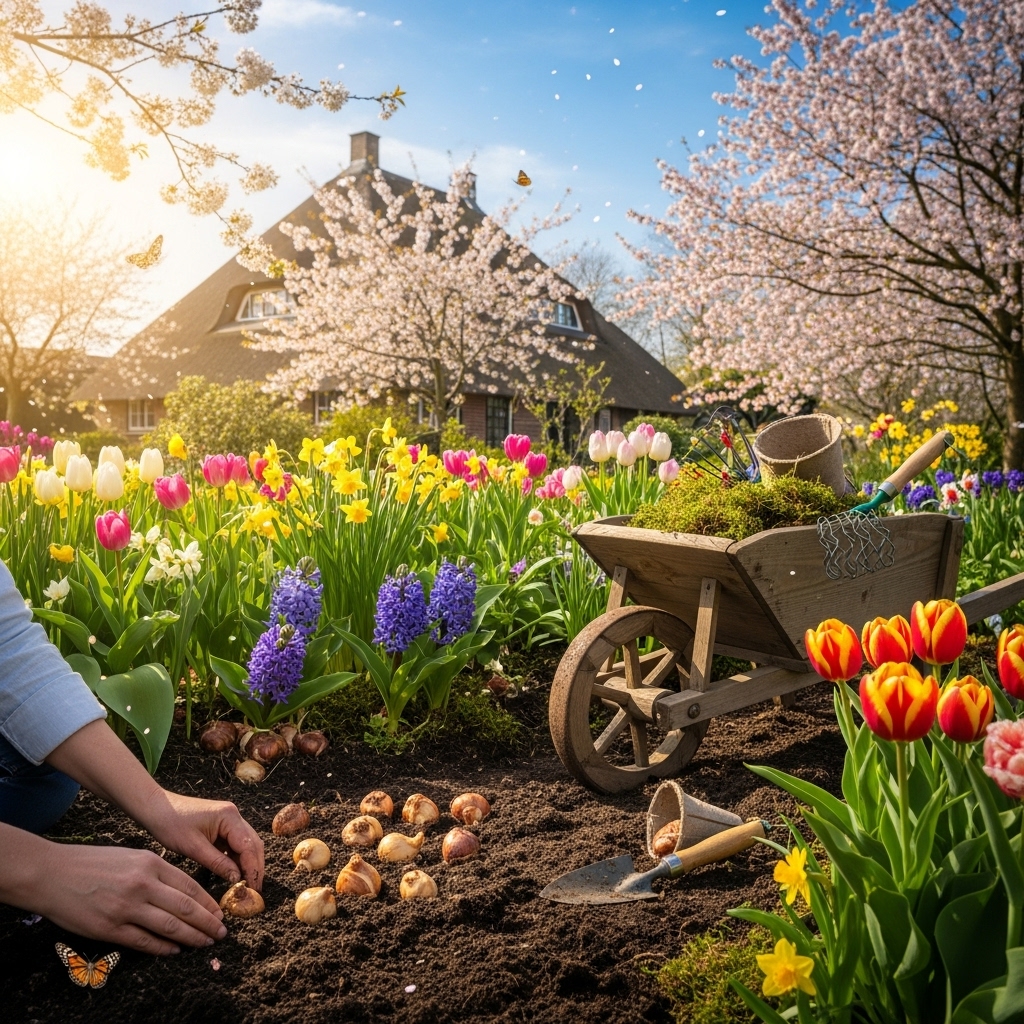
There are two main categories of bulbs: hardy and tender. Hardy bulbs are those that can withstand cold weather and will thrive even in frosty conditions. Examples include daffodils, tulips, and hyacinths. These are typically planted in the fall, allowing them to establish roots before winter sets in, and they’ll bloom beautifully come spring. On the other hand, tender bulbs, like dahlias and gladiolus, need to be planted in the spring after the danger of frost has passed. They cannot survive freezing temperatures, which is something I learned the hard way when I lost my first batch of tubers to an unexpected cold snap.
Common Flowering Bulbs to Consider
When considering which bulbs to plant, it’s exciting to think about the variety available. Some of my favorites for spring are crocuses, which are often the first to bloom, providing a cheerful splash of color. Daffodils follow closely, and their bright yellow blooms are a sure sign of spring. Tulips, in various colors, add elegance and beauty to any garden. For summer, I love planting dahlias; their large, vibrant blooms can really create a stunning display. Other options include lilies, which offer beautiful, fragrant flowers, and gladiolus, known for their tall, striking spikes. I’ve learned that mixing different types of bulbs can create a more dynamic and colorful garden throughout the seasons.
When to Plant Bulbs: Seasonal Guide
Spring-Flowering Bulbs
Spring-flowering bulbs are usually planted in the fall, around 6 to 8 weeks before the ground freezes. This timing allows the bulbs to establish roots while the soil is still warm. I make it a point to get my bulbs in the ground by late September to mid-November, depending on the climate. It’s fascinating to think that while we’re enjoying the fall colors, the bulbs are quietly preparing for their grand spring debut. If you live in a warmer climate, you may find that late fall is the ideal time to plant. I’ve noticed that the anticipation of seeing those first shoots pop through the soil in early spring is one of the most rewarding parts of gardening.
Fall-Flowering Bulbs
For fall-flowering bulbs, the timing shifts to the spring. I usually plant these bulbs after the last frost, which depends on your local climate. In my experience, around April to May is perfect for varieties like gladiolus and dahlias. This way, they have enough time to grow and bloom beautifully before the cooler fall weather sets in. I’ve often found that planting these bulbs too early can lead to problems, as they may sprout too soon and be damaged by unexpected frosts. It’s all about finding that sweet spot where the soil is warm enough for growth but still safe from the lingering chill.
Climate Considerations for Bulb Planting
Climate plays a significant role in determining when to plant bulbs. For instance, in cooler climates, where winters are long, I’ve discovered that fall is the best time for planting spring bulbs, as they need that chill to perform well. Conversely, in warmer climates, it’s important to pay attention to the local frost dates. I remember being caught off guard by an unseasonably warm spring; I planted my bulbs, only to have a late frost come in and ruin my plans. Understanding your climate and local conditions can significantly impact your success in growing beautiful blooms. This is something I now check every year before I start my gardening.
Optimal Planting Times for Different Regions
Cool Climate Regions
Living in a cool climate presents its own unique challenges and opportunities when it comes to bulb planting. I’ve noticed that in regions where winters are long and harsh, the fall is the optimal time to plant spring-flowering bulbs. I usually aim to get my bulbs in the ground by late September. This timing allows them to establish strong roots before the ground freezes solid. One year, I planted my tulips a bit too late, and the ground was already too hard for them to establish. The disappointment taught me the importance of timing in cool climates. For fall-flowering bulbs, I like to plant them in late spring, ensuring that the soil is warm enough to foster growth while keeping an eye on any late frosts that might sneak in.
Temperate Climate Regions
In temperate regions, I’ve found a more flexible approach works well due to the moderate temperatures. For spring-flowering bulbs, I typically plant in October or November, which gives them ample time to develop roots before winter. I’ve experienced that a mild winter can lead to earlier blooms, sometimes as soon as late February or early March. It’s like a little surprise in the garden! For fall-flowering bulbs, planting in early spring, around mid-April, is usually the sweet spot. I’ve learned that keeping track of regional frost dates can make all the difference. Each year, I check my local gardening calendars to ensure I’m in sync with the best planting times.
Warm Climate Regions
If you’re like me and live in a warm climate, the rules shift a bit. In these areas, I’ve discovered that it’s crucial to plant spring-flowering bulbs in the fall, but I’ve learned to be cautious about the timing. I usually plant in late October or early November, right before the cooler weather arrives. It’s a bit of a balancing act, as the bulbs need that chill to thrive. For summer-flowering bulbs, I’ve found that waiting until after the last frost—around April—is the best approach. I’ve made the mistake of planting too early, only to have a surprise cold snap ruin my efforts. Paying close attention to local weather patterns and frost dates is key for success in warmer climates.
Preparing Your Garden for Bulb Planting
Soil Preparation and Testing
Preparing the soil is one of my favorite parts of bulb planting. I believe that good soil leads to beautiful blooms! Before planting, I recommend testing the soil to check its pH and nutrient levels. Over the years, I’ve learned that bulbs generally prefer well-drained soil with a pH between 6.0 and 7.0. I usually mix in some compost or well-rotted manure to enrich the soil and improve drainage. One year, I didn’t take the time to amend my soil, and my bulbs struggled to grow. It was a lesson learned! Now, I always ensure that the soil is loose and crumbly to give the bulbs a good start.
Choosing the Right Location
When it comes to picking the perfect spot in my garden for bulbs, I focus on sunlight. Most flowering bulbs thrive in full sun, needing at least six hours of sunlight daily. I remember the first time I planted some daffodils in a shady area, hoping they would still bloom. Unfortunately, they didn’t perform as well as I expected. Now, I look for places that receive ample sunlight and have good air circulation. I also consider the height of surrounding plants because I want my bulbs to shine without being overshadowed. Finding that perfect location can really set the stage for a stunning display.
Companion Planting with Bulbs
I’ve found that companion planting can enhance the beauty of my garden and help protect my bulbs from pests. For instance, pairing alliums with my tulips has worked wonders. The strong scent of alliums can deter pests that might otherwise munch on my tulips. I also like to mix in some low-growing plants, like pansies or creeping thyme, around my bulbs for added color and texture. It’s fascinating to see how different plants can complement each other. Plus, having a diverse garden not only looks great but can also improve soil health. I’ve seen such a difference in my garden since I started experimenting with companion planting!
How to Plant Bulbs for Best Results
Depth and Spacing Guidelines
Getting the depth and spacing right is crucial for the success of my bulbs. I’ve learned that a good rule of thumb is to plant bulbs at a depth that is about three times their height. For example, if I have a bulb that is two inches tall, I’ll dig a hole about six inches deep. Spacing is just as important; I usually allow about two to three times the bulb’s width between each bulb. This helps ensure they have room to grow and won’t compete for nutrients. I remember my first planting attempt where I crowded the bulbs too close together; the result was a lackluster display. Now, I take my time measuring the distance to ensure they have the best chance to thrive.
Watering and Fertilizing Techniques
After planting, I make sure to give my bulbs a good watering, which helps settle the soil around them. I’ve found that it’s important not to over-water, as bulbs can rot in soggy soil. I usually wait until I see new growth before I water again. As for fertilizing, I like to use a balanced, slow-release fertilizer when I plant my bulbs, providing them with nutrients as they grow. A little tip I learned is to avoid high-nitrogen fertilizers during the early growth stage, as they can encourage foliage growth at the expense of blooms. Monitoring their needs is part of the joy of gardening!
Mulching for Temperature Control
Mulching is one of my go-to techniques for protecting my bulbs. After planting, I like to add a layer of mulch, which helps maintain soil moisture and keeps temperatures more stable. I usually use organic mulch, like shredded leaves or straw, which also adds nutrients back into the soil as it breaks down. I remember one winter when I forgot to mulch my bulbs; the harsh frost took a toll on them. Now, I make it a point to cover them properly, ensuring they’re cozy and insulated. It’s amazing how something as simple as mulching can make such a difference in the health of my garden!
Post-Planting Care for Bulbs
Watering Needs During Growth
Once my bulbs start to grow, I pay close attention to their watering needs. It’s essential to keep the soil consistently moist, especially during their active growth phase. I usually check the soil a couple of inches down; if it feels dry, it’s time to water. However, I’ve learned that over-watering can be just as harmful as under-watering, so I try to find a balance. One year, I got a bit too enthusiastic with the hose, and my bulbs suffered from rot, which was heartbreaking. Now, I stick to a more measured approach, ensuring they have enough moisture without drowning them.
Pest and Disease Management
Pests and diseases can be quite the headache when growing bulbs. I’ve had my share of battles with critters that see my bulbs as a tasty snack. To protect them, I often use companion planting, as I mentioned earlier, to help deter pests naturally. I also keep an eye out for any signs of disease, like yellowing leaves or spots. If I notice any issues, I act quickly, often using organic remedies to treat the problem. One effective method I’ve found is using a neem oil solution for pest control. It’s great to have a plan in place to keep my bulbs healthy and thriving!
When and How to Cut Back Foliage
After my bulbs finish blooming, I know it’s not time to cut back the foliage immediately. I’ve learned that the leaves are essential for photosynthesis, allowing the bulbs to store energy for the next year. I usually wait until the leaves turn yellow and begin to die back before cutting them down, ensuring the bulbs have had enough time to recharge. I remember the first time I cut my tulip leaves too soon; the next year’s blooms were lackluster. Now, I exercise patience and let the leaves do their job before trimming them back.
Common Questions About Bulb Planting
Can You Plant Bulbs in Containers?
Absolutely! I love planting bulbs in containers, especially when space is limited in the garden. I’ve found that pots can be a great way to display my favorite bulbs right on my patio or porch. I usually choose a wide pot to give the bulbs enough room to grow, and I ensure there’s good drainage to prevent rot. One of my favorite things to do is to layer different types of bulbs in the same container, creating a stunning visual effect that blooms at different times. It’s always a joy to see the colors unfold in such a compact space.
What Happens If You Plant Bulbs Too Early or Late?
Timing is everything when it comes to bulb planting. If I plant them too early, especially in colder climates, there’s a risk of frost damaging the new shoots. I’ve experienced this first-hand, and it was disheartening to see my hard work go to waste. On the other hand, planting too late can mean that the bulbs don’t have enough time to establish roots before winter or may not bloom as beautifully as they could. I always check the local frost dates and soil temperatures to ensure I’m planting at the right time.
How to Store Bulbs Until Planting Time
If I have bulbs that I can’t plant right away, I make sure to store them properly to keep them healthy. I usually find a cool, dry place with good ventilation. I’ve learned to avoid plastic bags, as they can trap moisture and lead to rot. Instead, I opt for paper bags or mesh sacks, which allow airflow. It’s important not to let them dry out completely either, so I check on them periodically. This little step can make all the difference when it’s finally time to plant!
Frequently Asked Questions
When is the best time to plant spring-flowering bulbs?
The best time to plant spring-flowering bulbs is in the fall, around 6 to 8 weeks before the ground freezes, typically from late September to mid-November.
What are the two main categories of bulbs?
The two main categories of bulbs are hardy bulbs, which can withstand cold weather, and tender bulbs, which need to be planted in the spring after the danger of frost has passed.
Can you give examples of hardy and tender bulbs?
Examples of hardy bulbs include daffodils, tulips, and hyacinths. Tender bulbs include dahlias and gladiolus.
What is the ideal planting time for fall-flowering bulbs?
Fall-flowering bulbs should be planted in the spring, typically around April to May, after the last frost has passed.
How does climate affect bulb planting?
Climate significantly impacts when to plant bulbs; in cooler climates, fall is best for spring bulbs, while in warmer climates, local frost dates should be monitored for optimal planting times.
What should I check for when preparing soil for bulb planting?
When preparing soil for bulb planting, it’s important to test the soil for pH and nutrient levels, aiming for well-drained soil with a pH between 6.0 and 7.0, and mixing in compost or well-rotted manure.
How deep should I plant bulbs?
A good rule of thumb is to plant bulbs at a depth that is about three times their height. For spacing, allow about two to three times the bulb’s width between each bulb.
What type of mulch is recommended for bulbs?
Organic mulch such as shredded leaves or straw is recommended for bulbs, as it helps maintain soil moisture and temperature stability while adding nutrients back into the soil as it breaks down.
How should I care for bulbs after they have bloomed?
After bulbs bloom, it’s important to wait until the leaves turn yellow and die back before cutting them down, as the foliage is essential for photosynthesis and energy storage for the next year.
Can bulbs be planted in containers?
Yes, bulbs can be planted in containers, which allows for beautiful displays on patios or porches. It’s best to choose wide pots with good drainage and consider layering different types of bulbs for a stunning effect.