
The best time to plant carrots for optimal harvest is in early spring or late summer to early fall, depending on your local climate. I’ve learned that timing is crucial for getting those sweet, crunchy carrots we all love. Read Interesting article: How to Plant Carrots Properly (Beginner Guide)
Understanding Carrot Growth Cycles
The Life Cycle of Carrots
Carrots (Daucus carota) follow a distinct life cycle that begins with seed germination and ends with the harvest of mature roots. The entire process typically takes about 70 to 80 days from planting to harvest, depending on the variety. When I started growing carrots, I was fascinated to learn that they are biennial plants, meaning they complete their life cycle in two growing seasons. However, we usually harvest them in the first year before they flower and produce seeds.
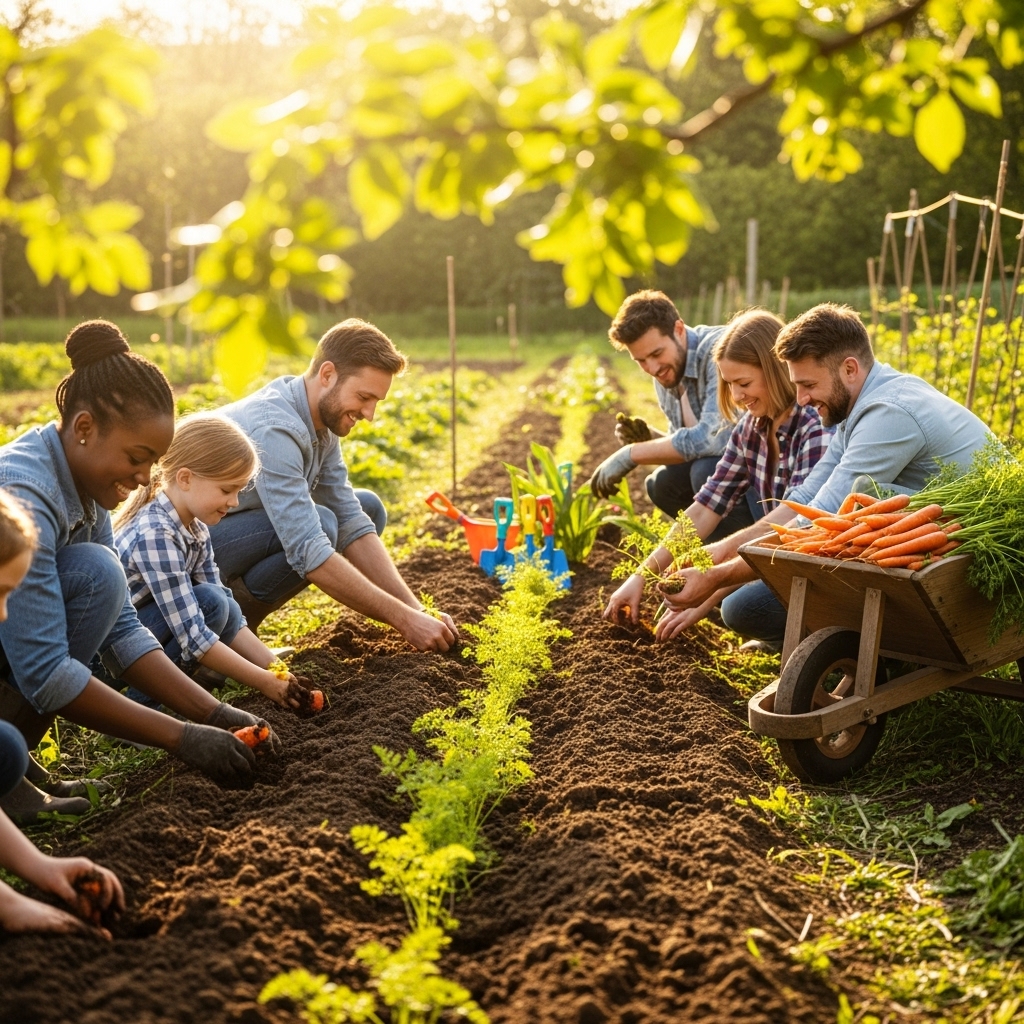
Initially, the seeds germinate and sprouts emerge within 10 to 20 days, depending on soil temperature and moisture. I remember how exciting it was to see those tiny green tops break through the soil! As the carrots grow, they develop a taproot, which is the part we eat. During their growth phase, they require consistent watering and adequate sunlight. In my experience, carrots thrive best when they’re spaced properly and given enough room to develop their roots without competing for nutrients.
Factors Affecting Carrot Growth
Several factors can influence the growth of carrots, and understanding these can help ensure a successful harvest. Temperature is one of the most critical elements; carrots prefer cool temperatures, ideally between 60°F and 70°F. When I first planted carrots, I made the mistake of trying to grow them during the hottest part of summer, which led to tough, bitter roots.
Soil quality is another vital factor. Carrots grow best in loose, well-drained soil that allows their roots to expand. Sandy loam is often recommended because it provides the right texture and drainage. I’ve learned to avoid heavy clay soils, as they can cause misshapen roots. Additionally, the pH level of the soil matters; carrots thrive in a slightly acidic to neutral pH range of 6.0 to 7.0. Regular soil testing has become a part of my gardening routine to ensure my carrots have the best growing conditions. Read Interesting article: How to Plant Carrots for a Perfect Harvest
Optimal Planting Seasons for Carrots
Spring Planting
Spring is the most popular time for planting carrots, especially in regions with cold winters. I look forward to early spring as a time to get my garden going again. Planting should generally occur about two weeks before the last expected frost date in your area. This gives the seeds a chance to germinate in cooler soil before the heat of summer arrives.
When I start planting in spring, I like to prepare the soil by tilling and raking it to ensure it’s loose and free from large clumps. I usually plant carrot seeds about 1/4 to 1/2 inch deep. I find that sowing them in straight rows makes it easier to thin them out as they begin to sprout. In my case, I often cover the seeds with a light layer of mulch to help retain moisture and suppress weeds.
Fall Planting
Fall planting is another excellent option for growing carrots, especially in milder climates. I’ve discovered that sowing seeds in late summer or early fall can yield a delicious crop that’s ready to harvest before the first hard frost. The cooler temperatures during this time help keep the roots sweet and tender. Typically, I aim to plant carrots about 10 to 12 weeks before the first expected frost, which usually means late August to early September for my garden.
Fall planting requires a bit of extra care, as seeds need protection from harsh weather. I often use row covers to shield them from cold winds and frost. This method has worked wonders for me, extending the growing season while allowing the carrots to develop their flavor without being stunted by cold temperatures.
Climate Considerations
Understanding your local climate is essential when deciding when to plant carrots. I live in a region with distinct seasons, which has shaped my planting schedule over the years. In warmer climates, I find that carrots can be planted year-round. However, in areas with cold winters, timing becomes more critical. I’ve learned that carrots grown during the cool months develop better flavor and texture than those planted in high heat.
For those of us in the northern regions, it’s crucial to plant early enough in spring for the carrots to mature before the heat of summer sets in. Conversely, in southern areas, I’ve found that planting in the fall can lead to a bountiful harvest in winter or early spring. Keeping a close eye on local weather patterns helps me plan my planting times effectively.
Regional Differences in Planting Times
Planting times for carrots can vary significantly based on your geographical location. I’ve connected with fellow gardeners from different parts of the country, and their experiences have opened my eyes to how local climates influence planting schedules. For example, in the Pacific Northwest, gardeners usually plant carrots as early as March, while those in the southern states can begin as early as February.
In the Midwest, where winters can be harsh, planting typically begins in late April to early May. I remember discussing with a friend from California who grows carrots year-round, taking advantage of their mild winters. It’s fascinating how our gardening practices have adapted to our local climates, and I always encourage new gardeners to connect with local gardening groups to learn about the best planting times for their area.
Soil Preparation and Conditions
Ideal Soil Types for Carrots
When it comes to growing carrots, I’ve realized that the right soil type can make or break your harvest. Carrots thrive in loose, well-draining soil that allows their taproots to develop without obstruction. I’ve found that sandy loam is often the best choice, as it offers both good drainage and enough organic matter to provide nutrients. If you have heavy clay soil, it can be a challenge, as it tends to compact and hinder root growth. I remember when I first started gardening, I tried planting carrots in clay soil, and the results were discouraging. The roots came out misshapen and stunted. Since then, I’ve focused on improving my soil texture by incorporating organic matter like compost or well-rotted manure, which has made a huge difference.
Soil pH and Nutrient Levels
The pH level of the soil is just as important as its texture. Carrots prefer a slightly acidic to neutral range, typically between 6.0 and 7.0. I’ve learned this through trial and error; too acidic or too alkaline soil can lead to poor growth and flavor. Testing the soil pH has become a regular part of my gardening routine. You can purchase a simple soil test kit or take a sample to a local extension service for analysis. If I find the pH is too low, I add lime to raise it, or if it’s too high, I incorporate sulfur to bring it down. By paying attention to nutrient levels, I ensure my carrots have the best chance to thrive.
Preparing the Soil for Planting
Before planting, I always spend some time preparing the soil. First, I clear the area of any weeds or debris. I’ve found that weeds can compete for nutrients and water, so this step is crucial. Next, I till the soil to a depth of at least 12 inches. This loosens the soil, allowing carrot roots to grow deeper and more freely. After tilling, I like to level the soil and break up any large clumps to create a fine seedbed. I also mix in compost or well-rotted manure at this stage, which enriches the soil with nutrients and improves moisture retention. In my experience, the more effort I put into soil preparation, the better my carrot harvest will be.
Carrot Varieties and Their Planting Times
Short-Season Carrot Varieties
If you’re looking to grow carrots but have a shorter growing season, I recommend trying short-season varieties. These types mature in about 55 to 65 days, making them perfect for areas with a shorter spring or fall window. One of my favorites is the ‘Nantes’ variety, known for its sweet flavor and cylindrical shape. When I plant these, I typically start them in early spring and can often get two harvests in a single growing season. It’s incredibly satisfying to see the quick turnaround!
Mid-Season Carrot Varieties
Mid-season varieties are another great option if you have a bit more time for your carrots to grow. These typically take about 70 to 80 days to mature. I’ve had great success with the ‘Imperator’ type, which produces long, smooth carrots that are excellent for snacking and juicing. I usually plant these in early spring for a summer harvest or in late summer for a fall crop. The versatility of these varieties has always impressed me, and they tend to do well in a range of soil types.
Long-Season Carrot Varieties
For those with longer growing seasons, long-season carrot varieties are worth considering. These can take anywhere from 80 to 90 days to mature, but the wait is often worth it. I’ve grown the ‘Danvers’ variety, which is known for its rich flavor and robust growth. I typically plant these in early spring and let them grow into summer, where they develop their full sweetness. The patience required for these varieties has taught me a lot about gardening; sometimes, the best things in life are worth the wait!
Planting Techniques and Tips
Seed Spacing and Depth
When it comes to planting carrots, I’ve learned that proper seed spacing and depth are crucial for a successful crop. I usually plant seeds about 1/4 to 1/2 inch deep, and I space them around 2 to 4 inches apart. This gives them enough room to grow without overcrowding, which can lead to stunted growth. I tend to sow them in rows, making it easier to thin them out later. I remember the first time I didn’t thin my carrots; it was a lesson in crowd control! The carrots ended up being small and twisted. Now, I make it a point to thin them out once they reach a couple of inches tall, which allows the remaining carrots to flourish.
Using Row Covers for Protection
Row covers have become my best friend when it comes to protecting my carrot seedlings. I often use lightweight fabric to shield them from pests and harsh weather conditions. I learned this after facing issues with carrot flies and other pests that love to munch on tender seedlings. Using row covers not only protects them but also provides a mini greenhouse effect, which helps with germination. I typically place the covers right after sowing the seeds and remove them once the seedlings are established.
Watering and Irrigation Practices
Watering is another key aspect of growing healthy carrots. I’ve found that they require consistent moisture, especially during germination. I usually water them lightly but frequently, ensuring the soil remains moist but not soggy. Too much water can lead to rot, while too little can cause the roots to become woody. I often use a soaker hose or drip irrigation system, which allows for efficient watering without disturbing the soil. Checking the moisture level regularly has helped me avoid both extremes and keep my carrots growing strong.
Signs of Healthy Carrot Growth
Identifying Healthy Seedlings
As my carrot seeds begin to sprout, I find it really exciting to see those first true leaves appear. Healthy carrot seedlings are typically bright green, sturdy, and well-spaced. When I first started out, I used to worry about whether my seedlings were doing well. Now, I know that if they are growing with a healthy color and are about 1 to 2 inches tall, they are on the right track. I often check for any signs of wilting or yellowing, which can indicate issues like overwatering or nutrient deficiencies.
One thing I’ve learned is that carrot seedlings should be thinned out to ensure they have enough room to grow. I remember my early days of gardening when I neglected to thin them properly. The crowded seedlings ended up competing for nutrients, leading to smaller, less delicious carrots. Now, I make it a point to thin them to about 2 to 4 inches apart once they reach a couple of inches in height. This not only promotes healthy growth but also makes it easier to spot any unhealthy seedlings that need to be removed.
Common Growth Issues and Solutions
Despite my best efforts, I’ve encountered a few challenges while growing carrots. One common problem is the presence of pests like the carrot fly. I noticed this issue when I saw some of my plants looking wilted and stunted. After some research, I discovered that these pests lay their eggs in the soil, and the larvae feed on the roots. To combat this, I now use row covers more consistently and rotate my crops each year. This practice has worked wonders in keeping those pesky flies at bay.
Another issue I’ve faced is the formation of split carrots. I learned that this can happen due to inconsistent watering, especially when there’s a sudden heavy rain after a dry spell. To prevent this, I make sure to keep my watering schedule consistent. I often check the moisture level in the soil and adjust my irrigation accordingly. If I notice signs of splitting, I try to harvest them early to avoid losing them altogether.
Lastly, I’ve dealt with the challenge of poor flavor in my carrots. I used to think that all carrots tasted the same, but I quickly learned that flavor can be affected by various factors, including soil quality, watering practices, and even the time of year. Now, I pay close attention to the conditions my carrots are growing in, ensuring they have optimal sunlight, nutrients, and moisture. I’ve found that carrots harvested in cooler weather tend to be sweeter, which has made timing my plantings even more critical. Read Interesting article: Can You Plant Spinach With Carrots?
Harvesting Carrots for Maximum Yield
When to Harvest Carrots
Harvesting carrots is one of my favorite parts of the gardening process. I get so excited to see the fruits of my labor! I’ve learned to look for certain signs that indicate when it’s the right time to pull them from the ground. Generally, I wait until the tops of the carrots are about 1 inch in diameter. This usually happens anywhere from 55 to 90 days after planting, depending on the variety.
One tip I’ve found helpful is to gently brush away some soil to check the size of the carrots without pulling them. If they’re looking good, I’ll wait a bit longer, but if they’re lagging behind, I’ll go ahead and harvest. Timing is important, as leaving them in the ground too long can lead to woody roots or splitting. I also try to harvest in the morning or after a rain, when the soil is moist. This makes it easier to pull the carrots out without damaging them.
Best Practices for Harvesting
When it comes to harvesting carrots, I always take my time to avoid damaging the roots. I usually grab the top greens and gently pull straight up, wiggling them a bit if they’re stubborn. I’ve learned the hard way that pulling too hard can snap the roots, leaving part of the carrot in the ground. If they’re stuck, I find it helpful to use a garden fork to loosen the soil around the roots before trying again.
After pulling them up, I like to trim off the greens to about an inch above the crown. I’ve found that this helps prevent the carrots from losing moisture and keeps them fresh longer. I also make sure to wash off any soil before storing them, as this helps reduce the risk of mold during storage.
Post-Harvest Handling and Storage
Once I’ve harvested my carrots, the next step is storing them properly to maintain their freshness. I typically keep them in a cool, dark place. An unheated basemínkat or a root cellar works great if you have one. I’ve also used plastic bags with a few holes for ventilation to keep them crisp in the fridge. Over the years, I’ve learned not to store them near apples or other fruits, as the ethylene gas produced can make them bitter.
For longer storage, I sometimes choose to blanch and freeze some of my carrots. This has become a favorite way to preserve my harvest for winter meals. I simply blanch them briefly in boiling water, cool them in ice water, and then freeze them in airtight containers. This way, I can enjoy the taste of fresh carrots even when they’re out of season.
Frequently Asked Questions
What is the best time to plant carrots for optimal harvest?
The best time to plant carrots is in early spring or late summer to early fall, depending on your local climate.
How long does it take for carrots to grow from planting to harvest?
The entire process typically takes about 70 to 80 days from planting to harvest, depending on the variety of carrots.
What soil type is best for growing carrots?
Carrots thrive in loose, well-drained soil, with sandy loam being the most recommended type as it provides good texture and drainage.
What is the ideal temperature range for growing carrots?
Carrots prefer cool temperatures, ideally between 60°F and 70°F, for optimal growth.
How deep should carrot seeds be planted?
Carrot seeds should be planted about 1/4 to 1/2 inch deep.
What are some common issues that can affect carrot growth?
Common issues include pests like the carrot fly, inconsistent watering leading to split carrots, and poor flavor due to suboptimal soil conditions.
When is the best time to harvest carrots?
Carrots are generally ready to be harvested when the tops are about 1 inch in diameter, which usually occurs 55 to 90 days after planting, depending on the variety.
How should carrots be stored after harvesting?
Carrots should be stored in a cool, dark place, such as an unheated basemínkat or root cellar. They can also be kept in the fridge in plastic bags with ventilation holes.
What should be done to prepare the soil before planting carrots?
Before planting, clear the area of weeds, till the soil to a depth of at least 12 inches, and mix in compost or well-rotted manure to enrich the soil.
What is a recommended method for protecting carrot seedlings?
Using row covers can protect carrot seedlings from pests and harsh weather, providing a mini greenhouse effect that helps with germination.