
The best time to plant corn is typically between late April and early June, depending on your local climate and the last frost date. I’ve learned that timing is crucial for a successful corn harvest, and getting it right can make all the difference.
Understanding Corn Planting Seasons
Planting corn is an exciting part of the gardening year, especially for those of us who love the taste of fresh corn on the cob. However, knowing when to plant can be a bit tricky, as it varies by location. Let’s dig into the different corn planting seasons, so we can better understand what works best for our gardens. Read Interesting article: How to Plant Watermelon for Big Sweet Fruit
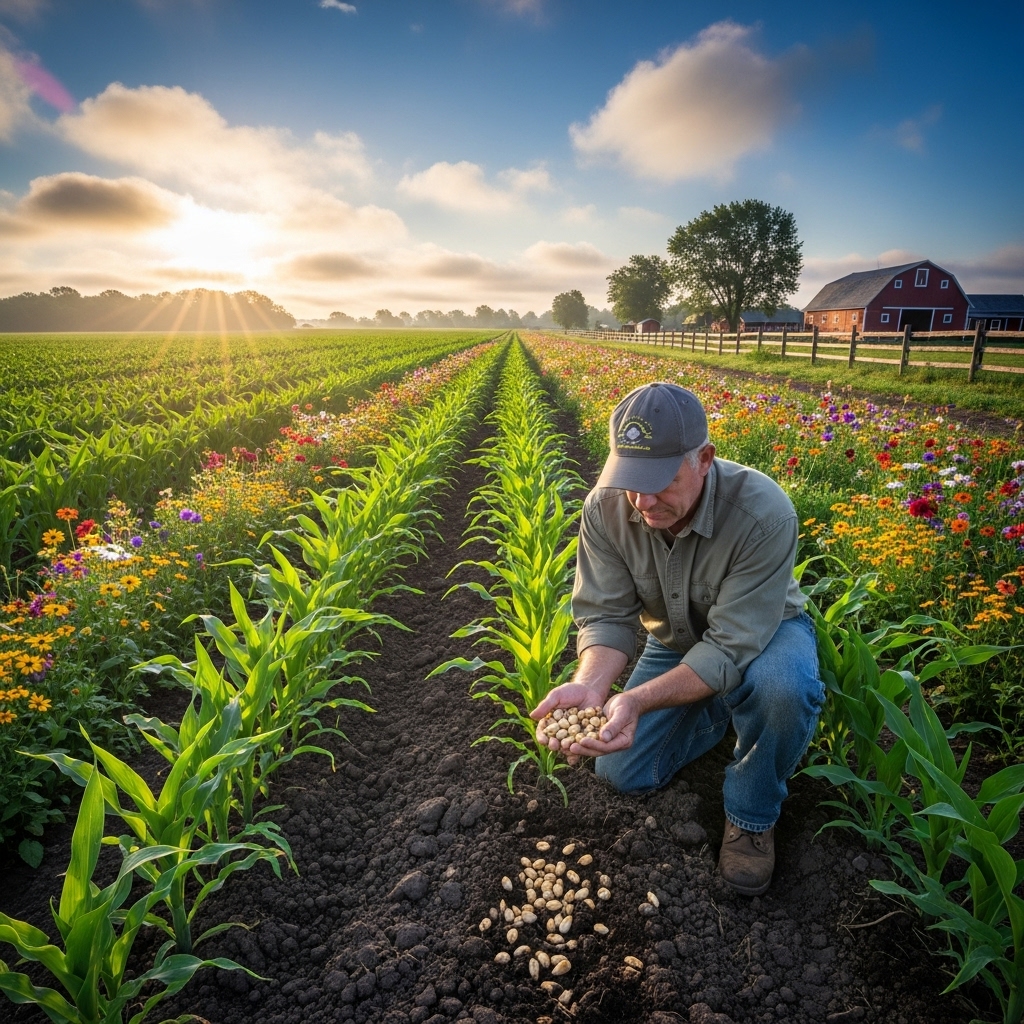
Climate Zones and Their Impact on Planting
One of the first things to consider is the climate zone you live in. For me, understanding the climate was a game-changer. The U.S. Department of Agriculture (USDA) has divided the country into several climate zones based on average temperature and frost dates. Knowing your zone can help you determine the best planting times. For instance, if you live in a warmer zone, you may be able to plant corn earlier than someone in a cooler zone. I’ve seen it firsthand in my own garden; when I planted corn too early, the seedlings struggled against late frosts.
In warmer areas, like the southern states, corn can typically be planted as early as March. In contrast, in the northern regions, I’ve found that waiting until late April or early May is often necessary. I remember the first year I tried planting too early. The cold snap that followed wiped out half my seedlings, teaching me the importance of respecting local climate conditions.
Frost Dates and Growing Season Length
Understanding your local frost dates is crucial in determining the best time for planting corn. Frost can be lethal for young corn plants, and different areas have different frost dates. I always check the last frost date for my area before deciding to plant. You can find this information through local agricultural extensions or gardening websites.
The growing season length is also important. Corn typically requires about 60 to 100 frost-free days to reach maturity, depending on the variety. I learned this the hard way when I planted a late-maturing variety without considering my region’s growing season. If you’re in a northern climate, it might be wise to choose an early-maturing corn variety to ensure you can harvest before the first frost of fall hits. Read Interesting article: How to Plant Pumpkin Seeds for Best Results
Best Times to Plant Corn
Once you’ve understood your climate zone and frost dates, the next step is figuring out the best times to plant corn. I’ve found that there are two main planting windows: spring and fall. Each has its pros and cons, depending on your gardening goals.
Spring Planting: Timing and Conditions
Spring is by far the most common time to plant corn, and for good reason. The soil begins to warm up, and the risk of frost decreases, making it a safe time to sow seeds. I usually aim to plant when the soil temperature reaches at least 50°F (10°C), which is ideal for good germination. I remember one year, I was so eager to plant corn that I jumped the gun and planted a week too early, resulting in poor germination rates. Since then, I’ve made it a point to check the soil temperature using a simple thermometer.
In my experience, the best practices include waiting until the soil has warmed consistently, often around late April to early June. It’s also critical to consider rainfall patterns. If it’s been particularly rainy, I sometimes hold off a few days to avoid planting in overly saturated soil, which can lead to poor seedling development. Watching the weather forecasts has become an essential part of my planting process.
Fall Planting: When and Why
While spring planting is the norm, fall planting can be a viable option in some areas, especially for certain types of corn like sweet corn or overwintering varieties. I’ve tried this in my garden with mixed results. The advantage of fall planting is that you can get a jump on the season, potentially harvesting earlier. However, the risks are higher; the soil needs to be warm enough to allow for germination, and you must be mindful of frost risks.
In my case, I found that fall planting worked best when I used varieties that are shorter in maturity time. However, it requires careful planning and a good understanding of your local climate and frost dates. I’ve also learned that soil preparation is critical when planting in the fall, as the ground can be less forgiving than in spring.
Factors Influencing Corn Planting Timing
Beyond climate zones and seasonal timings, several other factors influence when to plant corn. Each of these can significantly impact your harvest results, and I’ve experienced firsthand how important they are to consider.
Soil Temperature Requirements
Soil temperature is one of the most critical factors when it comes to planting corn. I’ve always made it a point to check the soil temperature before planting. Corn seeds germinate best when the soil is consistently around 60°F (15°C) or higher. I remember one season when I planted too early and the soil temperature was still cool; my seeds took longer to germinate, delaying my entire harvest.
Using a soil thermometer has become a standard part of my gardening routine. I often check the temperature in multiple spots in my garden to get an accurate reading. If you’re unsure, I recommend waiting a few extra days until the soil warms up; it’s worth it for a healthy crop.
Moisture Levels and Rainfall Patterns
Moisture levels are another crucial factor to consider. Corn needs adequate moisture to germinate and grow. I’ve had seasons where I planted corn, only to have a dry spell immediately afterward. This led to my plants struggling to establish themselves. I’ve learned to pay close attention to rainfall patterns and the moisture content of my soil.
Before planting, I often dig a small hole to check how moist the soil is below the surface. If it feels dry, I might consider waiting for rain or watering the soil lightly before planting. It’s all about finding that balance to ensure your corn has the best start possible.
Variety of Corn and Maturity Rates
The type of corn you choose to plant can also influence when you should plant it. There are many varieties, each with different maturity rates. I’ve experimented with sweet corn, field corn, and even popcorn, and each has its unique growing requirements. Early-maturing varieties can often be planted earlier in the season, while late-maturing ones require a longer growing season.
When selecting corn varieties, I recommend checking the seed packet for maturity information. I’ve found that knowing the time to harvest can help me plan my planting schedule more effectively. In my experience, sticking to varieties well-suited to my climate and growing season leads to the best harvest results. Read Interesting article: When to Plant Daffodil Bulbs for Spring Blooms
Preparing for Planting
Preparing for planting corn is just as important as knowing when to plant. I’ve learned that taking the time to set the stage for my corn can lead to much better results at harvest time. Let’s explore some essential techniques for getting the soil ready and choosing the right corn variety.
Soil Preparation Techniques
When it comes to soil preparation, I always start with a soil test. This helps me understand the nutrient levels in my soil and what amendments I might need. I remember when I first started gardening, I skipped this step, thinking my soil looked fine. However, my corn plants struggled, so I realized that knowing the pH and nutrient levels was critical. Most corn thrives in slightly acidic to neutral soil, ideally between pH 6.0 and 7.0.
After testing, I often add organic matter, like compost or well-rotted manure. This not only improves the soil structure but also provides essential nutrients. I’ve found that mixing in organic matter about a month before planting gives it time to break down and enrich the soil. This year, I decided to try a green manure cover crop during the off-season, and the results were fantastic. The soil felt richer and more alive when I finally tilled it for corn planting.
Another technique I swear by is tilling the soil. I typically do this a few weeks before planting to aerate the ground and break up any clumps. I’ve learned that proper tilling helps with drainage, which is crucial for corn, as it doesn’t like soggy roots. I also make sure to remove any weeds or debris that could compete with my corn seedlings. Nothing is worse than watching those little plants struggle against a weed invasion!
Choosing the Right Corn Variety
Choosing the right corn variety can truly make or break your corn-growing experience. I’ve dabbled with several types over the years, and I’ve found that understanding their differences is key. Sweet corn is a favorite for summer barbecues, while field corn is great for livestock feed or making cornmeal.
One year, I was so focused on growing sweet corn that I didn’t consider the length of my growing season. I picked a late-maturing variety that wasn’t ready by the time the fall frost hit. Now, I make sure to select varieties that match my climate and growing conditions. I’ve learned that early-maturing varieties are perfect for northern regions, especially if you have a shorter growing season. They typically mature within 60 to 80 days, which gives me a better chance of harvesting before the frost.
I also like to experiment with heirloom varieties. They often have unique flavors and can add diversity to my garden. However, I make sure to read the seed packets and check for specific growing conditions. Some heirloom varieties may require more attention or specific care, which I’m more than happy to provide for that delicious taste!
Signs That It’s Time to Plant Corn
Knowing when it’s finally time to plant corn can be a bit of an art. I’ve developed a few reliable indicators that help me make the call, and I’d love to share them with you.
Soil Temperature Indicators
As I mentioned before, soil temperature is crucial for corn germination. I usually wait until I consistently see soil temperatures around 60°F (15°C) or above. A simple way I check this is by digging a small hole in the garden and using a soil thermometer. If the temperature is still on the cooler side, I hold off a bit longer. I’ve learned that rushing this step leads to slow germination, which can throw off my entire planting schedule.
Another sign I look for is the temperature of the air. When I start to notice warmer days and the nighttime temperatures consistently stay above 50°F (10°C), it’s a good indication that the soil is warming up as well. I often look for a week of warm weather forecasts before making my final planting decision.
Weather Forecast Considerations
Weather forecasts play a significant role in my planting decisions. I remember one year when I planted just before a cold front swept through, and it devastated my young corn. Now, I always keep a close eye on the weather leading up to my planting day. If I see that a cold snap is expected, I’ll delay planting even if the soil temperature is right.
I also pay attention to rainfall predictions. If the forecast looks dry, I may water the soil lightly before planting to ensure there’s enough moisture for germination. On the flip side, if heavy rain is on the horizon, I tend to wait until the soil dries out a bit to avoid planting in waterlogged conditions.
Overall, I’ve found that being patient and observant pays off. Taking the time to ensure the conditions are just right has made my corn-growing journey much more rewarding, and I can’t wait to see how my next planting season unfolds!
Frequently Asked Questions
What is the best time to plant corn?
The best time to plant corn is typically between late April and early June, depending on your local climate and the last frost date.
How do climate zones affect corn planting?
Climate zones impact planting times as warmer areas can plant corn earlier, while cooler regions may need to wait until late April or early May.
Why are frost dates important for planting corn?
Frost dates are crucial because frost can be lethal for young corn plants. Knowing your area’s last frost date helps determine the best planting time.
What soil temperature is ideal for planting corn?
Corn seeds germinate best when the soil temperature is consistently around 60°F (15°C) or higher.
What factors influence the timing of corn planting?
Factors that influence corn planting timing include climate zones, soil temperature, moisture levels, rainfall patterns, and the variety of corn being planted.
What are the advantages of spring planting corn?
Spring planting is advantageous because the soil begins to warm up, and the risk of frost decreases, making it a safe time to sow seeds.
Can corn be planted in the fall?
Yes, corn can be planted in the fall, especially for certain types like sweet corn or overwintering varieties, but it requires careful planning due to frost risks.
What should I do to prepare the soil before planting corn?
Soil preparation techniques include conducting a soil test, adding organic matter like compost, tilling the soil, and removing weeds or debris.
How does the variety of corn affect planting times?
The type of corn affects planting times because different varieties have different maturity rates; early-maturing varieties can be planted earlier than late-maturing ones.
What signs indicate it’s time to plant corn?
Signs that it’s time to plant corn include consistently warm soil temperatures around 60°F (15°C) and air temperatures staying above 50°F (10°C), along with favorable weather forecasts.