
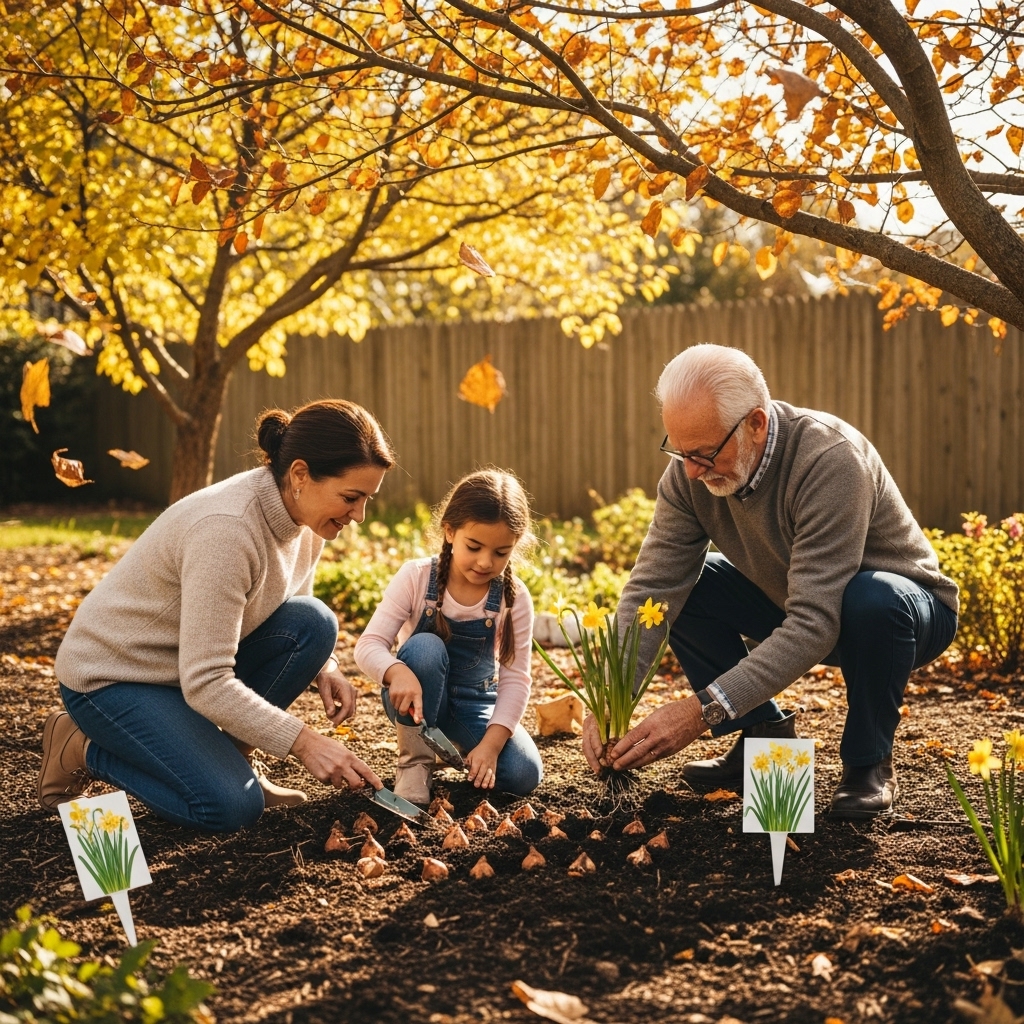
The best time to plant daffodil bulbs for spring blooms is in the fall, ideally between September and November, before the ground freezes. This timing ensures that the bulbs establish roots while the soil is still warm.
Table of Contents
Understanding Daffodil Bulbs
What are Daffodil Bulbs?
Daffodil bulbs are the underground storage organs of the daffodil plant, which is part of the Amaryllidaceae family. These bulbs are essentially a bundle of carbohydrates that the plant uses to grow and flower. When I first started gardening, I found it fascinating how these little bulbs could produce such vibrant flowers. It’s like a secret waiting to be revealed each spring! When you plant daffodil bulbs, you are planting the potential for beautiful blooms that brighten up any garden or landscape.
Types of Daffodils
There are many types of daffodils, each with its unique charm and characteristics. I remember being overwhelmed when I first explored the varieties. Here are some common types:
- Trumpet Daffodils: These have a long central trumpet surrounded by a ring of petal-like tepals. They are classic and often the first to bloom in spring.
- Large-Cupped Daffodils: These feature a prominent cup that is more than one-third the length of the petals. I love how the flowers look like they are reaching out!
- Double Daffodils: Known for their lush, full blooms, these daffodils look like small bouquets in a single flower.
- Miniature Daffodils: Perfect for smaller spaces or containers, these are smaller in size but still pack a colorful punch.
Each variety has its bloom time and characteristics, so exploring them can be a delightful journey for any gardening enthusiast.
Benefits of Planting Daffodils
Planting daffodils comes with a host of benefits, and I can personally attest to why they are a favorite among gardeners. First off, they are incredibly hardy and can withstand a range of conditions. I’ve seen them bloom beautifully even after a late frost. They also require minimal maintenance, making them perfect for busy gardeners or those new to planting.
Another fantastic benefit is their ability to naturalize. Once planted, daffodils can multiply year after year, providing a perennial burst of color. I remember planting a few bulbs in my garden, and each spring, I was delighted to see them coming back stronger and more abundant than the last. Plus, daffodils are deer-resistant, thanks to their toxic properties, which means they are less likely to be eaten by pesky critters.
When to Plant Daffodil Bulbs
Ideal Planting Time for Daffodils
As I mentioned earlier, the ideal time for planting daffodil bulbs is in the fall, specifically between September and November. I learned through experience that planting them too early can lead to premature sprouting, while waiting too long can risk the ground freezing. The goal is to get them in the ground when the soil temperature is still warm enough for the roots to establish, but before the first frost hits. I usually check local frost dates to determine when to plant, which has helped me synchronize my gardening activities with nature’s schedule.
Factors Influencing Planting Time
Several factors can influence the best time to plant daffodil bulbs, and understanding these has improved my gardening success. Here are some of the key influences:
Climate Considerations
Your local climate plays a significant role in determining when to plant. For instance, if you live in a warmer region, you might be able to plant a bit earlier in September. On the other hand, if you’re in a colder climate, you might need to wait until late October. I’ve found that getting to know my local weather patterns has made a huge difference in my planting schedule.
Soil Temperature
Soil temperature is another critical factor. Ideally, the soil temperature should be around 60°F (15°C) when planting. I often use a simple soil thermometer to get an accurate reading. If the soil feels cool yet workable, it’s usually a sign that it’s the right time to plant. I’ve noticed that planting when the soil is too cold can delay rooting, which affects the blooms come spring. For detailed guidance on this, check out How Deep to Plant Daffodil Bulbs: A Gardener’s Guide.
Frost Dates
Lastly, keep an eye on your area’s first frost dates. I’ve learned that if the bulbs are in the ground by the time frost hits, they will settle in nicely. Typically, a good rule of thumb is to aim for planting about six weeks before your expected first frost. By planning ahead and considering these factors, I’ve been able to ensure a beautiful spring display of daffodils each year.
How to Plant Daffodil Bulbs
Choosing the Right Location
Choosing the right spot for planting daffodil bulbs is crucial for their success, and I’ve learned that not every corner of the garden is perfect. Daffodils thrive in a sunny location where they can soak up at least six hours of sunlight each day. I remember when I first started gardening, I planted some in a partially shaded area, thinking they would be fine. Those bulbs barely bloomed! Now, I always look for a bright spot in my garden or landscape.
Good drainage is another vital factor. Daffodils don’t like sitting in water, which can cause the bulbs to rot. I often choose areas with well-drained soil or even create raised beds if necessary. If you’re unsure about your soil drainage, you can do a simple test: dig a hole, fill it with water, and see how quickly it drains. If it’s still soggy after a few hours, you might want to reconsider that spot for your daffodils.
Preparing the Soil
Once I’ve settled on a location, the next step is preparing the soil. I like to start by loosening it up with a garden fork or tiller. This helps aerate the soil and allows the bulbs to establish roots more easily. I often mix in organic matter, like compost or well-rotted manure, to enrich the soil. It’s amazing how a little bit of organic material can boost the nutrient levels and improve soil structure.
Before planting, I also check the pH of the soil. Daffodils prefer slightly acidic to neutral soil, ideally between 6.0 and 7.0. If the pH is too high or too low, I’ve found that simple amendments can help adjust it, like adding lime for acidity or sulfur for alkalinity. Preparing the soil properly has been one of the best things I’ve done for my daffodils, leading to healthier plants and more vibrant blooms.
Planting Depth and Spacing
When it comes to planting depth, I’ve learned that daffodil bulbs should be planted about 6 to 8 inches deep. I usually do this by digging a hole or trench and placing the bulb pointed side up (the tip of the bulb should face the sky!). Covering them with soil and gently patting it down helps ensure good contact with the ground. I find that planting too shallow can leave the bulbs exposed to frost, while planting too deep can make it harder for them to break through the surface come spring. For more on this, see How Deep to Plant Daffodil Bulbs: A Gardener’s Guide.
Spacing is just as important. I typically plant my daffodils about 4 to 6 inches apart. This gives them room to grow and prevents overcrowding, which can lead to smaller blooms. I often like to create clusters of bulbs in groups of three to five for a more natural look in the garden. This not only looks beautiful but also enhances the overall impact when they bloom in the spring.
Watering and Care After Planting
After planting my daffodil bulbs, I make sure to water them thoroughly. While I usually rely on rainfall during the fall, I keep an eye on the moisture levels, especially if it’s been a dry season. The soil should be moist but not waterlogged. I remember the first year I planted them, I neglected to check moisture levels, and some bulbs didn’t make it. Now, I know that a good watering helps them settle in and start the rooting process.
Once the bulbs are planted, I like to mark the area so I remember where I’ve planted them. This way, I’m careful not to disturb them while doing other gardening tasks. I typically add a layer of mulch over the planting area, which helps retain moisture and suppress weeds. Plus, it provides a bit of insulation during colder months. I’ve found that a simple layer of shredded leaves or straw works wonders!
As the weeks go by, I try to keep the area free of debris and weeds. Daffodils don’t need much in terms of care, but I always feel a sense of satisfaction when I check on them and see those little green shoots pushing through the soil. Watching them grow has become a joyful part of my gardening routine.
Spring Blooms: What to Expect
Flowering Timeline
When spring finally arrives, it’s like unwrapping a gift. Daffodils typically bloom from late March to early May, depending on the variety and local climate. I remember the thrill of seeing the first blooms break through the soil after a long winter. It’s such a rewarding moment after all the care I’ve put into planting them. I usually note that the earlier varieties blossom first, followed by the mid-season and late-blooming types.
Common Daffodil Varieties and Their Bloom Times
Some of my favorite varieties include ‘King Alfred,’ which is a classic trumpet daffodil that blooms early, and ‘Ice Follies,’ known for its beautiful white petals and yellow cups that bloom a bit later. I’ve also tried ‘Tete-a-Tete,’ a delightful miniature variety that adds charm to my garden. I’ve learned that keeping a mix of varieties can extend the blooming season, allowing for a continuous display of color.
Factors Affecting Blooming
Several factors can affect the blooming of daffodils, and I’ve become more aware of them over the years. Weather conditions play a significant role. A warm spell can encourage earlier blooms, while a sudden cold snap might delay them. Additionally, the health of the bulbs matters too. If they were planted properly, received adequate nutrients, and had good drainage, they will likely bloom beautifully. I’ve experienced firsthand how a little extra care can lead to a more vibrant display in the spring.
Post-Bloom Care for Daffodils
When to Cut Back Daffodil Foliage
After the daffodils have finished blooming, it might be tempting to cut back the foliage right away. I used to do this, thinking it would tidy up my garden. However, I learned that leaving the leaves intact for several weeks is essential. The foliage plays a crucial role in photosynthesis, allowing the bulbs to gather energy for next year’s growth. I usually wait until the leaves turn yellow and begin to wilt, which can take about six weeks after blooming. This way, I ensure my daffodils come back even stronger the following spring.
Fertilizing Daffodils
I find that fertilizing my daffodils after they bloom can significantly enhance their vitality. I typically use a balanced fertilizer or one specifically formulated for flowering bulbs. After the blooms fade, I apply a light layer of fertilizer to the soil around the plants. This helps replenish nutrients that may have been depleted during the blooming cycle. I’ve noticed that a little extra nourishment can lead to more vibrant flowers in the next blooming season. Just be careful not to over-fertilize, as this can cause more harm than good!
Storing Daffodil Bulbs
If you’re in a region where daffodil bulbs are not hardy year-round, you might need to dig them up after the foliage has died back. I remember the first time I did this; I was a bit apprehensive! However, I learned that it’s a straightforward process. Once the leaves have yellowed, gently lift the bulbs from the ground, taking care not to damage them. I let them dry for a day or two in a cool, shaded place. After they’ve dried, I store them in a paper bag or a mesh sack, keeping them in a cool, dark area until it’s time to plant them again in the fall. This method has worked wonders for me, ensuring that my bulbs remain healthy and ready for planting time.
Common Mistakes When Planting Daffodil Bulbs
Planting Too Late
One of the biggest mistakes I made when I was starting out was planting my daffodil bulbs too late in the season. I thought I had plenty of time, but I ended up missing the ideal window. If the ground freezes before the bulbs have a chance to establish roots, they won’t bloom come spring. I learned the hard way to keep track of the local frost dates and aim to plant well before that. Now, I set reminders in my calendar, so I’m always on top of my planting schedule!
Ignoring Soil Quality
Another mistake I’ve seen many beginners make, including myself, is overlooking the importance of soil quality. Healthy bulbs need good soil to thrive. I once planted some in compacted, clay-heavy soil, thinking it wouldn’t make much difference. To my surprise, they barely bloomed, and those that did were weak and unimpressive. Now, I always take the time to assess and improve my soil before planting. Adding organic matter not only helps with drainage but also enriches the soil, leading to healthy, thriving daffodils.
Overwatering or Underwatering
Watering can be tricky, and I’ve had my fair share of missteps. I used to either overwater or underwater my daffodils, thinking that more water meant better growth. However, I found that daffodils prefer well-drained soil. If the soil is too wet, the bulbs can rot, while underwatering can stress the plants. Now, I check the moisture levels regularly, especially during dry spells. I’ve learned to find that sweet spot where the soil is moist but not soggy, which has made a world of difference in the health of my plants.
Frequently Asked Questions (FAQs)
Can Daffodil Bulbs Be Planted in Pots?
Absolutely! I’ve planted daffodil bulbs in pots many times, and they thrive beautifully. Just make sure the pot has good drainage holes and use quality potting soil. I love using pots for daffodils because they add color to my porch or patio. Just remember to water them appropriately and place them in a sunny spot.
What to Do If Daffodils Don’t Bloom?
If your daffodils don’t bloom, it can be disheartening. I’ve experienced this too! Usually, it’s due to improper planting depth, insufficient sunlight, or nutrient-deficient soil. Checking these factors can help troubleshoot the issue. If the bulbs are healthy but haven’t bloomed, I usually give them another chance the following year, ensuring they have all the right conditions.
Are Daffodils Deer-Resistant?
Yes, daffodils are known for being deer-resistant! Their toxic properties deter deer and other animals from munching on them. I’ve planted daffodils specifically for this reason, especially since I have a lot of wildlife in my area. It’s reassuring to know that my garden can bloom without the constant worry of deer nibbling away at my flowers.
How Long Do Daffodil Bulbs Last?
Daffodil bulbs can last for several years if they’re cared for properly. I’ve had some of mine come back for over a decade! They multiply over time, so with the right conditions, you can have a beautiful display year after year. Just make sure to provide the right post-bloom care and maintain soil health to keep them happy.
Frequently Asked Questions
What is the best time to plant daffodil bulbs?
The best time to plant daffodil bulbs is in the fall, ideally between September and November, before the ground freezes.
What are daffodil bulbs?
Daffodil bulbs are the underground storage organs of the daffodil plant, which store carbohydrates that the plant uses to grow and flower.
What are some common types of daffodils?
Some common types of daffodils include Trumpet Daffodils, Large-Cupped Daffodils, Double Daffodils, and Miniature Daffodils, each with unique characteristics.
Why are daffodils popular among gardeners?
Daffodils are popular because they are hardy, require minimal maintenance, can naturalize, and are deer-resistant due to their toxic properties.
How deep should daffodil bulbs be planted?
Daffodil bulbs should be planted about 6 to 8 inches deep, with the pointed side facing up. For more information, see How Deep to Plant Daffodil Bulbs: A Gardener’s Guide.
How far apart should daffodil bulbs be spaced when planting?
Daffodil bulbs should be spaced about 4 to 6 inches apart to allow for growth and prevent overcrowding.
What should be done after planting daffodil bulbs?
After planting, it’s important to water the bulbs thoroughly, mark the area, and add a layer of mulch to retain moisture and suppress weeds.
When do daffodils typically bloom?
Daffodils typically bloom from late March to early May, depending on the variety and local climate.
How should daffodil foliage be cared for after blooming?
After blooming, the foliage should be left intact for several weeks to allow for photosynthesis, until the leaves turn yellow and begin to wilt.
Can daffodil bulbs be planted in pots?
Yes, daffodil bulbs can be planted in pots as long as the pots have good drainage holes and quality potting soil.