
The best time to plant dahlia bulbs for big blooms is in the spring, after the last frost date in your area, typically between late April and early June. I’ve found that timing is crucial for achieving those vibrant, lush flowers we all love. For more insights, check out When to Plant Dahlia Tubers for Best Blooms.
Understanding Dahlia Bulbs
What Are Dahlia Bulbs?
Dahlia bulbs, often referred to as tubers, are the underground storage organs of the dahlia plant. They serve as a reservoir for nutrients and energy, allowing the plant to grow and produce those magnificent blooms. Unlike traditional bulbs like tulips or daffodils, dahlias are more akin to tubers, resembling potatoes in appearance. Each tuber contains one or more “eyes,” which are the growth points that will sprout into stems and leaves.
Types of Dahlia Bulbs
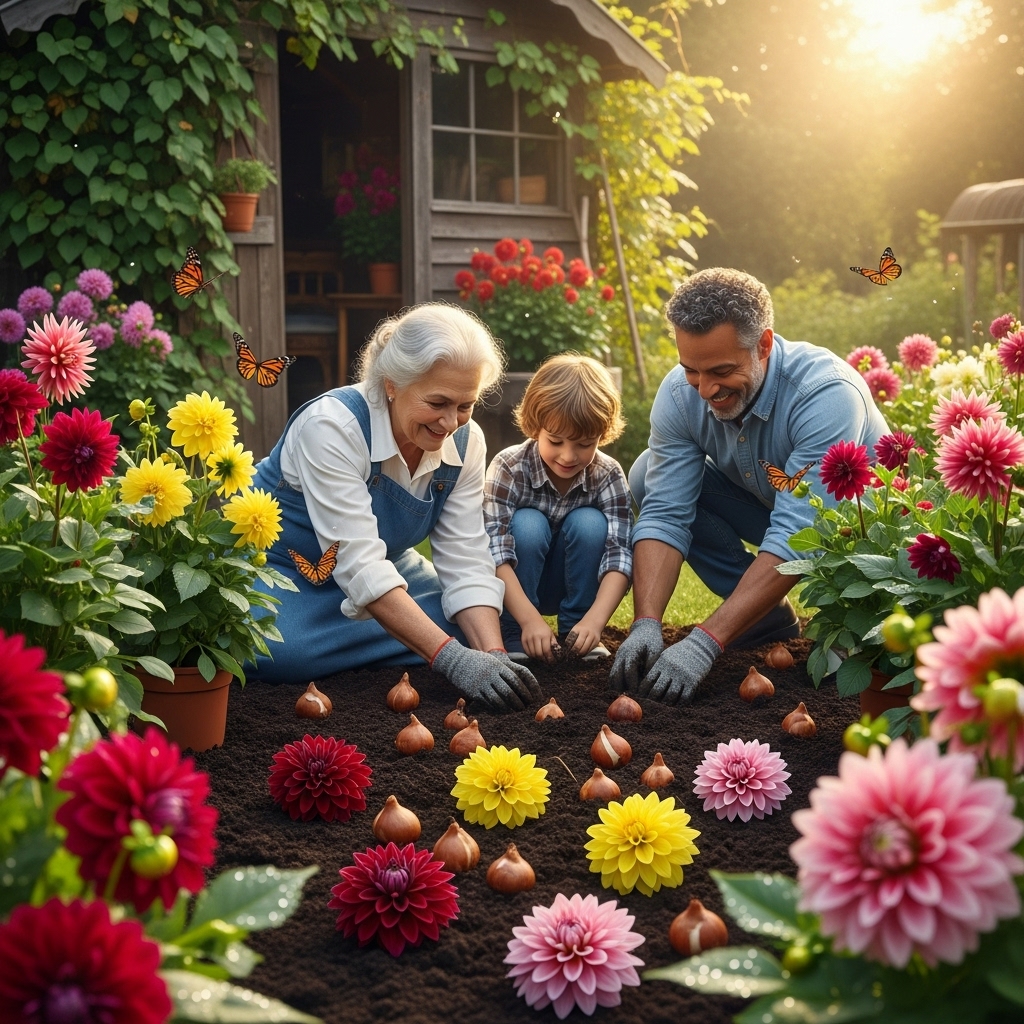
When it comes to dahlias, variety is the spice of life! There are numerous types, each offering a unique color, shape, and size. Some of the most popular categories include:
- Decorative Dahlias: Broad, flat petals create large, showy blooms.
- Cactus Dahlias: Petals are pointed and tubular, giving them a spiky appearance.
- Ball Dahlias: Round, compact flowers that are perfect for arrangements.
- Pompon Dahlias: Small, round, and densely packed blooms.
- Ornamental Dahlias: These are often grown for their striking foliage in addition to their blooms.
I remember the first time I planted a mix of these types in my garden; the variety made for such a stunning display, and I loved how each flower had its own personality.
Benefits of Planting Dahlias
Planting dahlias comes with a multitude of benefits. First and foremost, they are incredibly beautiful and can add vibrant colors to any garden. Their blooms can range from soft pastels to bright, bold hues, making them incredibly versatile in landscaping. Beyond aesthetics, dahlias are also relatively easy to grow, provided you give them the right conditions. They can thrive in a variety of climates and, once established, can produce flowers from mid-summer all the way to frost, which means you can enjoy their beauty for months on end. I find that they attract pollinators like bees and butterflies, which adds life to the garden and helps the ecosystem.
Optimal Planting Time for Dahlias
When to Plant Dahlia Bulbs in Different Climates
Timing your dahlia planting can vary depending on where you live. In warmer climates, such as USDA hardiness zones 8-10, you might find that you can start planting as early as late March. Conversely, in cooler zones (like 3-7), you might want to wait until mid to late April or even early May. I live in a zone where late frost can sneak up on us, so I often keep an eye on local weather reports to choose the safest time to plant. A good rule of thumb is to wait until the soil temperature reaches at least 60°F; this usually aligns with the last frost date in your area.
Understanding Frost Dates and Their Impact
Understanding frost dates is crucial for anyone looking to grow dahlias. Frost can be detrimental to young plants, and if you plant too early, you risk losing all your hard work. You can typically find frost dates for your area through local gardening centers or agricultural extensions. When I first started gardening, I made the mistake of planting too early; it was a heartbreaking experience when a late frost wiped out my dahlias. Now, I make it a point to mark my calendar for the expected last frost date each year.
Factors Influencing Planting Time
Besides frost dates, several other factors can influence the best time to plant your dahlias. Soil temperature is one of the most significant; if the soil is too cold, the tubers can rot instead of sprouting. Additionally, I’ve found that moisture levels in the soil can impact your planting time. If the ground is too wet from spring rains, it may be wise to wait a bit longer for it to dry out. Lastly, local weather patterns can vary greatly from year to year, so it’s always best to listen to your garden—you can tell when conditions are just right for planting.
Preparing for Planting
Choosing the Right Location
Finding the perfect spot for your dahlias is one of the first steps in ensuring they thrive. I’ve learned that dahlias love sunshine, so I always aim for a location that gets at least six to eight hours of direct sunlight each day. I remember scouting my garden for the best spots and getting excited about the possibilities. An area that receives morning sun and some afternoon shade can be ideal, especially in hotter climates. This helps prevent the blooms from wilting in the midday heat.
Additionally, good air circulation is essential. I often avoid planting dahlias in crowded or shaded areas, as this can lead to diseases. Choosing a well-draining site is also crucial; dahlias are sensitive to soggy roots, and I’ve seen firsthand how waterlogged soil can quickly turn beautiful tubers into mushy disappointments. If you have a spot that meets these criteria, you’re already on your way to a beautiful display.
Soil Requirements for Dahlias
Let’s talk about soil. I’ve come to realize that the right soil can make a world of difference for dahlias. They prefer well-draining, nutrient-rich soil, ideally with a pH level between 6.0 and 7.0. I usually mix in compost or well-rotted manure to enrich the soil before planting. This not only provides essential nutrients but also improves drainage, which is something I always keep in mind. When I started adding organic matter to my garden beds, I noticed a significant difference in the growth and health of my dahlias.
If your soil is heavy clay or sandy, consider raised beds or adding soil amendments to improve its structure. I remember the time I experimented with different soil blends and was amazed by how much better my dahlias flourished in a loamy mix. Testing your soil beforehand can give you a clear picture of what it needs, and local gardening centers often offer testing kits. It’s a small step that yields great results!
Pre-Planting Care for Dahlia Bulbs
Before planting, I always inspect my dahlia tubers for any signs of damage or rot. Healthy tubers should be firm with a few healthy “eyes.” If I find any that are soft or mushy, I typically discard them to avoid problems later. Once I’ve selected the best tubers, I sometimes let them sit out for a day or two to dry, especially if they’ve been stored in a damp environment. This simple practice helps minimize the risk of rot once they’re in the ground.
Another thing I do is soak the tubers in water for a few hours before planting. I find that this helps revive them and gives them a little boost as they start their journey in my garden. It’s like a refreshing drink for them! After soaking, I let them dry off a bit before planting. This pre-planting care ensures my dahlias are ready to take off the moment they’re in the soil.
Planting Techniques for Big Blooms
How to Plant Dahlia Bulbs Correctly
When it comes to planting dahlias, I’ve learned that the method can significantly affect their growth. I usually start by digging a hole that’s about 6 to 8 inches deep for each tuber. This depth can vary slightly depending on the size of the tuber, but I find this range works well for most. I place the tuber in the hole with the “eyes” facing up, then cover it gently with soil. It’s crucial not to pack the soil too tightly; I like to leave it a bit loose to encourage healthy root development.
After planting, I give the area a gentle watering to settle the soil around the tuber. It’s amazing how a little bit of water can help! I always make sure not to overwater at this stage since the tubers can be susceptible to rot if they sit in soggy soil. From my experience, waiting until you see signs of growth—usually a few weeks later—is a good sign that everything is going well.
Spacing and Depth Considerations
Spacing is another vital consideration. I typically plant my dahlias about 18 to 24 inches apart, depending on the variety. This allows enough room for each plant to grow and spread without competing for resources. I’ve made the mistake of crowding them in before, thinking it would create a fuller display, but I quickly learned that it led to fewer blooms and more disease issues. Giving them space has always resulted in healthier plants and more vibrant flowers.
Paying attention to the depth is important as well. Too shallow, and the tubers might not establish properly; too deep, and they may struggle to break through the soil. Keeping that 6 to 8 inches depth in mind has always served me well, and I encourage others to stick to this guideline for the best results.
Watering and Fertilizing After Planting
After planting, I make sure to keep the soil consistently moist but not waterlogged. Once the shoots emerge, I often switch to a deeper watering schedule to encourage strong root growth. I find that watering early in the morning is best, as it allows the plants to soak up the moisture before the heat of the day. Fertilizing is another piece of the puzzle. I usually start with a balanced fertilizer a few weeks after planting, then switch to a phosphorus-rich fertilizer to promote blooming as the plants grow. This approach has worked wonders for me, and my dahlias have always responded positively.
Care Tips for Healthy Dahlia Growth
Sunlight and Temperature Needs
When it comes to dahlias, I’ve realized that sunlight is essential for their growth. These beauties thrive in full sun, which means they need at least six to eight hours of direct sunlight each day. I often find myself observing how my plants respond to sunlight; they stretch and reach for those rays. In my experience, they seem to bloom more profusely when they get plenty of sun.
Temperature also plays a crucial role. Dahlias prefer temperatures ranging from 60°F to 70°F. If it gets too hot, especially over 85°F, I’ve noticed that their blooms can suffer. In such cases, providing some afternoon shade can work wonders. I’ve used garden fabric to create a bit of shelter during the hottest parts of the day, and it has helped maintain their vigor. Keeping an eye on temperature fluctuations can be a game-changer, especially during the extreme weather we often experience.
Pest and Disease Management
Like any gardener, I’ve had my fair share of pest issues with dahlias. Aphids, spider mites, and slugs have been the culprits in my garden. I’ve found that regular inspections can help catch these pests early. I often take a few minutes to check the undersides of leaves or the stems, looking for any signs of trouble. When I spot aphids, a strong jet of water usually does the trick to dislodge them. I also sometimes use insecticidal soap as a precaution if I notice an uptick in pests.
Dahlias can also be susceptible to diseases like powdery mildew and tuber rot. To keep my plants healthy, I make sure there’s good air circulation by spacing them appropriately and avoiding overcrowding. I’ve learned that watering them at the base rather than overhead can minimize humidity around the leaves, reducing the chance of powdery mildew. If I ever see any diseased foliage, I promptly remove it to prevent spreading. Taking these small steps has helped me maintain a healthy garden and enjoy my dahlias to the fullest.
Staking and Supporting Tall Varieties
Some dahlia varieties can grow quite tall, and I learned the hard way that staking is essential for their stability. I remember my first year growing taller dahlias; a strong wind knocked them over, and it was heart-wrenching to see my blooms damaged. Now, I always use stakes or cages for my taller varieties as a preventive measure. I typically stake them as soon as I plant them, driving the stakes into the ground next to the tubers and tying the stems with soft twine as they grow.
This support not only keeps my dahlias upright but also enhances their overall appearance. I’ve also discovered that using stakes helps avoid issues with rot because the plants stay off the ground, allowing air to circulate better around the stems. It’s a simple practice that makes a big difference, and it gives me peace of mind knowing my dahlias are well-supported.
Maximizing Dahlia Blooms
Best Practices for Encouraging Blooming
If you’re like me, you want your dahlias to bloom as much as possible. After planting, I focus on providing the right nutrients and care to encourage those stunning blooms. One key practice is to ensure I’m using a fertilizer that’s high in phosphorus once my dahlias start to grow. This helps promote blooming and can make all the difference. I typically feed them every four to six weeks, following the instructions on the fertilizer package.
Another tip I’ve discovered is to keep the plants well-watered, especially during the dry spells. I usually water deeply but infrequently, encouraging the roots to grow deeper into the soil. Consistent moisture, paired with those essential nutrients, creates the perfect environment for my dahlias to shine. I’ve noticed that regular attention to their needs results in a more robust display of flowers in my garden.
When to Deadhead Dahlias
Deadheading is another practice I find essential for maximizing blooms. I make it a point to deadhead my dahlias regularly, which involves pinching off spent flowers. This encourages the plant to produce more blooms instead of going to seed. I usually check my plants every few days during the blooming season. It’s a quick task that brings me joy; seeing those fresh blooms emerge is incredibly rewarding.
To deadhead, I simply take a pair of garden snips and cut the stem just above the next set of leaves. This practice not only helps with bloom production but also keeps my plants looking tidy and healthy. I’ve found that my dahlias respond beautifully to deadheading, and I always look forward to the new blossoms that follow.
Seasonal Maintenance for Continuous Blooms
As the season progresses, I keep an eye on my dahlias to ensure they continue to thrive. I’ve learned that consistent maintenance is key to enjoying their beauty throughout the summer and into the fall. In late summer, I often take the time to trim back any leggy growth or brown leaves. This not only helps the plants look their best but also encourages new growth and blooming.
Additionally, I pay attention to any signs of stress, such as wilting or discolored leaves, and address them promptly. If I notice any issues, I adjust my watering or check for pests. I’ve come to appreciate how attentive care leads to a flourishing garden. Each season brings its own challenges, but with the right practices, I can enjoy the beauty of my dahlias from early summer until the first frost.
Frequently Asked Questions
What is the best time to plant dahlia bulbs?
The best time to plant dahlia bulbs is in the spring, after the last frost date in your area, typically between late April and early June.
What are dahlia bulbs and how do they differ from traditional bulbs?
Dahlia bulbs, often referred to as tubers, are the underground storage organs of the dahlia plant. Unlike traditional bulbs like tulips or daffodils, dahlias resemble tubers, similar to potatoes, and contain growth points called “eyes” that sprout into stems and leaves.
What types of dahlia bulbs are there?
There are several types of dahlia bulbs, including Decorative Dahlias, Cactus Dahlias, Ball Dahlias, Pompon Dahlias, and Ornamental Dahlias, each offering unique colors, shapes, and sizes.
What factors influence the optimal planting time for dahlias?
Factors that influence the optimal planting time for dahlias include frost dates, soil temperature, soil moisture levels, and local weather patterns.
How should I prepare the soil for planting dahlias?
Dahlias prefer well-draining, nutrient-rich soil with a pH level between 6.0 and 7.0. Mixing in compost or well-rotted manure can enrich the soil and improve drainage. For more information on soil preparation, you can refer to How Deep Do You Plant Tulip Bulbs? – Right Location, Bloom, Care.
What are the recommended planting techniques for dahlias?
When planting dahlias, dig a hole about 6 to 8 inches deep for each tuber, place the tuber with the “eyes” facing up, cover it gently with loose soil, and water the area lightly to settle the soil.
How often should I water dahlias after planting?
After planting, keep the soil consistently moist but not waterlogged. Once the shoots emerge, switch to a deeper watering schedule to encourage strong root growth.
What are some common pest and disease management practices for dahlias?
Regular inspections for pests like aphids and spider mites, using strong jets of water to dislodge them, and ensuring good air circulation by spacing plants appropriately can help manage pests and diseases like powdery mildew and tuber rot.
What is the purpose of deadheading dahlias?
Deadheading involves pinching off spent flowers, which encourages the plant to produce more blooms instead of going to seed, helping to maximize blooming throughout the season.
How can I support tall dahlia varieties?
Staking or using cages for taller dahlia varieties is essential for their stability. Stakes should be placed next to the tubers at the time of planting and tied with soft twine as the plants grow.
Read Interesting article: List of Annual, Perennial, Biennial Plants (Table)