
The best time to plant dahlia tubers for optimal blooms is in the spring after the last frost, typically between late April and early June, depending on your climate. I’ve found that waiting for warmer soil temperatures leads to more vigorous growth and stunning flowers. To learn more about the planting process, check out How to Plant Dahlia Tubers for Big Blooms.
Understanding Dahlia Tubers
What Are Dahlia Tubers?
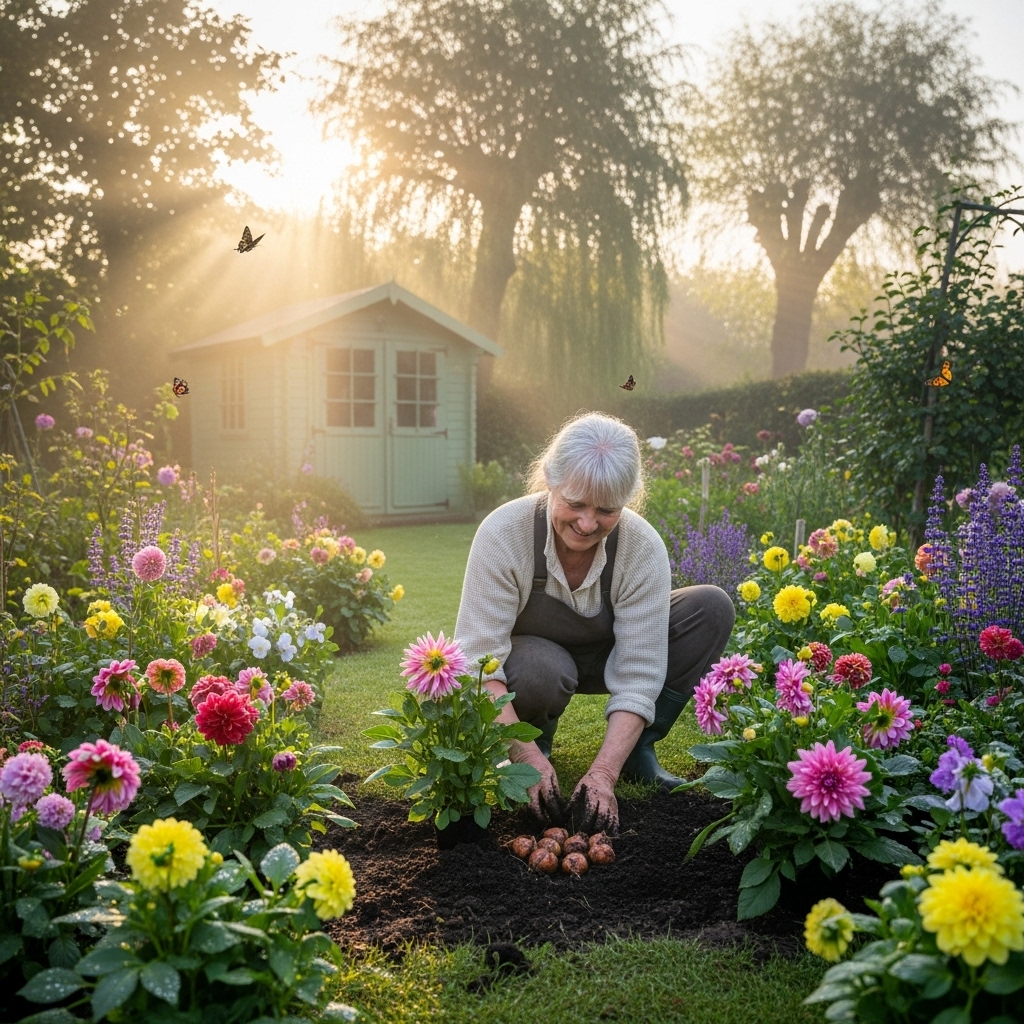
Dahlia tubers are the underground storage organs of the dahlia plant, which belong to the Asteraceae family. These tubers are essentially swollen roots that store the nutrients the plant needs to grow and bloom beautifully. Unlike seeds, which need time to germinate, tubers can be planted directly into the ground, allowing for a quicker and more reliable start to your dahlia garden. I remember the first time I planted dahlias; I was amazed at how these humble tubers transformed into vibrant flowers that lit up my garden.
Benefits of Growing Dahlias
Growing dahlias comes with an array of benefits that make them a favorite among many gardeners, including myself. Firstly, they offer a stunning variety of colors, sizes, and shapes, which can cater to any personal taste or gardening style. From the classic dinner plate dahlias to the petite pom-pom varieties, there’s something for everyone. Additionally, dahlias are known to bloom from mid-summer to the first frost, providing a long-lasting display of beauty. I’ve enjoyed watching my dahlias thrive, becoming the centerpiece of my garden and attracting butterflies and bees. For more information on the symbolism and meaning of dahlias, visit Dahlia Flower – Meaning, Symbolism, Colors & What Special About It.
Moreover, dahlias are relatively easy to care for, making them suitable for both novice and experienced gardeners. With the right conditions and a bit of attention, they can flourish and produce magnificent blooms. Personally, I find the joy of cutting fresh dahlias for my home is one of the many rewards of planting these tubers.
Types of Dahlia Tubers
When considering which dahlias to grow, it’s important to understand the different types of tubers available. Dahlias are classified into several categories based on their flower shape and size. For example, you have the popular **A-type dahlias**, which feature large, showy blooms that can reach up to 12 inches across. These are often the ones I see at flower shows, dazzling everyone with their size and colors.
Then there are the **B-type dahlias**, slightly smaller but equally captivating, and offer a range of styles, from cactus to decorative blooms. There are also **pompon dahlias**, known for their round, compact flowers, and **dinner plate dahlias**, which, as the name suggests, are as large as dinner plates! Each type has its own unique charm, and choosing the right one can depend on your garden’s layout and personal preferences. In my experience, mixing different types creates a dynamic and visually appealing garden.
Optimal Planting Times for Dahlia Tubers
Climate Considerations
One of the most critical factors in determining when to plant dahlia tubers is your local climate. Dahlias thrive in warm temperatures and dislike frost. Therefore, it’s paramount to plant them after the last frost date in your region. I’ve learned that checking the average last frost date can guide your planting schedule. In warmer climates, it might be safe to plant as early as late March, while in cooler regions, waiting until mid to late May could be necessary.
Soil temperature is another crucial consideration. Dahlia tubers prefer soil temperatures of at least 60°F (16°C) for optimal growth. I’ve often used a soil thermometer to ensure the ground is warm enough before planting. This simple tool has helped prevent the disappointment of planting too early, which can lead to poor growth or tuber rot.
When to Plant in Different USDA Zones
Understanding your USDA plant hardiness zone can help you determine the best planting time for dahlias. For instance, in USDA Zones 3 and 4, where winters are harsh, I’ve found that waiting until late May is best. In Zones 5 and 6, planting can start around mid-April. For those of us in Zones 7 through 10, we can usually plant as early as late March, which gives us a longer growing season to enjoy these stunning flowers. Each zone has its own unique climate patterns, so being aware of your zone can significantly improve your dahlia-growing experience.
Signs of Spring: Knowing When to Plant
While frost dates and soil temperature are essential, I’ve learned to look for natural signs of spring as additional indicators of when to plant. Watching for blooming trees, flowering bulbs, and even the return of certain birds can signal that it’s time to get those tubers in the ground. I remember the excitement of seeing my crocuses bloom; it felt like a green light to start my gardening. Another reliable sign is the appearance of new leaves on perennial plants in your garden. These indicators have often guided me to plant my dahlias at just the right time, ensuring a vibrant display all summer long.
Preparing to Plant Dahlia Tubers
Choosing the Right Location
Choosing the right location for your dahlias can make all the difference in how they grow and bloom. I’ve learned that dahlias thrive in spots that receive full sun, ideally about six to eight hours of direct sunlight each day. In my garden, I have a sunny patch that simply radiates warmth, and it has become a perfect home for my dahlias. I remember when I tried planting them in a partially shaded area; the results were disappointing. The flowers were sparse and lackluster compared to the vibrant blooms I got with full sun exposure.
It’s also important to consider the drainage of the area. Dahlias prefer well-drained soil because they can be prone to tuber rot if left sitting in water. I often check for areas that tend to stay dry after rain, as this has helped me avoid potential issues. Additionally, try to choose a location that offers some protection from strong winds, as dahlias can be top-heavy and susceptible to damage. A garden fence or taller plants can create a windbreak, giving your dahlias a safe environment to flourish.
Soil Preparation for Dahlias
Soil preparation is another crucial step I never overlook when planting dahlias. These flowers thrive in rich, loamy soil with good drainage. I like to start by testing my soil’s pH, aiming for a slightly acidic to neutral range (around 6.0 to 7.0). If you’re unsure about your soil quality, you can get a simple testing kit from a garden center to help you out.
In my experience, mixing in compost or well-rotted manure before planting has done wonders for my dahlias. It enhances soil fertility and improves drainage. I usually work this organic matter into the top 12 inches of soil. This step not only provides nutrients but also creates a healthy environment for the tubers to establish roots. I’ve even added a layer of mulch to help retain moisture and keep the soil temperature stable, which has made a noticeable difference in the growth of my dahlias.
How to Store Dahlia Tubers Before Planting
Before planting, proper storage of dahlia tubers is essential for ensuring their health and vigor. I remember the first time I bought tubers; I was so excited that I rushed to plant them without considering how to store them properly. The result? A couple of sad, rotting tubers. Now, I make sure to store them in a cool, dark place until it’s time to plant.
The ideal temperature for storing dahlia tubers is around 40°F to 50°F (4°C to 10°C). I usually keep mine in a cardboard box with some peat moss or shredded paper to absorb excess moisture. This way, they remain dry and protected from sprouting too early. I’ve found that checking my stored tubers occasionally helps ensure they remain firm and healthy. If I spot any soft or shriveled tubers, I discard them promptly to prevent issues later.
Planting Dahlia Tubers
How to Plant Dahlia Tubers
When it’s finally time to plant my dahlias, I get really excited. The process is straightforward, and I always feel a sense of accomplishment once they’re in the ground. I start by digging a hole that’s about 6 to 8 inches deep. The size of the hole can vary depending on the tuber size, but I always aim for enough depth to accommodate their roots comfortably.
Next, I place the tuber in the hole with the “eye” facing up—this is the part where the new growth will emerge. I like to spread the roots out a bit to give them the best chance to establish themselves. After placing the tuber in the hole, I gently cover it with soil, being careful not to compact it too much. I find that loose soil allows for better air circulation and root development. Once planted, I give them a good watering to help settle the soil around the tuber.
Spacing and Depth Guidelines
Spacing is another factor that I’ve learned can significantly influence the growth of my dahlias. I usually plant them about 18 to 24 inches apart, depending on the variety. This distance allows for air circulation and prevents competition for nutrients. For taller varieties, I’ve found that giving them a bit more room helps prevent them from toppling over as they grow.
As for depth, I adhere to the guideline of 6 to 8 inches deep for most tubers. However, if I’m planting smaller varieties, I may plant them a bit shallower, around 4 to 6 inches. I’ve noticed that this slight adjustment can help avoid issues with rot, especially if the soil is heavy or retains too much moisture.
Watering After Planting
After planting, I always pay close attention to watering. It’s crucial to keep the soil moist but not soggy. I typically water the newly planted tubers thoroughly, making sure the soil is damp but well-drained. In the following weeks, I adjust my watering based on the weather. If it’s been particularly dry, I ensure they get a drink every few days. I’ve learned that over-watering can be just as detrimental as under-watering, so I try to strike a balance.
Once I see the first sprouts emerge, I reduce the frequency of watering. These new plants should be strong enough to handle some variations in moisture. Watching my dahlias grow after careful planting and watering is one of my favorite parts of gardening. Each new sprout fills me with excitement for the blooms to come!
Caring for Dahlias Post-Planting
Watering Schedule
Once my dahlias are in the ground, I find that establishing a good watering schedule is key to their success. Right after planting, I give them a thorough soak to ensure the soil is sufficiently moist. But, I’ve learned that the care doesn’t stop there. Over the next few weeks, I check the moisture levels regularly. If the top inch of soil feels dry, it’s time to water again.
As the dahlias start to grow and become established, I adjust my watering frequency based on the weather and the soil condition. I usually find that watering once a week is sufficient, but during hot spells, I might increase it to every few days. I’ve also noticed that watering early in the morning or late in the afternoon helps to minimize evaporation, ensuring the plants soak up as much water as possible.
Fertilizing Dahlias for Optimal Growth
Fertilizing is another aspect of care that I prioritize for my dahlias. They are heavy feeders, meaning they thrive on nutrients. I usually start by applying a balanced fertilizer about four weeks after planting. I’ve learned that a ratio like 10-10-10 or something similar provides a good mix of nutrients. I typically sprinkle the granules around the base of the plants and then water them in lightly.
As the plants grow, I switch to a fertilizer higher in phosphorus, like a 5-10-5 blend. This shift helps boost flower production. I’ve noticed that applying fertilizer every four to six weeks throughout the growing season leads to healthier, more vibrant blooms. It’s incredibly satisfying to see the difference that a bit of nutrient boost can make in my dahlias!
Common Pests and Diseases
Like any garden plant, my dahlias are not immune to pests and diseases. Over the years, I’ve encountered a few common issues that every dahlia gardener should be aware of. One of the most frequent pests I come across are aphids. These tiny insects are usually found on the new growth and can cause damage if not controlled. I’ve found that a strong blast of water can help dislodge them, and if that doesn’t work, I sometimes turn to neem oil as a natural pesticide.
Another pest to watch for is the dahlia tuber weevil, which can be quite destructive. I’ve learned to inspect my plants regularly, especially if I notice any wilting or stunted growth. If I find any signs of this pest, I act quickly to remove affected plants and treat the area to prevent further infestations.
In terms of diseases, I’ve faced powdery mildew, especially in humid conditions. To combat this, I ensure my dahlias have good air circulation and avoid overhead watering, which can create a damp environment conducive to fungal growth. If I spot any signs of mildew, I apply a fungicide specifically designed for powdery mildew, and I make a note to improve the air flow next season.
Harvesting and Enjoying Dahlia Blooms
When to Expect Blooms
After all the care and attention I put into my dahlias, the moment I’ve been waiting for arrives when the blooms start to appear. Typically, I notice the first flowers about 8 to 10 weeks after planting. It’s such a joy to see those buds develop into full blooms. I remember the anticipation I felt during those weeks, watching for any signs of color as the plants grew taller.
The blooming period can vary depending on the variety and growing conditions, but generally, I find that dahlias provide an abundant display from mid-summer until the first frost. I’ve learned that with proper care, my dahlias can keep producing flowers throughout this period, making my garden a vibrant spectacle all season long.
How to Cut Dahlias for Bouquets
One of my favorite aspects of growing dahlias is being able to cut them for beautiful bouquets. When harvesting, I always wait until the blooms are fully open; this way, I can enjoy their colors and shapes to the fullest. I use sharp, clean garden shears to make a diagonal cut about 6 inches from the base of the stem. This angle helps the stems absorb water better and prolongs the life of my flowers in the vase.
I’ve found that it’s best to cut dahlias in the early morning or late afternoon when temperatures are cooler. This timing helps them retain moisture and ensures they look their best. After cutting, I immediately place them in a bucket of water to prevent wilting. Once I have a good collection, I arrange them in a vase with fresh water and a bit of floral preservative to keep them hydrated and nourished.
Extending Bloom Time with Care Tips
To enjoy my dahlias for as long as possible, I’ve learned a few tricks to extend their bloom time. First, regular deadheading is essential. By removing spent blooms, I encourage the plants to keep producing new flowers instead of putting energy into seed production. I usually take a moment to stroll through my garden every few days, snipping off any faded blooms I see.
Another tip is to provide consistent care, including proper watering and fertilizing. Keeping my dahlias healthy and happy increases their chances of blooming continuously. I’ve also discovered that giving them some room to breathe by ensuring adequate spacing helps them thrive. Each of these practices contributes to a longer, more rewarding blooming period.
Frequently Asked Questions
When is the best time to plant dahlia tubers?
The best time to plant dahlia tubers for optimal blooms is in the spring after the last frost, typically between late April and early June, depending on your climate.
What are dahlia tubers?
Dahlia tubers are the underground storage organs of the dahlia plant that store nutrients needed for growth and blooming. They can be planted directly into the ground, allowing for quicker establishment compared to seeds.
What are the benefits of growing dahlias?
Growing dahlias offers a stunning variety of colors, sizes, and shapes, making them suitable for different gardening styles. They bloom from mid-summer to the first frost, are relatively easy to care for, and can attract butterflies and bees.
How do I choose the right location for planting dahlias?
Dahlias thrive in full sun, ideally receiving six to eight hours of direct sunlight each day, and prefer well-drained soil. It’s also important to choose a location that offers some protection from strong winds.
What is the ideal soil temperature for planting dahlia tubers?
Dahlia tubers prefer soil temperatures of at least 60°F (16°C) for optimal growth.
How should I store dahlia tubers before planting?
Dahlia tubers should be stored in a cool, dark place at an ideal temperature of around 40°F to 50°F (4°C to 10°C), preferably in a cardboard box with peat moss or shredded paper to absorb excess moisture.
What is the recommended depth for planting dahlia tubers?
Dahlia tubers should be planted about 6 to 8 inches deep, but smaller varieties can be planted a bit shallower, around 4 to 6 inches.
How often should I water my dahlias after planting?
After planting, dahlias should be watered thoroughly to keep the soil moist but not soggy. Typically, watering once a week is sufficient, but during dry spells, more frequent watering may be needed.
How can I extend the bloom time of my dahlias?
To extend the bloom time of dahlias, regular deadheading of spent blooms is essential, along with consistent care such as proper watering and fertilizing, and ensuring adequate spacing between plants.
When can I expect my dahlias to bloom?
Typically, the first flowers will appear about 8 to 10 weeks after planting, with an abundant display from mid-summer until the first frost.
Read Interesting article: Are Dahlias Annuals or Perennials? – Know Everything