
The best time to plant dahlias is in the spring, after the last frost date in your area. I’ve found that this timing ensures vibrant blooms throughout the summer and into the fall.
Table of Contents
Understanding Dahlias: A Brief Overview
What are Dahlias?
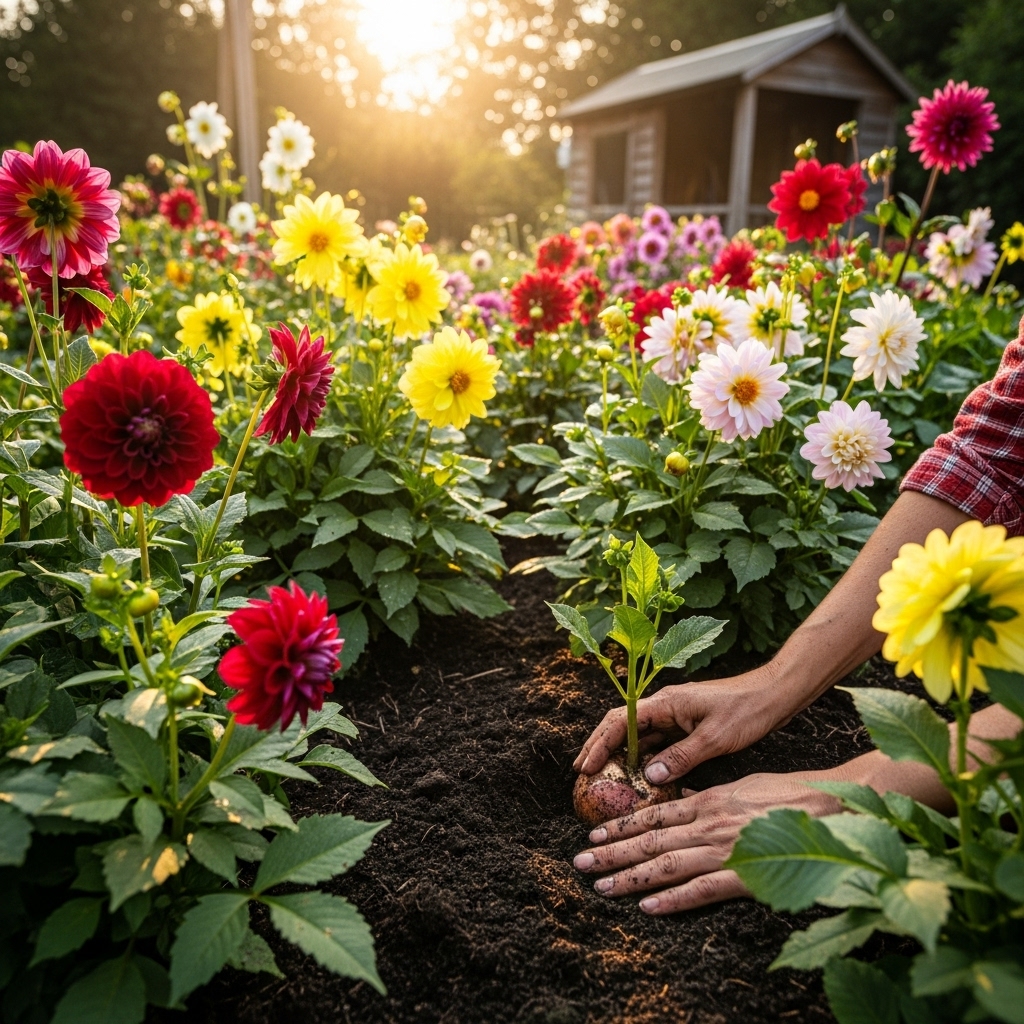
Dahlias are stunning, tuberous perennials that belong to the Asteraceae family. With their vibrant colors and unique shapes, they’ve become a favorite among gardeners and floral enthusiasts alike. Each bloom can vary widely in size, from small pom-poms to large, dinner plate varieties. I remember being captivated by the sheer variety of dahlias at a local garden show; it was hard to believe they all belonged to the same plant family! These flowers are not only beautiful but also quite versatile in their uses, whether for garden beds, borders, or even cut flower arrangements.
Types of Dahlias
There are several types of dahlias, each with its own distinct charm. Some of the most popular types include:
- Decorative Dahlias: These blooms are large and fully rounded, perfect for creating a bold statement in any garden.
- Cactus Dahlias: With their spiky, pointed petals, these dahlias add a unique texture and are incredibly eye-catching.
- Ball Dahlias: As the name suggests, these have a spherical shape and come in a variety of colors, making them a favorite among floral designers.
- Pompom Dahlias: These are smaller, round blooms that pack a punch with their dense petals and vibrant colors.
- Single Dahlias: Featuring a single row of petals, these have a more delicate and airy appearance that adds softness to garden arrangements.
I’ve tried growing several types in my garden, and each has its own personality. It’s fun to experiment with different kinds to see which ones thrive best in your specific conditions.
Benefits of Growing Dahlias
There are countless reasons to grow dahlias in your garden. For one, they bloom from mid-summer to the first frost, providing a long season of color. I love that they come in such a wide range of colors and sizes, which means I can create a diverse and visually appealing garden. They also attract pollinators like bees and butterflies, which is great for the overall health of my garden ecosystem.
Another benefit is their versatility; dahlias can thrive in various garden styles, from formal landscapes to cottage gardens. Plus, they make excellent cut flowers. I’ve had many friends and family members compliment my dahlia arrangements, and it’s always a joy to share those blooms with others. The satisfaction of growing a flower that brings happiness to my loved ones is truly rewarding.
Optimal Planting Time for Dahlias
Understanding Frost Dates
When planning to plant dahlias, understanding your local frost dates is crucial. Frost can damage young plants, so I always check my area’s last frost date before planting. Typically, for most regions, this date falls between late April and early June. I often mark my calendar with reminders to check the weather, as unexpected late frosts can happen.
To find your frost dates, I recommend using resources like the USDA Plant Hardiness Zone Map or local gardening extension websites. These resources can guide you on when to expect the last frost in your area, helping you feel more confident in your planting schedule. You may also want to check out How to Plant Dahlia Tubers for Big Blooms for more insights.
Ideal Soil Temperature
Soil temperature is just as important as frost dates when it comes to planting dahlias. I’ve learned that dahlias thrive best in soil temperatures between 60°F and 70°F. If the soil is too cold, the tubers can rot before they sprout, which has happened to me in the past. To ensure optimal soil temperature, I like to use a soil thermometer. This handy tool helps me gauge when it’s time to plant.
If you’re eager to plant early, consider using black plastic mulch. It warms the soil faster and can help create the right conditions for planting. I’ve found that this technique can give my dahlias a head start, allowing them to bloom earlier in the season.
When to Start Dahlias Indoors
If you live in a cooler climate or want to get a jump on the growing season, starting dahlias indoors can be a great option. I usually begin my tubers indoors about 4-6 weeks before the last expected frost. This way, when I transplant them outside, they’re already well on their way to growing into beautiful plants.
To start dahlias indoors, I fill seed trays with potting soil, plant the tubers about 1-2 inches deep, and keep them in a warm, sunny spot. I’ve found that a south-facing window works well, as it provides plenty of light. I also make sure to keep the soil moist but not soggy, as this can lead to rot.
When to Transplant Dahlias Outdoors
Once the threat of frost has passed and the soil temperature has warmed up, it’s time to transplant your dahlias outdoors. I usually wait until after the last frost date, and I make sure the soil is at least 60°F. This timing helps ensure that my dahlias have the best chance of thriving. I remember the excitement I felt the first time I moved my dahlias outside; it felt like the official start of summer!
When transplanting, I dig a hole that’s about 6 inches deep and wide enough to accommodate the tuber comfortably. I place the tuber in the hole, making sure the “eye” (the growing point) is facing up, and then cover it with soil. Watering them in well after planting is important, as it helps settle the soil and provides moisture to kickstart their growth.
Regional Considerations for Planting Dahlias
Planting Dahlias in Different USDA Hardiness Zones
When I first started my dahlia journey, I didn’t realize how much my specific location could affect the success of my plants. The USDA Hardiness Zone Map divides the United States into zones based on average annual minimum winter temperatures. This map is a great guide for determining which plants—including dahlias—will thrive in your area. I live in Zone 7, which means I have a longer growing season, allowing me to enjoy my dahlias well into the fall.
If you’re in a colder zone, like Zone 4 or 5, you might need to start your dahlias indoors to give them a head start. On the flip side, if you’re in a warmer zone, such as Zone 9 or 10, you can plant dahlias earlier in the spring and may even be able to enjoy blooms until late into the year. I often check my local gardening community to see what works best for others in my zone, which really helps in planning my planting schedule.
Climate Impact on Blooming Period
Climate plays a huge role in when your dahlias will bloom. In warmer climates, I’ve noticed that dahlias may start blooming as early as June, while in cooler areas, they often don’t bloom until July or August. I remember visiting a friend in a cooler region, and I was surprised to see her dahlias just starting to show color, while mine were already in full swing. It’s fascinating how climate can change the entire experience of gardening!
Additionally, in areas with high humidity, dahlias can sometimes struggle with diseases, while the dry climates may lead to quicker evaporation of moisture. I’ve learned to adapt my watering routines based on my local climate, ensuring my dahlias get the right amount of water without becoming soggy.
Local Weather Patterns and Their Influence
Local weather patterns can also impact your dahlia garden. In my area, we have some unpredictable weather, with sudden storms and occasional heatwaves. I’ve experienced the frustration of a sudden hail storm that damaged my blooms, which taught me the importance of monitoring the forecast closely. When I know a storm is coming, I try to cover my dahlias with burlap or another protective material. It’s a simple trick, but it can save your plants from unexpected weather-related damage.
Another thing I’ve noticed is that a prolonged dry spell can stress dahlias, leading to smaller blooms. To combat this, I always make sure to implement a consistent watering schedule during dry periods. Keeping an eye on the weather and adapting my care routine accordingly has made a big difference in my dahlia success.
Preparing to Plant Dahlias
Choosing the Right Location
Choosing the right location for my dahlias has been one of the most rewarding parts of gardening. I’ve found that they thrive in full sun, which means at least six to eight hours of sunlight each day. I remember when I was scouting my yard for the perfect spot; I noticed how the sunlight hit different areas throughout the day. Finding that sunny patch made a world of difference! It’s all about giving them the best chance to flourish.
Additionally, I try to avoid areas with strong winds or heavy shade. I’ve learned the hard way that too much wind can cause damage to the blooms and leaves, while shade can stunt their growth. A sheltered spot near a trellis or a fence can provide protection while allowing for plenty of sunlight.
Soil Preparation and Nutrient Requirements
Preparing the soil is another crucial step. I like to start by testing the soil pH, aiming for a slightly acidic to neutral range (around 6.0 to 7.0). I usually mix in compost or well-rotted manure to improve soil structure and provide essential nutrients. This is one of my favorite parts of gardening; seeing the rich, dark soil come together gives me hope for a bountiful season ahead.
In terms of nutrients, I’ve found that dahlias appreciate phosphorus for strong root development and potassium for vibrant blooms. I often use a balanced fertilizer when planting and then switch to a high-potassium fertilizer once they start blooming. This way, they get the right nutrients at the right time.
Planting Techniques and Spacing
When it comes time to plant, I make sure to space my dahlias properly. I typically plant them 18 to 24 inches apart, depending on the variety. This spacing allows for good air circulation, which helps prevent diseases. I learned this the hard way too! In my earlier gardening days, I planted them too close together, and they ended up competing for resources.
As I dig the holes for my tubers, I always remember to plant them with the “eye” facing up. I’ve seen the difference in growth when I get this right; it’s like they know which way is up! After placing them in the holes, I cover them lightly with soil and water them thoroughly. This simple act gives them the encouragement they need to start their journey in my garden.
Caring for Dahlias Post-Planting
Watering Guidelines
After planting my dahlias, one of the first things I focus on is watering them properly. I’ve learned that dahlias prefer consistent moisture, especially during their initial growth stages. I usually water them thoroughly right after planting to help settle the soil around the tubers. After that, I try to keep the soil moist but not soggy. I typically water them about once a week, adjusting based on rainfall and temperature. When the heat of summer hits, I might increase that to twice a week. I’ve found that watering in the early morning is the best practice, as it allows the plants to absorb moisture before the sun gets too hot, reducing evaporation.
To ensure I’m giving them the right amount of water, I often check the top inch of soil. If it feels dry, that’s my cue to water. I’ve also started using a soaker hose, which allows me to water deeply and evenly without soaking the leaves too much. This method has helped minimize the risk of fungal diseases, which dahlias can be susceptible to if they stay wet for too long.
Fertilization Tips for Healthy Blooms
Fertilizing dahlias has been a game changer for me in achieving those vibrant, lush blooms. After planting, I typically use a balanced fertilizer to give the plants a good start. I tend to apply it about once a month, following the package instructions for the right amount. Once my dahlias start to bloom, I switch to a fertilizer higher in potassium and phosphorus. This change has made a noticeable difference in the size and brilliance of the flowers. I remember one summer, I experimented with a bloom booster fertilizer, and my dahlias seemed to explode with color!
It’s also important to feed them throughout the growing season. I usually fertilize every four to six weeks, especially if I notice that the blooms aren’t as plentiful as I’d like. Keeping an eye on the growth and color of the plants helps me adjust my fertilization schedule. In my experience, healthy soil leads to healthy plants, so I always take the time to ensure my dahlias are well-fed.
Pest and Disease Management
As much as I love growing dahlias, pests and diseases can be a reality. I’ve had my share of battles with aphids and spider mites. To keep them at bay, I always start by making sure my plants are healthy, as strong plants are more resistant to pests. I’ve found that regular inspections are crucial. I check the leaves and stems for any signs of trouble, and I try to catch any infestations early.
If I notice aphids, I often spray the affected areas with a strong jet of water to dislodge them. In tougher cases, I’ve used insecticidal soap, which is effective and less harsh than many chemical pesticides. I also make sure to encourage beneficial insects, like ladybugs, in my garden. They love to munch on aphids, and having them around has helped keep the pest population under control.
Dahlias can also be prone to diseases like powdery mildew. To prevent this, I ensure there’s good air circulation around my plants by keeping them properly spaced. I’ve also learned to avoid wetting the leaves while watering, as this can create a perfect environment for fungal diseases. If I do spot powdery mildew, I quickly remove affected leaves and treat the plants with a fungicide, if necessary. Prevention is key, and I’ve found that being proactive about care helps keep my dahlias thriving.
Extending the Blooming Period
Deadheading Techniques
One of my favorite gardening tasks is deadheading my dahlias. Not only does it keep the plants looking tidy, but it also encourages more blooms. I usually deadhead by snipping off spent flowers at the base of the stem, being careful not to damage the leaves. I find this simple act can make a big difference; it helps redirect the plant’s energy from making seeds to producing new flowers. I remember the first time I tried deadheading, I was amazed at how quickly new buds appeared!
It’s best to deadhead regularly throughout the blooming season. I often make it a habit to check my plants every week, especially after a rainfall, as the blooms can fade more quickly under wet conditions. Keeping up with deadheading has turned my garden into a constant display of color, and I love sharing the results with friends and family.
Seasonal Care Tips
As the growing season progresses, I’ve realized that seasonal care becomes increasingly important. In late summer, I focus on making sure my dahlias remain healthy and vibrant as they reach their peak blooming period. This often means adjusting my watering practices; if temperatures are particularly high, I might water more frequently to prevent stress on the plants.
I also pay attention to the foliage. If I see any yellowing leaves, I usually trim them off to help prevent disease and encourage new growth. I’ve learned that keeping the plants clean and well-maintained not only enhances their appearance but also supports their overall health.
When to Cut Dahlias for Arrangements
One of the most rewarding parts of growing dahlias is being able to cut them for arrangements. I love bringing the beauty of my garden indoors! I’ve found that the best time to cut dahlias is early in the morning when the blooms are fresh and hydrated. I usually cut them just above a leaf node, which encourages further growth. It’s important to use sharp shears to make a clean cut, as this helps reduce the risk of damage to the plant.
When arranging, I always make sure to remove any leaves that will sit below the waterline in the vase. This keeps the water cleaner and my arrangements looking fresher longer. I’ve had many memorable moments sharing my dahlia arrangements with friends, and it’s such a joy to see their faces light up when they receive a bouquet made from my own garden!
Frequently Asked Questions
When is the best time to plant dahlias?
The best time to plant dahlias is in the spring, after the last frost date in your area. This timing ensures vibrant blooms throughout the summer and into the fall.
What are dahlias?
Dahlias are stunning, tuberous perennials that belong to the Asteraceae family. They come in vibrant colors and unique shapes, making them a favorite among gardeners and floral enthusiasts.
What are some popular types of dahlias?
Some popular types of dahlias include Decorative Dahlias, Cactus Dahlias, Ball Dahlias, Pompom Dahlias, and Single Dahlias, each with its own distinct charm.
How do I determine my local frost date?
To determine your local frost date, you can use resources like the USDA Plant Hardiness Zone Map or local gardening extension websites, which provide guidance on when to expect the last frost in your area.
What soil temperature do dahlias thrive in?
Dahlias thrive best in soil temperatures between 60°F and 70°F. If the soil is too cold, the tubers can rot before they sprout.
How can I start dahlias indoors?
To start dahlias indoors, begin about 4-6 weeks before the last expected frost. Plant the tubers about 1-2 inches deep in seed trays with potting soil and keep them in a warm, sunny spot.
What should I consider when choosing a location for dahlias?
When choosing a location for dahlias, ensure they receive full sun (at least six to eight hours of sunlight each day) and avoid areas with strong winds or heavy shade.
How often should I water my dahlias?
Dahlias prefer consistent moisture, especially during their initial growth stages. Typically, watering them about once a week is sufficient, adjusting based on rainfall and temperature.
What is deadheading and why is it important for dahlias?
Deadheading is the process of snipping off spent flowers at the base of the stem. It encourages more blooms and keeps the plants looking tidy throughout the blooming season.
When should I cut dahlias for arrangements?
The best time to cut dahlias for arrangements is early in the morning when the blooms are fresh and hydrated. Cut them just above a leaf node to encourage further growth.