
The best time to plant hostas for optimal growth is in early spring or early fall, depending on your climate zone. I’ve found that these periods allow the plants to establish their roots before the stress of summer heat or winter cold.
Understanding Hostas: An Overview
What Are Hostas?
Hostas are perennial plants known for their lush foliage and beautiful leaves, making them a favorite among gardeners. They come in a variety of shapes, sizes, and colors, ranging from deep greens to vibrant blues and yellows. For me, the beauty of hostas lies not just in their flowers, which can be lovely, but in their grandeur as leafy specimens that fill spaces in the garden with texture and elegance. Over the years, I’ve come to appreciate how these plants can thrive in shady spots where other plants might struggle. What are perennial plants?
Types of Hostas
There are hundreds of varieties of hostas, each with its unique charm. Some of my favorites include the classic ‘Blue Angel,’ known for its large, powdery blue leaves, and ‘Fragrant Bouquet,’ which offers both stunning foliage and sweet-smelling blooms. Other notable types are ‘Sum and Substance,’ famous for its enormous leaves, and ‘Patriot,’ which boasts striking white edges. I find that exploring different hosta varieties is like discovering a new art form in my garden; each brings something special to the table.
Why Plant Hostas?
One of the main reasons I love planting hostas is their versatility. They are perfect for shady areas, adding life and color where many other plants fail to thrive. Hostas also require minimal maintenance—once established, they are quite forgiving. Their foliage can create stunning visual contrasts in any garden, and they can be paired beautifully with other plants. I remember when I first planted hostas in my garden; they transformed a dull corner into a vibrant oasis.
Optimal Planting Times for Hostas
When to Plant Hostas in Spring
Spring is generally the most favored time to plant hostas, especially in areas where the winters are harsh. As the frost begins to thaw and the soil warms up, usually around late March to early May, it’s the perfect opportunity to get these beauties into the ground. I usually wait until I notice the first signs of new growth, which is my cue that the plants are ready to be planted. This timing allows hostas to establish their roots before the heat of summer kicks in.
When planting hostas in spring, it’s essential to ensure that the risk of frost has passed. I remember one year, I got a little too eager and planted too early, only to see my tender hostas get hit by a late frost. It’s a lesson I learned the hard way! In my experience, it’s always best to check the weather forecast and err on the side of caution.
When to Plant Hostas in Fall
Fall is another excellent time for planting hostas, especially in regions with milder winters. Planting in early fall, ideally between late August and mid-October, allows the hostas to settle in and develop strong roots before the cold sets in. I’ve found that planting in fall can be particularly rewarding, as the cooler temperatures help the plants focus on root growth rather than leaf production. It’s like giving them a head start for the next growing season.
However, it’s important to be mindful of your local climate. In colder areas, it’s crucial not to plant too late, as the ground can freeze and hinder root establishment. I’ve come to appreciate the rhythm of the seasons in my gardening journey, and fall planting has often led to some of my best results.
Regional Differences in Planting Times
Understanding regional differences in planting times is key to successful hosta gardening. I’ve lived in different parts of the country, and I’ve seen firsthand how climate impacts gardening practices. For instance, in the southern U.S., where winters are mild, I’ve found that hostas can often be planted in late winter or early spring. Conversely, in northern regions, the planting season is much shorter due to the harsher winters, making early spring or early fall the best times.
Moreover, local microclimates can influence when to plant. I’ve noticed that areas with more shade or wind protection might allow for slightly later planting. It’s always helpful to connect with local gardening groups or nurseries; they can provide tailored advice based on personal experiences and regional trends. I often share tips with fellow gardeners, and we’ve all learned something unique from each other’s experiences.
Factors Influencing Hosta Growth
Climate Considerations
Climate plays a significant role in how well hostas grow. From my experience, hostas thrive best in USDA hardiness zones 3 through 9, which covers a wide range of climates. I’ve lived in various regions, and I’ve definitely noticed that temperature variations and humidity levels can drastically affect their growth. In cooler climates, hostas tend to be more robust, while in warmer climates, they might require a bit more care, especially during the peak summer heat. I remember one summer, my hostas were struggling in the sweltering heat, so I decided to add some shade cloth to protect them. It made a noticeable difference, allowing them to thrive even in the height of summer.
Soil Conditions
The soil you plant your hostas in is crucial for their development. I learned early on that hostas prefer rich, well-draining soil that is high in organic matter. When I first started gardening, I often overlooked the importance of soil quality, but I quickly realized that good soil can make all the difference. A simple soil test can help you understand pH levels and nutrient content. For hostas, a slightly acidic to neutral pH (around 6.0 to 7.0) is ideal. I’ve found that mixing in compost or well-rotted manure before planting provides the plants with the nutrients they need to flourish. What do plants need to grow and thrive?
Sunlight Requirements
Hostas are known for their shade-loving tendencies, which is one of the reasons they have become such a staple in my garden. While many varieties thrive in partial to full shade, some can tolerate a bit more sun. I remember when I first planted hostas in a sunny spot, thinking they might enjoy the extra light. Unfortunately, they ended up getting scorched. I learned that it’s essential to know the specific needs of the variety I was planting. Generally, if you’re in a particularly hot area, afternoon shade is often best to protect them from the harshest sunlight.
Watering Needs
Watering is another critical factor that can influence hosta growth. I’ve found that they prefer consistent moisture but can be sensitive to overwatering. When I first started gardening, I struggled with the right balance. After a few trials and errors, I learned that it’s best to water deeply but infrequently. This method encourages deep root growth. I usually aim to provide about an inch of water per week, either through rainfall or supplemental watering. During dry spells, I make it a point to monitor the soil moisture closely. I’ve developed a habit of checking the top inch of soil; if it feels dry, it’s time to water. This simple practice has helped me maintain healthy hostas through various weather conditions.
Preparing for Planting Hostas
Choosing the Right Location
Location is everything when it comes to planting hostas. I’ve learned that the right spot can make or break their success. When selecting a location, I consider the amount of sunlight, the proximity to trees (which can compete for nutrients), and the overall aesthetics. For me, I love placing hostas near walkways and in shaded garden beds, where their beautiful foliage can be appreciated up close. I also make sure to avoid areas that are prone to standing water, as hostas do not like wet feet.
Soil Preparation Techniques
Preparing the soil is a task I always prioritize before planting hostas. I usually start by clearing the area of weeds and debris. Then, I dig down about 12 inches to loosen the soil and mix in organic matter, like compost or peat moss. This not only improves drainage but also enriches the soil with nutrients. I remember feeling accomplished after preparing my first hosta bed; the rich, dark soil looked so inviting. Taking the time to prepare the soil properly pays off in the long run, as it gives hostas a solid foundation to grow.
Choosing Healthy Hosta Plants
Choosing the right hosta plants is another essential step that I’ve come to appreciate. I always look for healthy, vibrant plants with firm leaves and no signs of pests or diseases. When visiting nurseries, I take my time to inspect the roots, ensuring they’re not pot-bound or rotting. I remember purchasing hostas that looked beautiful above ground but had root issues hidden beneath. It’s a lesson I learned through experience. I’ve found that buying from reputable nurseries or growers can make a significant difference in the health of my plants. I always ask questions and try to learn as much as I can about the specific varieties before making a purchase.
Planting Techniques for Optimal Growth
How to Properly Plant Hostas
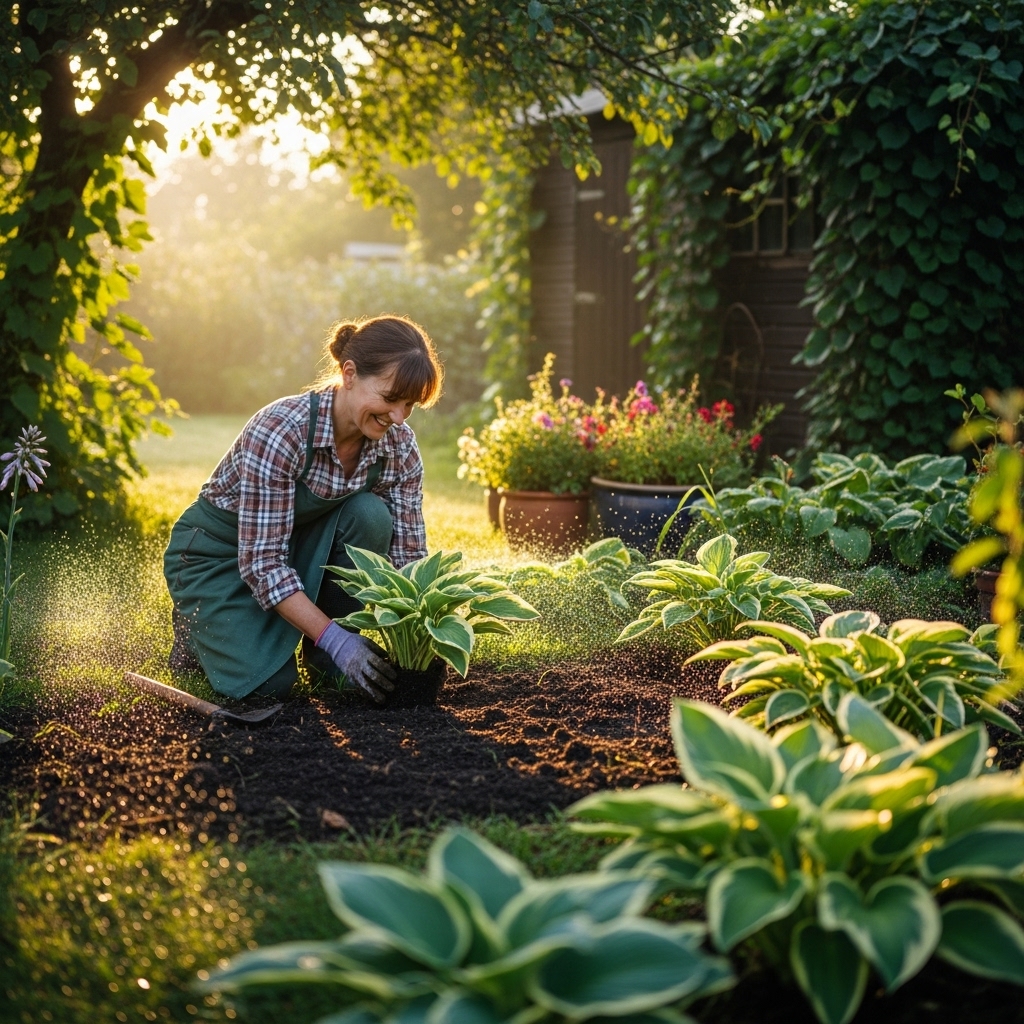
When it comes to planting hostas, I’ve found that the actual process can make a big difference in their success. First, I start by digging a hole that’s about twice as wide as the root ball of the hosta but no deeper than the root ball itself. This allows the roots to spread out comfortably without being buried too deep. I remember the excitement I felt the first time I planted a hosta; it felt like planting a little piece of art into the earth. After placing the hosta in the hole, I gently backfill with soil, ensuring not to compact it too tightly around the roots. This helps with drainage and allows the roots to expand easily.
Once I’ve filled in the hole, I give the plant a good drink of water. I’ve learned that this not only helps settle the soil around the roots but also reduces the shock of transplanting. If I’m planting more than one hosta, I like to keep their spacing in mind, giving them enough room to grow without crowding each other. I always make a point to observe how they’ll look in the landscape as they mature, imagining the full display of leaves in a few seasons.
Spacing and Arrangement
Spacing is a crucial factor that I consider when planting hostas. I’ve experienced firsthand how crowded plants can lead to poor air circulation, which can ultimately result in diseases or stunted growth. Generally, I space hostas about 2 to 3 feet apart, depending on the variety. Larger varieties, like ‘Sum and Substance,’ need more room, while smaller ones can be tucked in closer together.
In my garden, I often create arrangements that play with height and color. I’ve found that mixing different hosta varieties not only adds visual interest but also helps with the overall health of the plants. For instance, I might place taller hostas in the back of a bed and shorter varieties in the front, allowing each plant to shine without overshadowing its neighbors. It’s like designing a living tapestry, and I love the process of creating it.
Mulching and Fertilization Tips
After planting hostas, I always apply a layer of mulch around the base. This not only helps retain moisture but also suppresses weeds, which can compete for resources. I’ve tried different types of mulch and found that shredded bark or wood chips work best for me, as they blend nicely into the garden and break down over time, enriching the soil.
Fertilizing is another area where I’ve learned to take a measured approach. I usually wait a few weeks after planting to apply fertilizer, allowing the hostas to settle in first. When I do fertilize, I opt for a balanced, slow-release fertilizer, as too much can lead to lush growth that makes the plants more vulnerable to pests. I’ve learned that a little goes a long way, and I prefer to err on the side of caution. A light feeding in early spring and again in mid-summer has worked wonders for my hostas, providing them with the nutrients they need to thrive.
Care and Maintenance After Planting
Watering Schedule
After planting hostas, establishing a proper watering schedule is crucial. I’ve found that keeping the soil consistently moist is key, especially during their first growing season. I usually check the soil moisture regularly, aiming to water deeply once a week. If I notice that the top inch of soil feels dry, it’s time to grab the hose.
During the hotter months, I increase my vigilance. Sometimes, I even set a reminder on my phone to ensure I don’t forget. I recall a particularly hot summer when I got a little too relaxed about watering, and some of my hostas showed signs of stress. It was a wake-up call for me to stay on top of my watering game!
Fertilizing Hostas
Fertilizing hostas after planting is another aspect that can really enhance their growth. In my experience, I usually apply a balanced fertilizer in early spring when the plants begin to show signs of growth. This gives them that extra push to develop lush foliage. I’ve also experimented with organic options like fish emulsion or seaweed extract, which I’ve found to be gentle yet effective.
As the season progresses, I sometimes follow up with another light feeding in mid-summer, especially if I notice the plants starting to look a little lackluster. The key is to be attentive and responsive to their needs, and over time, I’ve come to recognize the signals that my hostas send me.
Pest and Disease Management
Like any plant, hostas are not immune to pests and diseases. I remember when I first discovered that slugs could be a problem. I woke up one morning to find that my beautiful leaves had been chewed to bits! Since that day, I’ve made it a point to keep an eye out for any signs of trouble.
To manage pests, I’ve found that physical barriers, like copper tape around the base of the plant, can deter slugs effectively. I’ve also used diatomaceous earth around the soil, which helps keep pests at bay without harming the hostas. Regularly inspecting my plants has become part of my routine, and I feel a sense of pride in catching any issues early on. If I do notice any disease, such as powdery mildew, I am quick to act with appropriate treatments, like removing affected leaves and improving air circulation around the plants.
Frequently Asked Questions
When is the best time to plant hostas?
The best time to plant hostas for optimal growth is in early spring or early fall, depending on your climate zone. Early spring is ideal for harsh winters, while early fall is suitable for milder regions.
What are hostas?
Hostas are perennial plants known for their lush foliage and beautiful leaves, coming in various shapes, sizes, and colors. They thrive in shady spots where many other plants struggle.
What are some popular varieties of hostas?
Some popular varieties of hostas include ‘Blue Angel,’ known for its large blue leaves; ‘Fragrant Bouquet,’ which has stunning foliage and sweet-smelling blooms; ‘Sum and Substance,’ famous for enormous leaves; and ‘Patriot,’ which features striking white edges.
How should I prepare the soil for planting hostas?
To prepare the soil for hostas, clear the area of weeds and debris, dig down about 12 inches to loosen the soil, and mix in organic matter like compost or peat moss to improve drainage and nutrient content.
What sunlight conditions do hostas prefer?
Hostas are shade-loving plants that thrive in partial to full shade. Some varieties can tolerate more sun, but it is essential to know the specific needs of the variety you are planting to avoid scorching.
How often should I water hostas?
Hostas prefer consistent moisture but can be sensitive to overwatering. It is best to water deeply but infrequently, aiming for about an inch of water per week, and monitoring soil moisture closely, especially during dry spells.
What should I consider when choosing a location for hostas?
When choosing a location for hostas, consider the amount of sunlight, the proximity to trees that may compete for nutrients, and the overall aesthetics. Avoid areas prone to standing water, as hostas do not like wet feet.
How should I space my hostas when planting?
Generally, hostas should be spaced about 2 to 3 feet apart, depending on the variety. Larger varieties need more room, while smaller ones can be planted closer together.
What type of mulch is best for hostas?
Shredded bark or wood chips work best as mulch for hostas, as they help retain moisture, suppress weeds, and blend nicely into the garden while breaking down over time to enrich the soil.
How can I manage pests and diseases in hostas?
To manage pests like slugs, physical barriers such as copper tape and diatomaceous earth can be effective. Regularly inspecting plants for signs of disease, such as powdery mildew, and taking prompt action is also important for keeping hostas healthy.