
The best time to plant lavender for optimal growth is in the spring after the last frost, or in the fall, about six weeks before the first expected frost. I’ve found that timing is crucial for establishing strong plants that can thrive in your garden. Read Interesting article: How to Plant Lavender for Big Healthy Blooms
Understanding Lavender: Types and Benefits
Lavender is one of the most beloved plants in gardens around the world, and for a good reason. Its stunning purple blooms, delightful fragrance, and versatile uses make it a favorite among gardeners and herbal enthusiasts alike. Before diving into the specifics of when to plant lavender, it’s important to understand the different types of lavender and the benefits they offer.
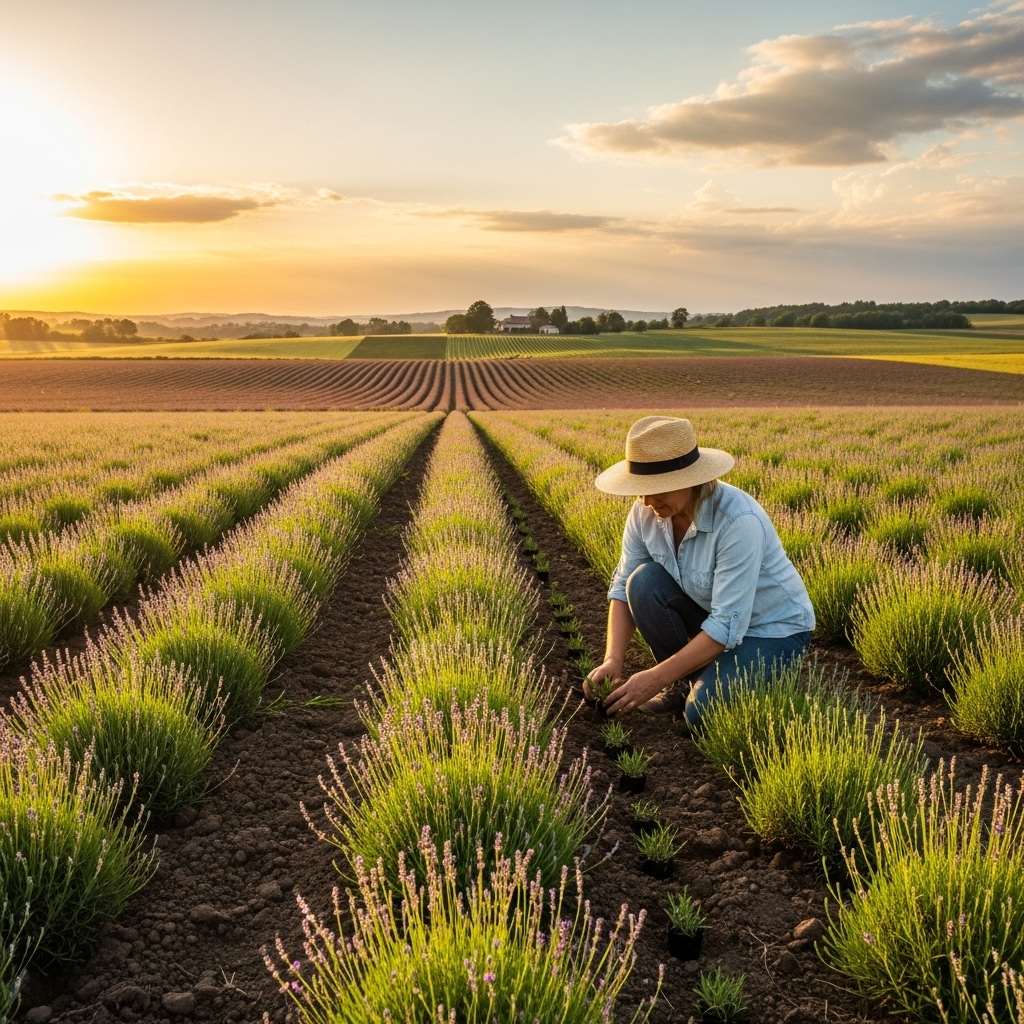
Common Lavender Varieties
There are several varieties of lavender, but a few stand out for their popularity and adaptability. The most common types include:
- English Lavender (Lavandula angustifolia): This is perhaps the most recognized type, known for its sweet scent and hardiness. It thrives in colder climates and is great for culinary uses.
- French Lavender (Lavandula dentata): With its distinctive fringed leaves and unique aroma, French lavender prefers warmer climates and is often used in landscaping.
- Spanish Lavender (Lavandula stoechas): This variety is known for its unique flower shape, resembling a rabbit’s ears. It’s drought-resistant and thrives in hot, dry conditions.
- Lavandin (Lavandula x intermedia): A hybrid of English lavender, this variety is often used for commercial purposes due to its high oil yield.
Choosing the right variety for your climate and desired use is essential. For instance, I’ve noticed that English lavender does well in my cooler region, while French lavender thrives in warmer areas. It’s all about finding the right fit for your garden.
Health Benefits of Lavender
Beyond its beauty, lavender is renowned for its numerous health benefits. I remember hearing about its calming properties, and I can personally vouch for it. Here are some key benefits:
- Stress Relief: Lavender essential oil is often used in aromatherapy to help reduce anxiety and promote relaxation. I’ve diffused it in my home during stressful days, and it truly works wonders.
- Improved Sleep: Many people use lavender sachets in their pillows to aid sleep. I’ve tried this, and it definitely makes my nights more restful.
- Antimicrobial Properties: Lavender has been shown to have antibacterial properties, making it useful for skin care and healing minor cuts.
Incorporating lavender into your life can be beneficial not just for gardening but for overall well-being. Learn more about plant reproduction and growth.
Uses of Lavender in Gardening and Aromatherapy
Lavender is incredibly versatile. In the garden, it serves as a beautiful border plant, attracts pollinators, and can even act as a natural pest repellent. Personally, I love using lavender to enhance my garden’s aesthetic and to invite bees and butterflies, which I find fascinating to watch.
Aromatically, lavender is used in many products, from soaps and candles to essential oils. I often keep a bottle of lavender oil on hand for its calming effects. Making lavender-infused oil or using dried lavender in sachets are wonderful ways to enjoy this plant’s benefits year-round.
Optimal Growing Conditions for Lavender
To achieve the best growth for your lavender plants, understanding their optimal growing conditions is key. I’ve learned that lavender thrives in specific environments, and by meeting these conditions, you can ensure a bountiful harvest.
Soil Requirements and pH Levels
Lavender prefers well-drained soil with a slightly alkaline pH, ideally between 6.5 and 7.5. I remember the first time I planted lavender; I wasn’t aware of how crucial this was, and my plants struggled. Here’s what I’ve found helpful:
- Soil Texture: Sandy or loamy soil is best. If your soil retains too much moisture, consider mixing in sand or gravel.
- Testing pH: Use a soil testing kit to check the pH levels. If it’s too acidic, you can amend your soil with lime to raise the pH.
Getting the soil right makes a huge difference. Since I started paying attention to these details, my lavender plants have thrived.
Sunlight Needs for Healthy Lavender
Lavender loves sunlight and requires at least 6 to 8 hours of full sun each day. I’ve noticed that my plants flourish when they are placed in a sunny spot in the garden. If your area has limited sunlight, consider raised beds or containers that can be moved to optimize light exposure.
Watering and Drainage Considerations
One of the most important aspects of growing lavender is understanding its watering needs. I learned this the hard way. Lavender is drought-tolerant but does not like wet feet. Here are a few tips I’ve picked up:
- Water Sparingly: Water your lavender only when the top inch of the soil feels dry. Overwatering can lead to root rot, which I’ve experienced firsthand.
- Good Drainage: Ensure your soil drains well. If you’re planting in containers, choose pots with drainage holes to prevent water accumulation.
By keeping these watering tips in mind, I’ve seen my lavender flourish beautifully.
When to Plant Lavender: Seasonal Guide
Timing your lavender planting is essential for healthy growth and development. Over the years, I’ve realized that knowing the right season can make a world of difference. Here, I’ll break down the best practices for both spring and fall planting, as well as how to adjust for different climate zones.
Spring Planting: Best Practices
Spring is often considered the optimal time to plant lavender, especially after the last frost has passed. I remember the excitement of seeing new growth in my garden each spring, and lavender was one of the highlights. Here are some tips I’ve learned for successful spring planting:
- Wait for Warmer Weather: Aim to plant when the soil temperature reaches around 60°F (15°C). This warmth encourages strong root development. I’ve found that waiting until a week or two after the last frost ensures the ground is just right.
- Choose Healthy Plants: If you’re purchasing plants, look for healthy, robust seedlings. I’ve always preferred buying small plants rather than seeds, as they tend to establish themselves more quickly.
- Acclimate Your Plants: If you’re starting with seedlings indoors or from a nursery, take some time to allow them to acclimate to outdoor conditions. Gradually exposing them to sunlight and outdoor temperatures can help prevent shock.
By following these practices, I find that my lavender plants establish themselves quickly and thrive during the warmer months.
Fall Planting: Pros and Cons
While spring is a popular time to plant lavender, fall planting can also be beneficial, especially in milder climates. I’ve experimented with this approach and discovered some pros and cons:
- Pros: Fall planting allows lavender to develop a strong root system before winter. This can lead to earlier blooming in spring. I’ve seen this work well in regions with mild winters.
- Cons: In regions with harsh winters, newly planted lavender may struggle with frost damage. I learned the hard way that covering them with mulch can help protect against freezing temperatures, but it’s crucial to ensure they have good drainage.
If you decide to plant in the fall, make sure to give your lavender enough time to establish before the ground freezes. I’ve found that planting about six weeks before the first expected frost is ideal.
Planting in Different Climate Zones
Understanding your specific climate zone can drastically affect your lavender planting success. I’ve noticed that some varieties flourish better in certain areas due to temperature and humidity variations. Here’s how to adjust your planting strategy based on climate zones:
- Cooler Climates: In cooler regions (Zones 3-5), spring planting is usually the best option. English lavender thrives here, and I always wait until the danger of frost has passed to give them the best start.
- Moderate Climates: If you live in Zones 6-7, you have more flexibility. Both spring and fall planting can yield excellent results. I often choose to plant in spring but have had success with fall planting as well.
- Warm Climates: For those in Zones 8-10, summer heat can be tough on young plants. Here, I recommend planting in the fall or early spring. Spanish lavender does particularly well in these warm conditions.
Adapting to your local climate has helped me make better decisions about when to plant. I remember the first time I planted lavender without considering my zone, and the results were far from ideal. Learning from that experience has made all the difference for my garden.
Preparing Your Garden for Lavender
Now that we’ve covered the timing of planting, the next step is preparing your garden for lavender. A little preparation can go a long way in ensuring your plants thrive. Here’s what I’ve found helpful over the years.
Choosing the Right Location
Finding the perfect spot for your lavender plants is crucial. I’ve learned that lavender loves sun, so I always look for a location that receives at least 6 to 8 hours of direct sunlight daily. Here are some tips I’ve gathered:
- Avoid Shady Areas: I’ve made the mistake of planting in partially shaded spots, and the results were disappointing. Lavender needs sun to thrive!
- Wind Protection: While lavender is hardy, strong winds can damage plants. Planting near a wall or in a sheltered area can protect them.
Choosing a sunny, protected spot has greatly improved my lavender’s growth and resilience.
Soil Preparation Techniques
Preparing the soil is another critical step. I remember when I first started, I didn’t realize how much soil quality could impact growth. Here’s what I recommend:
- Amend Your Soil: If your soil is heavy clay or too acidic, consider amending it with sand, compost, or lime to improve drainage and pH levels.
- Tilling the Soil: I always till the soil before planting to break it up and aerate it, which helps lavender roots establish more effectively.
By focusing on soil preparation, I’ve seen a significant improvement in how quickly my lavender plants flourish.
Companion Planting with Lavender
Companion planting can enhance your lavender garden. I’ve found that certain plants thrive alongside lavender, helping to improve growth and deter pests. Some great companions include:
- Rosemary: Not only does rosemary share similar sun and soil needs, but it also complements lavender beautifully.
- Thyme: This aromatic herb also enjoys well-drained soil and sunlight, making it a great companion.
- Salvia: Known for attracting pollinators, salvia pairs well visually and functionally with lavender.
By planting these companions, I’ve created a vibrant and healthy garden ecosystem that benefits all plants involved. Discover more about companion planting and its advantages.
How to Plant Lavender for Best Results
Step-by-Step Planting Instructions
Planting lavender can be a rewarding experience if done right. I remember the thrill of my first lavender planting day, filled with anticipation of those beautiful purple blooms. Here’s a simple step-by-step guide that I’ve found helpful:
- Prepare Your Site: After choosing the perfect location, clear the area of weeds and debris. I always make sure the area is well-aerated and free from competing plants.
- Dig the Holes: Space your holes about 2 to 3 feet apart, depending on the variety. I usually dig holes that are about twice the size of the root ball to give the plants ample room to grow.
- Amend the Soil: Before placing the lavender in the holes, I mix in some sand or gravel with the native soil to improve drainage. This has helped my plants avoid root rot.
- Place the Plants: Gently remove the lavender from its pot, being careful not to damage the roots. I always loosen any tightly bound roots before planting. Position the plant in the hole so that the top of the root ball is level with the soil surface.
- Fill and Pat Down: Fill in around the root ball with soil and gently pat it down to eliminate air pockets. I like to ensure that the soil is firm but not compacted.
- Water Thoroughly: After planting, give your lavender a good soak. From my experience, this helps settle the soil and encourages the roots to establish.
Spacing and Arrangement Tips
How you space your lavender plants can significantly affect their growth. I’ve learned that proper spacing allows for air circulation and sunlight, both essential for healthy plants. Here are some tips:
- Consider Plant Size: Different varieties have different growth habits. For instance, English lavender typically grows taller and bushier, so I space these about 3 feet apart. In contrast, smaller varieties like Spanish lavender can be spaced closer together, around 1.5 to 2 feet apart.
- Design for Aesthetics: I’ve found it helpful to plan my lavender layout with design in mind. Alternating colors or heights can create a visually appealing garden. For example, mixing tall English lavender with lower-growing varieties can add dimension.
- Allow for Growth: Remember that lavender will expand as it grows. I always keep in mind the mature size of the plant when deciding on spacing.
Transplanting Established Lavender Plants
Transplanting can be tricky, but I’ve had success with it when I follow a few guidelines. Whether you’re moving a plant to a new location or simply repotting, these steps can help:
- Choose the Right Time: I’ve found that the best time to transplant lavender is during the cooler part of the day, either early morning or late afternoon. This minimizes stress on the plant.
- Prep the New Location: Before digging up the lavender, prepare the new spot by following the same soil preparation steps as above. It’s important to have everything ready so you can move quickly.
- Dig Carefully: Use a spade to dig around the plant, ensuring you get a good amount of the root system. I aim for at least 6 to 8 inches around the root ball.
- Replant Quickly: Once out of the ground, place the lavender in its new hole as soon as possible. I try not to let the roots dry out during this process.
- Water and Care: After transplanting, I always water thoroughly and keep an eye on the plant for signs of stress. Providing some shade for a few days can also help it adjust.
Transplanting lavender can breathe new life into your garden, but it’s essential to be gentle and patient. I’ve learned that giving lavender the right care during this transition can lead to beautiful results.
Frequently Asked Questions
When is the best time to plant lavender?
The best time to plant lavender for optimal growth is in the spring after the last frost or in the fall, about six weeks before the first expected frost.
What are the common varieties of lavender?
The most common types of lavender include English Lavender (Lavandula angustifolia), French Lavender (Lavandula dentata), Spanish Lavender (Lavandula stoechas), and Lavandin (Lavandula x intermedia).
What are the health benefits of lavender?
Lavender is known for its stress relief properties, improved sleep through the use of lavender sachets, and its antimicrobial properties which can be beneficial for skin care and healing minor cuts.
What are the optimal growing conditions for lavender?
Lavender thrives in well-drained soil with a slightly alkaline pH (between 6.5 and 7.5), requires at least 6 to 8 hours of full sun each day, and prefers dry conditions with sparing watering.
How should I prepare my garden for planting lavender?
To prepare your garden for lavender, choose a sunny location that receives at least 6 to 8 hours of direct sunlight, amend the soil if necessary, and consider companion planting with herbs like rosemary and thyme.
What are the best practices for spring planting of lavender?
For successful spring planting, wait for warmer weather when the soil temperature reaches around 60°F (15°C), choose healthy plants, and acclimate them to outdoor conditions gradually.
What are the pros and cons of fall planting lavender?
Pros of fall planting include establishing a strong root system before winter, leading to earlier blooming in spring. Cons include the risk of frost damage in harsh winter areas, necessitating proper drainage and protection.
How do I space my lavender plants?
Space your lavender plants about 2 to 3 feet apart depending on the variety; for example, English lavender should be spaced about 3 feet apart, while smaller varieties like Spanish lavender can be spaced closer together, around 1.5 to 2 feet apart.
What is the process for transplanting established lavender plants?
To transplant lavender, choose a cooler part of the day, prepare the new location, carefully dig around the plant to retain roots, replant quickly, and water thoroughly after transplanting to help it adjust.
What soil conditions are ideal for lavender?
Lavender prefers sandy or loamy soil that drains well and has a slightly alkaline pH. If the soil is too acidic, it can be amended with lime to raise the pH.