
The best time to plant lettuce for fast growth is in early spring or late summer, depending on your climate zone. I’ve found that planting during these seasons allows for optimal growth and flavor, giving you that crunchy, fresh taste we all love. You might also want to check out What to Plant in September (Best Crops + Flowers) for more planting tips.
Understanding Lettuce Growth Cycles
Growing lettuce can be one of the most rewarding gardening experiences. It’s not just about the satisfaction of eating your homegrown salad; it’s also about understanding the growth cycles of this versatile leafy green. When you know when to plant, you can ensure that your lettuce grows quickly and tastes delicious.
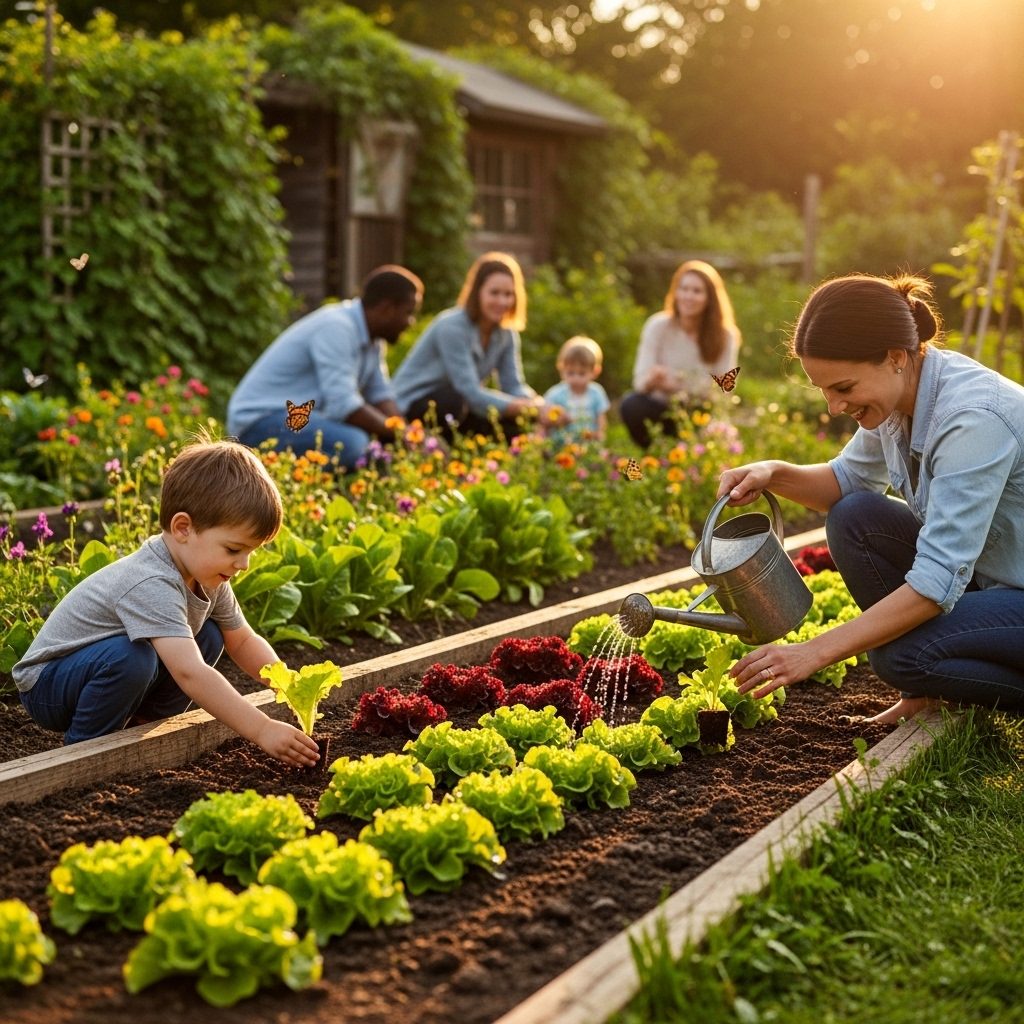
Types of Lettuce and Their Growth Rates
Before diving into planting times, let’s look at the different types of lettuce and how their growth rates vary. I remember when I first started gardening; I was surprised to learn that there are several varieties, each with its own unique characteristics. The main types include leaf lettuce, romaine, butterhead, and crisphead. Here’s a quick breakdown:
- Leaf Lettuce: This type is fast-growing and can be harvested within 30 to 45 days after planting. I often prefer this for quick salads.
- Romaine: It takes a bit longer, around 70 days, to mature, but the wait is worth it for that crunchy texture in Caesar salads.
- Butterhead: Known for its tender leaves and sweet flavor, butterhead lettuce usually matures in about 55 to 75 days.
- Crisphead: This type, which includes iceberg lettuce, typically takes the longest, around 80 to 90 days, making it less ideal for quick harvests.
In my experience, if you’re looking for fast growth, sticking with leaf lettuce is the way to go. You can even stagger your planting dates to enjoy a continuous harvest throughout the growing season. For more on planting schedules, you can read What to Plant in July (Best Crops & Flowers).
Factors Affecting Lettuce Growth
When it comes to growing lettuce, several factors can influence how quickly and successfully it develops. I’ve noticed that understanding these variables can help avoid common pitfalls. Here are some key elements to consider:
- Soil Quality: Lettuce prefers well-draining soil rich in organic matter. I always add compost to my garden beds to enrich the soil, which seems to boost growth.
- Watering: Consistent moisture is crucial. I’ve learned that letting the soil dry out can lead to bitter-tasting leaves. I try to keep my lettuce beds moist but not soggy.
- Temperature: Lettuce thrives in cooler temperatures, ideally between 60°F and 70°F. I’ve seen my lettuce bolt (go to seed) when temperatures rise above this range, so timing your planting is essential.
- Sunlight: While lettuce can tolerate partial shade, it grows best in full sun. I usually plant it in areas where it can receive at least six hours of sunlight each day.
By paying attention to these factors, I’ve been able to create a nurturing environment for my lettuce, leading to faster growth and better flavor.
Ideal Planting Seasons for Lettuce
Now that we understand the growth cycles and factors affecting lettuce, let’s talk about the ideal planting seasons. The timing of your planting can make all the difference in how quickly your lettuce grows and how delicious it tastes.
Spring Planting
Spring is often considered the best season for planting lettuce. In many regions, this is when the soil begins to warm up after winter. I typically aim to plant my lettuce seeds about 2-4 weeks before the last expected frost date. This usually falls between mid-March and early April in my area. I love watching my little seedlings pop up, knowing they’ll be ready to harvest by late spring.
To ensure a successful spring planting, I prepare my garden beds by loosening the soil and mixing in some compost. This not only enriches the soil but also helps with drainage, which is vital for healthy lettuce growth. I’ve found that planting in rows spaced about 12 inches apart allows for easy access when it’s time to harvest.
Fall Planting
Fall planting is another fantastic option, especially if you live in areas with mild winters. I often plant a second batch of lettuce in late summer, around 6-8 weeks before the first expected frost date in my region. This is typically in late August to early September. The cooler temperatures of fall can result in sweet, crisp leaves.
It’s important to choose quick-growing varieties for fall planting, as the days are shorter, and the temperature will drop quickly. I recommend sticking with leaf lettuce or even some fast-maturing romaine varieties. Covering the plants with row covers can provide some extra warmth and protection as the temperatures drop.
Winter Lettuce Varieties
If you’re feeling adventurous, you might consider growing specific winter lettuce varieties. These are bred to withstand cooler temperatures and can be grown even in colder climates. I’ve had success with varieties like ‘Winter Density’ and ‘Merveille des Quatre Saisons,’ which can be sown in late summer for a winter harvest.
To protect these plants from frost, I recommend using cold frames or cloches. This simple setup can extend your growing season and provide fresh lettuce even when the ground is frosty. I was amazed at how enjoyable it was to have fresh greens during the winter months!
Understanding the ideal seasons for planting lettuce has transformed my gardening experience. Whether I’m planting in spring or fall, I always look forward to the crunch of fresh lettuce in my salads, sandwiches, and wraps. The key is to plan ahead, choose the right varieties, and prepare your garden with care.
Best Conditions for Fast Lettuce Growth
Creating the right conditions for your lettuce can really enhance its growth and flavor. I’ve experienced firsthand how a few adjustments can make a significant difference in my garden. Here are the key conditions that I focus on to ensure my lettuce grows quickly and healthily.
Soil Requirements
To me, soil is like the foundation of a house; if it’s not strong and healthy, everything built on it will struggle. Lettuce thrives in rich, well-draining soil that is packed with organic matter. I’ve learned that mixing in compost not only enriches the soil but also improves its structure, allowing for better drainage and moisture retention.
When preparing my garden beds, I usually aim for a soil pH between 6.0 and 7.0. I often test my soil with a simple kit to make sure it falls within this range. If I find it’s too acidic or alkaline, I’ll amend it with lime or sulfur, depending on the needs. The right pH helps my lettuce absorb nutrients more efficiently, which leads to quicker growth and better taste.
Temperature Preferences
Temperature is another crucial factor that directly impacts lettuce growth. I’ve found that lettuce enjoys cooler weather, ideally between 60°F and 70°F. When the temperature climbs above 75°F, lettuce can start to bolt, leading to a bitter taste. I remember one summer I planted my lettuce a bit too late, and by the time I was ready to harvest, it had already started to go to seed.
To navigate this, I’ve learned to keep an eye on the weather forecast. If I know a hot spell is coming, I might choose to cover my plants with shade cloth to help them stay cool. Also, planting in the early spring or late summer helps to avoid those scorching summer temperatures. In my experience, timing is key!
Sunlight Exposure
Sunlight plays a vital role in the growth of lettuce, and I’ve noticed that it can make a world of difference in flavor and texture. While lettuce can tolerate some shade, I find that it flourishes best in full sun, receiving at least six hours of direct sunlight a day. When I had a partially shaded area, the lettuce tended to grow leggy and less flavorful.
To maximize sunlight exposure, I usually select a location in my garden that gets morning sun. This way, the soil warms up early, promoting faster growth. I often rotate my planting spots each year to make sure my lettuce gets the best light possible. Taking these little steps has consistently rewarded me with vibrant, tasty greens.
How to Prepare Your Garden for Lettuce
Getting the garden ready for planting is almost as exciting as the harvest itself. I’ve learned that a little preparation goes a long way in ensuring a successful lettuce crop. Here’s how I prepare my garden for planting lettuce.
Soil Preparation Techniques
When I prepare my soil, I start by removing any weeds or debris from the area. I’ve learned that weeds can compete with my lettuce for nutrients and water, so I try to keep the area as clean as possible. After clearing the space, I till the soil to a depth of about 12 inches, which helps to break up compacted soil.
Next, I mix in plenty of compost and well-rotted manure. This not only provides essential nutrients but also improves soil structure. I typically aim for a mix that’s about 25% compost to 75% soil. After mixing, I level the soil and create gentle furrows for planting, ensuring the surface is smooth and crumbly.
Choosing the Right Location
Location is everything in gardening. I always look for a spot in my yard that has good drainage and receives plenty of sunlight. If I can, I try to avoid areas where water tends to pool after rain, as this can lead to root rot. I also consider wind exposure; a sheltered area can protect young plants from harsh winds that can uproot them.
In my case, I’ve found that planting near a fence or garden wall can provide just enough shelter while still allowing for adequate sunlight. I love how each spot feels unique, and with a little trial and error, I’ve figured out which areas in my garden yield the best results for lettuce. By carefully selecting the right location, I set my lettuce up for success from the start.
Planting Techniques for Optimal Growth
When it comes to planting lettuce, I’ve discovered that the methods I choose can greatly affect the speed and success of growth. Proper techniques not only help with the initial setup but also set the stage for a bountiful harvest. Let me share some of the planting techniques I’ve found most effective.
Direct Sowing vs. Transplanting
One of the first decisions I faced when planting lettuce was whether to direct sow the seeds or to transplant seedlings. I remember the excitement of planting seeds directly into the soil, watching as they sprouted and grew. Direct sowing is often the easiest method, especially for leafy greens like lettuce. It’s as simple as scattering the seeds in prepared rows and covering them lightly with soil.
However, I’ve also had success with transplanting. Starting seeds indoors can give you a head start, particularly if you live in a region with a shorter growing season. I usually start my seeds in small pots about 4-6 weeks before the last frost date. Once they’re strong enough, usually when they have a few leaves, I gently transplant them into the garden. This method can lead to an earlier harvest, which I’ve really enjoyed.
In my experience, if you’re looking for quicker results, I’d recommend direct sowing for fast-growing varieties like leaf lettuce. If you have the time and space, starting seeds indoors can be a fun project and can help you get a jump on your garden.
Seed Spacing and Depth
Another crucial aspect of planting is understanding seed spacing and depth. I’ve learned that giving each plant enough room to grow is vital for healthy development. For lettuce, I typically space my seeds about 6 to 12 inches apart, depending on the variety. Leaf lettuce can be closer together, while romaine and crisphead types need a bit more space to develop their full heads.
As for depth, I usually plant my seeds about a quarter to half an inch deep. I remember the first time I planted them too deep; the seedlings struggled to break through the soil. Keeping them at the right depth allows them to germinate quickly and get the sunlight they need to thrive. I always make sure to gently water the area after planting, which helps settle the soil around the seeds.
By paying attention to spacing and depth, I’ve noticed that my lettuce tends to grow more uniformly and robustly. I often find that my harvests are easier and more plentiful when I take these small factors into account.
Watering and Maintenance Tips
Now that my lettuce is planted, maintaining proper care is essential for ensuring fast growth and vibrant flavor. I’ve learned the hard way that watering and ongoing maintenance can make or break my lettuce crop. Here are some key practices I follow.
Watering Schedule for Fast Growth
Watering is one of the most critical aspects of growing lettuce. I’ve found that consistent moisture is essential for preventing bitterness and promoting crisp leaves. Typically, I aim to keep the soil consistently moist, especially during dry spells.
I usually water my lettuce beds about once or twice a week, depending on the weather. If I notice the soil drying out, I’ll increase the frequency. A good rule of thumb is to provide about 1 inch of water per week, which I measure by checking the soil’s moisture level. I often use a moisture meter or simply stick my finger into the soil to see if it feels dry.
In hotter weather, I’ve learned that early morning watering is the best time. This allows the plants to absorb moisture before the heat of the day kicks in. Plus, watering in the morning minimizes evaporation, ensuring my lettuce gets the hydration it needs.
Fertilization Practices
While lettuce doesn’t require heavy feeding, I’ve found that a little fertilization can go a long way toward promoting healthy growth. I usually incorporate a balanced fertilizer into the soil at planting time. A slow-release organic fertilizer works well, providing nutrients gradually as the plants grow.
As the plants mature, I often give them a boost with a liquid fertilizer every few weeks. I prefer using organic options, such as fish emulsion or seaweed extract, which provide essential nutrients without the risk of chemical buildup. I remember one season when I neglected to fertilize; my lettuce was tasty but didn’t grow as robustly as in years past. Now, I make it a point to keep up with fertilization for a more fruitful harvest.
By sticking to a consistent watering schedule and providing the right nutrients, I’ve noticed that my lettuce thrives and gives me the crunchy, flavorful greens I love. It’s all about creating that perfect balance to help my garden flourish!
Frequently Asked Questions
What is the best time to plant lettuce for fast growth?
The best time to plant lettuce for fast growth is in early spring or late summer, depending on your climate zone.
What are the main types of lettuce and their growth rates?
The main types of lettuce include leaf lettuce (30 to 45 days), romaine (around 70 days), butterhead (about 55 to 75 days), and crisphead (80 to 90 days).
What factors affect lettuce growth?
Key factors affecting lettuce growth include soil quality, consistent watering, temperature (ideally between 60°F and 70°F), and sunlight exposure (at least six hours of sun per day).
When should I plant lettuce in the spring?
In spring, it is recommended to plant lettuce seeds about 2-4 weeks before the last expected frost date, typically between mid-March and early April.
What is the recommended planting time for fall lettuce?
Fall planting is ideal around 6-8 weeks before the first expected frost date, usually in late August to early September.
Can I grow lettuce in winter?
Yes, specific winter lettuce varieties like ‘Winter Density’ and ‘Merveille des Quatre Saisons’ can be grown in colder climates, usually sown in late summer for a winter harvest.
What soil conditions are best for lettuce growth?
Lettuce thrives in rich, well-draining soil that is packed with organic matter, with a pH between 6.0 and 7.0.
How should I water my lettuce for optimal growth?
Watering should be consistent, aiming for about 1 inch of water per week. Early morning watering is ideal to minimize evaporation.
What fertilization practices should I follow for lettuce?
A balanced fertilizer can be incorporated at planting time, and a liquid organic fertilizer can be applied every few weeks as the plants mature.
What planting techniques can enhance lettuce growth?
Direct sowing of seeds is often easiest, while transplanting seedlings can provide a head start. Proper seed spacing (6 to 12 inches apart) and planting depth (quarter to half an inch) are also crucial for optimal growth.