
The best time to plant marigolds for maximum blooms is in the spring after the last frost has passed, typically from mid-April to early June, depending on your region. I’ve found that planting marigolds at the right time not only enhances their growth but also extends their blooming season throughout the summer. Read Interesting article: Why Are Plants Green in Colour? Explained Simply
Understanding Marigolds: Types and Benefits
Marigolds are one of my favorite flowers to cultivate. They bring vibrant colors to my garden and are surprisingly easy to grow. Knowing a bit more about the different types of marigolds and the benefits they offer can enhance your gardening experience and ensure you get the most out of your blooms.
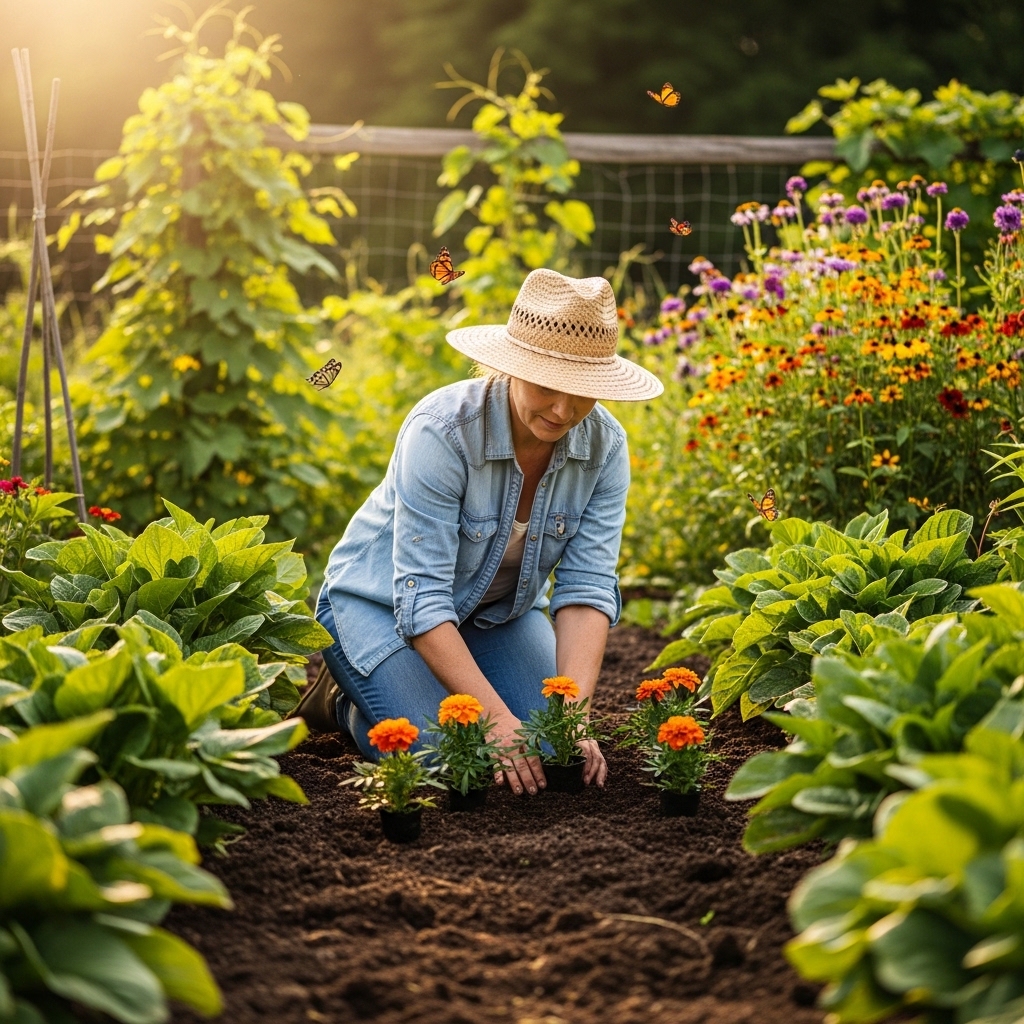
Common Varieties of Marigolds
When it comes to marigolds, there are several popular varieties, each with its own unique charm. The most common types include:
- French Marigolds (Tagetes patula): These are smaller, bushier plants known for their bright orange and yellow flowers. They tend to bloom profusely and make excellent border plants.
- African Marigolds (Tagetes erecta): Larger and taller, these marigolds produce big, round blooms in shades of yellow and gold. They are perfect for adding height to your garden beds.
- Signet Marigolds (Tagetes tenuifolia): These are smaller and have a more delicate appearance. Their flowers are edible, making them a great addition to kitchen gardens.
Each variety has its own growth habits and colors, which means there’s a marigold for every garden style. Personally, I love mixing different types to create a vibrant tapestry of colors and textures.
Benefits of Planting Marigolds in Your Garden
Marigolds are not just pretty flowers; they also come with a range of benefits that make them a must-have in any garden. Here are a few reasons why I think they deserve a spot in every garden:
- Pest Deterrent: Marigolds are known for repelling certain pests, such as nematodes and aphids. Their scent can help keep unwanted bugs away, which is a huge plus for any gardener.
- Companion Planting: I often plant marigolds alongside vegetables and herbs. They can enhance growth and deter pests from other plants, promoting a healthier garden overall. Read Interesting article: How to Plant a Fig Tree for Fast Growth
- Attractive Blooms: The vibrant colors of marigolds add a splash of cheer to any garden. They bloom for an extended period, providing a colorful display from late spring until the first frosts.
- Soil Health: Marigolds contribute to soil health by attracting beneficial insects and pollinators. They even help improve soil quality through their decomposing roots.
These benefits make marigolds a versatile addition to any garden, whether you’re looking to beautify your space or improve the health of other plants.
Optimal Planting Times for Marigolds
Planting marigolds at the right time is crucial for ensuring maximum blooms. I’ve learned from my gardening experiences that timing can vary depending on several factors, including your local climate and specific growing conditions.
When to Plant Marigolds in Spring
Most gardeners agree that the best time to plant marigolds is after the last frost, typically in mid-April to early June in many regions. I’ve found that waiting until the risk of frost has passed gives the plants a chance to establish themselves in warmer soil, which is essential for their growth.
In my experience, I usually start my marigold seeds indoors about 6-8 weeks before the last frost date. This allows me to get a head start, and I can transplant them outside once it’s safe. If you prefer to sow seeds directly into the garden, waiting until the soil temperature reaches at least 60°F (15°C) is ideal.
Factors Affecting Planting Times
Several factors can influence when to plant marigolds. Understanding these can help you time your planting effectively:
- Climate Zone: Different USDA zones have different growing conditions. If you’re in a warmer zone, you might have more flexibility with planting times, while cooler zones will require you to wait longer.
- Microclimates: Sometimes, specific areas of your garden may warm up faster than others. If you notice one corner of your yard gets more sunlight and warms up quicker, that could be a good spot to plant first.
- Weather Patterns: Keeping an eye on local weather forecasts can help. For instance, if a late cold snap is predicted, it might be wise to delay planting even if the calendar says it’s time.
I’ve learned to be patient and observant when it comes to planting times. Sometimes it’s best to let nature guide your gardening decisions.
Regional Differences in Planting Times
Understanding regional differences can significantly affect your marigold planting success. For example, in southern states like Florida or Texas, I’ve noticed that gardeners can start planting marigolds as early as March. Conversely, in northern states, the best time might not be until late May.
During my travels, I’ve encountered gardeners who plant marigolds at different times based on their local climate conditions. Here’s a quick breakdown:
- Southern Regions: March to April
- Mid-Regions: Late April to early June
- Northern Regions: Late May to early June
Being aware of these regional differences has helped me adapt my gardening techniques over the years. I recommend checking with local gardening resources or extension services to find the best planting times specific to your area.
Preparing Your Garden for Marigold Planting
Once I’ve settled on the right time to plant my marigolds, I focus on getting my garden ready. Preparing the garden is a crucial step to ensure those vibrant blooms thrive. Here are the key aspects I’ve found make a big difference in the success of my marigold plants.
Soil Requirements for Marigolds
The first thing I pay attention to is the soil. Healthy soil means happy plants. Marigolds prefer well-draining soil rich in organic matter. I often start by testing the pH of my soil, aiming for a slightly acidic to neutral range (around 6.0 to 7.0). If I find my soil is too acidic or alkaline, I add amendments to balance it out.
To boost soil quality, I mix in compost or well-rotted manure before planting. This not only provides essential nutrients but also helps with drainage. I’ve noticed that marigolds thrive when they have access to quality soil, and they don’t like to sit in water. Ensuring good drainage is key—if my garden has heavy clay soil, I’ll often create raised beds to improve the conditions.
Sunlight and Temperature Preferences
Marigolds are sun-loving flowers, and I’ve learned that they require at least six hours of full sunlight each day for optimal growth. When I’m planning my garden, I make sure to choose a spot that gets plenty of morning sun. I also keep an eye on the temperature. Marigolds thrive in warm weather, ideally between 70°F to 90°F (21°C to 32°C). If my area experiences cool nights, I’ve found that covering the plants with row covers can help protect them until the weather warms up consistently.
Choosing the Right Location in Your Garden
Finding the perfect spot for marigolds doesn’t just involve sunlight and temperature; I also consider their companions. I love practicing companion planting, and marigolds work wonderfully with various vegetables and herbs. For instance, I often plant them near tomatoes and peppers because they can deter pests that are drawn to these crops.
When selecting a location, I also think about accessibility. I want to ensure I can easily tend to my marigolds, whether that means watering, weeding, or deadheading. I often plant them in areas where I can regularly enjoy their beauty, like along pathways or at the front of my garden beds.
Planting Techniques for Maximum Blooms
Now that I’ve prepared my garden, it’s time to get those marigolds in the ground! How I plant them can make a big difference in the number of blooms I get, and I’ve developed some techniques that have worked well for me over the years.
Seed vs. Seedling: Which is Better?
When it comes to planting, I often debate between starting from seeds or using seedlings. I’ve done both, and each has its advantages. Starting from seeds can be rewarding, especially when I see those little sprouts emerge. I usually direct sow seeds outdoors once the soil is warm enough, as I mentioned earlier. However, if I want an earlier bloom, starting seeds indoors gives me that extra head start.
On the other hand, purchasing seedlings from a nursery can save time and effort. I’ve noticed that they tend to establish themselves faster when transplanted into the garden. If I choose this route, I make sure to handle the seedlings gently to avoid damaging their roots.
Spacing and Depth for Planting Marigolds
Spacing is another critical factor I consider when planting marigolds. Depending on the variety, I typically space them anywhere from 6 to 12 inches apart. This gives each plant enough room to grow and breathe, preventing overcrowding, which can lead to diseases. I’ve learned the hard way that too-close marigolds can lead to stunted growth and fewer blooms.
As for planting depth, I usually plant seeds about ¼ to ½ inch deep. For seedlings, I dig a hole that’s slightly larger than the root ball, ensuring the top of the root ball is level with the soil surface. I’ve found that proper depth ensures the plants establish well and can access nutrients effectively.
Watering and Fertilizing Guidelines
Once the marigolds are in the ground, I focus on watering and fertilizing. Marigolds prefer consistent moisture, especially during dry spells, but they don’t like to be overwatered. I keep the soil evenly moist but not soggy. I usually check the top inch of soil—if it feels dry, it’s time to water.
As for fertilizing, I’ve found that marigolds do well with a balanced fertilizer applied every four to six weeks during the growing season. However, I’ve also had great success using organic options like compost tea or fish emulsion. The key is to encourage growth without overwhelming the plants with too much nitrogen, which can lead to lush foliage at the expense of blooms.
Care and Maintenance for Healthy Marigolds
Growing marigolds is one of the joys of gardening for me, but to keep them looking their best, I’ve learned that care and maintenance are essential. Just like any other plant, marigolds need some attention to thrive and produce those beautiful blooms we all love. Here’s what I’ve found works well for keeping my marigolds healthy and vibrant.
Pruning and Deadheading Techniques
One of the simplest yet most effective ways to encourage more blooms is through deadheading. I always make it a point to remove spent flowers regularly. This not only keeps my plants looking tidy, but it also redirects energy from seed production back into creating new blooms. I usually just pinch off the old flowers right at the base, which is easy and quick. I’ve noticed that doing this can lead to a noticeable increase in flower production.
Occasionally, I also prune back any leggy or overgrown stems. I do this carefully to maintain the plant’s overall shape. If I notice any yellowing leaves or signs of disease, I remove those as well to prevent any potential spread. Keeping my marigolds well-groomed has always paid off in terms of overall health and vibrancy.
Common Pests and Diseases to Watch For
No gardener wants to deal with pests, but I’ve learned that being proactive is key. Marigolds are generally resilient, but they can face threats from aphids, spider mites, and even whiteflies. I keep an eye out for these pests, especially on the undersides of leaves. If I spot them, I often use a strong spray of water to dislodge them. For more severe infestations, I’ve found that insecticidal soap can be effective without harming beneficial insects.
Another issue I’ve encountered is fungal diseases like powdery mildew, which can sometimes affect marigolds, especially in humid conditions. To combat this, I make sure to space my plants adequately for good air circulation and avoid overhead watering. If powdery mildew does occur, I’ve had success treating it with a simple mixture of water and baking soda.
Seasonal Care Tips for Extended Blooms
To keep my marigolds blooming throughout the growing season, I’ve discovered a few seasonal care tips that work wonders. As summer progresses and temperatures rise, I ensure my marigolds receive enough water. I usually water deeply but less frequently, allowing the soil to dry out slightly between watering. This helps to encourage deep root growth.
Fertilizing is another step I take during the growing season. I apply a balanced fertilizer every four to six weeks, as I mentioned earlier, but I also tune it to the changing needs of my plants. As the blooms come and go, I adjust the frequency based on how the plants are looking. If I notice they’re thriving, I might cut back a bit on fertilizing. I’ve learned that my marigolds respond well to a little flexibility in care.
Finally, I always keep an eye on the weather. If I know a particularly hot spell is coming, I take the time to provide some shade, especially for younger plants. Conversely, during cooler spells, I might cover them up at night. Adapting to changing conditions has been crucial for keeping my marigolds blooming longer.
Harvesting and Using Marigolds
Now that I’ve enjoyed the beauty of my marigolds throughout the season, I often think about how to make the most of them. Harvesting marigolds is not only satisfying but also opens up a world of uses for this lovely flower.
When and How to Harvest Marigold Flowers
Timing is everything when it comes to harvesting marigolds. I’ve learned that the best time to cut marigold flowers is early in the morning after the dew has dried but before the heat of the day sets in. I carefully select the blooms that are fully open but not yet starting to fade. Using sharp scissors or garden shears, I cut the stem just above the leaves to encourage further growth.
I usually place the harvested flowers in a cool, shaded area or a bucket of water until I’m ready to use them. This helps keep them fresh and vibrant. I’ve found that marigolds can last for several days in a vase if properly cared for, making them a lovely addition to my home decor.
Uses for Marigolds in the Kitchen and Garden
Marigolds are not just pretty; they’re also quite useful. I often use the petals in salads or as a garnish for various dishes. Their peppery flavor adds a unique touch that guests often enjoy. Additionally, I’ve experimented with making marigold-infused oils and vinegars, which have added delightful flavors to my cooking.
In the garden, I appreciate marigolds for their pest-repelling qualities. I often dry the flowers and scatter them around my vegetable patches as a natural pest deterrent. They’ve also made a lovely addition to my compost pile, contributing to soil health as they break down.
Whether I’m using them in the kitchen or in my garden, marigolds always find a special place in my gardening life. Their versatility and beauty truly make them a cherished flower in my home and garden. Read Interesting article: Annual vs Perennial Plants: What? the Difference?
Frequently Asked Questions
When is the best time to plant marigolds?
The best time to plant marigolds is in the spring after the last frost has passed, typically from mid-April to early June, depending on your region.
What are the common varieties of marigolds?
The most common types of marigolds include French Marigolds (Tagetes patula), African Marigolds (Tagetes erecta), and Signet Marigolds (Tagetes tenuifolia).
What benefits do marigolds provide in the garden?
Marigolds act as pest deterrents, can enhance growth when used in companion planting, provide attractive blooms, and contribute to soil health by attracting beneficial insects.
How do I prepare my garden for planting marigolds?
Preparing your garden involves ensuring healthy, well-draining soil rich in organic matter, providing adequate sunlight (at least six hours a day), and choosing the right location for accessibility and companion planting.
What factors can affect the planting times for marigolds?
Factors that can influence planting times include climate zones, microclimates within your garden, and local weather patterns.
How should I space marigolds when planting?
Marigolds should typically be spaced anywhere from 6 to 12 inches apart, depending on the variety, to allow for adequate growth and prevent overcrowding.
What is the best way to water and fertilize marigolds?
Marigolds prefer consistent moisture without being overwatered. They should be watered when the top inch of soil feels dry, and a balanced fertilizer can be applied every four to six weeks during the growing season.
What are some common pests and diseases that affect marigolds?
Common pests include aphids, spider mites, and whiteflies, while fungal diseases like powdery mildew can affect marigolds, especially in humid conditions.
When and how should I harvest marigold flowers?
The best time to harvest marigold flowers is early in the morning after the dew has dried. Cut fully open blooms just above the leaves to encourage further growth.
Can marigolds be used in cooking?
Yes, marigold petals can be used in salads or as garnishes, and they can be used to make marigold-infused oils and vinegars.