
The best time to plant onions for optimal growth largely depends on your region and whether you choose to plant in spring or fall. I’ve found that understanding local climate conditions and the specific type of onion can significantly impact their success in the garden. Additionally, if you’re interested in expanding your garden, How to Plant Carrots Properly (Beginner Guide) offers great insights.
Understanding Onion Types
Before diving into when to plant onions, it’s essential to know the different types of onions available. Each type has its specific growing requirements, which can influence when they should be planted. I’ve had the pleasure of growing several varieties, and understanding their unique characteristics has helped me get the best results.
Bulb Onions
Bulb onions are the most common type we think of when considering planting onions. They are typically categorized into two main groups: short-day and long-day onions. Short-day onions need about 10-12 hours of daylight to develop bulbs, making them ideal for southern regions with milder winters. Long-day onions, on the other hand, require 14-16 hours of daylight and thrive in northern areas where summers are longer. I remember my first attempt at growing bulb onions; I didn’t realize the importance of daylight hours, and my plants didn’t produce the bulbs I was hoping for. It was a learning experience that shaped my future gardening decisions.
Green Onions (Scallions)
Green onions, or scallions, are another fantastic option. They are harvested young, before the bulb has fully formed. These can be planted in either spring or fall, and they grow quickly, making them a great addition to any garden. I often sow green onion seeds in early spring, and by the time summer rolls around, I’m already enjoying their fresh flavor in salads and dishes. Their versatility is one of the reasons they have become a staple in my garden.
Shallots
Shallots are a bit different from standard onions. They have a milder flavor and are often used in gourmet recipes. They flourish in well-drained soil and benefit from a planting time similar to that of bulb onions. I’ve noticed that shallots can be a bit finicky, but when planted correctly, they yield beautifully, adding a special touch to any meal. If you’re looking for something unique to plant, I highly recommend giving shallots a try.
Optimal Planting Times
Once you’ve chosen the type of onion you want to plant, the next big question is when to get them in the ground. This can vary based on your local climate and the type of onions you’re growing.
Spring Planting
Spring planting is often the most popular choice for many gardeners. I personally love to start my onion seeds indoors about 6-8 weeks before the last expected frost date in my area. This gives the seedlings a head start before being transplanted outside. I remember my excitement the first time I saw those little green shoots breaking through the soil—it felt like a tiny victory! In general, once the soil temperature reaches around 50°F (10°C), it’s a good time to direct seed or transplant onion starts. Depending on your region, this can usually be anywhere from late March to early May.
Fall Planting
Fall planting is less common but can be rewarding, especially for certain varieties like shallots and some overwintering onions. I’ve tried planting onions in the fall and was pleasantly surprised by how well they did. The key is to plant them a few weeks before the ground freezes, allowing them to establish roots. This strategy allows onions to get a head start in the spring when they begin to grow again. It’s a bit of a gamble, but for me, the anticipation of seeing them sprout in early spring makes it worth it. If you’re also considering other crops, check out How to Plant Asparagus (Complete Beginner Guide) for more ideas.
Regional Variations
Your location plays a significant role in determining the best planting time for onions. For example, gardeners in the southern U.S. can often plant onions earlier in the year than those in the north. I’ve learned to pay close attention to my local climate and frost dates, which has made a huge difference in the success of my onion crops. Zones can vary widely, so if you’re unsure, I recommend checking with your local extension office or gardening club for advice tailored to your area.
Climate Conditions for Onions
Understanding the climate conditions that onions thrive in is crucial for successful growth. I remember one season when I didn’t account for the temperature swings, and it impacted my yield significantly. Here’s what I’ve learned about the ideal conditions for growing onions.
Temperature Requirements
Onions prefer a moderate climate. The ideal temperature range for onion growth is between 60°F to 75°F (15°C to 24°C). I’ve found that they can tolerate a bit colder temperatures, especially if they are established, but excessive heat can be detrimental. If temperatures regularly exceed 90°F (32°C), it can lead to bolting, which is when the onion sends up a flower stalk instead of forming a bulb. That happened to me once, and learning how to manage heat stress has since become a priority in my garden planning.
Soil Temperature
Soil temperature is another important factor. Onions prefer soil temperatures of around 50°F (10°C) for germination. I always check the soil temperature before planting, often using a simple soil thermometer. This step has helped ensure that my seeds or sets get the right start. If the soil is too cold, the onions may not sprout, and if it’s too warm, they could develop poorly.
Frost Dates and Hardiness Zones
Knowing your local frost dates is essential. Onions can be quite hardy, but young seedlings are vulnerable to frost damage. I’ve made it a habit to look up my area’s hardiness zone and last frost dates each year. This helps me plan my planting schedule and avoid the heartache of losing my crops to late frosts. If you’re unsure about your zone or dates, many gardening websites can provide this information tailored to your location.
Soil Preparation for Onion Planting
Preparing the soil for onion planting is one of the most critical steps I’ve learned over the years. A good foundation sets the stage for healthy growth and bountiful harvests. I remember the first time I neglected this step; my onions struggled, and I swore I’d never let that happen again. Here’s what I’ve discovered about the essential aspects of soil preparation for onions.
Soil Type and Drainage
Onions thrive in well-draining soil that allows for adequate airflow and moisture retention. I’ve found that loamy soil is ideal because it balances both clay and sand, providing the perfect environment for root development. Heavy clay soils can hold too much water, leading to rot, while sandy soils drain too quickly, leaving onions thirsty. I always take the time to amend my soil with organic matter, like well-rotted compost, to improve its structure and drainage. This simple addition has made a world of difference in my garden.
pH Levels and Nutrient Requirements
The pH level of the soil plays a significant role in nutrient availability for onions. Ideally, I aim for a pH range of 6.0 to 7.0. Too much acidity or alkalinity can lead to nutrient deficiencies, which may stunt growth. I usually test my soil every couple of years using a simple home testing kit. If I find it’s outside the ideal range, I have used lime to raise the pH or sulfur to lower it. This attention to detail has often resulted in healthier, more robust onions.
Amending Soil for Optimal Growth
To ensure my onions receive the nutrients they need, I often incorporate well-balanced fertilizers into the soil before planting. I’ve had success with both organic options and synthetic fertilizers, depending on what I have on hand. Typically, I look for fertilizers that are higher in phosphorus and potassium, as these elements encourage bulb development. I mix the fertilizer into the top few inches of soil before planting, which gives my onions a good start right from the moment they’re in the ground.
Planting Techniques
Now that the soil is prepared, it’s time to talk about how to plant those onions. I remember feeling a bit overwhelmed during my first planting session, but once I got the hang of it, it became one of my favorite gardening activities. Here are some techniques that have worked well for me.
Direct Seeding vs. Transplanting
Deciding whether to direct seed or transplant can impact how quickly you get to enjoy your onions. I’ve tried both methods, and each has its advantages. Direct seeding involves sowing seeds directly into the prepared soil, which is simpler and requires less initial effort. However, I’ve found that transplanting seedlings can lead to stronger plants, as they get a head start indoors. I usually choose to start my seeds inside and transplant them when they’re a few inches tall. This method has helped me achieve better yields, especially in shorter growing seasons.
Spacing and Depth Considerations
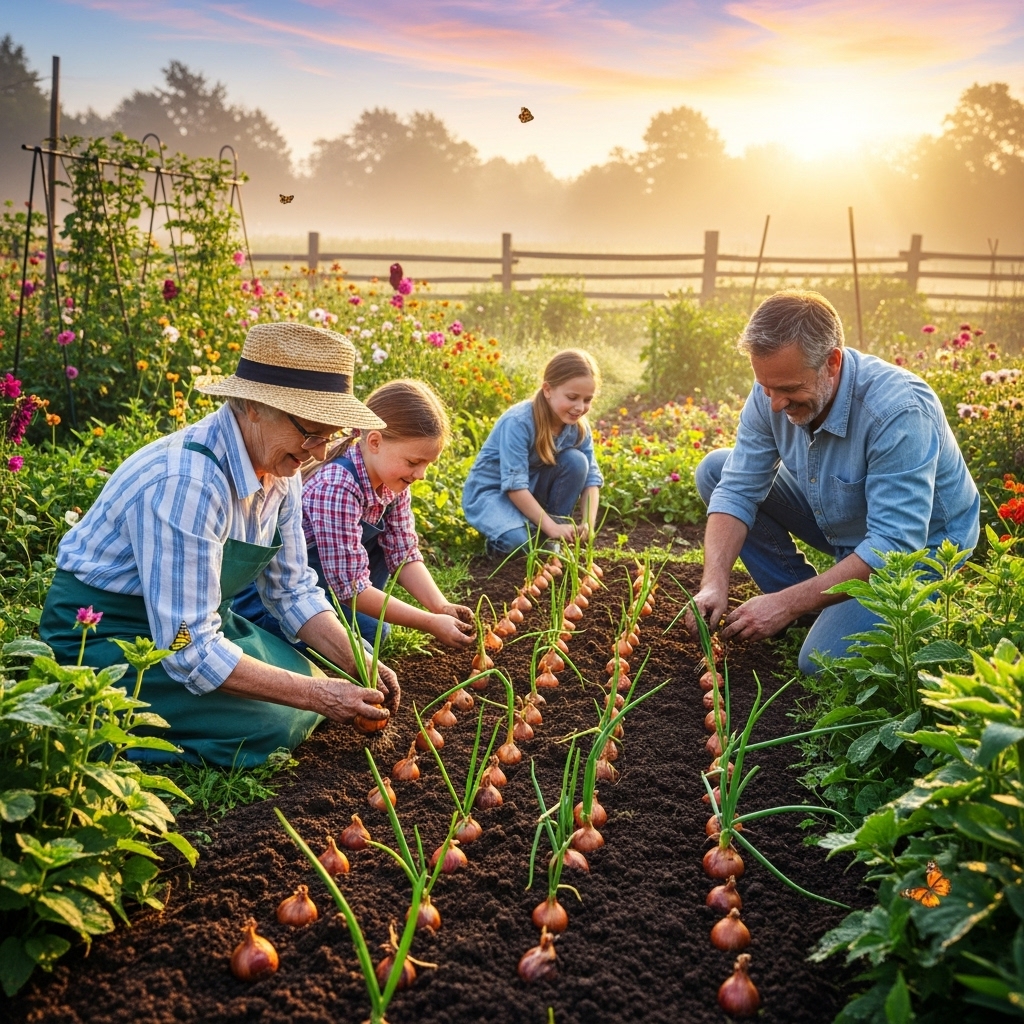
Proper spacing is crucial for onion growth. I’ve learned the hard way that overcrowding can lead to smaller bulbs. For bulb onions, I generally space them about 4-6 inches apart in rows that are 12-18 inches apart. For green onions, I plant them closer together, about 2-3 inches apart, since they can be harvested young. When it comes to depth, I aim to plant onion sets or seedlings about 1-2 inches deep, just enough to cover the roots without burying the bulb. This ensures they have enough soil contact for stability and growth without hindering their development.
Watering and Care Post-Planting
After planting, I’ve realized that consistent care, particularly watering, is essential for nurturing my onions. I remember a season when I got busy and neglected watering; my onions paid the price. Here’s how I ensure they get the care they need.
Watering Frequency and Techniques
Onions need consistent moisture, especially during their early growth stages. I typically water them deeply once a week, allowing the soil to dry slightly between waterings. This encourages deeper root growth. During particularly hot weather, I might increase the frequency to twice a week. I’ve found that using a soaker hose or drip irrigation helps deliver water directly to the roots while minimizing evaporation. This method not only saves water but also keeps the foliage dry, reducing the risk of disease.
Fertilization Schedule
Fertilization doesn’t stop after planting; I’ve learned that keeping a regular fertilization schedule is key to healthy onion growth. I usually apply a balanced fertilizer again about 4-6 weeks after planting and then again mid-season. This ensures that the onions are receiving the nutrients they need as they grow. I also like to monitor the plants for signs of nutrient deficiency, such as yellowing leaves, and adjust my fertilization schedule accordingly. Keeping a close eye on my plants has really paid off.
Pests and Diseases to Watch For
As I’ve journeyed through growing onions, I’ve come to realize that keeping an eye out for pests and diseases is just as crucial as planting and watering. There were seasons when I faced challenges that could have been avoided with a little more vigilance. Here’s what I’ve learned about the common pests and diseases that can affect onion crops, along with how to deal with them.
Common Onion Pests
Onions are, unfortunately, not immune to pests. I remember the first time I noticed onion flies in my garden; it was a wake-up call that made me more aware of what was creeping around my plants. The onion fly lays its eggs near the base of the plant, and the larvae burrow into the onion, causing damage that can lead to rot. I’ve found that rotating my onion crops each year helps reduce the risk of infestation. Additionally, keeping the area free of decaying plant matter can minimize their appeal.
Another pest that I’ve encountered is the thrip, which can be tiny and hard to spot. They suck the sap from the leaves, leading to silver streaks and stunted growth. To combat them, I often apply neem oil or insecticidal soap, which has worked wonders for me. I’ve also learned to introduce beneficial insects like ladybugs, which can help keep pest populations in check.
Additionally, I’ve had my share of battles with root maggots. These pests can be particularly destructive as they attack the roots. I’ve found that planting onions with companion plants like carrots can confuse and deter these pests. It’s fascinating how nature works! Regularly inspecting my plants has become a habit, and it helps me catch any issues early before they escalate.
Diseases Affecting Onion Growth
Diseases are another challenge that every onion grower should be aware of. One of the most common issues I faced was downy mildew, which appears as yellowish spots on the leaves. I remember panicking the first time I saw it, but after some research, I learned that providing adequate air circulation and avoiding overhead watering can help prevent it from spreading. I’ve also found that planting disease-resistant onion varieties can make a big difference.
Another disease that has affected my crops is bulb rot, which can be caused by overly wet soil conditions or fungal infections. I’ve learned to be vigilant about my watering practices—ensuring the soil is damp but not waterlogged has been essential for preventing this issue. If I notice any bulbs starting to rot, I remove them immediately to prevent the disease from spreading to healthy plants.
Fusarium basal rot is yet another disease that can strike onions. This one’s particularly tricky because it often doesn’t show symptoms until it’s too late. I’ve started practicing good sanitation in my garden to combat this, clearing away any debris and practicing crop rotation, which has helped me avoid the problem over the years.
Harvesting Onions at the Right Time
After all the hard work of planting and caring for my onions, harvesting is the moment I eagerly anticipate. It feels like a reward for my patience and effort. However, timing is everything when it comes to harvesting onions, and I’ve learned that picking them at the right moment is key to a successful yield.
Signs of Maturity
One of the first signs I look for to determine if my onions are ready to be harvested is the state of the leaves. When the tops begin to yellow and fall over, it’s generally a good indication that the bulbs have matured. I remember feeling a surge of excitement the first time I saw my onion tops drooping. I also pay attention to the size of the bulbs; they should be firm and well-rounded. If they feel soft or squishy, they might not be ready yet.
Another tip I’ve discovered is to gently dig into the soil near the bulb. If the bulb is about the size of a baseball or larger, it’s usually ready. I’ve learned to be careful not to damage the bulbs during this check, as I want them to stay intact for storage.
Best Practices for Harvesting and Storing Onions
When it comes to harvesting, I usually use a garden fork to carefully lift the onions from the soil, being cautious not to bruise them. I’ve made the mistake of pulling them by the tops, which can damage the onions and reduce their storage life. Once harvested, I let them dry in a well-ventilated area for a few days before storing them. This drying process helps cure the onions, allowing the skins to harden, which I’ve found extends their shelf life significantly.
For storage, I prefer to keep my onions in a cool, dry place, ideally in mesh bags or crates that allow for airflow. I’ve discovered that keeping them away from direct sunlight helps prevent sprouting. Regularly checking on my stored onions has also become a routine; if I spot any that are starting to go bad, I remove them immediately to protect the others.
Overall, harvesting onions feels like the culmination of a beautiful gardening journey, and I genuinely enjoy every moment of it, from the care taken during planting to the rewards at the end. It’s a satisfying cycle that keeps me coming back for more each season.
Frequently Asked Questions
What is the best time to plant onions?
The best time to plant onions depends on your region and whether you choose spring or fall planting. In general, spring planting is popular, starting seeds indoors 6-8 weeks before the last expected frost, while fall planting can be rewarding for certain varieties like shallots.
What are the different types of onions?
The main types of onions include bulb onions, which are categorized into short-day and long-day onions, green onions (scallions), and shallots. Each type has specific growing requirements that influence planting times.
What are short-day and long-day onions?
Short-day onions require about 10-12 hours of daylight and are ideal for southern regions, while long-day onions need 14-16 hours of daylight and thrive in northern areas with longer summers.
How should I prepare the soil for planting onions?
Onions thrive in well-draining soil with a pH level between 6.0 to 7.0. Amending soil with organic matter, ensuring proper drainage, and incorporating balanced fertilizers are essential for optimal growth.
How deep should I plant onion sets or seedlings?
Onion sets or seedlings should be planted about 1-2 inches deep, just enough to cover the roots without burying the bulb, to ensure stability and growth.
How often should I water onions after planting?
Onions need consistent moisture, especially during early growth. Typically, they should be watered deeply once a week, with increased frequency during hot weather.
What pests should I watch for when growing onions?
Common pests include onion flies, thrips, and root maggots. Implementing crop rotation, maintaining cleanliness, and introducing beneficial insects can help manage these pests.
What diseases can affect onion crops?
Common diseases include downy mildew, bulb rot, and Fusarium basal rot. Preventative measures include ensuring good air circulation, proper watering practices, and planting disease-resistant varieties.
How can I tell when my onions are ready to be harvested?
Onions are typically ready to harvest when the tops begin to yellow and fall over, and the bulbs are firm and well-rounded, roughly the size of a baseball or larger.
What is the best way to store harvested onions?
After harvesting, onions should be dried in a well-ventilated area for a few days before being stored in a cool, dry place, ideally in mesh bags or crates that allow for airflow and are kept away from direct sunlight.