
The best time to plant potatoes for maximum yield is in the spring, typically 2-4 weeks before the last expected frost date. I’ve found that the right timing can lead to a bountiful harvest, especially when you pay attention to your local climate and soil conditions. Read Interesting article: How to Plant Potatoes the Right Way (Beginner Step-by-Step)
Table of Contents
Understanding Potato Growth Cycles
To truly grasp when to plant potatoes, it’s essential to understand their growth cycle. Potatoes are a unique crop that goes through several stages, each requiring specific conditions. Knowing these stages can help us time our planting for optimal yield.
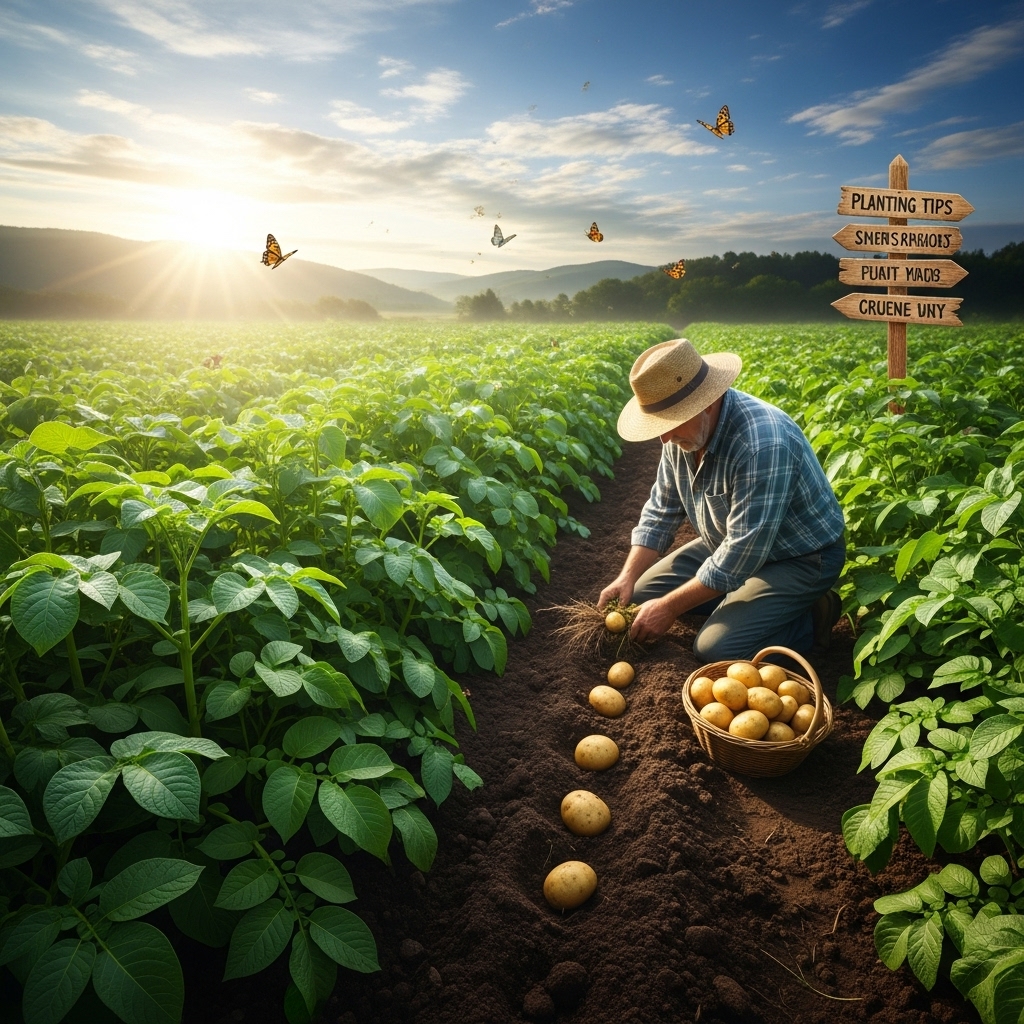
Life Cycle of Potatoes
The life cycle of a potato can be broken down into several key phases: sprouting, vegetative growth, tuber formation, and maturation. After planting, seed potatoes will begin to sprout in about 2-4 weeks, depending on the temperature and moisture levels. During the vegetative phase, the plants will grow stems and leaves, which is crucial for photosynthesis. This stage generally lasts until the soil temperature reaches about 60°F (15°C), which allows for optimal growth.
Once the plants have established a robust set of leaves, they enter the tuber formation stage. This is when the magic happens, and potatoes start to form underground. This phase usually occurs about 6-8 weeks after planting. Finally, the plants mature, and you’ll see the leaves begin to yellow and die back. At this point, the tubers are ready for harvest, typically about 70-120 days after planting, depending on the variety.
Factors Influencing Growth
Several factors can influence the growth of potatoes, and understanding them has helped me cultivate better yields. These include soil temperature, moisture levels, and sunlight. Potatoes thrive in temperatures between 60°F and 70°F (15°C to 21°C). If the soil is too cold, tubers may not develop properly. Conversely, if it’s too warm, the plants may bolt or produce fewer tubers.
Moisture is another critical factor. Potatoes need consistent watering, especially during the tuber formation stage. They prefer well-drained soil that retains moisture but doesn’t become waterlogged. Too much or too little water can hinder growth. Sunlight is vital too; potatoes love full sun, so planting them in a location that gets at least 6-8 hours of sunlight a day is essential.
Optimal Planting Times
Now that we understand the growth cycle, let’s dive into the best times to plant potatoes. Timing can mean everything, and I’ve learned over the years that planting at the right moment can set you up for success.
Spring Planting: Timing and Conditions
Spring is generally the best time for planting potatoes. In most regions, this means getting your seed potatoes in the ground about 2-4 weeks before the last frost. I remember the first time I planted potatoes; I was so eager that I rushed it. I learned the hard way that planting too early can expose your young plants to frost damage, which can stunt their growth or even kill them. Checking your local frost dates is critical.
I recommend preparing your soil while you wait. In the weeks leading up to planting, you can amend your soil with compost or well-rotted manure to boost nutrients. When planting time arrives, make sure the soil temperature is warming up—ideally around 50°F (10°C) at a minimum. This is when I typically see the best sprouting and growth.
Fall Planting: Considerations and Benefits
While spring is the most common time for planting potatoes, some regions allow for fall planting. This can be a bit tricky, but I’ve found that it can lead to early harvests in the following spring. The key is to plant your potatoes at least 4-6 weeks before the first hard frost. You want to give them enough time to establish roots without being exposed to cold temperatures that can damage them.
One benefit of fall planting is that you can often achieve larger tubers by the time spring arrives. The soil temperature is typically warmer in the fall, allowing for a quicker start. However, I’ve had mixed results with fall planting depending on the local climate, so it’s essential to know your area and its frost patterns. It’s definitely worth experimenting with if you’re feeling adventurous! Read Interesting article: 14 Low Cost Bucket Gardening Ideas for Beginners
Regional Variations in Planting Times
Regional differences play a significant role in determining the optimal planting times for potatoes. I’ve learned that what works in one area might not work in another, so it’s wise to consider your local climate. For example, in the northern regions, I typically plant potatoes in late April or early May, while in warmer southern climates, planting can start as early as February or March.
Understanding your USDA hardiness zone can also guide your timing. The closer you are to the equator, the earlier you can plant. I recommend checking local gardening websites or consulting with local farmers or gardeners to get a better sense of what works best in your area. They can provide insights that can help you maximize your yield based on your unique climate.
By keeping these factors in mind, we can set ourselves up for a successful potato harvest. With the right timing, attention to local conditions, and a little patience, I believe we can grow a bountiful crop of potatoes that will make any gardener proud.
Soil Preparation and Conditions
Preparing the right soil for potatoes is crucial to having a successful harvest. I’ve learned that the foundation of a great crop lies in the soil quality. When I first started gardening, I underestimated this part, thinking that any old patch of dirt would do. But over the years, I’ve come to realize how vital it is to give potatoes the best possible environment to thrive.
Soil Type and Quality
Potatoes prefer loose, well-drained soil that allows their tubers to grow freely. I’ve found that sandy loam is ideal. It retains moisture without becoming too compact, which can lead to issues like rot. When I started focusing on soil quality, I noticed a significant improvement in my crops. If your soil is too heavy with clay, consider amending it with organic matter, such as compost or well-rotted manure. This not only improves drainage but also adds essential nutrients. I’ve seen how a little extra effort in soil preparation can pay off big in the long run.
pH Levels for Potatoes
The pH level of your soil also plays a significant role in potato growth. Ideally, potatoes thrive in soil with a pH between 5.5 and 6.5. I remember testing my soil for the first time and being surprised at how much it affected my plants. If your soil is too acidic or alkaline, it can hinder nutrient absorption. I recommend using a soil test kit, which you can pick up at most garden centers. If you need to adjust your pH, adding lime can help raise it, while sulfur can lower it. This simple step can make a world of difference in how your potatoes grow.
Importance of Drainage
Good drainage is one of those things I can’t emphasize enough. Potatoes are particularly susceptible to rot if they sit in waterlogged soil. I’ve had my fair share of disappointments due to poor drainage, leading to a mushy, unharvestable crop. To improve drainage, consider planting your potatoes in raised beds or hills. This technique not only helps with water management but also provides better aeration for the roots. I’ve found that elevating the soil has improved my yields and made it easier to manage weeds and pests.
Choosing the Right Potato Varieties
As I dove deeper into potato gardening, I realized the importance of selecting the right variety for my needs and local climate. With so many options out there, it can be a bit overwhelming. However, I’ve discovered that choosing the right variety can make a significant impact on my harvest.
Early, Mid-Season, and Late Varieties
Potatoes are generally categorized into early, mid-season, and late varieties. Early varieties, like “Red Earlies,” can be harvested just 70 days after planting, which is fantastic for those of us eager to enjoy fresh produce. I remember the thrill of digging up my first batch of early potatoes; it felt like a little victory! Mid-season varieties, such as “Yukon Gold,” tend to produce a larger yield and take about 90-110 days. Late varieties, like “Russet Burbank,” can take up to 120 days but are known for their storability and good flavor. Depending on your growing season, I recommend diversifying with a mix of these varieties for a staggered harvest.
Best Varieties for Different Climates
The climate in which you live also plays a significant role in your choice of potato varieties. For example, in cooler northern climates, varieties like “All Blue” and “Chieftain” perform well due to their resistance to colder conditions. Conversely, if you’re in a warmer climate, I’ve found that varieties like “Caribbean Purple” do well because they can tolerate heat better. It’s all about finding what works best for your specific conditions. I often consult local gardening resources or talk to fellow gardeners to get their recommendations based on personal experience.
Planting Techniques for Maximum Yield
Once you’ve selected your seed potatoes, it’s time to think about how you’ll plant them. The techniques I’ve learned over the years have made a remarkable difference in my yield, and I’m excited to share them with you.
Seed Potato Preparation
Preparing your seed potatoes properly can set the stage for a fruitful harvest. I’ve found that cutting larger seed potatoes into pieces, each with at least one eye, can promote healthy growth. I usually let the cut pieces sit out for a day or two to form a callous over the cut area. This helps prevent rot once they’re in the ground. I remember my first attempt without this step; it didn’t go well, and I lost a whole batch to rot. So, trust me—take the time to prepare your seed potatoes properly!
Spacing and Depth Recommendations
When it comes to planting depth, I usually aim for about 4-6 inches deep, with spacing of 12-15 inches between each potato. This gives them enough room to grow without crowding. I learned the hard way that planting them too close together can lead to competition for nutrients and water. Plus, it makes it harder to cultivate and harvest later. Giving them space allows for better airflow and reduces the risk of diseases.
Companion Planting with Potatoes
I’ve also dabbled in companion planting, which can enhance the growth of my potatoes. Some plants, like beans and corn, can benefit potatoes by providing nutrients or shade. I’ve noticed that planting marigolds nearby can help deter pests, which is an added bonus! For me, experimenting with companion plants has turned gardening into a more enjoyable experience. It’s like creating a little ecosystem in my garden.
Weather Considerations
Weather plays a crucial role in the success of our potato crops, and I’ve learned that paying attention to the elements can make all the difference. I’ve had years where a late frost or unexpected heat wave threw my plans off course, so I’m always mindful of how weather conditions can influence planting and growth.
Frost Dates and Their Impact on Planting
One of the most significant weather considerations when planting potatoes is the frost date. I remember my first spring gardening season; I was so excited to get started. However, I quickly learned how critical it is to know your area’s last frost date. If you plant too early, your young plants can be damaged or killed by frost. This is something I’ve experienced firsthand, and it was disheartening to see my hard work come to a halt.
To avoid this, I recommend keeping a gardening calendar that marks local frost dates. Many gardening websites and apps provide this information, which can be incredibly useful. Once you know when the last frost typically occurs, you can plan your planting accordingly. For me, waiting a week or two after that date has led to much healthier plants and a more successful harvest.
Monitoring Soil Temperature
In addition to frost dates, monitoring soil temperature is another key aspect of successful potato planting. I’ve found that potatoes prefer soil temperatures between 50°F and 70°F (10°C to 21°C). If the soil is too cold, as I’ve discovered, the tubers may not develop properly, leading to poor yields. It’s a lesson I won’t forget!
Using a soil thermometer can be a game-changer. It allows me to check the temperature before planting, ensuring I’m not putting my seeds in too early. I like to wait until the soil has warmed up to about 50°F, as that’s when I start to see the best sprouting. This simple act of measuring the soil temperature has made a noticeable difference in my potato crop.
Post-Planting Care
Once my potatoes are in the ground, the work isn’t done. I’ve learned that the care I provide after planting is just as important as the preparation. This is the time I nurture my plants to ensure they thrive and grow healthy tubers.
Watering and Irrigation Strategies
Watering has been a vital part of my post-planting strategy. Potatoes need consistent moisture, especially during the tuber formation stage. I’ve found that a deep watering once or twice a week works best, depending on the weather. If it’s particularly hot or dry, I increase the frequency. I remember one year when I didn’t water enough during a heatwave; my yields suffered, and it was a tough lesson learned.
Drip irrigation systems can be a fantastic option. They deliver water directly to the soil and can help maintain consistent moisture levels. I’ve noticed that using this method not only saves me time but also reduces the risk of fungal diseases that can arise from overhead watering. If you’re like me and want to maximize your yield, investing in an irrigation system can be worthwhile.
Pest and Disease Management
Keeping an eye on pests and diseases is another critical aspect of post-planting care. I’ve had my fair share of battles with pests like Colorado potato beetles and aphids, and I’ve learned that early detection is key. I often spend a little time each week inspecting my plants for any signs of trouble. If I notice any pests, I take action quickly, whether that means introducing beneficial insects or using organic pest control methods.
Diseases such as blight can devastate a potato crop, so I’ve become careful about crop rotation and maintaining good air circulation around my plants. I try not to plant potatoes in the same spot year after year, as this can lead to a buildup of disease-causing organisms in the soil. Instead, I rotate my crops to different sections of my garden, which has helped me maintain healthy plants over the years.
Fertilization Schedule for Optimal Growth
Finally, I can’t stress enough how important it is to create a fertilization schedule. I’ve experimented with various fertilizers, and I’ve learned that feeding my potatoes at the right time can significantly impact their growth and yield. Generally, I apply a balanced fertilizer at planting time and then follow up with side dressing with a high-potassium fertilizer once the plants begin to flower.
I’ve found that this approach not only promotes healthy tuber development but also enhances the overall flavor of the potatoes, which is always a plus! Keeping an eye on my plants and adjusting fertilizers based on their growth has become a regular practice for me. It’s all about fine-tuning the process to ensure I get the best harvest possible.
Frequently Asked Questions
When is the best time to plant potatoes for maximum yield?
The best time to plant potatoes for maximum yield is in the spring, typically 2-4 weeks before the last expected frost date.
What are the key phases in the life cycle of potatoes?
The life cycle of potatoes includes several key phases: sprouting, vegetative growth, tuber formation, and maturation.
What factors can influence potato growth?
Factors that influence potato growth include soil temperature, moisture levels, and sunlight. Potatoes thrive in temperatures between 60°F and 70°F (15°C to 21°C) and require consistent moisture and full sun.
What conditions should be met for spring planting potatoes?
For spring planting, it is recommended to plant seed potatoes about 2-4 weeks before the last frost date when the soil temperature is ideally around 50°F (10°C) at a minimum.
Can potatoes be planted in the fall, and what are the benefits?
Yes, potatoes can be planted in the fall at least 4-6 weeks before the first hard frost. This can lead to early harvests in the following spring and often results in larger tubers due to warmer soil temperatures.
How does regional climate affect potato planting times?
Regional climate significantly affects potato planting times. In northern regions, potatoes are typically planted in late April or early May, while in warmer southern climates, planting can start as early as February or March.
What soil conditions are best for growing potatoes?
Potatoes prefer loose, well-drained soil with a pH between 5.5 and 6.5. Sandy loam is ideal, as it retains moisture without becoming compacted.
What is the recommended planting depth and spacing for potatoes?
The recommended planting depth for potatoes is about 4-6 inches, with spacing of 12-15 inches between each potato to allow for proper growth and airflow.
How important is post-planting care for potatoes?
Post-planting care is crucial for the success of potatoes. This includes consistent watering, pest and disease management, and following a fertilization schedule to ensure healthy growth and optimal yields.
What should be done to manage pests and diseases in potato crops?
To manage pests and diseases, it is important to inspect plants regularly, use organic pest control methods, practice crop rotation, and maintain good air circulation around the plants to prevent disease buildup.
When do I plant tomatoes for best timing and success?
For more insights on timing, you can read about When Do I Plant Tomatoes? Best Timing for Success.