
The best time to plant pumpkins for a big harvest is typically between late May and early July, depending on your local climate. I’ve found that timing is everything when it comes to growing pumpkins, and planting during this window helps ensure a bountiful crop. Read Interesting article: Transform Your Succulents with These Thriving Plant Hacks!
Table of Contents
Understanding Pumpkin Growth Cycles
Life Cycle of a Pumpkin Plant
Growing pumpkins is a delightful journey that begins with selecting the right seeds and understanding their growth cycle. A pumpkin plant typically goes through several stages: germination, seedling, vegetative growth, flowering, and fruiting. Generally, it takes about 90 to 120 days from planting to harvest, depending on the pumpkin variety. During the germination phase, seeds absorb moisture and swell, eventually sprouting into seedlings. I remember the excitement of seeing those first green shoots break through the soil – it felt like magic!
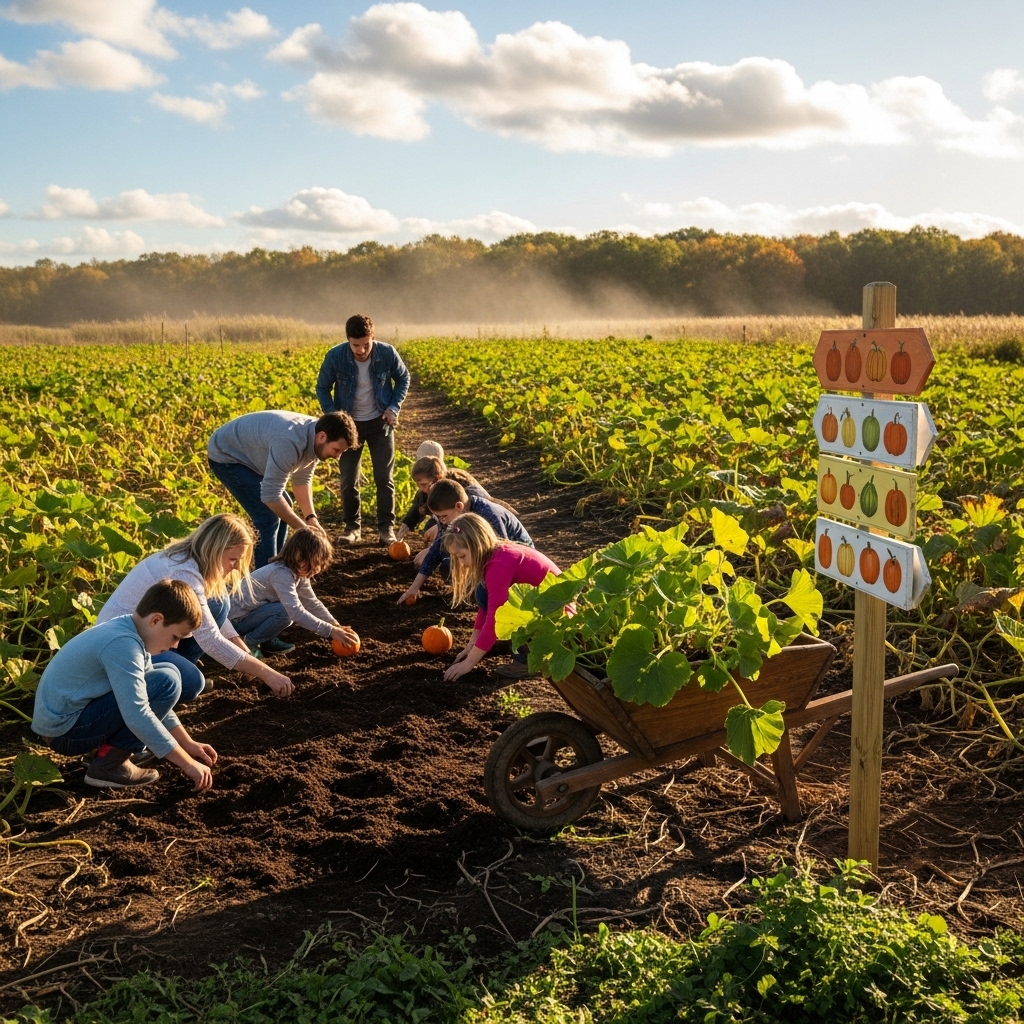
Once seedlings develop a few leaves, they enter the vegetative stage, where they focus on growing leaves and vines. This period is crucial, as the plant needs adequate sunlight and nutrients to establish a strong foundation. After several weeks of growth, the plant starts to flower. Male flowers usually appear first, followed by female flowers, which are the ones that will develop into pumpkins. Pollination is essential at this point, and I’ve often found that hand-pollinating can help yield better fruit, especially if there aren’t enough bees around.
Factors Influencing Growth Rates
Several factors can influence how quickly your pumpkins grow. Temperature plays a significant role; pumpkins thrive in warm weather, with ideal daytime temperatures ranging from 70°F to 90°F. I’ve learned that cooler temperatures can stunt growth or even kill the plants. Soil quality is another critical factor. Rich, well-draining soil with plenty of organic matter will support faster growth. I often mix in compost or well-rotted manure before planting to give my pumpkins the best chance.
Watering practices also impact growth rates. Pumpkins require consistent moisture, especially during the flowering and fruiting stages. I’ve noticed that inconsistent watering can lead to issues like blossom end rot or poor fruit development. Lastly, pests and diseases can hinder growth. I’ve had my share of battles with aphids and squash bugs, and learning to manage these threats has been key to my success in pumpkin growing. Read Interesting article: What to Plant With Corn to Keep Bugs Away – 10 Effective Companion Plants
Ideal Planting Times for Pumpkins
Regional Planting Zones
Understanding your regional planting zone is vital for timing your pumpkin planting. The USDA Plant Hardiness Zone Map divides the United States into zones based on average annual temperatures, which can directly impact when you should plant. For example, in warmer southern regions (zones 8-10), I’ve found that planting can start as early as late March to early April. In contrast, northern areas (zones 3-5) should wait until the danger of frost has passed, usually around mid to late May.
Another aspect to consider is your local climate. I’ve learned that microclimates exist within larger regions; for instance, if you live in a valley that tends to be cooler, you might want to plant a week or two later than the general recommendation for your zone. Observing local planting patterns and talking to fellow gardeners can provide valuable insights into the best planting times in your area.
Frost Dates and Their Importance
Frost dates are a critical factor when planning your pumpkin planting. Most pumpkin varieties cannot tolerate frost, so knowing the last expected frost date in spring is essential. I always keep track of the frost dates for my area, which helps me determine the safest time to plant. If I plant too early and the young plants get hit by frost, it can set back my entire harvest. I often wait a week or two after the last frost date to ensure the soil is warm enough for pumpkin seeds to germinate effectively.
Soil Temperature Requirements
The temperature of the soil is just as crucial as air temperature. Pumpkin seeds germinate best when soil temperatures are consistently between 70°F and 95°F. I remember the thrill of using a soil thermometer for the first time to check the temperature before planting my seeds. If the soil is too cold, seeds may rot instead of sprouting, which can be incredibly disheartening. If I’m unsure, I often opt to start my seeds indoors a few weeks before the last frost and transplant them once the soil warms up.
To ensure my soil reaches the right temperature, I’ve found that using black plastic mulch can help. It warms the soil while also suppressing weeds. I like to lay it down a week or two before planting, creating a cozy bed for my pumpkin seeds when the time is right.
Choosing the Right Pumpkin Variety
Types of Pumpkins for Different Harvest Goals
When it comes to selecting the right pumpkin variety, I’ve learned that it really depends on what you want to achieve with your harvest. If you’re looking to carve Jack-o’-lanterns for Halloween, traditional varieties like ‘Connecticut Field’ or ‘Howden’ are popular choices. I remember the thrill of choosing the perfect pumpkin for carving, and these varieties give you that classic shape and size that everyone recognizes.
For cooking and baking, I recommend varieties like ‘Sugar Pie’ or ‘Cinderella’ pumpkins. They are sweeter and have a more tender flesh, which makes them ideal for pies and soups. I’ve made some delicious pumpkin pies using ‘Sugar Pie’ pumpkins, and the flavor was so much richer than anything I’ve bought from the store. If you want to grow pumpkins for decoration, consider ‘White Ghost’ or ‘Miniature Pumpkin’ varieties for a unique twist in your fall decor.
There are also specialty pumpkins like the ‘Porcelain Doll,’ which has a beautiful pink hue and is perfect for ornamental purposes. I’ve seen these beauties at local farmers’ markets, and they always catch my eye. Think about your goals—whether it’s for carving, cooking, or decoration—and choose a variety that suits your needs.
Understanding Days to Maturity
Another essential factor in choosing a pumpkin variety is understanding its days to maturity. This tells us how long it takes for the pumpkin to grow from seed to harvest. I’ve found that most pumpkin varieties mature anywhere from 75 to 120 days, depending on their type. If you live in an area with a shorter growing season, you might want to select faster-maturing varieties.
For example, ‘Jack Be Little’ and ‘Baby Boo’ pumpkins are ready to harvest in about 90 days, making them perfect for those of us who can’t wait too long for that fall harvest. On the other hand, larger varieties like ‘Giant Atlantic’ can take longer to mature, often reaching up to 140 days. Knowing the days to maturity has helped me plan my planting schedule better, ensuring I harvest at the right time.
Preparing Your Garden for Pumpkin Planting
Soil Preparation and Testing
Once I’ve decided on the right pumpkin varieties to plant, it’s time to prepare the garden. Soil preparation is one of the most important steps. I always start by testing my soil to understand its pH and nutrient levels. A simple soil test kit can give you a good idea of what your soil needs. I learned that pumpkins prefer a slightly acidic to neutral pH, around 6.0 to 7.0.
After testing, I usually work in plenty of organic matter, like compost or well-rotted manure. This not only helps improve soil structure but also provides essential nutrients. I remember the first time I added compost to my garden; the difference in plant growth was remarkable! I also make sure to clear any weeds or debris, as they can compete with my pumpkin plants for nutrients and water.
Spacing and Layout Considerations
Another critical aspect of preparing my garden is considering spacing and layout. Pumpkins need plenty of room to spread out their vines. I typically plant my seeds about 3 to 4 feet apart in rows that are 6 to 8 feet apart. This spacing allows for proper airflow and sunlight exposure, which I’ve found is vital for healthy growth.
For those with limited space, I’ve experimented with vertical gardening techniques, using trellises for smaller pumpkin varieties. It’s a fun way to save space and can lead to easier harvesting. I’ve noticed that when I give my pumpkins room to grow, they flourish, and my harvest is much more bountiful.
Watering and Fertilization Tips
Before planting, I also think about my watering and fertilization plan. I’ve learned that pumpkins are heavy feeders and require a steady supply of moisture and nutrients. I typically use a balanced fertilizer at planting time and follow up with a high-potassium fertilizer when the plants begin to flower. This really helps boost fruit development!
I’ve also developed a watering routine that keeps the soil consistently moist but not soggy. I usually water deeply once or twice a week, depending on the weather. I find that using a soaker hose or drip irrigation is a great way to ensure even watering without soaking the foliage, which can lead to disease.
Common Mistakes to Avoid When Planting Pumpkins
Ignoring Local Climate Conditions
One of the biggest lessons I’ve learned in my pumpkin-growing journey is the importance of paying attention to local climate conditions. I used to think that once I had the right soil and seeds, I was set. However, I quickly found out that my plants didn’t thrive in every weather condition. For instance, I remember a year when I planted my pumpkins too early, thinking I could get a head start. Unfortunately, an unexpected cold snap hit, and my poor young plants didn’t stand a chance. I realized that observing local weather patterns and adapting to them is crucial for success.
When growing pumpkins, take note of your area’s average temperatures and rainfall patterns. I often check local forecasts and use historical climate data to choose the best planting times. If you notice that your region is prone to late frosts or sudden heatwaves, adjust your planting schedule accordingly. By syncing with your local climate, you can give your pumpkins the best shot at thriving.
Planting Too Early or Too Late
Timing can indeed make or break your pumpkin harvest. I’ve found that planting too early can expose your seedlings to frost, while waiting too long may cut into the growing season, preventing your pumpkins from fully maturing. I remember feeling the pressure to plant as soon as the calendar turned to May, but I learned the hard way that it’s not just about the month; it’s about the actual weather conditions.
If you’re unsure when to plant, I recommend using a soil thermometer to check the temperature. If the soil is still too cold, it’s better to wait a little longer. On the flip side, if you see that your growing season is short, consider starting seeds indoors or selecting quicker-maturing varieties to ensure you have a successful harvest before the first frost hits.
Overcrowding Seedlings
Another common mistake I’ve made—and one that many novice pumpkin growers fall into—is overcrowding seedlings. It’s tempting to plant as many seeds as possible to maximize my harvest. However, I’ve learned that pumpkins need space to sprawl. When I planted them too close together, they competed for sunlight, nutrients, and water, resulting in stunted growth and smaller pumpkins.
To avoid this, I now stick to a spacing guideline of 3 to 4 feet between each seed. I often visualize how large the vines will grow and ensure they have enough room to spread out without shading each other. If you’re in a smaller garden, consider using vertical gardening techniques or planting smaller pumpkin varieties that don’t need as much space. This way, I’ve found that my plants can flourish, leading to a healthier and more abundant harvest.
Maintaining Your Pumpkin Crop for Maximum Yield
Watering Practices During Growth
Once my pumpkins are planted, I shift my focus to maintaining them, and watering is one of the most critical aspects of that care. I’ve learned that pumpkins love moisture but can be sensitive to overwatering. I typically aim for a consistent moisture level in the soil, which means I check my garden regularly, especially during dry spells.
In my experience, using a soaker hose or drip irrigation system has been a game-changer. It delivers water directly to the roots while minimizing water loss through evaporation. I find I need to water deeply once or twice a week, depending on the weather. If the weather is particularly hot, I might increase that frequency. I also pay attention to the foliage; if I notice the leaves wilting, it’s a sign that my plants need more water.
Pest and Disease Management
Managing pests and diseases is another essential part of maintaining a healthy pumpkin crop. I remember the first time I noticed aphids on my plants. It was disheartening to see my hard work threatened by tiny insects. Since then, I’ve developed a more proactive approach to pest management. I often scout my plants regularly to catch any issues early on.
Companion planting has also worked wonders for me. For instance, I grow marigolds alongside my pumpkins to help deter pests naturally. If I do spot pests, I try using insecticidal soap or neem oil as my first line of defense. I’ve learned that keeping my garden clean and removing any debris or dead plants helps prevent disease and pests from taking hold.
Harvesting Techniques for Optimal Flavor
As the growing season comes to an end, I eagerly anticipate the harvest. I’ve discovered that timing my harvest is crucial for the best flavor. Pumpkins are typically ready to pick when their skin is hard and the color is vibrant. I remember the thrill of tapping on a pumpkin and hearing that solid sound, which signaled it was ready to come off the vine.
I now use a sharp knife or garden shears to cut the stem, leaving a few inches attached to the pumpkin. This not only makes for a cleaner look but also helps the pumpkin store longer. After harvesting, I take time to cure my pumpkins in a warm, dry place for a week or two. This process enhances their flavor and extends their shelf life. The joy of enjoying fresh pumpkin pie made from my homegrown pumpkins is truly rewarding!
Frequently Asked Questions
What is the best time to plant pumpkins?
The best time to plant pumpkins is typically between late May and early July, depending on your local climate.
How long does it take for pumpkins to grow from seed to harvest?
It generally takes about 90 to 120 days from planting to harvest, depending on the pumpkin variety.
What factors influence the growth rate of pumpkin plants?
Several factors influence growth rates, including temperature, soil quality, watering practices, and the presence of pests and diseases.
What are the ideal soil temperature requirements for planting pumpkins?
Pumpkin seeds germinate best when soil temperatures are consistently between 70°F and 95°F.
What are some popular pumpkin varieties for carving?
Popular varieties for carving Jack-o’-lanterns include ‘Connecticut Field’ and ‘Howden’.
What should I consider when preparing my garden for pumpkin planting?
When preparing your garden, consider soil preparation, spacing and layout, and your watering and fertilization plan.
What spacing is recommended for planting pumpkin seeds?
It is recommended to plant pumpkin seeds about 3 to 4 feet apart in rows that are 6 to 8 feet apart.
What is a common mistake to avoid when planting pumpkins?
A common mistake is planting seedlings too close together, which can lead to stunted growth due to competition for resources.
How can I manage pests and diseases in my pumpkin crop?
Pest and disease management can include regular scouting, companion planting, and using insecticidal soap or neem oil as needed.
When is the best time to harvest pumpkins for optimal flavor?
Pumpkins are typically ready to pick when their skin is hard and the color is vibrant, usually indicated by a solid sound when tapped.