
The best time to plant roses for the best blooms is in the spring or fall, depending on your climate. I’ve planted roses in both seasons and found that each has its advantages, making it essential to choose the right time for your specific conditions.
Understanding Rose Planting Basics
Before diving into the specifics of when to plant roses, it’s essential to understand some basic concepts about these beautiful flowers. Roses are not just a single type of flower; they come in various forms, colors, and sizes, each with unique requirements. Having a clear grasp of the types of roses you want to plant and the zones they thrive in can significantly influence your success as a gardener. Read Interesting article: How to Plant Roses for Healthy Blooms
Types of Roses
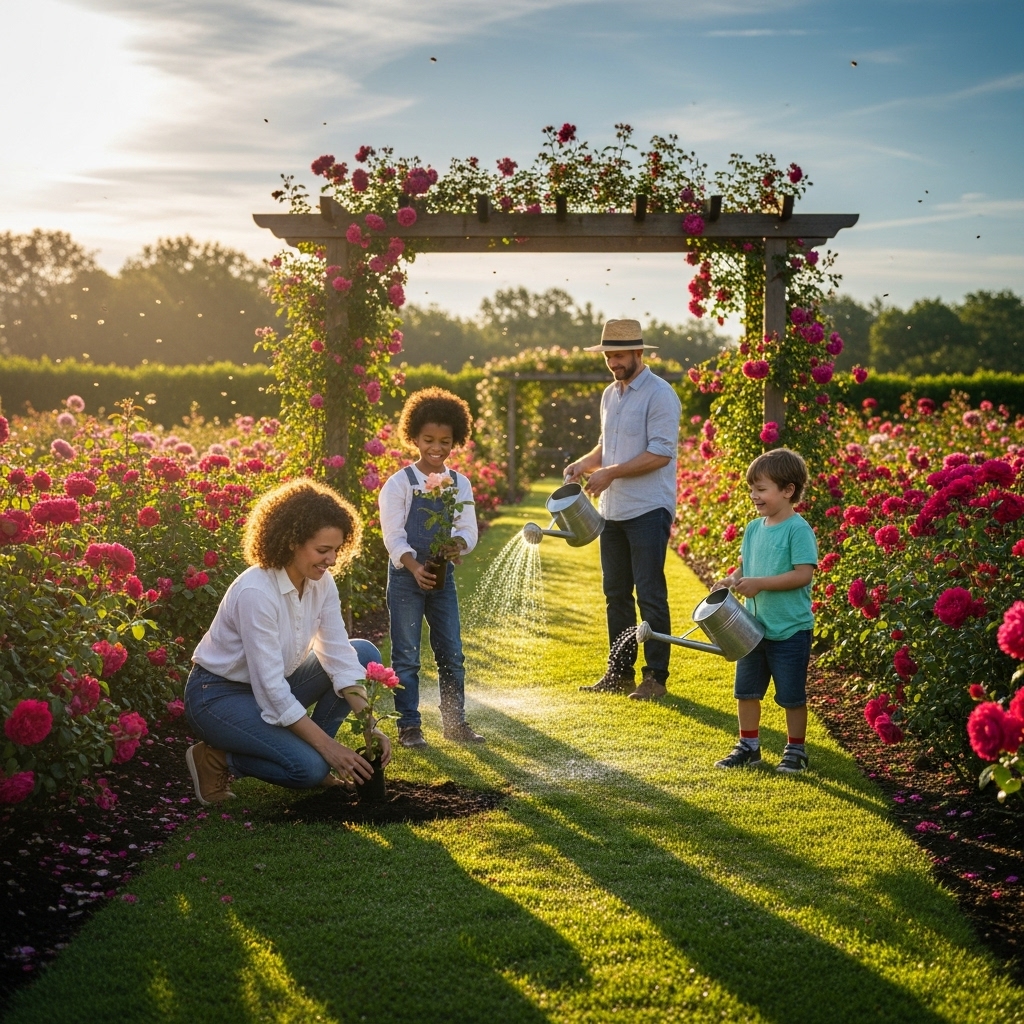
When I first started gardening, I was amazed at the variety of roses available. From the classic hybrid teas to the charming floribundas and climbing roses, each type has its own charm. Hybrid tea roses are known for their elegant blooms and long stems, making them perfect for cutting and arranging. Floribundas, on the other hand, produce clusters of flowers that bloom profusely, adding vibrant splashes of color to any garden. Climbing roses are excellent for trellises and arbors, offering a romantic, cascading effect.
Understanding these distinctions is vital. For example, if you’re in a region with a shorter growing season, you might want to lean towards more hardier varieties that bloom early and continue well into the fall. I’ve found that doing a bit of research into the specific needs of the rose type can lead to a more rewarding gardening experience. You can learn more about this in our article on What Type of Plant Is This? Quick Identification Guide.
Rose Planting Zones
Roses are categorized into hardiness zones, which indicate the best regions to grow them based on temperature and climate. The USDA Plant Hardiness Zone Map is a fantastic resource that I often refer to. Generally, roses thrive in zones 3 to 10, but specifics can vary greatly within these ranges.
For instance, in warmer areas, you might be able to plant your roses in early spring, while in cooler regions, it might be best to wait until the last frost has passed. I remember planting some roses too early in my cold climate and losing them to a late frost, which was a tough lesson to learn. It’s always a good idea to check your local frost dates and understand your zone before planting.
When to Plant Roses
Now that we’re familiar with the types of roses and planting zones, let’s delve into the timing of planting roses. Spring and fall are the most suitable seasons, each offering unique benefits.
Spring Planting: Ideal Conditions
Spring is often touted as the best time to plant roses. As the soil warms up and the risk of frost diminishes, roses start to awaken from their winter dormancy. For me, there’s something magical about spring planting. The world begins to bloom, and so does the excitement of nurturing new life.
When planting in spring, aim for mid to late March or early April, depending on your region. This timing allows your roses to establish their roots before the heat of summer sets in. I’ve noticed that roses planted in spring tend to grow more vigorously, as they can take full advantage of the longer days and warmer temperatures. Plus, they often produce their first blooms by summer, which is such a rewarding sight!
Fall Planting: Benefits and Considerations
While spring is popular, I’ve also had success with fall planting. In many areas, the best time to plant roses in the fall is about six weeks before the first expected frost. This timing allows the roots to develop in the cooler soil while the top growth remains dormant. I’ve found that fall-planted roses can sometimes produce an even more robust root system, as they focus their energy on growing underground during the winter.
However, there are considerations to keep in mind. When planting in the fall, I always ensure that I mulch well to protect the roots from freezing temperatures. Additionally, if you live in particularly harsh winters, you may want to avoid fall planting altogether, as the risk of root rot or damage from freezing can be significant.
Regional Timing Variations
The timing for planting roses can also vary significantly based on where you live. For example, in the southern states, I’ve seen gardeners planting as early as February. In contrast, those in northern climates might not plant until late May. It’s crucial to understand your local climate and adjust your planting schedule accordingly.
I’ve also learned the hard way that local weather patterns can shift, so it’s wise to stay informed about any unexpected early frosts or warm spells. Engaging with local gardening groups or even asking at your local nursery can provide valuable insights into the best planting times for roses in your area.
By understanding the best times to plant roses and considering the various factors that affect their growth, you can set yourself up for a beautiful and rewarding gardening experience. The joy that comes from nurturing these stunning flowers and watching them bloom is truly unmatched. It’s an adventure worth embarking on, and I can’t wait to share more about preparing for planting and how to care for these beloved plants. If you’re interested in propagation techniques, check out our guide on How to Plant Rose Cuttings Successfully.
Preparing for Planting
Once you’ve decided when to plant your roses, the next step is preparation. I’ve learned that taking the time to prepare properly can make a world of difference in the success of your rose garden. Here are a few key aspects to consider.
Soil Preparation and Testing
One of the most crucial steps in preparing for planting roses is ensuring that you have the right soil. I remember digging into my garden one season and discovering that the soil was compacted and lacked nutrients. It was a wake-up call! Roses thrive best in well-draining soil that has a good balance of organic material.
Before planting, I always take the time to test my soil. You can purchase a simple soil test kit from a garden center or send a sample to a local extension service. This will help you understand the pH level and nutrient content. Ideally, roses prefer slightly acidic to neutral soil, around a pH of 6.0 to 7.0. If your soil is too acidic, you can add lime; if it’s too alkaline, sulfur can help lower the pH.
Additionally, I like to enrich my soil with compost or well-rotted manure. Mixing in these organic materials not only improves soil texture but also provides essential nutrients that roses need to grow strong and healthy. I usually mix in a few inches of compost to the top layer of soil and till it in, which has worked wonders for my garden.
Choosing the Right Location
Finding the perfect spot for your roses is another vital step. I’ve learned that roses love sunlight, so I always try to choose a location that gets at least six hours of sun each day. For me, a sunny spot not only helps the roses thrive but also brings joy to my garden space.
However, I also consider airflow. When I planted my first roses, I didn’t realize how important spacing was. I planted them too close together, which led to poor air circulation and increased the risk of fungal diseases. Now, I make sure to give my roses enough room to breathe. A good rule of thumb is to space them at least 18 to 24 inches apart, depending on the variety. This allows for proper growth and airflow, helping to keep pests and diseases at bay.
In addition to sunlight and spacing, I also think about protection from harsh winds. If you have a particularly windy area, consider placing your roses near a fence or hedge that can act as a windbreak. I’ve found that this small change can dramatically improve the overall health and beauty of my roses.
Tools and Supplies Needed
Having the right tools on hand can make the planting process much smoother. I remember the first time I attempted to plant roses; I was scrambling to find everything I needed! Now, I keep my gardening tools organized and ready to go. Here’s a quick list of essentials that I recommend having on hand:
- Shovel or spade: For digging the holes and mixing soil.
- Garden fork: Useful for aerating the soil.
- Pruning shears: To trim any damaged roots or foliage.
- Watering can or hose: For watering immediately after planting.
- Mulch: To help retain moisture and suppress weeds.
- Gloves: To protect your hands while planting and handling soil.
Having these tools ready not only speeds up the planting process but also makes it more enjoyable. I always feel more prepared and less stressed when I know I have everything I need at my fingertips.
Planting Techniques for Optimal Growth
With the right conditions set, it’s time to get those roses in the ground! I’ve found that using proper planting techniques can lead to better establishment and growth. Here’s how I approach the planting process.
How to Properly Dig a Hole
When it comes to digging the hole for my rose bushes, I like to dig a hole that’s at least twice the width of the root ball and just as deep. This gives the roots plenty of space to spread out. If the roots are cramped, they can struggle to grow. I usually make the hole about 12 to 18 inches deep, depending on the size of the plant I’m putting in.
Before placing the rose in the hole, I like to loosen the soil at the bottom and sides to help the roots penetrate easily. Sometimes, I’ll add a little compost at the bottom of the hole to give them a nutrient boost right from the start.
Spacing Requirements for Different Rose Types
As I mentioned earlier, spacing is crucial for the health of your roses. Different types of roses have varying spacing requirements. For instance, hybrid tea roses often need more space than floribundas because they grow taller and wider. I’ve learned that a good rule is to give hybrid teas about 24 to 36 inches between each plant, while floribundas can get away with 18 to 24 inches.
If you’re planting climbing roses, make sure to provide adequate space for them to climb and spread. I’ve found that planting them near a sturdy trellis or support system makes a huge difference in how they grow and flourish.
Watering Techniques After Planting
After planting, I make it a priority to water my roses properly. I usually give them a deep soak right after planting, ensuring the soil is moist but not waterlogged. It’s important to water at the base of the plant rather than from above, as this helps to avoid fungal diseases. I often use a soaker hose or watering can to gently water the area around the roots.
For the first few weeks, I keep a close eye on my newly planted roses. I water them regularly, especially if there’s a dry spell. I’ve learned that keeping the soil consistently moist (but not saturated) during this initial period is key to helping them establish a strong root system.
Factors Affecting Bloom Quality
Now that we’ve covered the basics of planting roses, let’s delve into what truly makes those blooms pop. I’ve learned that several key factors can significantly influence the quality of your rose blossoms. Understanding these aspects can elevate your gardening game and lead to stunning displays in your garden.
Sunlight Requirements
One of the most crucial factors for beautiful blooms is sunlight. I can’t stress enough how much roses love the sun! Ideally, roses should receive at least six to eight hours of direct sunlight each day. In my experience, I’ve observed that when my roses are well positioned in sunny spots, they bloom more profusely and show vibrant colors. It’s almost like they thrive on that sunshine!
If you’re in a particularly hot climate, I’ve found that some afternoon shade can actually be beneficial. Too much direct sun can scorch the leaves and hinder the overall health of the plant. I recommend observing your garden throughout the day to see how much sunlight your chosen spot gets. This way, you can find the perfect balance for your roses.
Watering and Fertilization Practices
Watering practices have been another key learning experience for me. Roses prefer deep watering rather than frequent shallow watering. I usually aim to water deeply once a week, especially during dry spells. This encourages deep root growth, making the plants more resilient. I tend to soak the base of the plant, avoiding the leaves to prevent fungal diseases.
Fertilization is also vital for blooming. I’ve experimented with various fertilizers, and I’ve found that a balanced, slow-release fertilizer works wonders. Typically, I start fertilizing in early spring when the new growth begins. Following the manufacturer’s instructions is essential, as over-fertilizing can lead to excessive foliage growth at the expense of blooms.
For me, a good practice is to incorporate organic options like compost or well-rotted manure. These not only provide essential nutrients but also improve soil health over time. I usually add a layer of compost in late winter or early spring to give my roses a nice nutrient boost as they begin to grow.
Pest and Disease Management
Pests and diseases can be the bane of any rose gardener’s existence. I’ve learned this lesson a few times in my gardening journey. Aphids, spider mites, and various fungal infections can wreak havoc on your plants. I always keep a close eye on my roses for any signs of trouble.
Preventative measures have worked best for me. I’ve found that regular inspections and maintaining good air circulation around the plants can help keep many pests at bay. I also like to use companion planting strategies. For example, planting marigolds nearby can deter certain pests naturally.
If issues do arise, I prefer to opt for organic methods whenever possible. Neem oil has been a reliable go-to for me. It’s effective against various pests and is safe for the environment. I mix it with water and spray it on the affected areas, usually in the early morning or late afternoon to avoid burning the leaves in the sun.
As for diseases, I make sure to water at the base of the plants and avoid getting water on the foliage, which can promote fungal growth. If I notice any leaves that appear to be diseased or infested, I promptly remove them to prevent spreading. Keeping the garden tidy has proven essential in maintaining the overall health of my roses.
Seasonal Care for Roses
Now that we’ve covered factors affecting bloom quality, let’s talk about seasonal care. I’ve discovered that roses require different attention depending on the time of year. Adjusting my care practices has helped my roses thrive throughout the seasons.
Spring Care Tips for New Rose Plants
In spring, when my roses are waking up from dormancy, I make it a point to inspect them closely. I prune away any dead or damaged branches, which helps promote new growth. It’s always gratifying to see fresh buds starting to form! I also apply a layer of mulch to help retain moisture and suppress weeds.
I like to fertilize my roses in early spring, as I mentioned earlier. This provides them with the nutrients they need as they start to grow. Regular watering during this period is crucial, especially if spring turns out to be dry. I’ve learned to be attentive to their needs and adjust my watering schedule accordingly.
Summer Maintenance for Best Blooms
Summer is when my roses are in full swing, and this is where the magic happens. I make sure to keep a consistent watering schedule, as this is the hottest time of the year. I also continue to deadhead spent blooms to encourage new flowers. It’s a simple task that has made a significant difference in my garden’s aesthetics.
Additionally, monitoring for pests during the summer is essential. I often find that the warm weather brings out more insects. Regularly checking for any signs of trouble helps me catch issues early, which is key to maintaining healthy plants.
Preparing Roses for Winter
As summer fades into fall, I shift my focus to preparing my roses for winter. I usually prune back the plants to minimize wind damage and promote strong growth in the spring. I also apply a thick layer of mulch around the base to protect the roots from freezing temperatures.
In colder regions, I sometimes wrap the base of the plants with burlap or use rose cones, which provide extra insulation. I’ve learned that taking these precautions can make a huge difference in how well my roses come back the following spring.
Frequently Asked Questions
What is the best time to plant roses?
The best time to plant roses for optimal blooms is in the spring or fall, depending on your climate.
What are the different types of roses?
Roses come in various types, including hybrid teas, floribundas, and climbing roses, each with unique characteristics and requirements.
What are hardiness zones for roses?
Roses are categorized into hardiness zones based on temperature and climate, generally thriving in zones 3 to 10, but specifics can vary greatly within these ranges.
When should I plant roses in the spring?
In spring, aim to plant roses around mid to late March or early April, depending on your region, to allow them to establish roots before the summer heat.
What are the benefits of fall planting for roses?
Fall planting allows roses to develop robust root systems in cooler soil while the top growth remains dormant, provided they are planted about six weeks before the first expected frost.
How should I prepare the soil for planting roses?
Prepare the soil by ensuring it is well-draining and nutrient-rich. Testing the soil for pH levels and mixing in compost or well-rotted manure can improve its quality.
What location is best for planting roses?
Roses prefer a sunny location that receives at least six hours of sunlight each day, along with good airflow and adequate spacing between plants.
What tools are necessary for planting roses?
Essential tools for planting roses include a shovel or spade, garden fork, pruning shears, watering can or hose, mulch, and gloves.
How often should I water newly planted roses?
Newly planted roses should be deeply watered right after planting and monitored regularly for moisture, especially during dry spells, aiming for consistently moist soil without saturation.
What should I do to care for roses in spring?
In spring, inspect roses closely, prune dead or damaged branches, apply a layer of mulch, and fertilize early to support new growth, while ensuring regular watering.