
The best time to plant strawberries for maximum fruit is in the spring, after the last frost, or in the fall, about six weeks before the ground freezes. I’ve found that planting at these times allows the plants to establish strong roots, leading to healthier growth and a bountiful harvest. Read Interesting article: Growing Strawberries in Pots: Essential Care Tips for Container Strawberries
Understanding Strawberry Varieties
Before diving into the best planting times, it’s crucial to understand the different types of strawberries. Each variety has unique characteristics that can influence when and how we plant them. Over the years, I’ve spent hours researching and experimenting with various types, and I’ve learned that knowing your strawberries can significantly impact your gardening success.
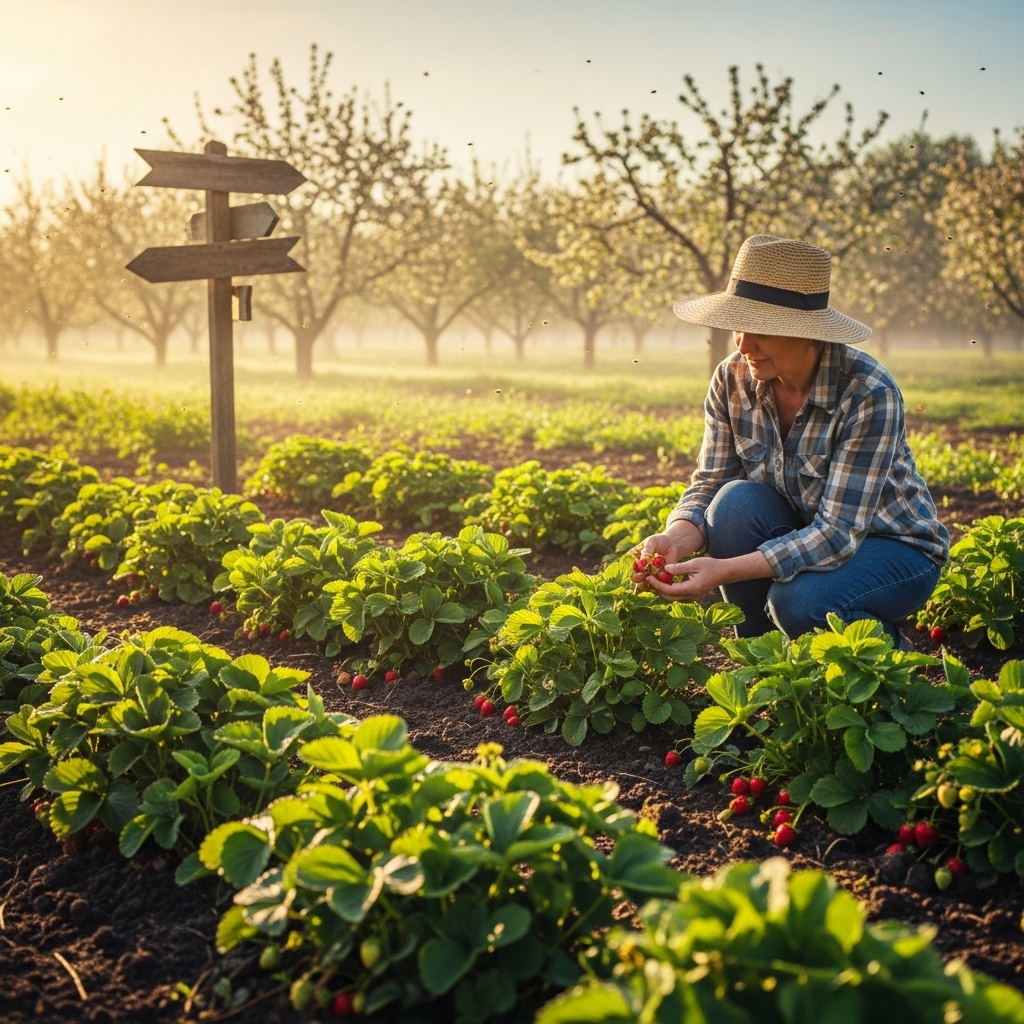
June-Bearing Strawberries
June-bearing strawberries are perhaps the most popular variety. They produce a single large crop in late spring to early summer. I remember the first time I grew June-bearing strawberries; the anticipation built throughout the spring, and when the fruits finally arrived, it felt like a mini celebration in the garden. These plants typically thrive best when planted in early spring. This timing allows them to establish themselves before producing fruit. If you’re located in a colder climate, aim to plant them after the last frost, around mid-April to early May.
Everbearing Strawberries
Everbearing strawberries, on the other hand, provide two to three harvests throughout the growing season. They are perfect for those who want to enjoy strawberries from late spring through fall. I discovered that these plants are quite forgiving regarding planting times. You can plant them in early spring or late summer, and they will produce fruit in late spring and again in the fall.
When I grew everbearing strawberries, I noticed that they thrived particularly well when I planted them in late summer. The warmer weather helped them to produce a good crop before the cooler temperatures set in. This variety is excellent for extending the strawberry season, giving you fresh berries for a more extended period. Read Interesting article: Yellowing Strawberry Leaves: Diagnosing and Treating Chlorosis in Strawberries
Day-Neutral Strawberries
Day-neutral strawberries are another interesting type. They produce fruit regardless of daylight length. This means that, unlike June-bearers, they can yield strawberries throughout the summer and into the fall. I was fascinated by their resilience when I planted them in mid-summer; they continued to produce fruit well into the fall, long after my other plants had stopped. For day-neutral varieties, spring planting is ideal, but you can also plant them late in the summer. They need warm soil to get going, so it’s best to wait until the soil temperature is consistently above 60°F.
Optimal Planting Times for Strawberries
Once we’ve covered the varieties, let’s talk about the optimal planting times for strawberries. Timing can make all the difference in how well your plants establish and how much fruit they yield. From my experience, understanding the local climate and the specific needs of each variety is essential.
Spring Planting Considerations
Spring planting is often the go-to option for many gardeners. This is when the soil starts to warm up and the risk of frost diminishes. I’ve always felt that there’s something magical about planting in spring; the promise of warmer weather and new growth feels invigorating. When planting in spring, aim for a time after the last frost date in your area, typically around mid-April to early May.
I recommend preparing the soil a couple of weeks in advance. This way, you can ensure it’s nutrient-rich and ready to support the young plants. I’ve found that this proactive approach leads to a more robust and fruitful harvest.
Fall Planting Benefits
Fall planting is a less common but highly beneficial option. When I first tried planting strawberries in the fall, I was surprised at how well they established themselves before winter. Ideally, you want to plant about six weeks before the ground freezes, allowing the roots to develop. This way, when spring arrives, your plants are already ahead of the game.
Fall planting can give strawberries a head start on the growing season, which can be especially advantageous in colder climates. I noticed that my fall-planted strawberries produced earlier and more abundantly the following summer compared to those planted in spring.
Climate and Regional Variations
Your local climate plays a significant role in determining the best planting time. I’ve observed that in warmer regions, like the southern United States, gardeners can plant strawberries in the fall and enjoy an early harvest. On the other hand, in cooler areas, spring planting is usually more successful.
Regardless of where you live, I recommend checking the USDA Plant Hardiness Zone Map to understand your climate better. This simple tool has helped me gauge the best planting times and varieties suited for my garden. I also find it helpful to connect with local gardening groups or consult local extension services; their insights can be invaluable.
Soil Preparation and Conditions
Soil preparation is a critical step that I’ve learned can significantly affect the health and productivity of my strawberry plants. It’s not just about digging a hole and dropping in a plant; the right soil conditions set the stage for a fruitful garden. Over the years, I’ve tweaked my soil preparation techniques, and I’m excited to share what I’ve found works best.
Soil pH and Nutrients
First off, let’s talk about soil pH. Strawberries thrive in slightly acidic soil with a pH between 5.5 and 6.5. I remember when I first started, I didn’t think much about pH, but after a few disappointing harvests, I decided to test my soil. To my surprise, my soil was too alkaline. Once I adjusted it by adding sulfur, the plants flourished like never before! I highly recommend getting a soil test kit to check the pH and nutrient levels before planting. It’s a small investment that pays off in the long run.
Along with pH, ensuring your soil has the right nutrients is essential. Strawberries need nitrogen, phosphorus, and potassium to grow strong and produce sweet fruit. I usually incorporate well-rotted compost or aged manure before planting. Not only does it improve soil structure, but it also provides a range of nutrients. I’ve noticed that my strawberries have a richer flavor and better yield when I start with nutrient-rich soil.
Drainage and Sunlight Requirements
Next, let’s consider drainage. Strawberries don’t like “wet feet,” which means soggy soil can lead to root rot and other issues. I’ve found that planting strawberries in raised beds or mounds helps with drainage. This setup allows excess water to escape, ensuring the roots have access to moisture without being waterlogged. If you have heavy clay soil, you might want to mix in sand or organic matter to improve drainage.
Sunlight is another crucial factor. Strawberries need at least six to eight hours of direct sunlight each day to produce a good crop. I’ve planted strawberries in partially shaded areas before, and while they still grew, the fruit was sparse and less flavorful. Finding a sunny spot in your garden can really make a difference in your harvest.
Organic Matter and Fertilization
Adding organic matter to your soil is one of the best things you can do for your strawberries. I learned this lesson the hard way after a few years of relying solely on chemical fertilizers. While they can offer quick fixes, they often lack the long-term benefits that organic matter provides. Compost, straw, or shredded leaves not only improve soil structure but also enhance moisture retention, which is vital, especially during dry spells.
When it comes to fertilization, I recommend using a balanced organic fertilizer during the growing season. I usually apply it about a month after planting, which provides the young plants with the nutrients they need to thrive. I’ve seen firsthand how a little extra care can lead to healthier plants and tastier fruit.
Transplanting vs. Direct Seeding
Now that we’ve got soil preparation down, it’s time to consider how to get those strawberries into the ground. One of the key decisions I faced early on was whether to transplant young plants or sow seeds directly. Both methods have their merits, and I’ve tried both, so let me share what I’ve learned.
Advantages of Transplanting Strawberry Plants
Transplanting has been my go-to method for a few reasons. First, it gives you a head start. When you buy young plants or start them indoors, you can control the conditions better and ensure they’re healthy before they hit the garden. I remember my first year transplanting; I was amazed at how quickly the plants adapted and began to produce fruit. Transplants can establish better than seeds because they have a head start in growth and are less susceptible to pests and diseases at this early stage.
Another advantage is consistency. With transplants, you know exactly what you’re getting. The plants have been bred for specific traits, whether it’s flavor, size, or yield. I’ve also found that transplanting is often more reliable, especially for new gardeners. It minimizes the risk of seed failure, which can happen due to poor germination or unfavorable weather conditions.
Direct Seeding Techniques
However, direct seeding has its own appeal. I’ve had success with this method, too, especially for certain varieties. It can be a cost-effective option since seeds are generally cheaper than plants. If you choose to go this route, timing is crucial. I usually wait until the soil temperature is warm enough, ideally at least 60°F, to ensure good germination. I’ve found that sowing seeds in rows allows for better spacing and easier maintenance later on.
One challenge with direct seeding is that it can require more patience. Seeds take longer to germinate, and you may face setbacks from weeds or pests that target young seedlings. I learned to manage weeds early on, using mulch to suppress them while my strawberry plants got established. Overall, whether you transplant or seed directly depends on your preferences and gardening style.
Watering and Care After Planting
After planting strawberries, I’ve learned that proper watering and care are essential for their growth and productivity. Just like us, plants need the right amount of water to thrive, and getting this balance right can sometimes feel tricky. I remember the first time I planted strawberries; I underestimated how much care they required. Now, I take a more informed approach, and it has made a world of difference.
Irrigation Methods for Strawberries
When it comes to watering, I’ve experimented with various irrigation methods. Drip irrigation has become my favorite. This method delivers water directly to the base of the plants, minimizing evaporation and ensuring that the roots get the moisture they need. I found that this not only conserves water but also helps prevent diseases that can occur when the leaves are wet.
In the early stages, I usually water my strawberry plants every other day, especially if there’s no rain. Once they’re established, I can reduce this to about once a week, depending on the weather. I’ve learned to check the soil moisture by sticking my finger about an inch into the soil. If it feels dry, it’s time to water. This simple test has saved me from over- or under-watering my plants.
Another method I’ve tried is using soaker hoses. They lay on the ground and slowly release water, which is great for keeping the soil consistently moist. I’ve found that both methods work well, but drip irrigation tends to be more efficient in the long run.
Mulching Techniques for Moisture Retention
Mulching is another practice I’ve embraced wholeheartedly. I remember the first year I didn’t mulch my strawberry bed; the weeds overtook the plants, and I struggled to keep them hydrated. Now, I use straw or shredded leaves as mulch. It’s incredible how much of a difference it makes! Mulching helps retain moisture in the soil, reduces the growth of weeds, and even keeps the fruit clean and off the soil, which is a bonus.
Typically, I lay down a layer of mulch about two to three inches thick around my strawberry plants. This not only conserves water but also moderates soil temperature, helping the plants thrive during both hot and cool spells. I’ve noticed that my strawberries were significantly less affected by temperature fluctuations since I started mulching. Plus, it’s a great way to recycle yard waste!
Pest and Disease Management
No garden is without its challenges, and strawberries are no exception. Over the years, I’ve had to learn a lot about pest and disease management. I remember the anxiety I felt when I first spotted pests on my plants—my heart sank at the thought of losing my precious strawberries. However, with some knowledge and proactive measures, I’ve been able to keep my plants healthy.
Common Pests Affecting Strawberries
One of the most common pests I’ve encountered is the strawberry weevil. These little creatures can cause havoc if not controlled. I’ve found that keeping the garden clean and removing any dead leaves or debris helps reduce their presence. I also use row covers during the early stages of growth to protect my plants from pests while they’re still young and vulnerable.
Another pest I’ve dealt with is aphids. These tiny insects can cluster on the undersides of leaves, sucking sap and weakening the plants. I learned to keep an eye out for them and, if necessary, spray a mixture of water and mild soap to help eliminate them without harming the plants.
Diseases to Watch For
In addition to pests, I’ve had my fair share of disease issues. One of the most concerning diseases is powdery mildew. It usually appears during hot, dry weather. When I first noticed it, I was worried about how to treat it. I found that increasing air circulation around my plants and avoiding overhead watering helped prevent its spread. If I see any signs, I quickly remove affected leaves and apply a fungicide if needed.
Root rot is another disease I’ve had to battle. It often arises from overly wet soil, which is why proper drainage is so important. I make sure not to overwater and to use well-draining soil to keep my plants healthy.
Preventative Measures and Treatments
Preventative measures are key to reducing the risk of pests and diseases. I’ve learned that rotating my crops each year helps break the cycle of pests and diseases. I also try to plant companion plants that can deter pests naturally, like marigolds. In addition to these strategies, I regularly inspect my plants for any signs of trouble, which allows me to act quickly if issues arise.
Overall, managing pests and diseases has become a part of my routine as a strawberry gardener. With these experiences and strategies, I feel more equipped to nurture my plants and enjoy the sweet rewards of my hard work. It’s all about being proactive and observant, and I’ve found that even small actions can lead to big improvements in the health of my strawberry garden.
Frequently Asked Questions
What is the best time to plant strawberries for maximum fruit?
The best time to plant strawberries for maximum fruit is in the spring, after the last frost, or in the fall, about six weeks before the ground freezes.
What are the different types of strawberry varieties?
There are several types of strawberry varieties, including June-bearing, Everbearing, and Day-Neutral strawberries, each with unique characteristics that influence planting times and yield.
When should June-bearing strawberries be planted?
June-bearing strawberries are best planted in early spring, ideally after the last frost, around mid-April to early May.
How many harvests do Everbearing strawberries produce?
Everbearing strawberries produce two to three harvests throughout the growing season, providing strawberries from late spring through fall.
What is the optimal planting time for Day-Neutral strawberries?
Day-Neutral strawberries can be planted in the spring or late summer. Spring planting is ideal, but they also thrive when planted in warm soil during late summer.
What is the recommended soil pH for growing strawberries?
Strawberries thrive in slightly acidic soil with a pH between 5.5 and 6.5.
What are some effective irrigation methods for strawberries?
Drip irrigation and soaker hoses are effective methods for watering strawberries, as they deliver moisture directly to the roots and help prevent diseases.
How does mulching benefit strawberry plants?
Mulching helps retain moisture, reduces weed growth, and keeps the fruit clean off the soil, which contributes to healthier strawberry plants.
What common pests should I watch for when growing strawberries?
Common pests affecting strawberries include the strawberry weevil and aphids. Keeping the garden clean and using row covers can help control these pests.
What preventative measures can be taken against diseases in strawberries?
Preventative measures include rotating crops, planting companion plants that deter pests, and regularly inspecting plants for early signs of trouble.