
The best time to plant strawberry plants for optimal yield is in early spring or late summer to early fall, depending on your climate zone. I’ve found that timing can significantly impact both the health of the plants and the abundance of the harvest. Read Interesting article: How to Grow Strawberry Plants for Maximum Yield
Understanding Strawberry Plant Varieties
Before diving into when to plant strawberry plants, it’s essential to understand the different varieties available. Each type has unique characteristics that influence when and how they should be planted. I remember when I first started gardening; I was overwhelmed by the options but learned that understanding these varieties makes a big difference in planning my garden.
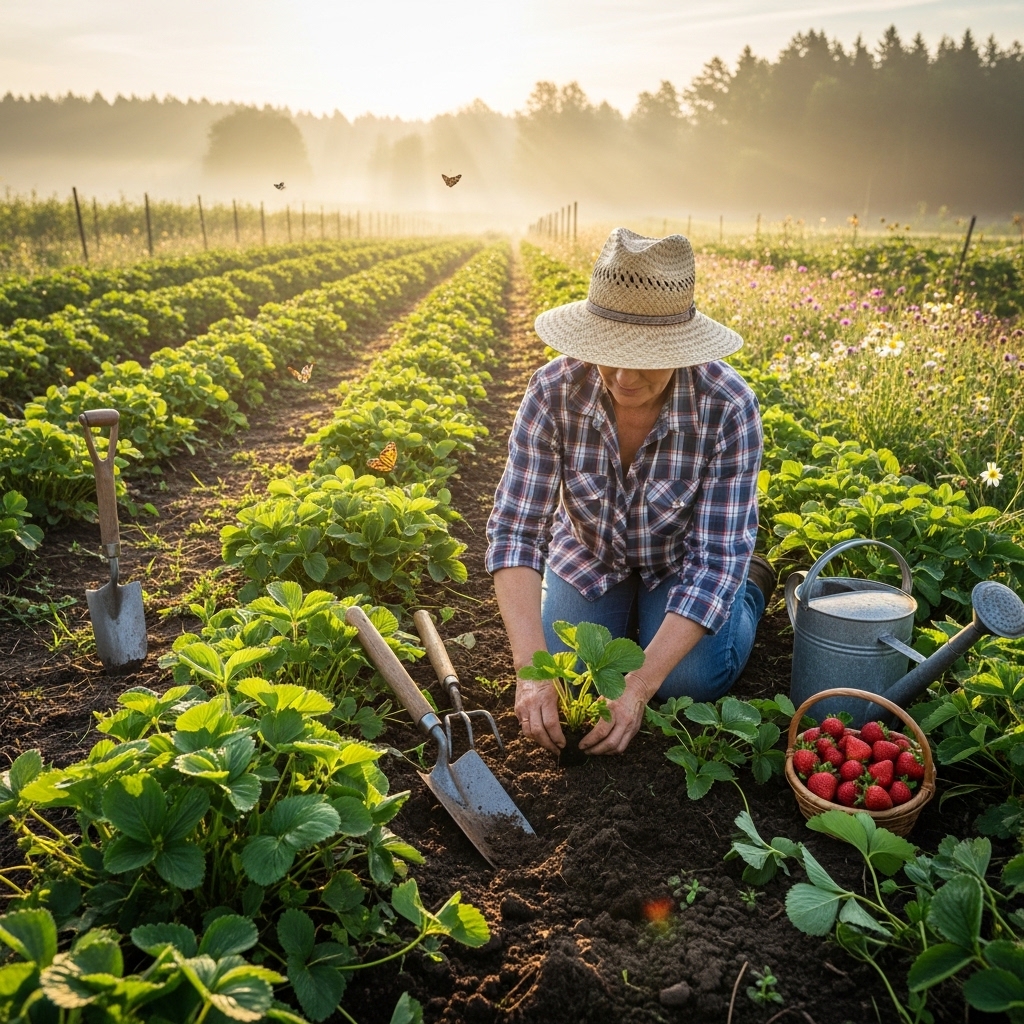
June-Bearing Strawberries
June-bearing strawberries are perhaps the most popular variety. They produce a single, large harvest in late spring to early summer, typically peaking in June. I’ve enjoyed the abundance of ripe strawberries during this time, which are perfect for making jam or enjoying fresh. For planting, the best time is in early spring. This allows the plants to establish themselves before they bloom and fruit. However, if you live in a warmer climate, you might consider a fall planting to give them a head start for the following spring.
Everbearing Strawberries
Everbearing strawberries provide multiple harvests throughout the growing season, typically in spring, summer, and fall. This variety has been a favorite in my garden because it offers the chance to enjoy fresh strawberries over a more extended period. I’ve found that planting these in early spring works well, but they can also be planted in late summer if you’re in a milder climate. This staggered harvest means I get to enjoy strawberries longer, which feels like a little reward for my gardening efforts.
Day-Neutral Strawberries
Day-neutral strawberries are a bit unique. They can produce fruit throughout the growing season, regardless of day length. I remember planting them in my garden and being surprised at how productive they were! For day-neutral varieties, early spring or late summer planting is ideal. This flexibility allows gardeners like us to adapt to our specific climate conditions and still reap a bountiful harvest.
Optimal Planting Times for Strawberry Plants
Now that we’ve covered the types of strawberries, let’s get into the optimal planting times. Timing can vary based on where you live, but I’ve found some general rules that work well in most situations.
Spring Planting
Spring planting is often the most common choice, especially for June-bearing strawberries. As the frost risk diminishes and soil temperatures rise, usually around mid-April to early May in many areas, it’s a great time to get your plants in the ground. I’ve noticed that planting during this time allows the plants to establish strong root systems before the heat of summer arrives. Plus, watching them burst into bloom as the weather warms up is such a joy!
Fall Planting
If you’re considering fall planting, late summer or early fall is the best window, generally from late August to early September. This is particularly beneficial for those in warmer climates or for everbearing and day-neutral varieties. The cooler temperatures help the plants focus on rooting rather than fruiting, making them stronger for the following spring. I’ve experimented with this and found that my fall-planted strawberries thrive and produce better yields. Just make sure to mulch them well to protect against frost.
Regional Climate Considerations
Climate plays a significant role in determining when to plant. For instance, I live in a region where winters are harsh, so early spring planting is crucial. In contrast, gardeners in warmer areas can sometimes get away with planting as late as September. I’ve learned that understanding my local climate and microclimate can be the difference between a mediocre yield and a garden bursting with strawberries. If you’re unsure, check with local gardening centers or online resources specific to your area to get the best advice on timing. Read Interesting article: Brown Leaves on Strawberry Plants: Understanding the Causes and Solutions
As we’ve seen, knowing when to plant strawberry plants is just the beginning of the journey to a fruitful harvest. Each variety offers unique benefits, and the right timing can lead to a bountiful yield. I can’t wait to share more about the next steps in ensuring your strawberry plants thrive!
Soil Preparation for Strawberry Planting
Preparing the soil for strawberry planting is one of the most critical steps I’ve come to appreciate over the years. I’ve learned that good soil can make all the difference in how well my plants thrive and how abundant my harvests are. Let’s dive into what you need to know about soil preparation.
Soil pH Levels
One of the first things I check when preparing soil for strawberries is the pH level. Strawberries prefer slightly acidic soil, ideally between 5.5 and 6.5. I remember the first time I tested my soil and found it to be too alkaline. It was a bit disheartening, but I quickly learned that I could amend it with sulfur to bring it down to the right level. Using a soil test kit is easy and gives you a clear picture of what you’re working with, which can save you a lot of headaches down the road.
Soil Drainage and Fertility
Drainage is another crucial factor for strawberry plants. They’re not fans of soggy roots, so I always ensure that the soil drains well. If your garden bed has heavy clay soil, you might want to consider raised beds or adding sand to improve drainage. I’ve mixed in some perlite as well, which has worked wonders for me. It’s also important to enrich the soil with nutrients. Strawberries are hungry plants! I like to incorporate well-rotted manure or a balanced organic fertilizer to boost fertility. This preparation helps the plants establish strong roots and flourish.
Organic Matter and Composting
In my gardening journey, I’ve found that organic matter is like gold for strawberry plants. Adding compost not only improves soil structure but also provides essential nutrients. I make it a habit to create a compost pile with kitchen scraps and yard waste. The first time I used my homemade compost in the garden, I was amazed at how much healthier my plants looked. Mixing about 2 to 4 inches of compost into the soil before planting makes a significant difference, and it’s an excellent way to recycle waste while giving my strawberries a nutrient boost.
Best Conditions for Strawberry Growth
Once the soil is prepared, the next step is to ensure that my strawberries grow in the best conditions possible. I’ve discovered that paying attention to a few key factors can lead to a more fruitful harvest.
Sunlight Requirements
Strawberries thrive in full sunlight, which means they need at least 6 to 8 hours of direct sunlight each day. I remember when I planted my strawberries in a partially shaded area, thinking they would be fine. I didn’t get the yields I expected, and it was a learning moment for me. Now, I always scout for the sunniest spot in my garden. If you’re limited in space, consider using containers or vertical gardening techniques to maximize exposure to sunlight.
Watering Needs
Watering is another essential aspect of growing strawberries successfully. I’ve learned that consistent moisture is key, especially during the flowering and fruiting stages. I try to keep the soil evenly moist but not waterlogged. I’ve found that drip irrigation works great because it delivers water directly to the roots, helping to prevent common issues like fungal diseases. Also, I water my plants early in the morning, which allows the leaves to dry out during the day and reduces the risk of mildew.
Temperature Preferences
Temperature plays a crucial role in strawberry growth. They prefer cooler temperatures, typically around 60°F to 80°F. I’ve noticed that extreme heat can stress the plants, leading to reduced yields or poor fruit quality. If I’m expecting a heatwave, I sometimes use shade cloth to protect my plants during the hottest part of the day. Early spring and fall plantings can also help me take advantage of the cooler growing conditions, which the strawberries seem to love.
Common Mistakes to Avoid When Planting Strawberries
As I’ve gained experience, I’ve also stumbled upon some common mistakes that I believe are worth sharing. Avoiding these pitfalls can make a significant difference in the success of my strawberry plants.
Planting Too Late or Early
One of the biggest errors I made early on was planting at the wrong time. If you plant too early, the young plants might not survive a late frost, while planting too late can prevent the plants from establishing before winter. I’ve learned to be mindful of my local climate and to pay attention to weather forecasts to find the perfect planting window.
Neglecting Soil Health
Ignoring the condition of the soil is another mistake that can lead to poor strawberry growth. I used to focus only on watering and sunlight, but I realized that if the soil isn’t healthy, my plants won’t be either. Regularly testing the soil, adding organic matter, and ensuring proper drainage have become part of my routine.
Overcrowding Plants
Finally, overcrowding is something I’ve had to watch out for. Strawberries need space to grow and breathe. I remember planting them too close together, and they ended up competing for nutrients and sunlight. Now, I make sure to follow the spacing recommendations for each variety, giving them plenty of room to flourish.
Post-Planting Care for Maximum Yield
Once I’ve planted my strawberry plants, I know that the journey doesn’t end there. Post-planting care is crucial for ensuring that my plants not only survive but thrive. Over the years, I’ve discovered specific practices that can significantly enhance the yield of my strawberry plants. Read Interesting article: How to Care for Strawberry Plants for More Fruit
Mulching Techniques
Mulching has been one of my go-to strategies after planting strawberries. I’ve found that applying a layer of mulch around my strawberry plants offers numerous benefits. It helps retain moisture, suppresses weeds, and regulates soil temperature. I usually opt for organic mulch like straw or wood chips. When I first started, I simply used straw, and I was amazed at how much it improved the overall health of my plants. I apply a 2 to 3-inch layer, making sure to keep it away from the plant crowns to prevent rot. This simple step can make a world of difference in how my strawberries perform.
Pest and Disease Management
Dealing with pests and diseases is an inevitable part of gardening. I remember the first year I grew strawberries; I was unprepared for the pests that showed up. Aphids and spider mites can be particularly troublesome. To combat these issues, I’ve learned to monitor my plants regularly. I’ve found that introducing beneficial insects, like ladybugs, helps keep harmful pests at bay. When I notice a problem, I also resort to organic insecticidal soap, which has been effective without harming the ecosystem. Preventative measures, like ensuring good air circulation through proper spacing, have helped me minimize disease risks.
Fertilization Schedule
Fertilizing my strawberry plants has been another important aspect of post-planting care. I’ve discovered that strawberries are heavy feeders, especially during their growing season. After the plants have established themselves, I apply a balanced organic fertilizer. I usually start fertilizing about a month after planting, and I’ve learned to follow up with additional feedings every 4 to 6 weeks. I like to use a fertilizer that’s higher in potassium to promote fruit development as the season progresses. The difference it makes in the size and sweetness of the strawberries is remarkable!
Harvesting Strawberries: Timing and Techniques
After all the hard work and care, the time to harvest my strawberries is always exciting. I’ve learned that knowing when and how to harvest can significantly impact the quality and flavor of the fruit.
Signs of Ripeness
Identifying when strawberries are ripe is a skill I’ve honed over the years. Strawberries should be fully colored, typically a vibrant red, and firm to the touch. I remember my first season; I was so eager to pick them that I harvested some too early. They were tart and not as enjoyable. Now, I wait until the berries are fully ripe, and I’ve found that the flavor is so much better. A good tip is to look for a shiny appearance—this is usually a sign they’re ready for picking!
Best Harvesting Practices
When it comes to actually harvesting, I’ve learned a few techniques that have made the process smoother. I use scissors or garden shears to cut the berry from the plant, leaving the green cap and a small stem attached. This helps prevent damage to the plant and ensures that I get the most out of each strawberry. I also make sure to pick in the morning when it’s cooler, as this helps preserve the quality of the berries. After harvesting, I gently place them in shallow containers to avoid bruising. The excitement of taking a basket of fresh strawberries into the kitchen never gets old!
Frequently Asked Questions About Strawberry Planting
As I’ve shared my journey with growing strawberries, I often get questions from fellow gardeners. Here are some common inquiries that I think are worth addressing.
Can I Plant Strawberries in Containers?
Absolutely! I’ve had great success growing strawberries in containers. It’s a perfect solution for those with limited space. Just ensure that the containers have good drainage and are deep enough to support the root system. Plus, container gardening allows for easier pest management and mobility, so I can move them to catch the best sunlight.
How Long Until I See Strawberries After Planting?
This can vary based on the variety and when you plant them. Generally, I’ve seen June-bearing varieties produce fruit within a year of planting, while everbearing and day-neutral types may start yielding sooner, sometimes within a few months. Patience is key, but the reward is well worth the wait!
What Are the Best Companion Plants for Strawberries?
Companion planting can enhance the health of strawberries. I’ve found that planting them alongside basil, borage, or even marigolds can serve to deter pests and attract beneficial insects. This not only helps my strawberries thrive but also creates a more diverse and balanced garden ecosystem.
Frequently Asked Questions
When is the best time to plant strawberry plants?
The best time to plant strawberry plants for optimal yield is in early spring or late summer to early fall, depending on your climate zone.
What are the different varieties of strawberry plants?
The main varieties of strawberry plants include June-bearing, everbearing, and day-neutral strawberries, each with unique characteristics that influence their planting times and harvests.
What is the ideal planting time for June-bearing strawberries?
The ideal planting time for June-bearing strawberries is in early spring, allowing the plants to establish themselves before they bloom and fruit.
Can everbearing strawberries be planted in the fall?
Yes, everbearing strawberries can be planted in late summer if you’re in a milder climate, which allows for multiple harvests throughout the growing season.
What soil pH level do strawberries prefer?
Strawberries prefer slightly acidic soil, ideally between 5.5 and 6.5.
How important is soil drainage for strawberry plants?
Soil drainage is crucial for strawberry plants, as they do not thrive in soggy conditions. Good drainage helps prevent root rot and promotes healthy growth.
What are the sunlight requirements for growing strawberries?
Strawberries thrive in full sunlight, requiring at least 6 to 8 hours of direct sunlight each day for optimal growth and fruit production.
What should I do to manage pests and diseases in my strawberry garden?
Regular monitoring of plants, introducing beneficial insects like ladybugs, and using organic insecticidal soap can help manage pests and diseases effectively.
How can I tell when strawberries are ripe for harvesting?
Strawberries are ripe when they are fully colored, typically a vibrant red, firm to the touch, and have a shiny appearance.
Is container gardening suitable for strawberries?
Yes, strawberries can be successfully grown in containers, which is a great option for those with limited space, as long as the containers have good drainage and are deep enough for the roots.