
The best time to plant sunflowers for big, healthy blooms is in the spring, after the last frost, when soil temperatures reach around 70°F (21°C). I’ve found that this timing ensures the sunflowers thrive in warm weather and receive plenty of sunshine. For those interested in understanding more about plant classifications, you can read about what annual plants are.
Understanding Sunflower Varieties
When I first started gardening, I was amazed by the variety of sunflowers available. Each type has its unique charm and benefits, making it essential to understand the differences before planting. Sunflowers belong to the Helianthus genus, and there are many varieties to choose from, each with distinct characteristics.
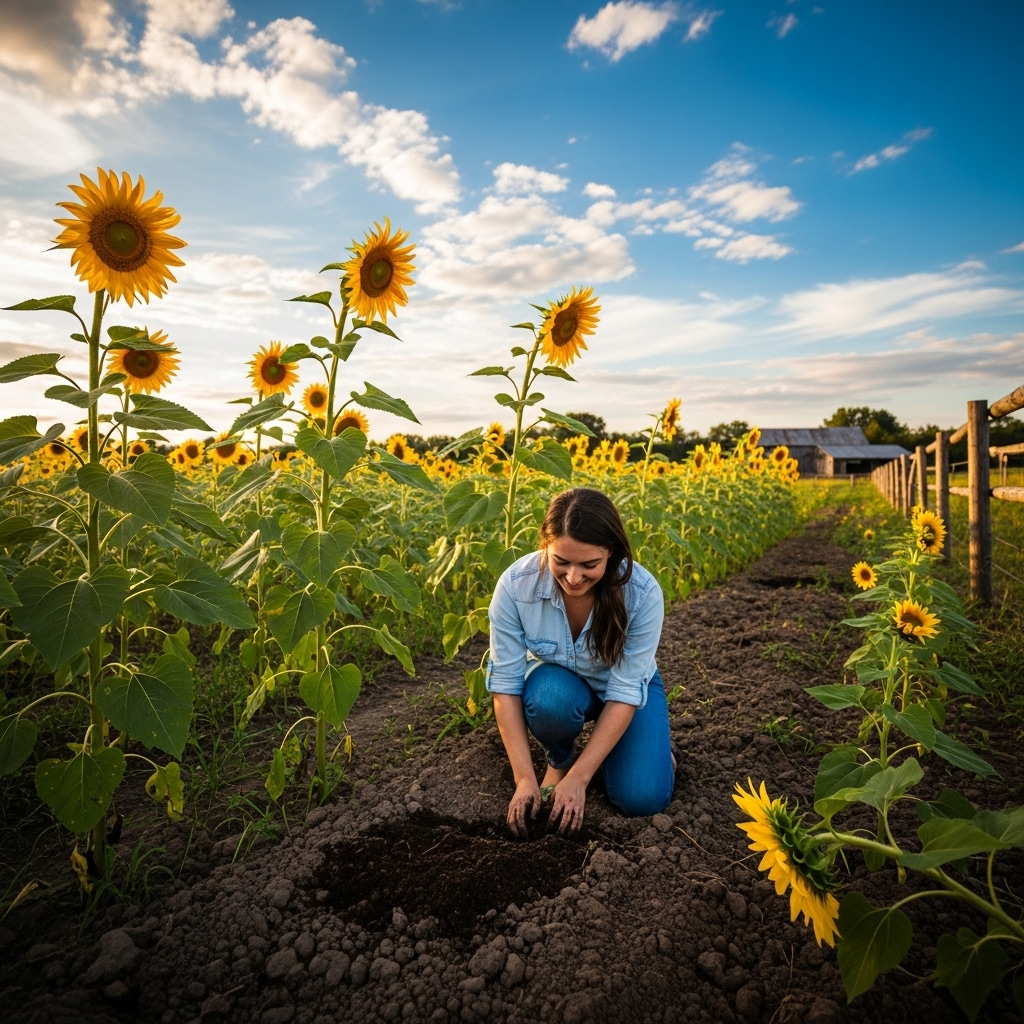
Common Types of Sunflowers
Some of the most popular sunflower varieties include:
- Common Sunflower (Helianthus annuus): This is the traditional sunflower that most people envision—tall, with large, yellow blooms. They can grow up to 12 feet tall, depending on the variety.
- Dwarf Sunflowers: Perfect for smaller gardens or containers, these sunflowers typically grow to about 1-3 feet tall and still produce beautiful blooms.
- Italian Sunflowers: Known for their unique, multi-branched stems, these sunflowers produce clusters of smaller flowers, creating a stunning visual display.
- Perennial Sunflowers: Unlike their annual cousins, perennial sunflowers can return year after year, making them a great choice for long-term gardens.
Each type has its flowering period, height, and bloom size, so considering your garden space and aesthetic preferences is crucial.
Choosing the Right Variety for Your Garden
When I was choosing my sunflower varieties, I realized it was important to consider the garden’s climate and the look I wanted to achieve. If you’re working with limited space, I recommend dwarf sunflowers, which can be just as stunning as their taller counterparts but require less room. On the other hand, if you have a spacious garden and want to create a dramatic effect, the common sunflower with its towering height is ideal.
Additionally, think about the purpose of your sunflowers. Are they for cutting bouquets, attracting pollinators, or simply for visual enjoyment? I’ve planted sunflowers both for beauty and as a way to attract bees and butterflies, and I loved watching the garden come alive with these vibrant creatures. Understanding what it means for a plant to be mature can also help in selecting the right variety.
Ideal Growing Conditions for Sunflowers
Sunflowers are quite hardy, but they thrive under specific conditions that can lead to the most magnificent blooms. In my experience, the right combination of soil, sunlight, and water can make all the difference. As I planned my garden, I paid special attention to these elements.
Soil Requirements
Sunflowers prefer well-draining soil with a pH between 6.0 and 7.5. I learned the hard way that poor soil can lead to stunted growth. When I first planted sunflowers, I didn’t take soil quality seriously enough, and it showed. To prepare the soil, I recommend mixing in compost to enrich it and improve drainage. This not only supports the sunflowers but also encourages beneficial organisms in the soil.
Sunlight and Temperature Preferences
Sunflowers love the sun! Ideally, they should receive at least 6 to 8 hours of direct sunlight daily. I remember planting them in a spot that got some shade, and while they still bloomed, they weren’t nearly as vibrant as those that basked in full sunlight. Additionally, the best temperatures for planting sunflowers are between 70°F and 78°F (21°C to 26°C). If you’re in a cooler region, waiting until late spring after the last frost is key.
Watering Needs
Sunflowers are relatively drought-tolerant, but they do need consistent moisture for the best blooms. I usually watered mine deeply once a week, especially during dry spells. This method encourages deep root growth, which I found essential for stability and resilience. It’s crucial to avoid overwatering, though, as soggy soil can lead to root rot.
When to Plant Sunflowers
Timing is everything when it comes to planting sunflowers. I’ve learned that getting it right can lead to healthy plants and stunning blooms that last throughout the summer.
Spring Planting: Best Practices
The ideal time to plant sunflowers is in the spring after the last frost date for your area. I closely monitored local weather forecasts and soil temperatures. Planting too early could expose young plants to frost damage, while waiting too long might miss the chance to enjoy the full growing season. I recommend using a soil thermometer to check the temperature, ensuring it’s warm enough before planting seeds.
Factors Influencing Planting Time
Several factors can influence when to plant sunflowers, including your local climate, the specific variety of sunflower, and even your garden’s microclimate. I’ve often noticed that my backyard can be a few degrees warmer than the surrounding areas due to reflected heat from my house, which sometimes allowed me to plant a bit earlier. It’s all about observing your surroundings and adapting to them.
Regional Planting Times Across the US
In different regions of the US, planting times can vary widely. For instance, in the southern states, you might be able to plant sunflowers as early as March, while in northern states, late May or early June is typically ideal. I found it helpful to connect with local gardening groups or use online resources tailored to my region to pinpoint the best planting window. This community connection has been invaluable to my gardening journey.
Preparing for Planting Sunflowers
Soil Preparation Techniques
Preparing the soil is one of the most important steps in ensuring that my sunflowers grow tall and strong. I’ve found that good soil preparation sets the foundation for healthy plants. First, I start by clearing the area of any weeds or debris. Weeds compete for nutrients and can hinder the growth of my sunflowers, so I make sure to give them a clean slate. Then, I use a garden fork or tiller to loosen the soil. Turning it over not only aerates the soil but also helps to mix in any organic matter I’ve added.
Next, I focus on enriching the soil. I like to incorporate well-rotted compost or organic matter, which I believe is essential for the soil structure and nutrient content. My goal is to create a rich, loamy environment that supports healthy root development. If my soil is too sandy or clay-heavy, I’ll amend it with materials like peat moss or sand, depending on what it needs. Testing the soil pH can also be a game-changer. If it’s outside the ideal range of 6.0 to 7.5, I’ll adjust it using lime or sulfur—it’s something I learned from experience, and it’s worth the effort!
Seed Selection and Sourcing
When it comes to choosing sunflower seeds, I always take my time. I’ve learned that the right seeds can make a huge difference in my gardening experience. I often visit local garden centers or farmers’ markets to find seeds because I prefer supporting local businesses. Plus, I get to chat with other gardeners and gather tips! I usually look for varieties that are known for their resilience and bloom size. For instance, if I want to attract bees, I might choose a variety like the ‘Moulin Rouge’ with its beautiful reddish blooms.
Additionally, I’ve realized that purchasing seeds from reputable sources ensures that they are fresh and likely to germinate well. I often read reviews or seek recommendations from friends and fellow gardeners before making a purchase. It’s also a good idea to check for seeds that are disease-resistant, especially if I’ve had issues with pests or diseases in the past. You can also check out tips on planting groundnuts to enhance your gardening techniques.
Tools and Equipment Needed
Having the right tools makes my gardening tasks easier and more enjoyable. Over the years, I’ve gathered a list of essentials that I always keep on hand for planting sunflowers. First and foremost, a good-quality trowel is a must-have. It helps me dig holes for my seeds quickly and efficiently. I also like to use a garden rake to level the soil after tilling, ensuring a smooth surface for planting.
A seed packet or a planting guide is incredibly helpful for keeping track of the depth and spacing required for my sunflowers. I often use a measuring tape or a yardstick to ensure that the seeds are placed at the correct intervals; this helps prevent overcrowding, which I learned the hard way in my earlier attempts! Lastly, I keep a watering can nearby, as I like to give the seeds a gentle drink right after planting them to help settle them in.
Planting Techniques for Sunflowers
Direct Seeding vs. Transplanting
When I first started learning about sunflowers, I was unsure whether to seed directly or transplant seedlings. I discovered that direct seeding is typically the most common method for sunflowers, and it’s the one I prefer. Sowing seeds directly into the ground allows the roots to establish themselves in their final location, which tends to promote stronger growth. I usually plant the seeds about an inch deep and a few inches apart, depending on the variety.
However, if I want to get a jumpstart on the growing season, I’ve also tried starting seeds indoors. I use peat pots because they can be planted directly in the ground without disturbing the roots. While this method can give me earlier blooms, I’ve found that direct seeding usually results in more robust plants.
Spacing and Depth Guidelines
Spacing is crucial when planting sunflowers. I’ve learned that giving them enough room to grow helps prevent competition for nutrients and light. For taller varieties, I recommend spacing them about 12 to 24 inches apart, while dwarf varieties can be planted closer together, around 6 to 12 inches apart. I made the mistake of planting them too closely once, and they ended up stunted and floppy, so I make sure to follow spacing guidelines now.
As for depth, I typically plant sunflower seeds about 1 to 2 inches deep. If I plant them too shallow, they might not anchor well, and if they’re too deep, they might struggle to break through the soil. Monitoring the soil conditions is vital after planting to ensure they have the ideal environment for sprouting.
Companion Planting for Better Growth
In my garden, I’ve found that companion planting can really enhance the growth of my sunflowers. For instance, planting sunflowers alongside beans or corn can create a lovely and productive ecosystem. The sunflowers provide vertical structure, while the beans fix nitrogen in the soil, benefiting all the plants involved. I’ve also noticed that marigolds can deter pests, making them a great companion as well. It’s fascinating how different plants can support one another, and I love experimenting with combinations to see what works best in my garden.
Caring for Sunflowers Post-Planting
Fertilization Tips for Healthy Blooms
After planting my sunflowers, I quickly learned that fertilization plays a key role in their growth and blooming process. While sunflowers can thrive in less-than-perfect soil, a little extra nourishment can go a long way. I usually start by applying a balanced fertilizer when the plants are about 6 inches tall. This helps give them a nutrient boost just when they need it most. I like to use organic options, like compost or fish emulsion, as they’re gentle and enrich the soil without the risk of burning the roots.
As the sunflowers continue to grow, I observe their progress and consider a second application of fertilizer when they start to bud. This is typically around mid-summer for me. I prefer to use a fertilizer higher in phosphorus and potassium to encourage bigger blooms and stronger stems. I’ve found that following the instructions on the fertilizer package is crucial; too much can lead to lush foliage but fewer flowers, which is something I experienced during my early gardening days.
Watering Guidelines
Once the seeds are planted, I keep a close eye on watering. I’ve learned that sunflowers need consistent moisture, especially during their early growth stages. I usually water them deeply once a week, but I adjust this based on the weather. For instance, during hot spells, I might water every few days to ensure the soil doesn’t dry out completely. I found that using a soaker hose can be incredibly helpful; it allows water to seep slowly into the ground, ensuring the roots get what they need without wasting water through evaporation.
As the plants mature, I also pay attention to the condition of the leaves. If they start to droop, it’s usually a sign that they need a drink. On the other hand, if the soil feels moist and the leaves are yellowing, I know it’s time to cut back on watering to avoid root rot. Striking that balance can sometimes be tricky, but I’ve learned to trust my instincts and the signs the plants give me.
Pest and Disease Management
One of the challenges I’ve faced in my sunflower-growing journey is dealing with pests and diseases. I remember the first year I planted sunflowers; I woke up one morning to find my plants covered in aphids! It was quite a shock, but it taught me to stay vigilant. I now regularly check the leaves, especially the undersides, for any signs of pests.
For aphids and other soft-bodied insects, I often use a strong jet of water to dislodge them. This method is simple and effective without introducing chemicals into my garden. Additionally, I’ve found that introducing beneficial insects, like ladybugs, can help keep pest populations in check. They love to munch on aphids, and I’ve seen great results from this natural approach.
When it comes to diseases, I’ve learned that prevention is the best strategy. Good air circulation is vital, so I always ensure my sunflowers aren’t overcrowded. I also avoid watering the leaves directly, which can promote fungal infections. If I do notice any signs of disease, such as powdery mildew or wilting, I quickly remove affected leaves or plants to prevent spread. This proactive approach has saved many of my sunflowers over the years.
Maximizing Bloom Size and Health
Optimal Pruning Techniques
I’ve discovered that pruning can significantly affect the size and health of my sunflower blooms. While sunflowers don’t typically require heavy pruning, I’ve found that removing any dead or yellowing leaves can help direct energy toward producing flowers. I usually do this in the middle of the growing season, as it helps the plant focus on healthy foliage and bloom production.
Another technique I’ve used is pinching back the tips of the plants when they reach about a foot tall. This encourages branching and can lead to more blooms overall. I’ve noticed how the stems become sturdier and can support larger flowers when I do this. It’s a simple step that has made a noticeable difference in my garden.
Harvesting Tips for Bigger Blooms
When it comes time to harvest my sunflowers, I feel a mix of excitement and pride. I’ve learned that the best time to cut them is when the back of the flower heads starts to turn yellow and the seeds inside are plump. I usually grab my sharp garden shears and cut the stems at an angle, which allows for better water absorption if I decide to display them in a vase. I’ve also learned that cutting them early in the morning is best, as the flowers are most hydrated and will last longer.
If I plan to save seeds, I wait until the flower heads are fully dry and brown. I’ve made the mistake of harvesting too early, which resulted in shriveled seeds that didn’t germinate well. Now, I make sure to give them enough time to mature fully before cutting them for seed saving.
Seasonal Care Adjustments
As the seasons change, I’ve come to realize that my care for sunflowers also needs to adapt. In the late summer and early fall, when temperatures start to cool down, I reduce watering since the plants naturally require less moisture. However, I still keep an eye out for any late-blooming pests or diseases, ensuring my plants remain healthy as they prepare to go dormant.
Additionally, I’ve found that mulching around my sunflowers helps retain moisture and suppress weeds, which becomes especially important as the weather changes. In the fall, after the blooms have faded, I often leave the spent sunflower heads in the garden as they provide food for birds and enrich the soil as they decompose. It’s a way to give back to the garden and prepare for another lovely sunflower season next year.
Frequently Asked Questions
When is the best time to plant sunflowers?
The best time to plant sunflowers is in the spring, after the last frost, when soil temperatures reach around 70°F (21°C).
What are some common types of sunflowers?
Some popular sunflower varieties include the Common Sunflower (Helianthus annuus), Dwarf Sunflowers, Italian Sunflowers, and Perennial Sunflowers.
What factors should I consider when choosing a sunflower variety?
Consider the garden’s climate, available space, the desired aesthetic, and the purpose of the sunflowers, such as for cutting bouquets or attracting pollinators.
What soil conditions do sunflowers prefer?
Sunflowers prefer well-draining soil with a pH between 6.0 and 7.5. Adding compost can help enrich the soil and improve drainage.
How much sunlight do sunflowers need?
Sunflowers require at least 6 to 8 hours of direct sunlight daily for optimal growth and vibrant blooms.
What are the watering needs for sunflowers?
Sunflowers need consistent moisture, usually requiring deep watering once a week, especially during dry spells, while avoiding overwatering to prevent root rot.
What is the best planting method for sunflowers?
Direct seeding is the most common method for sunflowers, allowing roots to establish in their final location. Starting seeds indoors is an option for earlier blooms but may not yield as robust plants.
How should I space sunflower seeds when planting?
For taller sunflower varieties, space seeds about 12 to 24 inches apart, while dwarf varieties can be spaced closer together, around 6 to 12 inches apart.
What should I do to manage pests and diseases in sunflowers?
Regularly check for pests like aphids, use a strong jet of water to dislodge them, and introduce beneficial insects like ladybugs. Prevent diseases by ensuring good air circulation and avoiding watering the leaves directly.
When is the best time to harvest sunflowers?
The best time to harvest sunflowers is when the back of the flower heads begins to turn yellow and the seeds inside are plump. For seed saving, wait until the flower heads are fully dry and brown.