
The best time to plant watermelon for sweet, big fruit is in late spring, once the danger of frost has passed and the soil temperature reaches at least 70°F. I’ve learned that timing is crucial for a successful watermelon harvest, as these fruits thrive in warm conditions. Read Interesting article: How to Plant Watermelon for Big Sweet Fruit
Understanding Watermelon Growth Requirements
Before diving into the specific timing for planting watermelons, it’s essential to understand what these vibrant fruits need to grow successfully. Watermelons are not just refreshing summer treats; they are also particular about their growth conditions. From the soil to the amount of sunlight they receive, every aspect plays a part in determining the size and sweetness of the fruit.
Optimal Soil Conditions
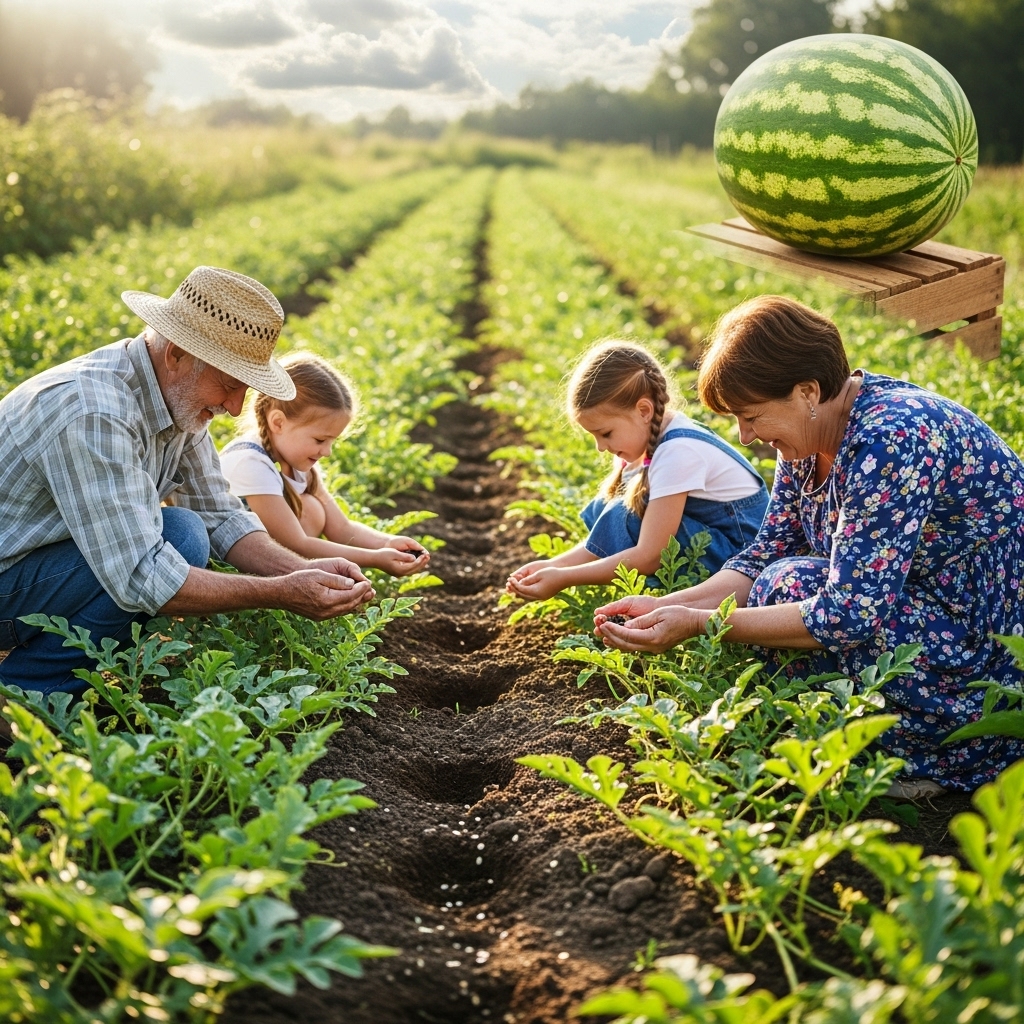
My journey with growing watermelons began when I realized the importance of soil quality. Watermelons prefer well-draining, sandy loam soil that is rich in organic matter. This type of soil allows water to flow freely while also holding enough nutrients to support the plant’s growth. I found that adding compost or aged manure before planting significantly improved my soil’s nutrient content.
Testing your soil’s pH is also vital; watermelon plants thrive in a slightly acidic to neutral pH range of around 6.0 to 7.0. I made it a habit to test my soil each year, and if the pH was too low, I’d add lime to raise it. This simple step made a noticeable difference in the health of my plants.
Climate and Temperature Needs
Watermelons love warmth. Ideally, they need daytime temperatures between 80°F and 90°F to flourish. I remember the first year I planted them too early, and the cooler nights stunted their growth. It was a hard lesson learned! I now wait until the soil temperature is consistently at least 70°F before planting. This means that in most regions, late spring is the sweet spot for planting watermelon seeds or seedlings.
It’s also important to consider your local climate. If you live in a cooler area, starting seeds indoors a few weeks before the last frost can give you a head start. I tried this technique, and it allowed me to transplant healthy seedlings into the garden during the ideal window. Read Interesting article: How to Plant Watermelon (Easy Step-by-Step)
Sunlight Requirements
Watermelons are sun worshippers. They require at least 6 to 8 hours of full sunlight each day. When I selected spots in my garden, I made sure to choose locations that didn’t just get sunlight but had good airflow as well. This helped with preventing fungal diseases. If I noticed a spot that was shaded by trees or fences, I quickly chose another area to maximize sunlight exposure.
Another thing I learned was to keep an eye on my plants as they grew. If they started to stretch or lean towards the sun, it was a sure sign they needed more light. In such cases, I would often prune back any nearby plants that were overshadowing my beloved watermelons.
When to Plant Watermelon
After understanding the growth requirements, the next question is when exactly to plant watermelons. This can vary widely based on your location, and I found that knowing my local climate and frost dates was essential for successful planting.
Ideal Planting Time by Region
In the southern regions of the United States, I’ve noticed that watermelons can often be planted as early as March or April. However, in cooler northern regions, waiting until late May or even early June is necessary. I remember a friend who lived in a northern state and eagerly planted his watermelons too early. Unfortunately, a late frost wiped out his entire crop, which was a tough way to learn a lesson about patience!
To make the best decision for your planting date, I recommend checking a local gardening calendar or speaking with local gardeners. They often have insights into the best times based on historical weather patterns. I found local gardening clubs to be particularly helpful in this regard.
Understanding Frost Dates
Knowing the average last frost date in your area is crucial for timing your planting. I always mark this date on my calendar and plan to sow my seeds or set out seedlings a week or two after that. This gives the soil time to warm up and ensures my plants won’t be damaged by unexpected cold snaps. I’ve learned from experience that being vigilant about this can save a lot of heartache!
To find frost dates, I usually refer to local agricultural extension services or websites that provide gardening resources. Keeping a close eye on the weather forecast as the last frost date approaches is also a good idea. It helps to get a feel for any unusual patterns that might affect my plans.
Timing Based on Seed Variety
Finally, the type of watermelon variety I chose also influenced my planting schedule. There are early, mid, and late-season varieties, and I’ve found that if I want larger watermelons, I often have to plant the early varieties so they have the growing season needed to mature properly. For example, I’ve had great success with ‘Sugar Baby’ watermelons, which can be ready to harvest in about 75 days, while larger types like ‘Carolina Cross’ may take up to 90 days. Read Interesting article: How Many Sugar Baby Watermelons per Plant Indoors? Grow Secrets
As I explored different varieties, I kept a gardening journal to track how each type performed in my climate. This not only helped me see which ones I liked best but also gave me a clearer idea of how to plan my future plantings. I highly recommend considering the variety when planning your watermelon garden, as it can make a significant difference in your yield and satisfaction!
Preparing for Planting
Choosing the Right Watermelon Variety
As I dove deeper into growing watermelons, I realized that selecting the right variety was crucial to my success. Each type of watermelon has its own unique flavor profile, size, and growing requirements. For someone like me, who loves experimenting in the garden, this was an exciting journey! I found that there are varieties suited for different climates, growing seasons, and even personal taste.
For instance, if you enjoy smaller watermelons perfect for snacking, I recommend trying the ‘Sugar Baby.’ They’re about the size of a basketball and have a sweet, dense flesh. On the other hand, if you’re looking for something to impress at barbecues, the ‘Carolina Cross’ is a great option. I remember the first time I sliced into one; the size and sweetness blew everyone away!
Moreover, I’ve discovered that some varieties are better suited for short growing seasons, like ‘Crimson Sweet,’ which matures in about 80 days. This variety has a wonderful flavor and striped green skin that’s visually appealing in the garden. It helped me understand that by choosing the right variety, I could maximize my harvest and enjoy a range of flavors throughout the summer.
Soil Preparation Techniques
Now that I had my varieties chosen, I needed to prepare the soil properly. This part of the process was something I quickly learned not to overlook. I typically start by clearing any weeds or debris from the area where I plan to plant. I’ve seen how quickly weeds can take over and compete with my watermelons for nutrients. To make sure my soil is ready, I often use a garden fork to aerate it, which helps with drainage and root penetration.
Next, I mix in plenty of organic matter like compost, which I’ve found to be a game changer for my soil’s health. This not only improves the soil structure but also boosts nutrient content, making it perfect for my watermelon plants. I usually aim to till this mixture into the top 12 inches of soil a few weeks before planting. It gives time for the materials to settle and begin enriching the soil. If I’m feeling adventurous, I’ll even add some crushed eggshells for calcium and help the plants grow strong!
Finally, I like to create raised beds or mounds for my watermelons. I’ve noticed that this helps with drainage and keeps the fruit off the damp ground, reducing the likelihood of rot. Plus, it makes for a beautiful garden layout that always impresses friends and family when they visit!
Seed vs. Transplanting: Pros and Cons
When it comes to starting my watermelon plants, I often debate between sowing seeds directly into the garden or transplanting seedlings that I’ve started indoors. Each method has its pros and cons, and I’ve tried both to see what works best for me.
Sowing seeds directly into the garden has its advantages. For one, it’s simpler and less labor-intensive. I just prepare the soil, create small holes, and drop in the seeds. I love the excitement of watching them sprout and grow in their natural environment. However, I learned the hard way that this method can be risky if the weather isn’t cooperating. I’ve lost seeds to unexpected late frosts before, which made me rethink my approach.
On the flip side, transplanting seedlings gives me a head start. I usually start my seeds indoors about 4 to 6 weeks before the last expected frost. This way, I can nurture the seedlings and ensure they’re strong before moving them outside. The downside is that there’s a bit more work involved, especially when it comes to hardening off the seedlings before transplanting. I found that gradually exposing them to outdoor conditions for a week or so helped reduce transplant shock and resulted in healthier plants.
Ultimately, I’ve come to prefer the transplanting method when I want to guarantee a bountiful harvest. It gives me that extra assurance in our unpredictable weather!
Care During the Growing Season
Watering Techniques for Sweet Fruit
Once my watermelons are in the ground, the real fun begins! I quickly learned that proper watering is essential for developing those sweet, juicy fruits we all love. Watermelons are about 90% water, so keeping them hydrated is a priority. However, I found that it’s not just about how much I water, but how and when I do it.
In the early stages, I avoid overhead watering to reduce the risk of fungal diseases. Instead, I use a soaker hose or drip irrigation when I can. This method allows moisture to penetrate deeply into the soil while keeping the foliage dry. I also try to water early in the morning. I’ve noticed that this helps the plants absorb the moisture before the heat of the day kicks in.
As the watermelons begin to grow, I gradually increase the watering. I aim for about 1 to 2 inches of water per week, adjusting based on rainfall. I learned that consistent watering helps with fruit development and sweetness. It’s fascinating how a little extra care can lead to such delicious results!
Fertilization Best Practices
Another crucial aspect of caring for my watermelons is fertilization. I’ve discovered that providing the right nutrients at the right times can significantly impact the growth and sweetness of the fruit. I typically use a balanced fertilizer during planting, but as the plants mature, I switch to one higher in potassium and phosphorus to promote fruit development.
I apply fertilizer every few weeks, but I also listen to my plants. If I notice yellowing leaves or sluggish growth, it’s usually a sign they need a little boost. Organic options like fish emulsion or compost tea work wonders, and I love knowing I’m using natural methods to nurture my garden. Watching the plants respond to the nutrients is truly rewarding!
Pest and Disease Management
No gardening journey is complete without encountering pests and diseases. I’ve faced my fair share of challenges, but I’ve learned to be proactive. Regularly inspecting my plants for signs of trouble has become a routine. I often find that the sooner I catch an issue, the easier it is to manage.
For pests, I’ve had success using natural solutions, like introducing beneficial insects such as ladybugs and lacewings. They help control aphids and other harmful pests without resorting to harsh chemicals. I also use row covers early in the season to protect young plants from pests.
As for diseases, I make sure to space my plants adequately to promote airflow and reduce humidity around the leaves. Fungal diseases can be rampant in humid conditions, so I try to keep my garden tidy by removing any dead or infected plant material right away. It helps to maintain a healthy environment for my watermelons to thrive!
Frequently Asked Questions
What is the best time to plant watermelon?
The best time to plant watermelon is in late spring, once the danger of frost has passed and the soil temperature reaches at least 70°F.
What type of soil is best for growing watermelons?
Watermelons prefer well-draining, sandy loam soil that is rich in organic matter. This type of soil allows water to flow freely while holding enough nutrients for growth.
What pH level should the soil be for watermelon plants?
Watermelon plants thrive in a slightly acidic to neutral pH range of around 6.0 to 7.0.
How much sunlight do watermelon plants need?
Watermelons require at least 6 to 8 hours of full sunlight each day to flourish.
When should I plant watermelons in different regions?
In southern regions of the United States, watermelons can often be planted as early as March or April, while in cooler northern regions, planting should wait until late May or early June.
How can I find out my area’s frost dates?
You can find frost dates by referring to local agricultural extension services or websites that provide gardening resources, as well as by keeping an eye on the weather forecast as the last frost date approaches.
What factors should I consider when choosing watermelon varieties?
When choosing watermelon varieties, consider the size, flavor profile, growing requirements, and the length of the growing season needed for each type.
What watering techniques are recommended for growing watermelons?
It is recommended to use a soaker hose or drip irrigation to keep the foliage dry and water early in the morning, aiming for about 1 to 2 inches of water per week.
How often should I fertilize my watermelon plants?
You should apply fertilizer every few weeks, starting with a balanced fertilizer during planting and switching to one higher in potassium and phosphorus as the plants mature.
What pest management strategies can be used for watermelon plants?
Effective pest management strategies include regularly inspecting plants, using natural solutions like beneficial insects, and employing row covers to protect young plants from pests.