
The best time to plant zinnias for maximum blooms is in the spring, after the last frost has passed. I’ve found that planting them at the right time truly enhances their growth and flowering potential.
Understanding Zinnias: An Overview
What Are Zinnias?
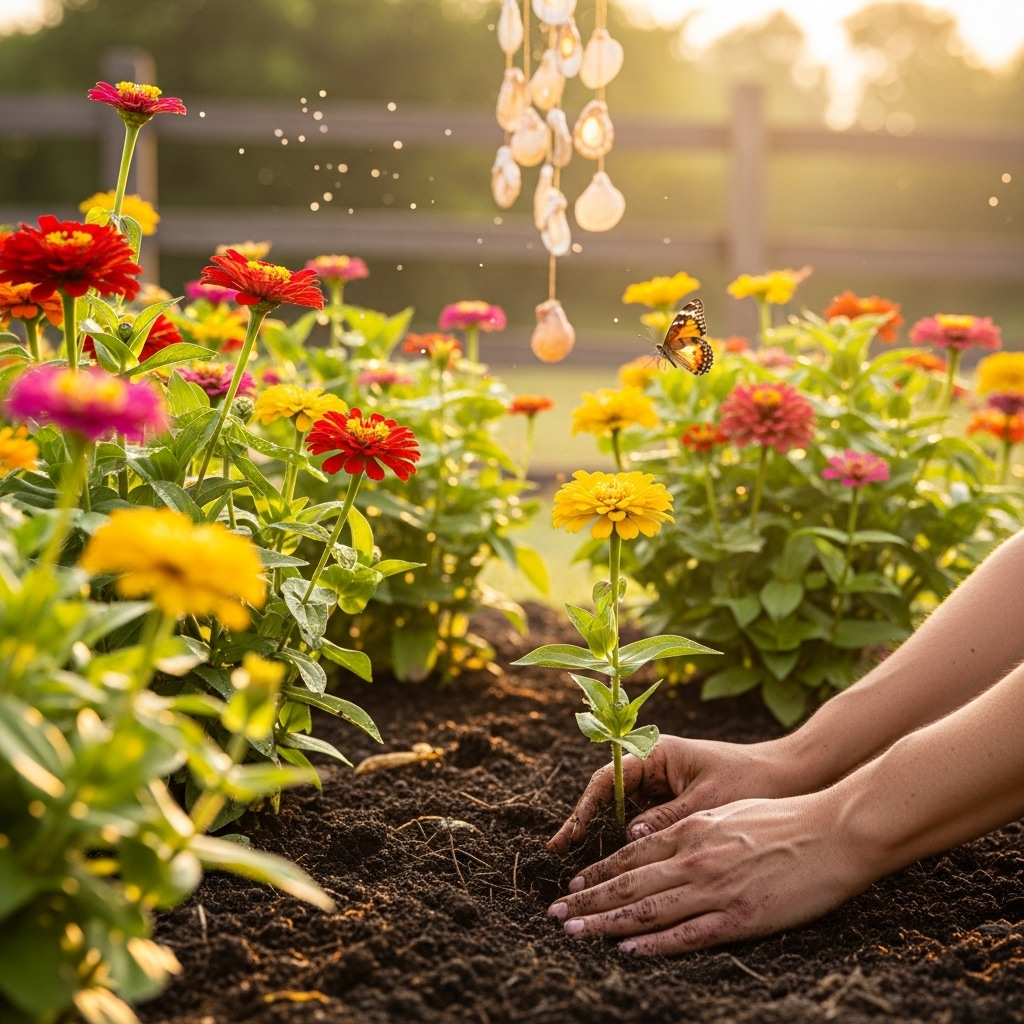
Zinnias are vibrant, hardy annual flowers that belong to the Asteraceae family. They are known for their bright colors and ability to attract butterflies and bees, which makes them a popular choice for gardens and landscapes. I remember the first time I saw a garden brimming with zinnias; their cheerful hues instantly lifted my spirits. Zinnias come in various shapes and sizes, ranging from small, delicate blooms to larger, more robust flowers, making them versatile for various planting styles. If you’re curious about more annual plants, zinnias are a great example!
Types of Zinnias
There are several types of zinnias that you might want to consider for your garden. The most common varieties include:
- Garden Zinnias (Zinnia elegans): These are your classic zinnias, available in many colors and sizes.
- Pincushion Zinnias (Zinnia angustifolia): Smaller and more compact, these zinnias are great for borders.
- Giant Zinnias: These can grow quite large, offering a dramatic look in your garden.
- Profusion Zinnias: These are disease-resistant and produce an abundance of blooms, making them a favorite of mine.
Each type has its unique charm, and I often find myself drawn to different varieties depending on the season. It’s fascinating how each one can bring a new energy to the garden.
Benefits of Growing Zinnias
There are numerous benefits to growing zinnias that I’ve come to appreciate over the years. First and foremost, they are incredibly easy to grow, making them perfect for beginners. Their resilience to pests and diseases means I can spend less time worrying and more time enjoying the beauty they bring. Additionally, zinnias bloom continuously from summer to fall, providing a long-lasting display of color. I’ve noticed that they also attract beneficial insects, which help pollinate not just zinnias but other plants in the garden as well. And let’s not forget about the joy of cutting a few stems for a bouquet; they make beautiful arrangements that brighten up any room!
Optimal Growing Conditions for Zinnias
Soil Requirements
When I first started growing zinnias, I learned the importance of soil quality. They thrive in well-draining soil, ideally with a pH between 6.0 and 7.0. I usually enrich my garden soil with organic matter, such as compost, which helps with drainage and provides essential nutrients. I’ve found that zinnias do best when planted in a spot where the soil is loose and not too compacted, allowing their roots to spread and grow strong.
Sunlight Needs
Zinnias love the sun! I have noticed that they flourish when they receive at least six to eight hours of direct sunlight each day. If I plant them in a location that gets dappled shade, I often find they produce fewer blooms. So, choosing the right spot is crucial. When I’ve planted zinnias in full sun, they’ve exploded with color, and the growth is consistently robust. I’ve learned that exposing them to too much shade can lead to weak stems and fewer flowers.
Watering Guidelines
Watering zinnias can be a bit of a balancing act. I’ve learned from experience that they prefer evenly moist soil, but they don’t like to sit in water. Overwatering can lead to root rot, while underwatering can cause stunted growth. I usually water them deeply once a week, depending on the weather. If it’s particularly hot or dry, I’ll check the soil moisture a bit more frequently. I find that watering at the base of the plant in the morning helps prevent fungal diseases, which zinnias can be susceptible to if they get too wet at night.
When to Plant Zinnias
Best Time for Planting Zinnias in Spring
The best time to plant zinnias in the spring is after the last frost date for your area. I’ve discovered that zinnias are sensitive to cold temperatures, and planting them too early can stunt their growth or kill the seedlings. Typically, this means waiting until late April or early May in many regions, but you should always check local weather patterns. I’ve found that a good rule of thumb is to wait until nighttime temperatures consistently stay above 50°F (10°C). This timing tends to yield the best blooms.
When to Start Seeds Indoors
If you’re eager to get a jump on the growing season, starting zinnia seeds indoors is a fantastic option. I usually start my seeds about six to eight weeks before the last frost date. This allows for a head start and helps me get a fuller garden earlier in the season. When I do this, I use seed trays filled with a light potting mix and keep them in a warm, sunny location. I’ve noticed that germination rates are higher when I maintain consistent moisture in the soil and provide adequate light.
Transplanting Outdoors: Timing Considerations
When the seedlings are about four to six inches tall and have developed a few sets of leaves, I’m ready to transplant them outdoors. This usually happens around the same time as the last frost, but I always monitor the weather closely. If there’s a cold snap predicted, I cover the seedlings with a light cloth to protect them. I’ve found that hardening off the seedlings for about a week before transplanting helps them adapt better to outdoor conditions. This means gradually exposing them to outdoor temperatures and sunlight, which reduces transplant shock. Trust me, this step makes a difference!
Regional Planting Times
Planting Zinnias in the Northern U.S.
Living in the Northern U.S. means I’ve had to adapt my gardening schedule a bit. Here, the winters can be quite harsh, and the growing season is shorter. I usually wait until late May to plant my zinnias outdoors, as the risk of frost lingers into early May. I’ve learned that it’s essential to check local frost dates and keep an eye on the weather forecast. A good tip is to plant them when the soil temperature reaches about 70°F (21°C). In my experience, this ensures they have the best chance to thrive. Starting seeds indoors around mid-March gives them a nice head start, which I find really pays off when it’s finally time to transplant them outdoors.
Planting Zinnias in the Southern U.S.
In the Southern U.S., the climate is much warmer, which can be a blessing for zinnia enthusiasts like myself. Here, I find that I can start planting zinnias as early as mid-March, especially if I’m opting for heat-tolerant varieties. I’ve discovered that the longer growing season allows for multiple plantings throughout spring and summer. It’s not uncommon for me to see zinnias blooming as early as April. They thrive in the warm, sunny conditions typical of the South, and I usually keep a close eye on watering during those hotter months to ensure they don’t dry out. For more information on planting schedules, check out what to plant in July.
Planting Zinnias in Coastal Areas
Coastal areas can present their own unique challenges and advantages for growing zinnias. I’ve noticed that the humidity and salty air can affect plant growth, so it’s essential to choose a location that offers both sun and some protection from strong winds. In these regions, I typically plant zinnias in late April or early May, as the risk of frost is minimal by then. One thing I’ve learned is that coastal soil can sometimes be sandy, which may require additional organic matter to help retain moisture. I find that mixing in some compost not only enriches the soil but also provides the zinnias with the nutrients they need to flourish.
Factors Affecting Bloom Production
Temperature Impact on Growth
Temperature plays a significant role in the health and bloom production of zinnias. From my experience, zinnias thrive in temperatures between 70°F and 90°F (21°C to 32°C). If it gets too hot, especially in the Southern U.S., I’ve noticed that the flowers can become smaller and produce fewer blooms. On the flip side, if it’s too cold, it can stunt their growth. I often try to monitor the weather closely, especially during those transitional seasons, and make adjustments, like providing shade during extreme heat or covering them if an unexpected chill comes through.
Fertilization and Soil Health
I’ve found that keeping soil healthy goes a long way in boosting bloom production. Zinnias are not heavy feeders, but a light application of a balanced fertilizer can really help. I usually use a slow-release fertilizer in the early spring to give them a good start. Additionally, I’ve noticed that organic matter, like compost or well-rotted manure, enhances soil health and provides essential nutrients. It’s fascinating how just a little bit of attention to soil health can lead to a garden bursting with color!
Pest and Disease Management
Every gardener has had to deal with pests at some point, and I’m no different. Zinnias can attract pests like aphids and spider mites. I’ve learned that keeping an eye on my plants and acting quickly can make all the difference. Sometimes, I’ll spray them with a mixture of water and mild soap to deter pests without harming the plant. Also, I’ve noticed that good air circulation around the plants helps reduce diseases. By spacing my zinnias adequately and avoiding overhead watering, I keep those pesky fungal diseases at bay. It’s about finding that balance and ensuring my zinnias remain healthy and vibrant.
Maximizing Blooms: Care and Maintenance
Pruning and Deadheading Techniques
One of the best tips I’ve learned for keeping zinnias blooming is to deadhead them regularly. This means removing the faded blooms to encourage new ones. I often spend a little time each week snipping off the spent flowers. It may seem like a small task, but I’ve noticed that it can lead to a more vigorous flowering cycle. Plus, it gives me a chance to inspect the plants for any signs of pests or disease while I’m at it. I really enjoy this simple maintenance routine; it feels rewarding to contribute to my garden’s beauty!
Watering Best Practices
Watering zinnias requires a careful touch. I’ve found that they prefer deep, thorough watering rather than frequent light sprinkles. When I water deeply, it encourages the roots to grow deeper into the soil, which helps them withstand dry periods. I usually water in the morning, allowing the plants to dry out during the day, which helps prevent fungal issues. During the hottest months, I’ll increase my watering frequency, but I always make sure the soil has a chance to dry out between waterings. It’s all about finding that rhythm!
Seasonal Care Tips
As seasons change, so does the care my zinnias need. In the early spring, I focus on planting and establishing strong plants. As summer approaches, I shift my attention to watering and deadheading. I also keep an eye on temperature fluctuations; if there’s a sudden heatwave, I’ll make sure to provide extra watering and some shade. Once fall rolls around, I often let some zinnias go to seed to encourage self-seeding for next year. This seasonal shift in care not only keeps my zinnias thriving, but it also adds an element of excitement to my gardening routine!
Common Mistakes to Avoid
Overwatering and Underwatering
When I first started my gardening journey, I quickly learned that one of the most common mistakes is getting the watering right. It sounds simple, but it can be a tricky balancing act. I’ve definitely been guilty of overwatering my zinnias, thinking they needed more moisture during the hot summer days. Instead, I ended up with soggy soil that led to root rot. On the flip side, I’ve also let them dry out too much during dry spells, which resulted in wilting blooms. Now, I pay close attention to the soil moisture and try to stick to a watering schedule that allows the soil to dry out slightly between waterings. Trust me, finding that sweet spot takes some practice, but it’s crucial for healthy zinnias!
Planting Too Early or Too Late
Timing is everything when it comes to planting zinnias. I remember the first year I got excited and planted them too early, only for a late frost to wipe them out. That was a tough lesson to learn! Now, I always check local frost dates and have a solid plan in place. It’s best to wait until the soil warms up to at least 70°F (21°C) before planting. Conversely, I’ve also waited too long in the fall to plant new seeds, missing out on the chance for a beautiful late-season bloom. I’ve learned that understanding your local climate and being patient is key to avoiding these pitfalls.
Ignoring Pest Control
Pest control is another area where I’ve made mistakes in the past. Zinnias can attract various pests like aphids and spider mites, and ignoring these little invaders can quickly lead to a larger problem. I’ve found that being proactive is essential. Regularly inspecting my plants for any signs of pests has helped me catch issues early. I often use natural remedies like neem oil or a simple soap spray to keep pests at bay. It’s amazing how a little vigilance can keep my zinnias healthy and vibrant. Remember, a healthy garden is a happy garden!
Frequently Asked Questions
How Long Do Zinnias Bloom?
From my experience, zinnias are quite generous with their blooms! Once they start flowering, they can continue to produce vibrant blossoms from summer all the way through to the first frost in the fall. This usually spans about 8 to 12 weeks, depending on the variety and growing conditions. I find that with proper care—like deadheading and consistent watering—my zinnias tend to bloom profusely, filling my garden with color for months on end. It’s such a joy to see them thrive!
Can Zinnias Be Grown in Containers?
Absolutely! I’ve successfully grown zinnias in containers and found them to be a fantastic option for small spaces or patios. Container gardening allows for flexibility, and I love being able to move my plants around to take advantage of the sun. When growing zinnias in pots, I make sure to use a well-draining potting mix and choose containers that are deep enough to accommodate their root systems. Just keep an eye on watering, as container plants can dry out faster than in-ground ones. It’s so rewarding to have a splash of zinnia color right at my doorstep!
Are Zinnias Annual or Perennial Plants?
Zinnias are classified as annual plants, which means they complete their life cycle in one growing season. However, I’ve learned that they can easily self-seed, which means if you let some of the blooms go to seed in the fall, they can return the following year! This has happened in my garden, and it’s a lovely surprise to see a few familiar blooms pop up unexpectedly. So, while zinnias are technically annuals, with a little planning, you can enjoy their beauty year after year! For tips on fall planting, take a look at what to plant in August.
Frequently Asked Questions
What is the best time to plant zinnias for maximum blooms?
The best time to plant zinnias is in the spring, after the last frost has passed. Typically, this means waiting until late April or early May, depending on local weather patterns.
What types of zinnias are available for planting?
Common types of zinnias include Garden Zinnias (Zinnia elegans), Pincushion Zinnias (Zinnia angustifolia), Giant Zinnias, and Profusion Zinnias, each with unique characteristics suitable for various planting styles.
What are the soil requirements for growing zinnias?
Zinnias thrive in well-draining soil with a pH between 6.0 and 7.0. Enriching the soil with organic matter, such as compost, helps improve drainage and provides essential nutrients.
How much sunlight do zinnias need?
Zinnias love sunlight and require at least six to eight hours of direct sunlight each day for optimal growth and blooming. Insufficient sunlight can lead to fewer blooms and weak stems.
How often should zinnias be watered?
Zinnias prefer evenly moist soil but should not be overwatered. It’s best to water them deeply once a week, adjusting frequency based on weather conditions, and to water at the base of the plant in the morning.
When should zinnia seeds be started indoors?
For an early start, zinnia seeds can be started indoors about six to eight weeks before the last frost date. This allows for a head start on the growing season.
How should zinnias be transplanted outdoors?
Seedlings should be transplanted outdoors when they are about four to six inches tall and have developed a few sets of leaves, usually around the same time as the last frost. It’s important to harden off the seedlings before transplanting.
What factors affect zinnia bloom production?
Temperature, soil health, and pest management significantly impact zinnia bloom production. Zinnias thrive in temperatures between 70°F and 90°F, and healthy soil with occasional fertilization can boost blooms.
What are common mistakes to avoid when growing zinnias?
Common mistakes include overwatering or underwatering, planting too early or too late, and ignoring pest control. It’s crucial to monitor soil moisture and local frost dates to ensure healthy zinnia growth.
Can zinnias be grown in containers?
Yes, zinnias can be successfully grown in containers. When doing so, it’s important to use a well-draining potting mix and ensure the containers are deep enough for their root systems.